Modern life moves fast, and for busy commuters spending hours traveling between home and work, maintaining proper nutrition can feel like an impossible challenge. The good news? With smart portable meal prep strategies, you can fuel your body efficiently without sacrificing taste, health, or precious time.

Whether you’re navigating subway systems, sitting in traffic, or cycling through city streets, having nutritious meals ready to go transforms your commute from a nutritional wasteland into an opportunity for self-care. This comprehensive guide will revolutionize how you approach eating on the move, turning you into a meal prep master who conquers hunger anywhere, anytime.
Why Portable Meal Prep Changes Everything for Commuters 🚆
The average commuter spends between 45 minutes to two hours traveling daily. That’s time when hunger strikes but healthy options remain scarce. Fast food becomes the default, draining both your wallet and your energy levels throughout the day.
Portable meal prep solves multiple problems simultaneously. You save money by avoiding expensive takeout, control exactly what goes into your body, maintain consistent energy levels, and reduce stress about where your next meal comes from. For commuters, this isn’t just convenient—it’s transformative.
The key difference between regular meal prep and portable meal prep lies in functionality. Your meals need to withstand movement, temperature changes, and time delays while remaining appetizing and safe to eat. This requires specific strategies that go beyond simply packing leftovers in a container.
Essential Gear: Building Your Portable Meal Prep Arsenal 🎒
Success starts with having the right equipment. Investing in quality containers and accessories makes the difference between soggy sandwiches and restaurant-quality meals that travel well.
The Must-Have Container Collection
Glass containers with secure locking lids offer durability and prevent flavor transfer between meals. However, they add weight to your commute bag. Lightweight BPA-free plastic containers provide portability without compromising food safety. Consider having both types for different situations.
Bento-style boxes with multiple compartments keep foods separated, preventing sogginess and allowing variety within one container. These work exceptionally well for balanced meals featuring protein, vegetables, and grains that you want to keep distinct until eating.
Insulated food jars maintain temperature for hours, perfect for soups, stews, oatmeal, or cold salads. Look for double-walled stainless steel versions that keep hot foods hot for 6-8 hours and cold foods chilled equally long.
Temperature Control and Food Safety
An insulated lunch bag with ice packs becomes your portable refrigerator. Choose bags with separate compartments to organize meals and snacks efficiently. Some modern versions even include USB-powered heating or cooling elements for extreme temperature control.
Reusable ice packs that are slim and flexible fit better around containers than bulky frozen blocks. Freeze multiple packs so you always have fresh ones ready for your commute days.
Strategic Meal Prep Timing for Maximum Efficiency ⏰
Timing your meal prep determines whether it feels manageable or overwhelming. Most successful commuters adopt a batch-cooking approach rather than preparing everything fresh daily.
Sunday evening remains the classic meal prep time for good reason. Dedicating 2-3 hours to cook multiple meals for the week ahead sets you up for success. However, if Sundays don’t work, Wednesday evening “mid-week refresh” sessions keep meals from becoming monotonous or spoiling.
The hybrid approach combines batch-cooked proteins and grains with freshly assembled components each morning. Cook chicken breasts, hard-boiled eggs, quinoa, and roasted vegetables on Sunday, then spend just 10 minutes each morning combining them differently with fresh elements like greens, dressings, and toppings.
Portable Breakfast Solutions That Travel Perfectly 🌅
Breakfast might be the most important meal, but it’s also the one most often skipped or grabbed from a drive-through window. Portable breakfast prep ensures you start every day properly fueled.
Overnight Oats: The Ultimate Commuter Breakfast
Overnight oats require zero morning effort while providing sustained energy. Combine rolled oats with milk or yogurt, add chia seeds for protein and omega-3s, then customize with fruits, nuts, and spices. Prepare five jars on Sunday, grab one each morning, and eat during your commute or at your desk.
Popular flavor combinations include apple cinnamon with walnuts, berry almond with honey, chocolate peanut butter banana, and tropical coconut with mango. The variations are endless, preventing breakfast boredom.
Egg-Based Portable Proteins
Egg muffins or frittata squares pack protein into grab-and-go portions. Whisk eggs with vegetables, cheese, and cooked meats, pour into muffin tins, bake, then refrigerate. These protein bombs reheat quickly or taste great cold, perfect for eating on trains or buses.
Hard-boiled eggs remain one of nature’s most perfect portable foods. Prepare a dozen at once, keep them refrigerated in their shells, and grab 2-3 for instant protein. Pair with whole grain crackers and a piece of fruit for a balanced breakfast that requires zero assembly time.
Smoothie Strategies for Mobile Nutrition
Smoothies present unique transportation challenges due to their liquid nature, but pre-portioning ingredients makes them viable. Create freezer bags with fruits, vegetables, protein powder, and seeds. Each morning, blend one bag with liquid, pour into an insulated bottle with a secure lid, and you have nutrition that travels.
For commuters without morning blender access, consider smoothie delivery apps or finding coffee shops along your route that offer made-to-order options with healthy ingredients. While not as economical as homemade, they beat skipping breakfast entirely.
Lunch That Lasts: Midday Meal Mastery 🥗
Lunch poses different challenges than breakfast. It needs to remain food-safe for several hours and still taste appetizing by midday. Strategic assembly and ingredient selection make this achievable.
The Mason Jar Salad Method
Mason jar salads layer ingredients in reverse order of how you’ll eat them. Dressing goes on the bottom, followed by hardy vegetables like cucumbers and carrots, then proteins, grains, and finally delicate greens on top. When you’re ready to eat, shake it up or pour onto a plate.
This method keeps everything fresh and crisp for days. The key is ensuring wet ingredients don’t touch greens until eating time. Wide-mouth quart jars work best for easy access and generous portions.
Bowl-Based Balanced Meals
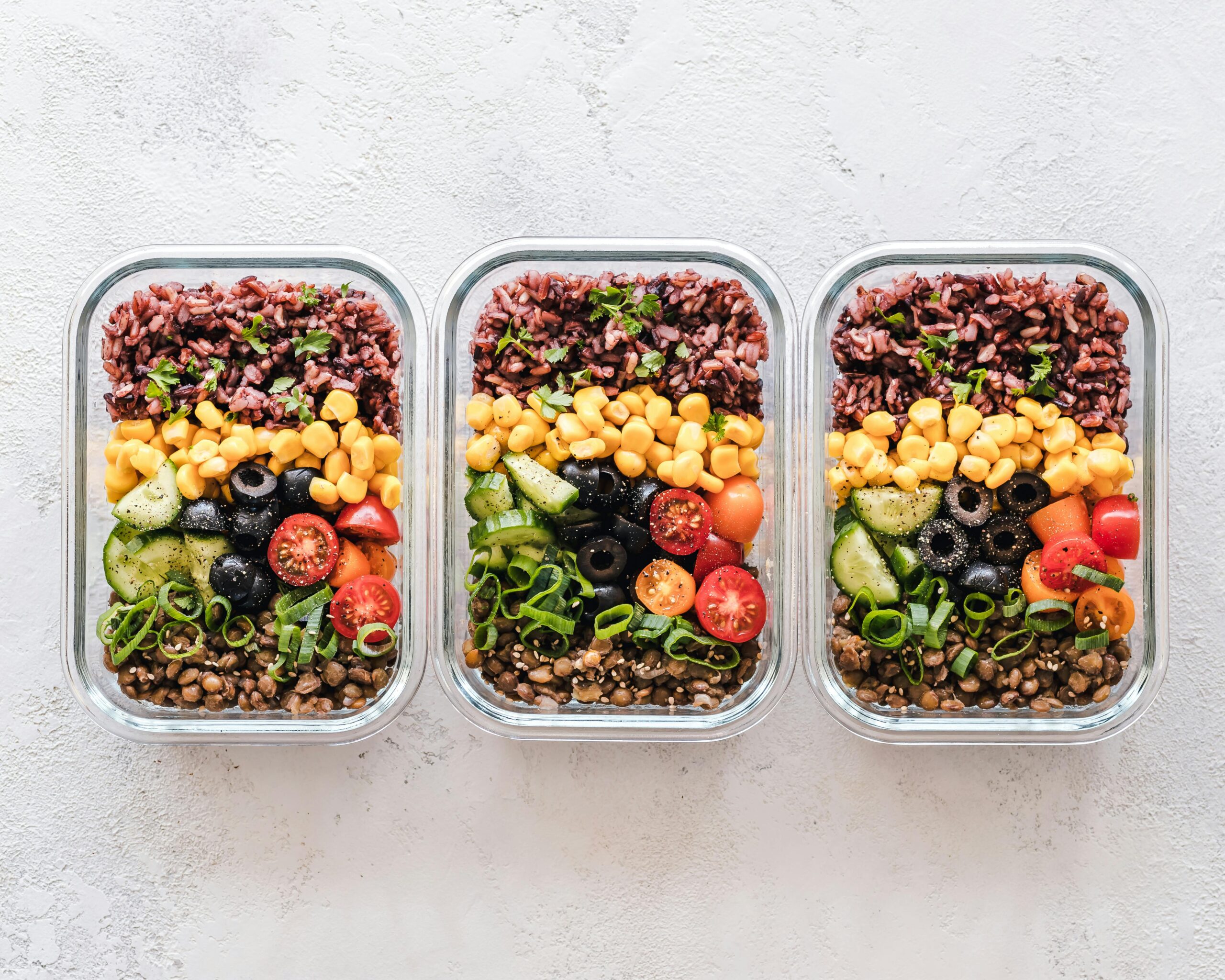
Buddha bowls, burrito bowls, and grain bowls transport excellently when components are packed strategically. Keep wet sauces separate in small containers until eating time. Include a grain base, protein source, roasted or raw vegetables, and a flavorful sauce.
These bowls taste equally good cold or reheated, giving you flexibility based on workplace kitchen access. Meal variety comes from rotating bases (rice, quinoa, pasta, greens) and toppings (various proteins, vegetables, and sauces).
Sandwich Innovation Beyond Basic
Sandwiches often become soggy disasters by lunchtime, but strategic construction prevents this. Pack wet ingredients like tomatoes, pickles, and sauces separately, adding them just before eating. Toast bread slightly before assembly to create a moisture barrier.
Alternative wraps using lettuce leaves, nori sheets, or collard greens eliminate bread sogginess entirely while reducing carbs. These wraps stay crisp and fresh for hours when wrapped tightly in parchment or beeswax wrap.
Dinner Solutions for Late Commuters 🌆
For commuters facing long evening journeys, having dinner ready prevents the exhausted grab-whatever-is-easiest trap that derails healthy eating.
Slow cooker or instant pot meals prepared in the morning and kept warm transform your arrival home. Alternatively, pack a portable dinner to eat during your commute home, freeing your evening for relaxation rather than cooking.
Cold dinner options work surprisingly well. Mediterranean mezze plates with hummus, vegetables, olives, and pita, or Asian-inspired cold noodle bowls provide satisfying meals without reheating requirements.
Snack Strategy: Avoiding the Vending Machine Trap 🥜
Snacks bridge the gap between meals and prevent energy crashes that lead to poor food choices. Portable snacks need to be non-perishable, mess-free, and genuinely satisfying.
Protein-based snacks provide lasting energy. Options include jerky, roasted chickpeas, nut butter packets with apple slices, cheese sticks paired with whole grain crackers, and protein bars with minimal added sugars.
Energy balls made from dates, nuts, oats, and seeds pack easily and taste like treats while providing genuine nutrition. Make large batches, freeze extras, and grab a few each morning.
Apps and Digital Tools for Meal Prep Success 📱
Technology streamlines meal planning, grocery shopping, and prep organization. Several apps specifically help commuters manage portable meal preparation.
Meal planning apps generate shopping lists from selected recipes, reducing planning time significantly. Look for apps that allow customization for dietary preferences and automatically scale recipes for batch cooking.
Recipe apps with filtering options help find meals specifically suited for portability. Search for terms like “make-ahead,” “travel-friendly,” or “no-reheat-needed” to discover commuter-appropriate recipes.
Grocery delivery apps save precious time by bringing ingredients to your door, eliminating a separate shopping trip from your already busy schedule. Schedule deliveries for your prep day so everything arrives fresh when you need it.
Food Safety Fundamentals for Mobile Meals 🌡️
Portable meals require extra attention to food safety since they spend time outside refrigeration. Understanding safe practices prevents foodborne illness.
The danger zone for bacterial growth falls between 40°F and 140°F. Keep cold foods cold (below 40°F) and hot foods hot (above 140°F). If your commute exceeds two hours without temperature control, avoid high-risk foods like dairy, eggs, and meat.
When in doubt, choose meals that taste good at room temperature rather than those requiring specific temperatures. Mediterranean, Asian, and plant-based meals often fit this category naturally.
Invest in a food thermometer to verify insulated container performance. Test how long foods stay in safe temperature ranges with your specific equipment before relying on them during actual commutes.
Weekly Meal Prep Blueprint for Commuters 📋
Having a systematic approach transforms meal prep from overwhelming to manageable. This blueprint adapts to individual schedules and preferences.
Saturday: Plan your menu for the week, considering your schedule, weather, and variety. Check your pantry and create a detailed shopping list.
Sunday: Shop for ingredients (or have them delivered), then dedicate 2-3 hours to batch cooking. Focus on versatile base components rather than fully assembled meals for maximum flexibility.
Monday through Thursday evenings: Spend 10 minutes assembling tomorrow’s meals from prepped components. This quick assembly keeps food fresh while minimizing morning rush stress.
Friday: Evaluate what worked and what didn’t, adjusting next week’s plan accordingly. Use remaining ingredients creatively to minimize waste.
Budget-Friendly Portable Meal Strategies 💰
Meal prep saves money compared to buying meals out, but costs can still add up. Strategic shopping and ingredient selection maximize savings.
Buy proteins on sale and freeze them immediately. When chicken breasts or ground turkey go on sale, purchase multiple packages, portion them, and freeze for future prep sessions.
Seasonal produce costs less and tastes better. Build your meal plan around what’s currently abundant and affordable rather than fighting the calendar.
Bulk buying works for shelf-stable items like grains, beans, nuts, and spices. Calculate per-serving costs to identify genuine savings versus false economy of large packages that spoil before use.
Overcoming Common Portable Meal Prep Obstacles 🚧
Even with the best intentions, obstacles arise. Anticipating common challenges and having solutions ready ensures consistency.
When you’re too tired to prep, having a backup plan prevents total derailment. Keep your freezer stocked with emergency meals—soups, burrito bowls, or prepared ingredients that require minimal assembly.
Flavor fatigue happens when eating the same meals repeatedly. Combat this by changing sauces and seasonings rather than cooking entirely different bases. The same grilled chicken tastes completely different with teriyaki sauce versus curry versus Italian herbs.
Limited kitchen access at work requires meals that taste good cold or can be eaten at room temperature. Focus on meal categories that naturally fit these constraints rather than trying to force hot meals into incompatible situations.
Transforming Your Commute Into Self-Care Time 🌟
Portable meal prep represents more than just food logistics—it’s an investment in your health, energy, and quality of life. Each meal you prepare in advance is a gift to your future self, reducing stress and improving nutrition simultaneously.
Start small rather than attempting perfection immediately. Prep just breakfasts for the first week, then add lunches once that feels manageable. Gradually building habits creates sustainable change rather than overwhelming yourself into quitting.
Remember that even imperfect meal prep beats no meal prep. A simple sandwich you made at home provides better nutrition and costs less than fast food purchased in desperation. Progress, not perfection, should be your guiding principle.
Your commute time doesn’t have to be wasted hours—it can become an opportunity to nourish yourself properly while saving money and reducing stress. With these portable meal prep strategies, you’ll transform from a harried commuter to someone who has this crucial aspect of life completely under control. Your body, wallet, and peace of mind will thank you.