Meal prepping on the go has transformed how busy professionals, travelers, and health-conscious individuals maintain their nutrition goals. This comprehensive guide will equip you with everything needed to master portable meal preparation and enjoy fresh, delicious food wherever life takes you.

Whether you’re commuting to work, traveling across the country, or simply running errands throughout the day, having access to nutritious homemade meals can save money, improve your health, and eliminate the stress of finding quality food options. The secret lies in proper planning, the right containers, and a strategic approach to packing and storing your meals.
🎯 Why Portable Meal Prep Changes Everything
The modern lifestyle demands flexibility without compromising nutrition. Traditional meal prep often assumes you’ll have access to refrigeration and reheating facilities, but real life doesn’t always cooperate. Airport delays, long commutes, outdoor activities, and unpredictable schedules require a more adaptable approach.
Portable meal prepping addresses these challenges head-on. It allows you to maintain dietary goals, avoid expensive restaurant meals, reduce food waste, and ensure you’re fueling your body with quality ingredients regardless of your location. Studies show that people who meal prep consistently consume more vegetables, less processed food, and maintain better portion control than those who rely on spontaneous food choices.
🧊 Essential Container Types for Every Situation
Your container selection can make or break your portable meal prep success. Different situations call for different solutions, and understanding the strengths of each container type ensures your food stays fresh, secure, and appetizing.
Insulated Lunch Bags and Coolers
The foundation of portable meal prep starts with temperature control. Insulated lunch bags range from compact personal sizes to family-sized coolers. Look for bags with thick insulation, leak-proof linings, and multiple compartments. High-quality insulated bags can maintain cold temperatures for 4-6 hours without ice packs, and up to 12 hours with them.
For extended trips or hot climates, invest in a premium cooler with superior insulation technology. Brands specializing in outdoor gear often produce coolers that maintain ice for days, making them perfect for road trips, camping, or beach outings where fresh meals are essential.
Glass Storage Containers
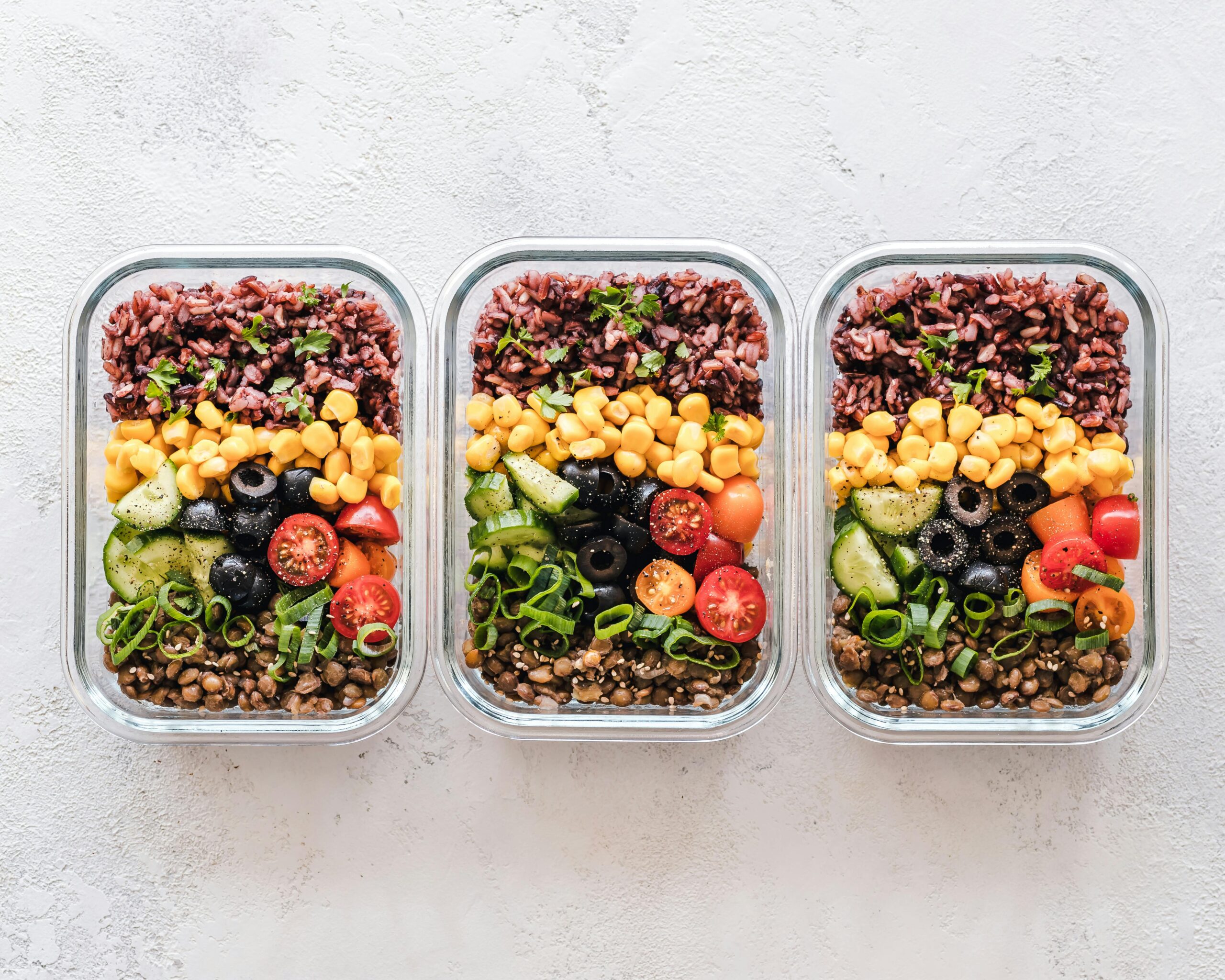
Glass containers offer unmatched versatility for meal prep enthusiasts. They’re microwave-safe, oven-safe (without lids), dishwasher-friendly, and don’t retain odors or stains. The transparency lets you quickly identify contents, and they’re environmentally friendly compared to disposable options.
The downside is weight and fragility. For truly portable situations, glass works best for car commutes or office settings where you’re not carrying containers long distances. Choose borosilicate glass for superior durability and thermal shock resistance.
Stainless Steel Containers
Stainless steel combines durability with lightweight construction. These containers are virtually indestructible, making them ideal for backpacks, gym bags, and travel scenarios. Many stainless steel options feature vacuum insulation, keeping hot foods hot and cold foods cold for hours without electricity.
Quality stainless steel containers are investment pieces that last years. They’re perfect for soups, stews, grain bowls, and any meal requiring temperature maintenance. The main limitation is that most aren’t microwave-safe, so plan accordingly.
BPA-Free Plastic Containers
Modern BPA-free plastic containers offer the best weight-to-durability ratio. They’re affordable, lightweight, and come in countless shapes and sizes. Look for containers specifically designed for meal prep with secure locking mechanisms and compartmentalized designs.
High-quality plastic containers are freezer-safe, microwave-safe (check manufacturer guidelines), and surprisingly durable. They’re the practical choice for everyday meal prep when you need multiple containers without breaking the bank.
📋 Your Ultimate Portable Meal Prep Checklist
Success in portable meal prepping requires more than just containers. This comprehensive checklist ensures you’re prepared for any situation, from quick lunch breaks to multi-day adventures.
Core Container Collection
- 3-4 main meal containers (16-32 oz capacity) with secure, leak-proof lids
- 2-3 smaller containers (4-8 oz) for snacks, nuts, or dressings
- 1-2 insulated thermos containers for hot soups or cold smoothies
- Divided containers for keeping food components separate until eating
- Wide-mouth jars for salads, overnight oats, or layered meals
Temperature Control Essentials
- Insulated lunch bag or cooler appropriate for your typical outings
- Reusable ice packs in various sizes (thin ones for tight spaces, larger for extended cooling)
- Insulated bottle for beverages (keeps drinks cold for 24 hours or hot for 12 hours)
- Thermal food jar for items requiring specific temperature maintenance
Eating Utensils and Accessories
- Reusable cutlery set (fork, spoon, knife) in a protective case
- Collapsible silicone bowl for versatile serving options
- Small cutting board for fresh preparation on the go
- Portable condiment containers for sauces, dressings, or seasonings
- Reusable napkins or cloth towels
- Bottle opener and can opener if needed
Food Safety and Freshness Tools
- Food thermometer to verify safe temperatures
- Small freezer gel packs that fit into tight spaces
- Aluminum foil or beeswax wraps for covering items
- Silicone bands or rubber bands to secure wrapped items
- Labels and permanent marker for dating prepared meals
Cleaning and Maintenance Supplies
- Small bottle of dish soap for washing containers away from home
- Compact scrub brush or sponge
- Microfiber towel for drying
- Hand sanitizer for pre-meal hygiene
- Wet wipes for quick cleanups
🥗 Strategic Food Selection for Portable Success
Not all foods travel equally well. Understanding which ingredients maintain quality, texture, and safety during transport is crucial for enjoyable meals anywhere.
Travel-Friendly Proteins
Hard-boiled eggs remain stable at room temperature for up to two hours and stay fresh in coolers for days. Grilled chicken, turkey, or beef maintain texture better than delicate fish. Plant-based proteins like chickpeas, lentils, and firm tofu are incredibly portable and don’t require strict temperature control like animal proteins.
Pre-cooked sausages, salami, and cured meats offer convenience but watch sodium content. Nut butters provide protein-rich options that need no refrigeration and pair perfectly with fruits or whole-grain crackers.
Sturdy Vegetables and Fruits
Carrots, celery, bell peppers, and snap peas maintain crispness for hours without refrigeration. Cherry tomatoes, cucumber slices, and broccoli florets travel well when kept cool. Avoid lettuce-heavy salads that wilt quickly; instead, opt for heartier greens like kale or cabbage that withstand longer storage.
Apples, oranges, bananas, and grapes are fruit superstars for portable eating. Berries need more careful packing but reward you with nutrient density. Pre-cut fruit should stay chilled, while whole fruits handle room temperature admirably.
Grains and Starches That Hold Up
Quinoa, brown rice, and pasta salads maintain texture better than delicate grains. These form excellent bases for complete meals when combined with proteins and vegetables. Sweet potatoes and regular potatoes travel surprisingly well and can be eaten cold or reheated.
Whole-grain wraps and pita bread offer versatile vessels for portable meals without the sogginess risk of traditional sandwiches. Keep wet ingredients separate until eating time to maintain optimal texture.
🎨 Meal Prep Assembly Strategies for Maximum Freshness
How you assemble portable meals significantly impacts their quality when eating time arrives. These strategies preserve texture, flavor, and visual appeal.
The Layering Technique
For jar salads and grain bowls, proper layering prevents sogginess. Start with dressing at the bottom, followed by hardy vegetables, grains or proteins, and delicate greens on top. When ready to eat, shake or stir to distribute the dressing. This method keeps ingredients fresh for 3-4 days.
Component Separation
Use divided containers or multiple small containers to keep foods separate until consumption. Store dressings, sauces, and wet ingredients in small containers with tight seals. This prevents soggy textures and allows customization of each meal.
Bento-style containers with multiple compartments excel at keeping diverse foods separate while maintaining portion control. They’re particularly effective for meals combining different textures and flavors.
Temperature Zone Management
Pack your cooler or lunch bag strategically. Place items needing coldest temperatures closest to ice packs. Room-temperature-safe items go in outer pockets. Frozen items can serve double duty as ice packs while gradually thawing to perfect eating temperature.
⏰ Time-Saving Batch Preparation Methods
Efficiency separates occasional meal preppers from masters. These batch cooking strategies minimize kitchen time while maximizing portable meal variety.
Dedicate 2-3 hours weekly to cooking proteins, grains, and chopping vegetables. Roast multiple types of vegetables simultaneously using different sheet pans. While they cook, prepare grains in a rice cooker or Instant Pot. Grill or bake several protein options at once.
Create a rotation of 4-5 favorite meal combinations to prevent boredom. Mexican bowls, Asian-inspired stir-fries, Mediterranean mezze plates, classic American combinations, and Indian-spiced options provide variety without requiring entirely different ingredients.
Prep ingredients on Sunday and Wednesday to maintain freshness throughout the week. Three-day-old meals taste better than week-old ones, and this schedule requires less time per session while ensuring better quality.
🚗 Situation-Specific Packing Guides
Office Commuters
For daily office commutes, focus on a reliable insulated lunch bag with 2-3 ice packs. Pack breakfast, lunch, and snacks in separate containers. Include backup non-perishable options like nuts or protein bars for unexpected late nights. If your office has a refrigerator, pack Monday’s meals at home and bring the week’s supply at once.
Road Trip Warriors
Road trips demand substantial cooler space and strategic planning. Freeze water bottles to serve as ice packs that become drinking water. Pack meals in order of consumption to avoid rummaging. Include easy-to-eat options requiring no utensils for while driving. Refill ice as needed at gas stations or grocery stores.
Outdoor Adventurers
Hiking, camping, or beach days require lightweight, energy-dense options. Trail mix, dried fruits, nut butter packets, and wraps pack efficiently. For day trips, insulated bags work perfectly. For overnight camping, upgrade to a quality cooler and focus on foods that handle temperature fluctuations.
Air Travelers
TSA regulations allow solid foods through security but restrict liquids over 3.4 ounces. Pack solid meals like sandwiches, wraps, cut vegetables, and fruits. Bring empty reusable water bottles to fill after security. Frozen items are allowed if completely frozen at checkpoint, offering creative packing opportunities.
🔬 Food Safety Fundamentals for Portable Meals
Food safety becomes critical when meals spend hours outside refrigeration. Understanding proper protocols prevents foodborne illness and ensures peace of mind.
The danger zone for bacterial growth exists between 40°F and 140°F. Perishable foods shouldn’t remain in this range for more than two hours (one hour if ambient temperature exceeds 90°F). Quality ice packs and insulated bags extend safe eating windows significantly.
Prepare and pack meals with clean hands and sanitized surfaces. Cool cooked foods quickly in the refrigerator before packing to minimize time in the danger zone. When reheating, ensure foods reach 165°F internal temperature.
Trust your senses. If food smells off, looks discolored, or has been unrefrigerated too long, discard it. The cost of replacement meals pales compared to food poisoning consequences.
💰 Budget-Conscious Portable Meal Prep
Portable meal prep saves money compared to restaurant meals, but initial investments and ongoing costs require smart management. Quality containers cost more upfront but last years, making them economical long-term investments.
Buy seasonal produce for maximum flavor at minimum cost. Purchase proteins in bulk when on sale and freeze portions. Dried beans, lentils, and grains offer exceptional nutrition per dollar. Planning meals around sales and seasonal availability dramatically reduces grocery expenses.
Calculate cost per meal for perspective. Homemade portable meals typically cost $3-6 each, compared to $10-15 for restaurant equivalents. Over a year, this represents savings of hundreds or thousands of dollars while providing superior nutrition.
🌱 Sustainable Practices for Eco-Conscious Preppers
Portable meal prep naturally reduces waste compared to takeout containers and packaging, but intentional choices amplify environmental benefits. Reusable containers eliminate single-use plastics. Cloth napkins, metal straws, and bamboo utensils replace disposable versions.
Choose whole foods over packaged products when possible. Shop farmers markets for package-free produce. Bring reusable bags and containers to bulk sections for grains, nuts, and dried goods.
Compost food scraps if facilities allow. Plan portions carefully to minimize waste. Use leftovers creatively in subsequent meals rather than discarding them.
📱 Technology Tools to Streamline Your System
Modern apps and digital tools transform meal prep from overwhelming to organized. Recipe managers store favorite portable meal ideas with ingredient lists and instructions. Calendar apps schedule prep sessions and track meal rotation.
Grocery list apps sync across devices, letting you add items as you think of them throughout the week. Some even organize lists by store section for efficient shopping. Nutrition tracking apps help ensure balanced macros and adequate calorie intake when preparing all meals at home.
🎯 Troubleshooting Common Portable Meal Prep Challenges
Even experienced preppers encounter obstacles. Soggy sandwiches plague many beginners. Solution: pack wet ingredients separately or use barriers like lettuce leaves between bread and moist fillings. Toast bread slightly for added moisture resistance.
Flavor fatigue sets in when eating similar meals repeatedly. Combat this with varied seasonings, different sauces, and rotating international flavor profiles. The same chicken and rice transforms with Mexican, Asian, or Mediterranean spices.
Container leaks create messy disasters. Invest in quality containers with silicone seals and locking mechanisms. Test new containers at home before trusting them in bags. Transport liquids in upright positions secured with towels.
🚀 Advancing Your Portable Meal Prep Mastery
Mastering portable meal prep transforms from task to lifestyle. As skills develop, efficiency increases and meals become more creative. You’ll develop intuition for which foods travel well, how much ice pack capacity different situations require, and which containers suit specific meals best.
The confidence gained from knowing you have nutritious, delicious food available anywhere eliminates stress and decision fatigue. You’re no longer at the mercy of available restaurants, airport food courts, or convenience stores. Your health, budget, and peace of mind all benefit from this powerful skill.
Start simple with just a few containers and basic meals. As comfort grows, expand your container collection, experiment with new recipes, and refine your system. The investment in time, equipment, and learning pays dividends in daily quality of life, making portable meal prep one of the most valuable skills for modern living.