In today’s fast-paced world, finding time to prepare nutritious meals can feel impossible. Between work deadlines, family commitments, and daily errands, eating well often takes a backseat to convenience.

But what if you could enjoy delicious, homemade meals that are both budget-friendly and perfectly portable? The secret lies in smart meal planning, simple recipes, and a bit of preparation. Whether you’re a student, a busy professional, or a parent juggling multiple responsibilities, having go-to portable meals can transform your daily routine while keeping your wallet happy.
🍱 Why Portable Meals Are Essential for Modern Living
The average person spends nearly $3,000 annually on dining out and takeaway meals. While convenient, this habit drains your budget and often means compromising on nutrition. Portable homemade meals offer a practical alternative that saves money, supports healthier eating habits, and gives you complete control over ingredients.
Preparing meals ahead of time eliminates the stress of last-minute food decisions. You’ll avoid the expensive coffee shop pastries, overpriced salads, and greasy fast food that become tempting when hunger strikes. Instead, you’ll have ready-to-eat options that taste better and cost a fraction of the price.
Essential Equipment for Budget-Friendly Meal Prep
Before diving into recipes, investing in a few basic tools will make portable meal preparation infinitely easier. You don’t need expensive gadgets—just practical containers and simple kitchen essentials.
Smart Container Choices 📦
Quality food storage containers are the foundation of successful meal prep. Look for leak-proof options with secure lids, preferably glass or BPA-free plastic. Mason jars work beautifully for layered salads, overnight oats, and soups. Bento-style boxes with compartments keep different foods separated and fresh.
Reusable silicone bags are excellent for sandwiches, cut vegetables, and snacks. They’re eco-friendly, dishwasher-safe, and far more economical than disposable plastic bags in the long run. Insulated lunch bags help maintain proper food temperatures, keeping cold items chilled and warm foods hot until mealtime.
Budget-Friendly Breakfast Options That Travel Well
Breakfast sets the tone for your entire day, yet it’s often the meal we skip or grab hastily. These portable breakfast ideas cost pennies per serving and provide sustained energy throughout your morning.
Overnight Oats: The Ultimate Customizable Breakfast 🥣
Overnight oats require minimal effort and endless variety. The basic formula is simple: combine rolled oats with milk or yogurt, add your favorite toppings, refrigerate overnight, and grab on your way out the door.
A basic recipe costs less than $1 per serving. Mix half a cup of oats with half a cup of milk, a tablespoon of chia seeds, and a drizzle of honey. Top with sliced bananas, berries, nuts, or a spoonful of peanut butter. Prepare five jars on Sunday evening, and you’ve got breakfast sorted for the workweek.
Egg Muffins: Protein-Packed Portability
Egg muffins are essentially mini frittatas baked in a muffin tin. They’re incredibly versatile, freezer-friendly, and perfect for eating on the go. Whisk together eggs with your choice of vegetables, cheese, and cooked meat if desired. Pour into greased muffin cups and bake at 350°F for 20-25 minutes.
A dozen egg muffins costs approximately $4-5 to make, depending on your add-ins. They stay fresh in the refrigerator for up to five days or can be frozen for up to three months. Simply reheat one or two muffins in the microwave for a quick, satisfying breakfast.
Lunch Ideas That Won’t Break the Bank 💰
Lunch is where dining out costs really add up. A typical restaurant lunch runs $10-15, but homemade portable lunches average $2-4 per meal with better nutrition and taste.
Mason Jar Salads That Stay Fresh
The key to crisp, delicious salads is proper layering. Start with dressing at the bottom, followed by hearty vegetables like cucumbers and carrots, then proteins like chickpeas or grilled chicken, grains such as quinoa, and finally leafy greens at the top. When ready to eat, shake the jar to distribute the dressing.
This method keeps ingredients separated until mealtime, preventing soggy lettuce. A Mediterranean-style salad with chickpeas, cucumber, tomatoes, feta, and lemon-tahini dressing costs about $3 per jar and provides a complete, balanced meal.
Wrap and Roll Solutions 🌯
Wraps are endlessly customizable and hold up well for several hours. Use whole wheat tortillas, lavash bread, or even large lettuce leaves as your base. Fill with hummus, sliced vegetables, lean proteins, and a sprinkle of cheese.
A turkey and veggie wrap costs approximately $2.50 to make at home compared to $8-10 at a café. Prepare the fillings ahead of time, but assemble wraps the morning you’ll eat them to maintain the best texture. Wrap tightly in foil or parchment paper for easy eating.
Grain Bowl Combinations
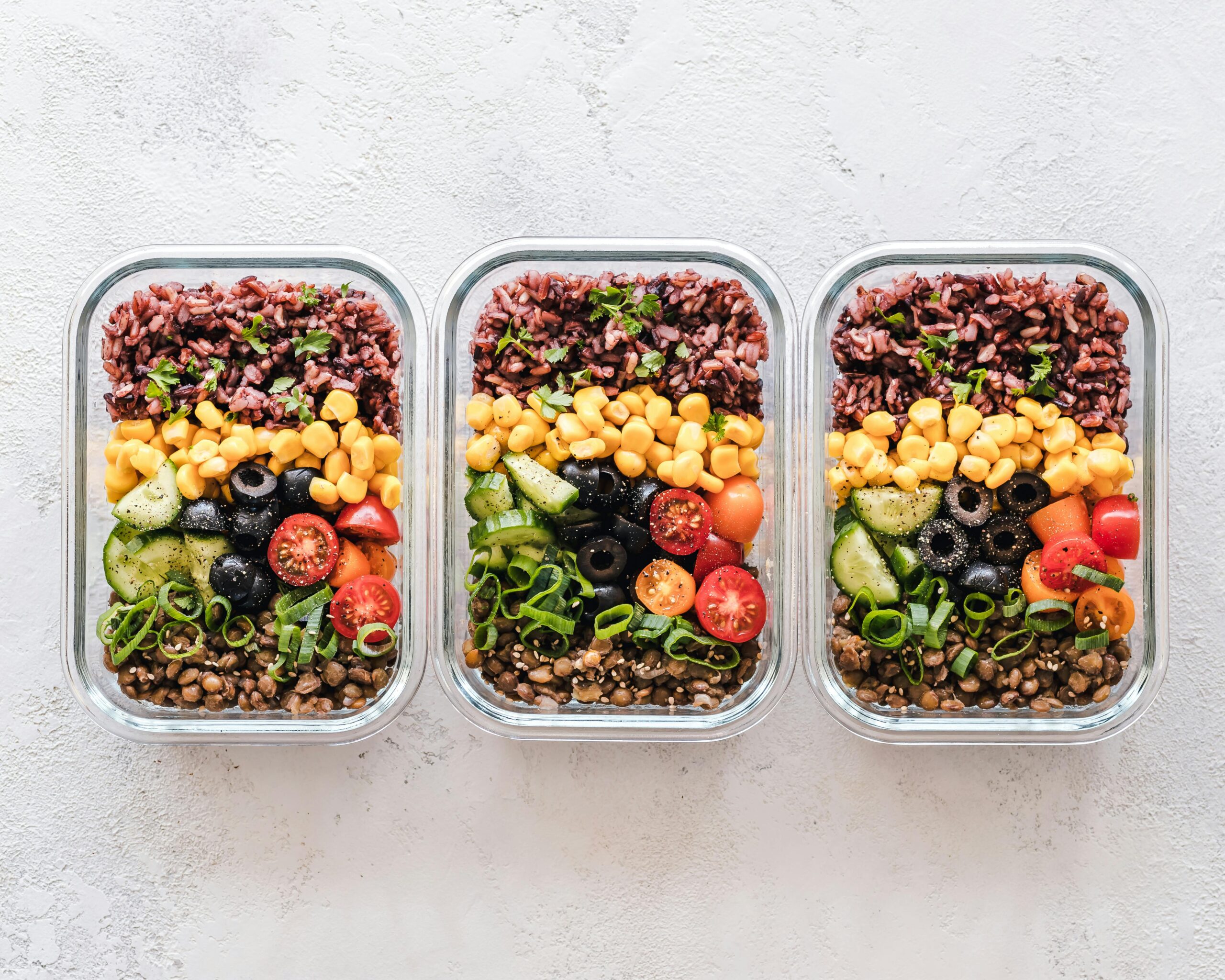
Grain bowls offer incredible variety and excellent nutritional value. Cook a large batch of brown rice, quinoa, or farro at the beginning of the week. Divide into containers and top with roasted vegetables, a protein source, and your favorite sauce or dressing.
The beauty of grain bowls lies in their flexibility. Use whatever vegetables are on sale, leftover proteins from dinner, and simple homemade dressings. A typical grain bowl costs $3-4 and provides a filling, balanced meal that reheats beautifully.
Snacks That Satisfy Without the Premium Price Tag
Strategic snacking prevents energy crashes and helps you avoid expensive convenience store purchases. These portable snacks cost cents per serving and provide genuine nutrition.
DIY Trail Mix and Energy Bites
Store-bought trail mix often contains $12-15 per pound, but making your own costs half that amount. Combine nuts, seeds, dried fruit, and a few chocolate chips for a satisfying mix. Store in small reusable containers or silicone bags for grab-and-go convenience.
Energy bites require no baking and take minutes to prepare. Mix oats, nut butter, honey, and add-ins like chocolate chips or coconut. Roll into balls and refrigerate. Each batch makes 15-20 bites at about 25 cents each—a fraction of commercial energy bars.
Veggie Sticks with Homemade Dips 🥕
Pre-cut vegetables with portioned dips make healthy snacking effortless. Carrots, celery, bell peppers, and cucumber slices pair perfectly with homemade hummus, Greek yogurt dip, or guacamole. Preparing vegetables once weekly saves time and ensures you always have healthy options available.
Dinner Solutions for Evening Activities
Sometimes dinner needs to happen between work and evening commitments. These portable dinner options travel well and taste delicious at room temperature or slightly chilled.
Pasta Salad Variations 🍝
Cold pasta salads are satisfying, budget-friendly, and easily customized. Cook a pound of pasta (whole wheat holds up better), toss with olive oil, vegetables, protein, and a simple vinaigrette. This makes 4-6 servings at approximately $2 each.
Try a Mediterranean version with tomatoes, olives, feta, and cucumber. Or create an Asian-inspired variation with edamame, shredded carrots, sesame oil, and soy sauce. Pasta salad keeps well for 3-4 days in the refrigerator.
Hearty Soup in a Thermos
A quality thermos keeps soup hot for hours, making it perfect for portable dinners. Batch-cook soup on weekends and portion into containers for the week ahead. Lentil soup, vegetable minestrone, and chicken noodle soup all cost $1-2 per serving when homemade.
Pair soup with crackers, bread, or a small side salad for a complete meal. Soup is particularly economical because you can use whatever vegetables need using, dried legumes, and inexpensive cuts of meat or no meat at all.
Smart Shopping Strategies for Budget Meal Prep 🛒
How you shop impacts your meal prep budget as much as what you cook. These strategies maximize your grocery dollars while ensuring you have quality ingredients.
Buying in Bulk and Seasonal Shopping
Purchasing staples like oats, rice, beans, nuts, and spices in bulk significantly reduces costs. A pound of rolled oats from bulk bins costs half what packaged oats cost. Store bulk items in airtight containers to maintain freshness.
Seasonal produce offers the best prices and flavor. Summer brings affordable berries, tomatoes, and zucchini. Fall features inexpensive squash, apples, and root vegetables. Winter offers great deals on citrus and hearty greens. Shopping seasonally naturally varies your meals throughout the year.
Utilizing Grocery Apps and Planning Tools
Modern technology makes budget shopping easier than ever. Grocery store apps show weekly sales and digital coupons. Price comparison apps help you find the best deals across multiple stores.
Meal planning apps streamline the entire process from planning to shopping. They generate shopping lists based on your meal selections, help track what’s in your pantry, and suggest recipes using ingredients you already have. This reduces food waste and impulse purchases.
Food Safety for Portable Meals 🌡️
Proper food handling ensures your portable meals stay safe and delicious. Following basic guidelines prevents foodborne illness and maintains food quality.
Keep cold foods cold and hot foods hot. Perishable items shouldn’t sit at room temperature for more than two hours. Use ice packs in insulated bags for foods that need refrigeration. If reheating isn’t available, choose meals that taste good at room temperature or slightly chilled.
Label containers with preparation dates. Most cooked foods stay fresh for 3-4 days in the refrigerator. Freezing extends shelf life considerably—most prepared meals last 2-3 months frozen. Rotate your meals to use older items first.
Time-Saving Meal Prep Techniques
Efficient meal prep doesn’t require spending entire Sundays in the kitchen. These strategies maximize results while minimizing time investment.
Batch Cooking Core Ingredients
Instead of preparing complete meals, cook versatile base ingredients that combine in different ways. Roast several sheet pans of vegetables, grill chicken breasts, cook grains, and hard-boil eggs. These components mix and match throughout the week in salads, bowls, wraps, and more.
This approach offers more variety than eating identical meals daily. Monday’s roasted vegetables might top a grain bowl, Wednesday they fill a wrap, and Friday they accompany eggs at breakfast.
The Power of Repurposing Leftovers ♻️
Transform dinner leftovers into next day’s lunch. Roasted chicken becomes chicken salad or wrap filling. Extra rice turns into fried rice or stuffed peppers. Cooked vegetables blend into soup or pasta sauce. This eliminates food waste and reduces cooking time.
Creating Your Personal Meal Rotation
Developing a rotation of reliable recipes prevents decision fatigue and streamlines shopping. Start with 5-7 breakfast options, 10-12 lunch ideas, and a handful of portable dinner solutions.
Mix and match these recipes throughout the month. You’ll rarely eat the same combination within a short period, yet you’re working with familiar recipes and ingredients. This balance provides variety without constant recipe hunting.
Track which meals you enjoy most and which fit your schedule best. Some recipes naturally work better for your lifestyle than others. Your personal rotation should reflect your taste preferences, dietary needs, and time constraints.
Making Portable Meals Work Long-Term 🎯
The key to sustaining budget-friendly portable meals is finding a system that fits your life. Perfectionism derails more meal prep efforts than any other factor. Some weeks you’ll prepare elaborate meals; other weeks, simple sandwiches and fruit suffice—both are victories over expensive takeout.
Start small if meal prep feels overwhelming. Begin with just breakfast or pack lunch three days instead of five. Gradually expand as you develop routines and discover what works for you. Small consistent efforts create lasting habits more effectively than ambitious plans that quickly burn you out.
Calculate your savings monthly to stay motivated. When you see hundreds of dollars remaining in your account instead of spent on restaurant meals, the effort feels worthwhile. Those savings can fund other goals—building emergency savings, paying down debt, or enjoying special experiences.
Embracing Flexibility and Imperfection
Life happens, and even the best meal prep plans sometimes fall apart. A unexpectedly busy week, illness, or simple lack of motivation can derail your routine. Rather than abandoning the entire approach, keep simple backup options available.
Stock your freezer with homemade meals prepared during productive weeks. Keep pantry staples for quick assembly meals like pasta with jarred sauce or peanut butter sandwiches. These aren’t ideal, but they’re infinitely better than expensive, less healthy alternatives.
Remember that portable meal prep is a tool, not a rigid requirement. Some days you’ll choose to eat out, and that’s perfectly fine. The goal isn’t perfection—it’s creating a sustainable approach that generally serves your budget, health, and lifestyle well.
With these strategies, recipes, and mindset shifts, delicious and affordable portable meals become part of your routine rather than an overwhelming challenge. You’ll save money, eat better, and reclaim time previously spent deciding what to eat or waiting in line. The small effort invested in preparation pays dividends in reduced stress, improved nutrition, and financial freedom—benefits that extend far beyond mealtime itself.