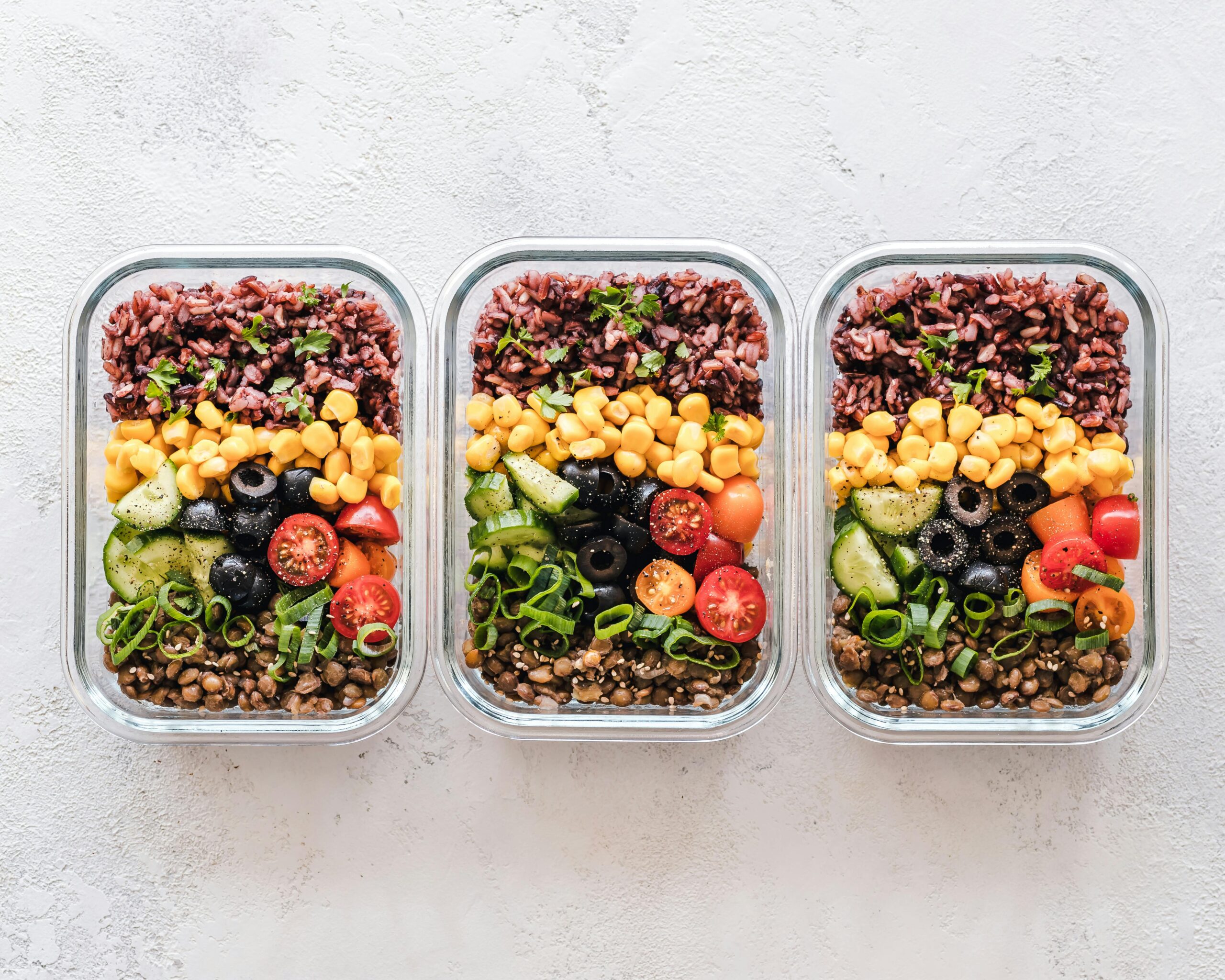
Modern life moves fast, and finding time to prepare nutritious, portable meals can feel overwhelming. This guide transforms meal prep from a chore into an effortless routine with simple recipes designed for busy lifestyles.

Whether you’re commuting to work, heading to the gym, traveling for business, or simply juggling multiple responsibilities, having ready-to-go meals makes all the difference. The secret isn’t complicated recipes or exotic ingredients—it’s about smart planning, minimal components, and maximum flavor. Let’s explore how to master portable meal prep without spending hours in the kitchen or breaking the bank on specialized containers and ingredients.
🎯 Why Portable Meal Prep Changes Everything
The benefits of preparing portable meals extend far beyond convenience. When you pack your own food, you control exactly what goes into your body, eliminating hidden sugars, excess sodium, and mystery ingredients found in many restaurant and convenience store options.
Financial savings add up quickly. The average person spends between $10-$15 per meal when eating out, while homemade portable meals typically cost $3-$5. Over a month, that’s potentially hundreds of dollars saved. You’ll also reduce food waste by using ingredients efficiently across multiple meals.
Time management improves dramatically. Instead of standing in lunch lines or driving through traffic to grab food, you simply reach for your prepared meal. Those saved minutes accumulate into hours each week—time you can reinvest in activities you actually enjoy.
🛠️ Essential Tools for Effortless Meal Prep
You don’t need a kitchen full of gadgets to succeed at portable meal prep. A few key items make the process smooth and sustainable.
Invest in quality containers with secure lids. Glass containers work beautifully for reheating, while BPA-free plastic options offer lightweight portability. Look for compartmentalized containers that keep different foods separated, preventing soggy textures and flavor mixing.
A reliable insulated bag or lunchbox maintains food temperature and safety. Choose one with enough capacity for your typical daily needs plus an ice pack or two. Many modern options include built-in sections for utensils and napkins.
In your kitchen, a sharp knife, cutting board, and a few basic pots and pans are sufficient. If you want to level up, consider a rice cooker or instant pot for hands-off cooking, and a food scale for precise portioning if you’re tracking nutrition goals.
🥗 The Minimal Ingredients Philosophy
The foundation of effortless meal prep is working with versatile, minimal ingredients that appear across multiple recipes. This approach simplifies shopping, reduces waste, and makes cooking intuitive rather than stressful.
Build your pantry around staples with long shelf lives: rice, quinoa, pasta, canned beans, olive oil, and basic spices. In your refrigerator, keep proteins like eggs, chicken breast, and Greek yogurt alongside vegetables that last—carrots, bell peppers, cabbage, and onions.
Each ingredient should serve multiple purposes. Chicken can become salad protein, wrap filling, or grain bowl topping. Bell peppers work raw in snacks, roasted in bowls, or sautéed in scrambles. This versatility means you’re essentially learning a system rather than memorizing dozens of separate recipes.
⚡ Quick-Prep Protein Options
Protein forms the cornerstone of satisfying portable meals, and several options require minimal preparation while delivering maximum nutrition.
Hard-boiled eggs are perhaps the ultimate convenience protein. Boil a dozen at the start of your week, and you have instant protein for six days. Eat them plain with salt and pepper, slice them into salads, or mash them with Greek yogurt for a simple egg salad.
Rotisserie chicken from the grocery store eliminates cooking time entirely. Shred the meat for multiple meals, using it in wraps, over greens, mixed with grains, or alongside roasted vegetables. The whole chicken costs less than buying separate chicken breasts and saves significant time.
Canned tuna and salmon offer shelf-stable protein that transforms into meals in seconds. Mix with avocado or Greek yogurt instead of mayonnaise for a healthier binder, then enjoy on crackers, in lettuce wraps, or over cucumber slices.
Plant-Based Protein Shortcuts
Plant-based eaters have equally convenient options. Canned chickpeas and black beans require only draining and rinsing before they’re ready. Roast chickpeas with spices for a crunchy snack, or mash them into a quick sandwich spread.
Pre-cooked lentils are now widely available in pouches and cook in just two minutes. They’re perfect over greens, mixed into grain bowls, or combined with vegetables for a hearty portable lunch.
Edamame, whether fresh or frozen, needs only a quick steam or microwave session. Pack them with sea salt for a protein-rich snack, or add them to any grain-based meal for texture and nutrition.
🍚 Grain and Base Foundations
The base of your portable meal provides sustaining energy and makes everything more satisfying. These options are forgiving, batch-cook beautifully, and stay fresh for days.
Brown rice might seem basic, but it’s incredibly reliable. Cook a large batch on Sunday, and it remains fresh in the refrigerator for five days. Use it under stir-fries, mixed with beans, as a salad base, or combined with eggs for fried rice.
Quinoa cooks in just 15 minutes and offers complete protein along with a pleasant, fluffy texture. It works in both savory and slightly sweet applications, pairing well with virtually any vegetable or protein combination.
Pasta salads travel exceptionally well and taste great cold or at room temperature. Choose pasta shapes with nooks and crannies that catch dressing and small ingredients—rotini, penne, or fusilli work perfectly.
Alternative Bases for Variety
Sweet potatoes require only washing and baking, then they’re ready for the week. The natural sweetness pairs beautifully with savory proteins and spicy seasonings. They can be eaten hot, cold, or room temperature without losing appeal.
Cauliflower rice provides a low-carb alternative that’s now available pre-riced in most grocery stores. It takes just minutes to cook and absorbs flavors wonderfully, making it an excellent canvas for bold seasonings.
Whole grain wraps or pitas offer portable vessels that don’t require containers at all. Fill them just before leaving, wrap in foil or parchment, and you have a completely self-contained meal.
🥙 Five Simple Recipe Formulas
Rather than following rigid recipes, master these flexible formulas that adapt to whatever ingredients you have available.
Formula 1: The Power Bowl
Start with one cup of grain base, add one serving of protein, pile on 1-2 cups of raw or roasted vegetables, and finish with a simple dressing. This formula never gets boring because the combinations are endless.
Try brown rice + grilled chicken + roasted broccoli and bell peppers + tahini-lemon dressing. Or quinoa + chickpeas + cucumber and tomatoes + olive oil and herbs. The structure remains identical while flavors vary completely.
Formula 2: The Mason Jar Salad
Layer ingredients in a wide-mouth mason jar starting with dressing at the bottom, then hearty vegetables, grains or proteins, and delicate greens at the top. When ready to eat, shake and pour into a bowl—or eat directly from the jar.
This method keeps everything fresh and crisp. Try balsamic vinaigrette + cherry tomatoes + mozzarella + cooked pasta + arugula. The reversed layering prevents sogginess completely.
Formula 3: The Wrap or Sandwich
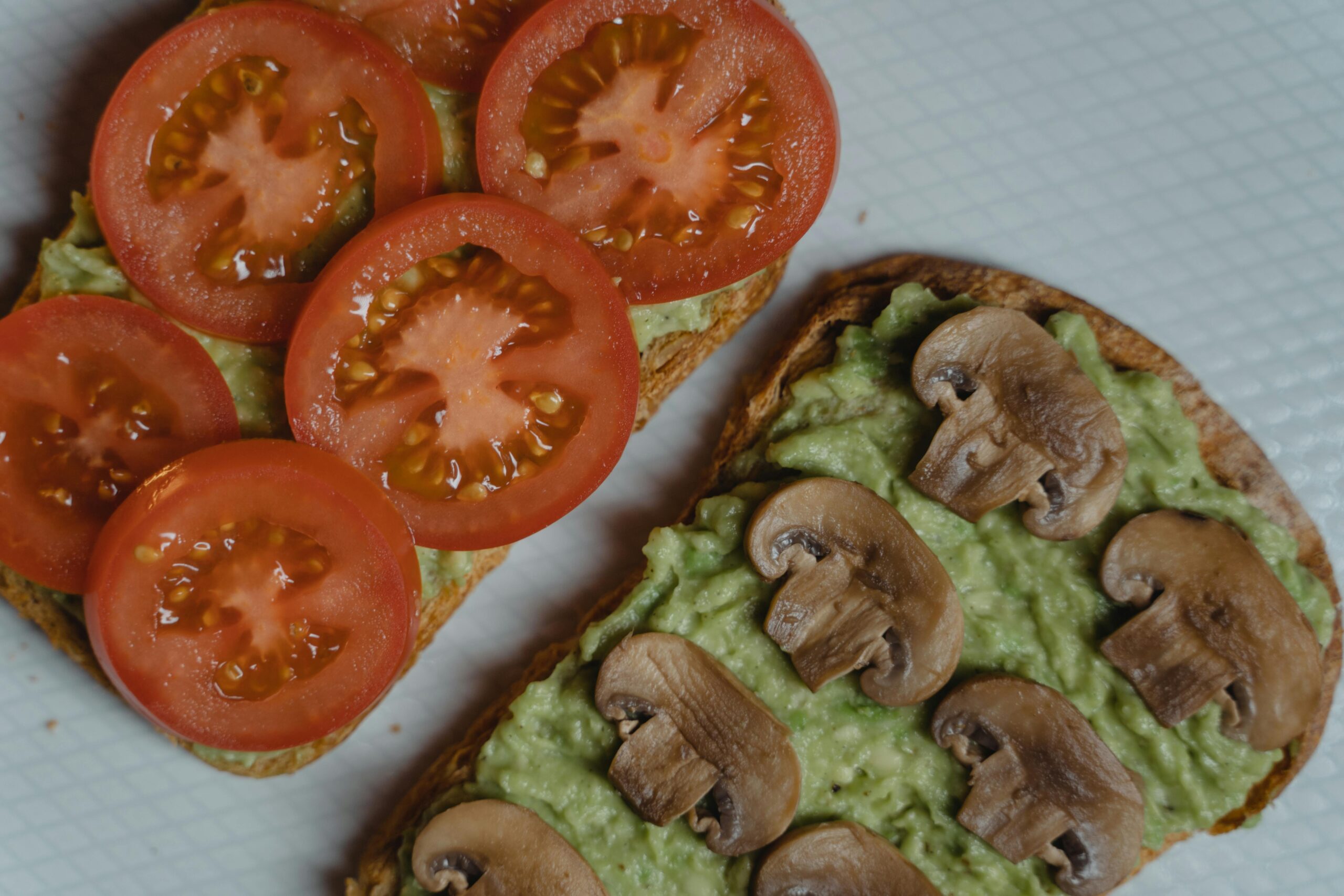
Choose your bread vehicle, spread with a flavorful base (hummus, mustard, or mashed avocado), layer protein and vegetables, and wrap tightly. Simple, portable, and endlessly customizable.
A whole wheat wrap + hummus + turkey + shredded carrots + spinach takes five minutes to assemble and travels beautifully. Make it the night before and grab it on your way out.
Formula 4: The Snack Box
Combine protein, whole grain, fruit, vegetable, and healthy fat in a compartmentalized container. This approach works perfectly for lighter appetites or as substantial snacks between meals.
Pack hard-boiled eggs + whole grain crackers + apple slices + baby carrots + almonds. Each component offers different nutrients and flavors, keeping your palate interested and your energy stable.
Formula 5: The One-Pot Wonder
Soups, stews, and chilis transport beautifully in insulated containers and taste even better the next day as flavors meld. Make a large batch and portion it into individual servings.
A simple chicken and vegetable soup with beans needs only one pot, 30 minutes, and basic seasoning. It’s nutritious, warming, and requires minimal ingredients while providing multiple servings.
🌟 Smart Seasoning Strategies
The difference between bland meal prep and delicious portable meals often comes down to proper seasoning. You don’t need a cabinet full of exotic spices—just use what you have strategically.
Salt and pepper remain fundamental, but adding just one or two more elements transforms everything. Garlic powder, paprika, cumin, Italian seasoning, and chili powder cover an impressive range of flavor profiles.
Fresh herbs make ordinary ingredients extraordinary. A handful of cilantro, parsley, or basil added just before eating brightens flavors dramatically. These herbs stay fresh for a week when stored properly in the refrigerator.
Acid provides the missing element in many home-cooked meals. A squeeze of lemon or lime, a splash of vinegar, or a spoonful of salsa adds brightness that makes portable meals taste restaurant-quality.
📅 Practical Weekly Prep Schedule
The key to sustainable meal prep is creating a realistic routine that fits your actual lifestyle. Most people find success with one or two prep sessions per week.
Sunday afternoon works well for many people. Spend 1-2 hours cooking grains, roasting vegetables, preparing proteins, and portioning everything into containers. This upfront investment gives you grab-and-go meals for at least four days.
A mid-week mini-prep on Wednesday evening refreshes your options and prevents burnout from eating the same meals repeatedly. This session typically takes just 30-45 minutes since you’re building on existing components.
Morning assembly is another approach that works if you prefer fresher meals. Prepare all components ahead, then spend five minutes each morning combining them. This method requires more daily time but less bulk cooking.
🧊 Storage and Food Safety Essentials
Proper storage ensures your portable meals remain safe and delicious throughout the week. Following basic food safety principles protects your health and prevents waste.
Cool cooked food quickly before refrigerating. Spread hot items in shallow containers so they reach safe temperatures faster. Never leave perishable foods at room temperature for more than two hours.
Label containers with preparation dates using masking tape and markers. Most cooked proteins and grains stay fresh for 4-5 days in the refrigerator. Salads with dressing last 2-3 days, while components stored separately last longer.
Freeze extra portions when you cook larger batches. Soups, chilis, and cooked grains freeze beautifully for up to three months. This creates a backup supply for especially busy weeks when you can’t prep fresh.
💡 Troubleshooting Common Challenges
Even with simple recipes and minimal ingredients, certain obstacles arise. Addressing them proactively keeps your meal prep sustainable long-term.
Taste fatigue happens when eating similar meals repeatedly. Combat this by varying your seasonings and mix-ins rather than completely changing your base preparations. Adding different sauces, nuts, or herbs transforms familiar ingredients.
Soggy textures ruin otherwise good meals. Store wet and dry components separately, combining them just before eating. Keep dressings in small containers, and add crunchy elements like nuts or crackers at the last moment.
Time pressure makes consistency difficult. On extremely busy weeks, embrace simpler options rather than abandoning meal prep entirely. Even preparing just proteins or chopping vegetables ahead still saves time and money.
🚀 Leveling Up Your Portable Meal Game
Once you’ve mastered the basics, small refinements make portable meals even more enjoyable and sustainable.
Invest in a good insulated food jar for hot meals. Soups, stews, oatmeal, and pasta dishes stay steaming hot for hours, expanding your portable options beyond cold meals.
Create a master grocery list organized by store section. This streamlines shopping, ensuring you never forget essential ingredients while avoiding impulse purchases that don’t fit your meal plan.
Photograph meals that work particularly well. When planning future weeks, scroll through these photos for inspiration rather than starting from scratch each time.
🌍 Sustainable and Budget-Friendly Approaches
Portable meal prep aligns naturally with sustainability and frugality when approached thoughtfully.
Buy in bulk for ingredients you use frequently. Rice, beans, oats, and nuts cost significantly less per serving when purchased in larger quantities. Store them properly, and they last months.
Use reusable containers and utensils instead of disposable options. The initial investment pays for itself quickly while dramatically reducing waste. Cloth napkins and metal utensils work just as well as disposable versions.
Plan meals around sale items and seasonal produce. When bell peppers or broccoli go on sale, build that week’s meals around those vegetables. This flexibility keeps costs low without sacrificing nutrition or flavor.
🎉 Making It Stick: Building the Habit
The difference between trying meal prep once and making it a lasting habit comes down to mindset and realistic expectations.
Start small rather than overhauling everything at once. Commit to preparing just three portable lunches your first week. Success breeds motivation better than overwhelming yourself with ambitious plans.
Celebrate wins and learn from setbacks without judgment. If a recipe doesn’t work out, you’ve gained valuable information about your preferences. Adjust and try again rather than viewing it as failure.
Connect your meal prep routine to larger goals. Whether you’re saving for a vacation, improving your health, or reducing stress, remembering why you started helps maintain momentum when motivation wavers.
Portable meal prep with minimal ingredients isn’t about perfection or gourmet cooking. It’s about creating a sustainable system that supports your real life—one where you’re nourished, energized, and free from the daily stress of figuring out what to eat. With these simple strategies, delicious portable meals become effortless rather than overwhelming, giving you back time and energy for what truly matters.