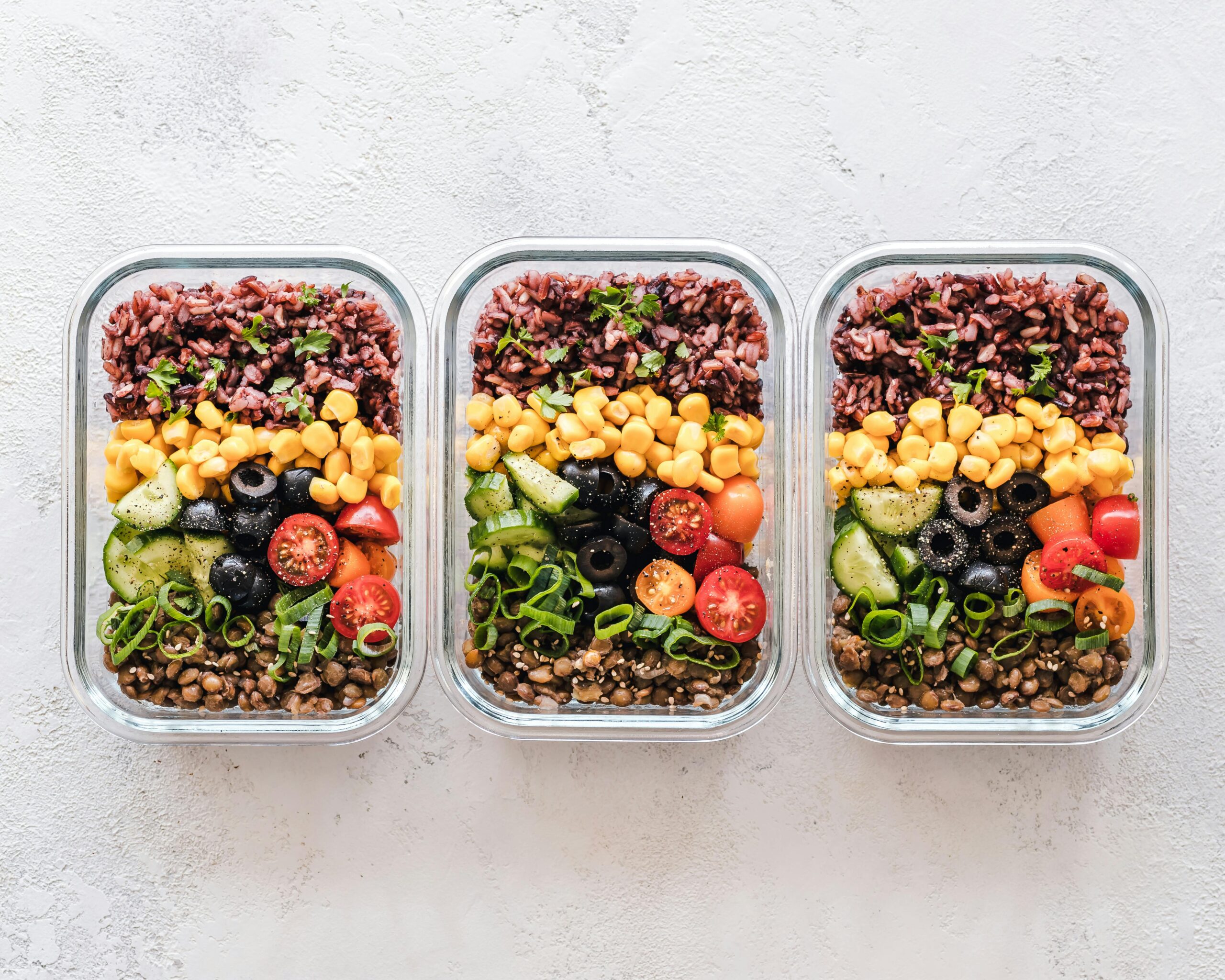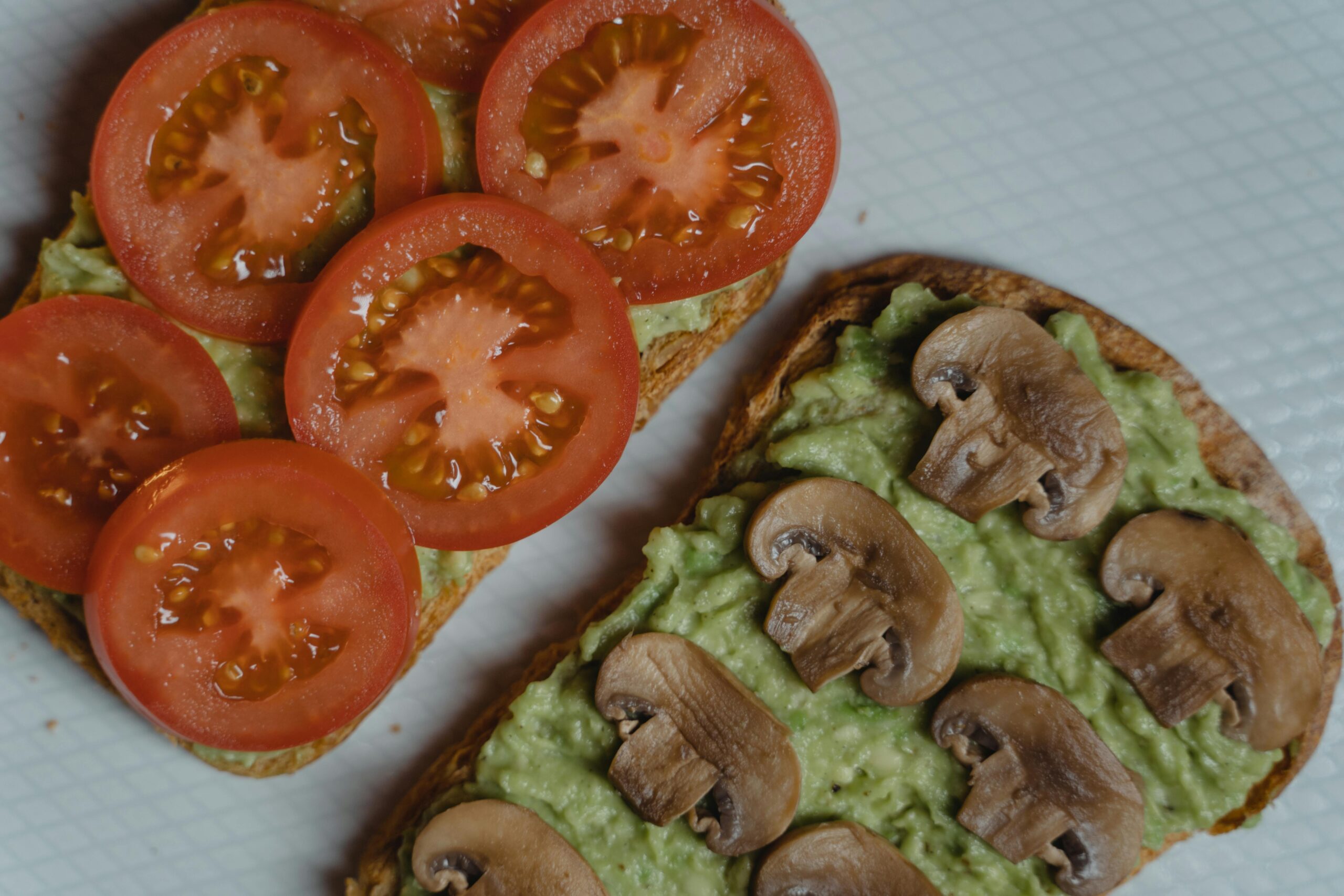
Busy schedules don’t mean you have to sacrifice wholesome, delicious meals. Thermos-friendly meal prep soups and bowls offer the perfect solution for anyone craving homemade comfort food on the go.

Whether you’re heading to the office, embarking on a road trip, or simply need a convenient lunch option, mastering the art of portable meal prep can transform your daily routine. These versatile recipes maintain their temperature for hours while delivering restaurant-quality flavor in every spoonful. Let’s explore how you can create satisfying, thermos-ready meals that make your taste buds dance and keep you nourished throughout even the busiest days.
🌡️ Why Thermoses Are Perfect for Meal Prep Enthusiasts
The humble thermos has evolved far beyond its simple beginnings. Modern insulated food containers can keep meals piping hot for 6-8 hours or refreshingly cold for up to 12 hours, making them indispensable tools for meal prep lovers. Unlike plastic containers that require reheating facilities, a quality thermos delivers your meal at the perfect temperature whenever you’re ready to eat.
Thermoses also prevent the texture degradation that often occurs with reheated foods. Soups maintain their rich consistency, grains stay perfectly tender, and vegetables retain their bite. This preservation of quality means your carefully prepared meals taste as good at lunch as they did when you packed them in the morning.
From an environmental perspective, investing in a durable thermos reduces reliance on disposable containers and takeout packaging. This sustainable approach to meal prep aligns perfectly with eco-conscious living while saving money in the long run.
Essential Tips for Thermos Meal Prep Success
Before diving into recipes, understanding a few key principles will elevate your thermos meal game considerably. First, always preheat your thermos with boiling water for 5-10 minutes before adding hot food. This simple step creates an optimal thermal environment that extends heat retention significantly.
Temperature matters immensely for food safety. Your meals should be heated to at least 165°F (74°C) before transferring to the thermos. Using a food thermometer ensures you’re hitting the safe zone while maximizing the container’s ability to maintain that warmth throughout the day.
Fill your thermos to maximum capacity whenever possible. Empty space allows heat to escape more rapidly, so choosing the right size container for your portion is crucial. Most adults find that 16-24 ounce thermoses provide ideal serving sizes for lunch meals.
Choosing the Right Thermos for Your Needs
Not all thermoses are created equal. Stainless steel vacuum-insulated models consistently outperform single-wall containers. Look for wide-mouth designs that accommodate chunky soups, grain bowls, and even pasta dishes while making cleaning significantly easier.
Quality brands typically feature double-wall construction with copper lining or vacuum sealing between layers. These technical details directly impact performance, so investing in a reputable thermos pays dividends through superior temperature retention and durability.
🍲 Hearty Soup Recipes That Travel Beautifully
Soups represent the quintessential thermos meal—comforting, nutritious, and perfectly suited to insulated transport. The following recipes have been specifically developed with portability in mind, ensuring ingredients maintain their integrity during several hours of storage.
Classic Chicken Tortilla Soup
This flavor-packed soup combines tender chicken, black beans, corn, and tomatoes in a mildly spiced broth topped with crunchy tortilla strips. The secret to thermos success lies in keeping the toppings separate until serving time. Pack crispy elements like tortilla chips, shredded cheese, and diced avocado in small separate containers.
The soup base itself actually improves in flavor as it sits, allowing the cumin, chili powder, and lime juice to meld beautifully. Prepare a large batch on Sunday evening, and you’ll have satisfying lunches ready for the entire week. The protein and fiber combination keeps you energized without the afternoon slump that carb-heavy meals often trigger.
Thai-Inspired Coconut Curry Lentil Soup
Red lentils cook quickly and create a naturally creamy texture that makes this soup feel indulgent despite being entirely plant-based. The coconut milk base carries aromatic flavors of ginger, garlic, and curry paste, while spinach adds a nutritional boost just before serving.
This recipe is particularly thermos-friendly because lentils don’t become mushy with extended heat exposure the way some legumes do. The soup actually thickens slightly as it sits, creating an even more satisfying consistency. Add a squeeze of fresh lime juice in the morning before sealing your thermos for a bright flavor accent.
Italian Wedding Soup with Turkey Meatballs
Delicate pasta, savory mini meatballs, and fresh greens swimming in a rich chicken broth create a complete meal in a bowl. The trick for thermos preparation is using smaller pasta shapes like acini de pepe or orzo, which hold up better than larger varieties during extended storage.
Prepare the meatballs with a mixture of ground turkey, parmesan, breadcrumbs, and Italian herbs for maximum flavor. The broth should be well-seasoned since flavors can become muted when food is stored at high temperatures for several hours. A final sprinkle of fresh parmesan just before eating elevates this humble soup to restaurant quality.
🥗 Power-Packed Bowl Recipes for Sustained Energy
Grain and protein bowls offer incredible versatility while providing balanced nutrition that sustains you through busy afternoons. These thermos-friendly versions maintain temperature and texture beautifully while delivering complex flavors that keep meals interesting.
Korean-Style Beef and Rice Bowl
Savory ground beef seasoned with soy sauce, sesame oil, ginger, and a touch of brown sugar pairs perfectly with short-grain rice and quick-pickled vegetables. This bowl delivers umami-rich satisfaction that rivals your favorite takeout spot.
Layer the components strategically in your thermos: rice on the bottom, then protein, and vegetables on top. This arrangement prevents the vegetables from becoming overly soft while ensuring everything stays at the ideal temperature. Garnish with sesame seeds and thinly sliced green onions for authentic presentation.
Mediterranean Chickpea and Quinoa Bowl
Protein-rich quinoa forms the base for this vibrant bowl featuring seasoned chickpeas, roasted red peppers, cucumber, cherry tomatoes, and a lemony tahini dressing. The Mediterranean flavor profile feels light yet satisfying, making it perfect for warmer weather or when you want something that won’t weigh you down.
Quinoa’s unique texture holds up exceptionally well in thermos conditions, maintaining its fluffy consistency without becoming mushy. The chickpeas can be simply seasoned with cumin and paprika or roasted until crispy for added texture contrast. Pack the tahini dressing separately if you prefer a fresher consistency.
Teriyaki Salmon and Brown Rice Bowl
Flaky salmon glazed with homemade teriyaki sauce sits atop nutty brown rice alongside steamed broccoli and edamame. This omega-3 rich bowl provides brain-boosting nutrition while tasting absolutely delicious.
The key to perfect thermos salmon is slight undercooking before packing—the residual heat continues cooking the fish gently, resulting in perfectly tender texture by lunchtime. The teriyaki glaze protects the salmon from drying out while infusing every grain of rice with savory-sweet flavor.
💡 Smart Ingredient Swaps for Dietary Preferences
One of the greatest advantages of homemade meal prep is the ability to customize recipes for specific dietary needs. Most thermos-friendly recipes adapt easily to accommodate various eating styles without sacrificing flavor or satisfaction.
For plant-based eaters, swap chicken or beef broth for vegetable stock or mushroom broth, which provides comparable depth and umami notes. Replace animal proteins with hearty alternatives like tempeh, tofu, seitan, or additional legumes. These substitutions often reduce prep time since plant proteins typically cook faster than meat.
Those following low-carb or keto diets can replace grains with cauliflower rice, zucchini noodles, or additional vegetables. Increase healthy fats through avocado, nuts, seeds, or full-fat coconut milk to maintain satiety. Many soup recipes work beautifully as low-carb options by simply omitting pasta or rice components.
Gluten-free adaptations are straightforward—use certified gluten-free grains like quinoa, rice, or gluten-free pasta alternatives. Most thickening needs can be met with cornstarch, arrowroot powder, or simply pureeing a portion of the soup itself for natural body.
🗓️ Weekly Meal Prep Strategy for Maximum Efficiency
Successful thermos meal prep requires thoughtful planning and efficient execution. Dedicating 2-3 hours on a weekend afternoon can set you up with delicious, ready-to-go meals for the entire work week.
Start by selecting 2-3 recipes that share some common ingredients to streamline shopping and preparation. For example, if you’re making both chicken tortilla soup and teriyaki bowls, you can prep all proteins simultaneously, using different seasonings to create distinct flavor profiles.
Batch cooking grains and legumes saves tremendous time. Prepare large quantities of rice, quinoa, or lentils that can be portioned and refrigerated, then reheated with your meal components each morning. These starches actually improve in texture after a day in the refrigerator, making them ideal prep-ahead ingredients.
Storage and Reheating Best Practices
Store prepared meal components in separate containers in the refrigerator for optimal freshness. This approach allows you to mix and match throughout the week, preventing meal fatigue. Most soup bases and cooked proteins maintain quality for 4-5 days when properly refrigerated.
Each morning, reheat your meal thoroughly on the stovetop or in the microwave until steaming hot throughout. Transfer immediately to your preheated thermos and seal tightly. This process takes just 5-10 minutes but ensures food safety and optimal temperature retention.
Enhancing Flavors with Strategic Toppings and Add-ins
The difference between a good thermos meal and an exceptional one often comes down to thoughtful finishing touches. Fresh herbs, crunchy toppings, and flavor accents pack easily in small containers and transform your meal when added just before eating.
For soups, consider packing fresh cilantro, basil, or parsley separately along with a wedge of lemon or lime. These bright elements wake up flavors that may have mellowed during storage. A drizzle of quality olive oil, toasted sesame oil, or hot sauce allows you to adjust richness and heat level to your mood.
Textural contrast elevates bowl meals significantly. Pack crispy chickpeas, toasted nuts, seeds, or crumbled crackers in separate small containers. Adding these just before eating provides satisfying crunch that makes your meal feel special rather than routine.
🌟 Troubleshooting Common Thermos Meal Challenges
Even with careful preparation, you might encounter occasional issues. Understanding common problems and their solutions ensures consistent success with your portable meals.
If your meals aren’t staying hot enough, the culprit is usually insufficient preheating or food that wasn’t hot enough when packed. Always start with boiling water in your thermos and ensure food reaches at least 165°F before transferring. Avoid opening the thermos before mealtime, as each opening releases significant heat.
Conversely, if food is too hot to eat comfortably at lunchtime, you might be packing it too early or your thermos has exceptional insulation. Consider packing your meal slightly later in the morning or allowing it to cool for a few minutes before sealing.
Flavor loss typically results from underseasoning initially. Remember that heat can mute certain flavors, so season more boldly than you would for immediate consumption. Salt, acid (lemon juice, vinegar), and aromatics should be slightly more pronounced in make-ahead meals.
Beyond Lunch: Creative Thermos Meal Applications
While lunch is the most common thermos meal scenario, these portable containers serve multiple purposes throughout your day. Breakfast enthusiasts can prep savory oatmeal bowls, congee, or breakfast quinoa with toppings for a warm, nutritious start to the day.
For late workers or students, dinner-sized thermoses mean you can enjoy a home-cooked meal even when your schedule prevents eating at home. This approach is particularly valuable for those with dietary restrictions who struggle to find suitable options near their workplace or campus.
Outdoor adventures become more enjoyable with thermos meals. Hikers, campers, and sports parents appreciate having hot, substantial food available without cooking equipment. A hearty chili or stew after hours in cold weather feels incredibly restorative.
Maximizing Nutrition in Portable Meals
Thermos meals offer excellent opportunities to pack serious nutrition into convenient formats. Focus on including all three macronutrients—protein, complex carbohydrates, and healthy fats—in each meal for sustained energy and satisfaction.
Protein should come from varied sources throughout the week: lean meats, fish, eggs, legumes, tofu, or tempeh. This variety ensures you’re getting different amino acid profiles and preventing palate fatigue. Aim for at least 20-30 grams of protein per meal to support satiety and muscle maintenance.
Don’t skimp on vegetables. Soups and bowls easily accommodate 2-3 servings of vegetables per meal, dramatically increasing your daily intake of fiber, vitamins, and minerals. Choose colorful varieties to maximize phytonutrient diversity—the more colors on your plate (or in your thermos), the broader your nutritional coverage.
Healthy fats from avocado, nuts, seeds, olive oil, or fatty fish support nutrient absorption and provide lasting satisfaction. These calorie-dense ingredients ensure your thermos meal keeps hunger at bay for several hours, preventing the vending machine temptation that derails many healthy eating intentions.
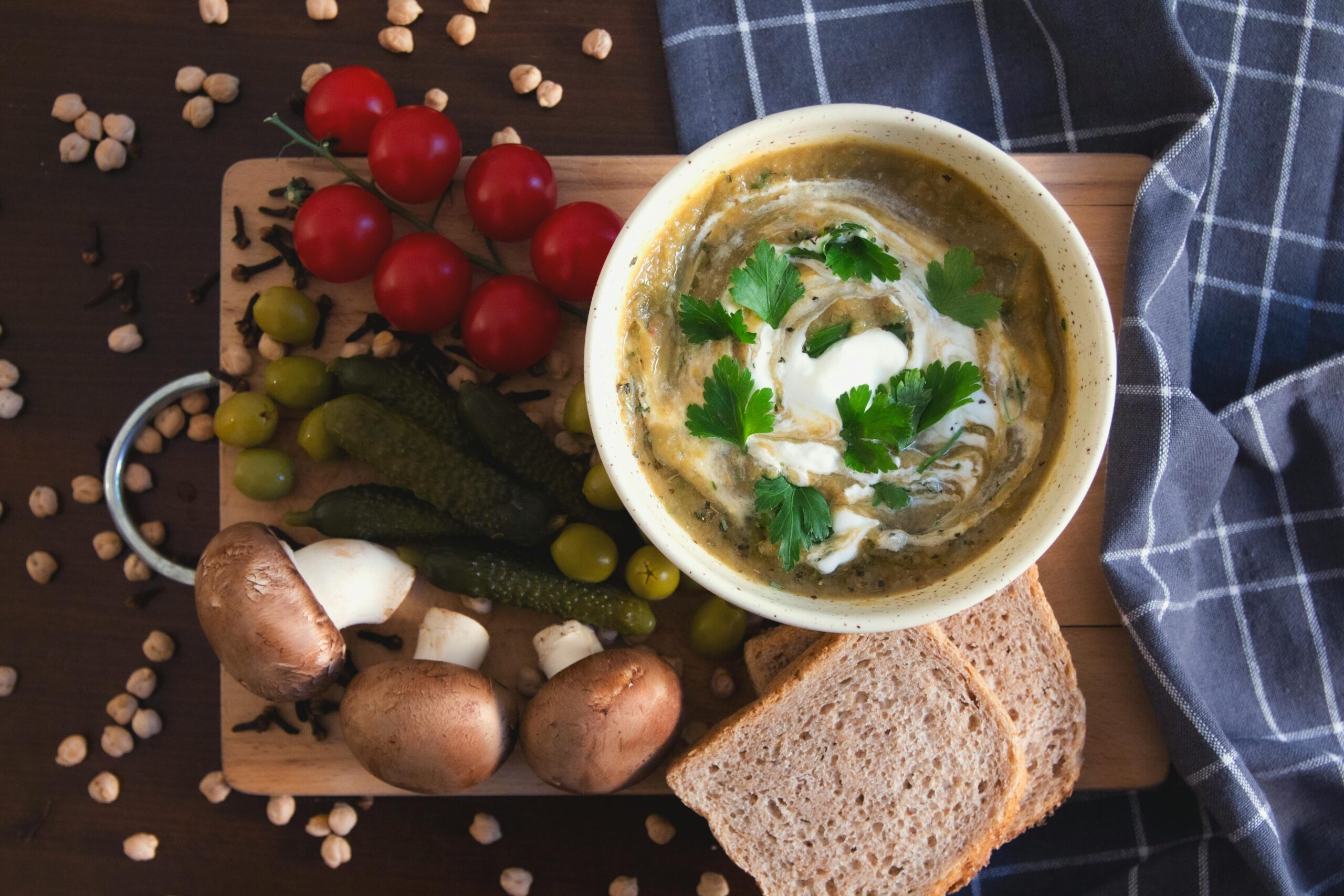
Building Your Thermos Meal Prep Routine
Transforming thermos meals from occasional experiment to reliable habit requires establishing a sustainable routine. Start small with just 2-3 prepared meals per week rather than attempting a complete overhaul immediately. This gradual approach prevents overwhelm and allows you to refine your process.
Create a master list of your favorite recipes along with required ingredients. This reference document streamlines shopping and eliminates the decision fatigue that often accompanies meal planning. Rotate through 6-8 reliable recipes, introducing new options occasionally to maintain excitement.
Invest in quality storage containers, thermoses, and small containers for toppings. Having the right tools makes preparation more efficient and enjoyable. Consider this an investment in your health, convenience, and financial wellbeing—the money saved on takeout quickly justifies the initial expense.
Most importantly, embrace flexibility and imperfection. Some weeks you’ll execute meal prep flawlessly; others will be more chaotic. Having even one or two thermos meals prepared saves time, money, and helps maintain healthy eating patterns when life gets busy. The goal is progress, not perfection, in creating a meal prep routine that supports your lifestyle and wellbeing for the long term.