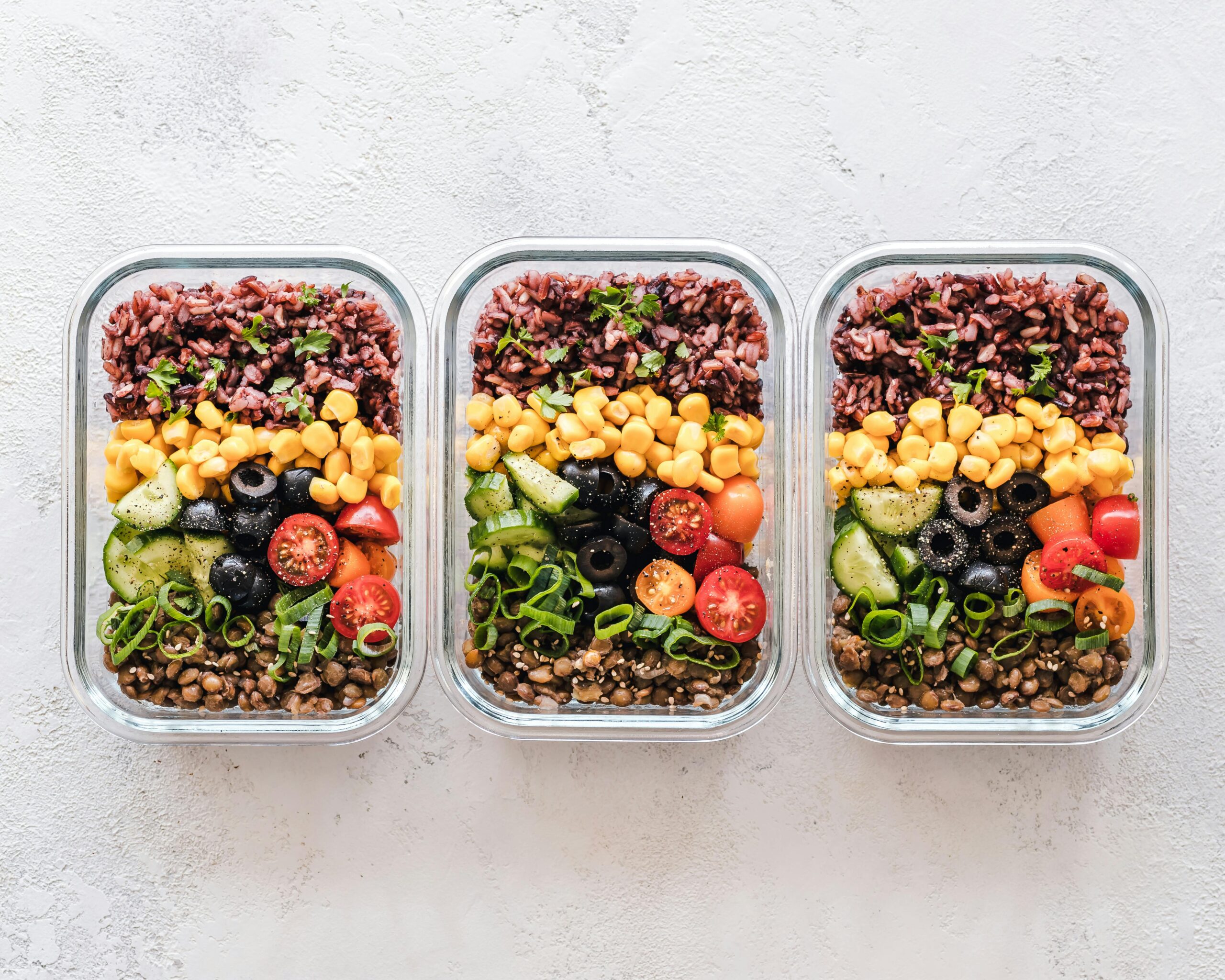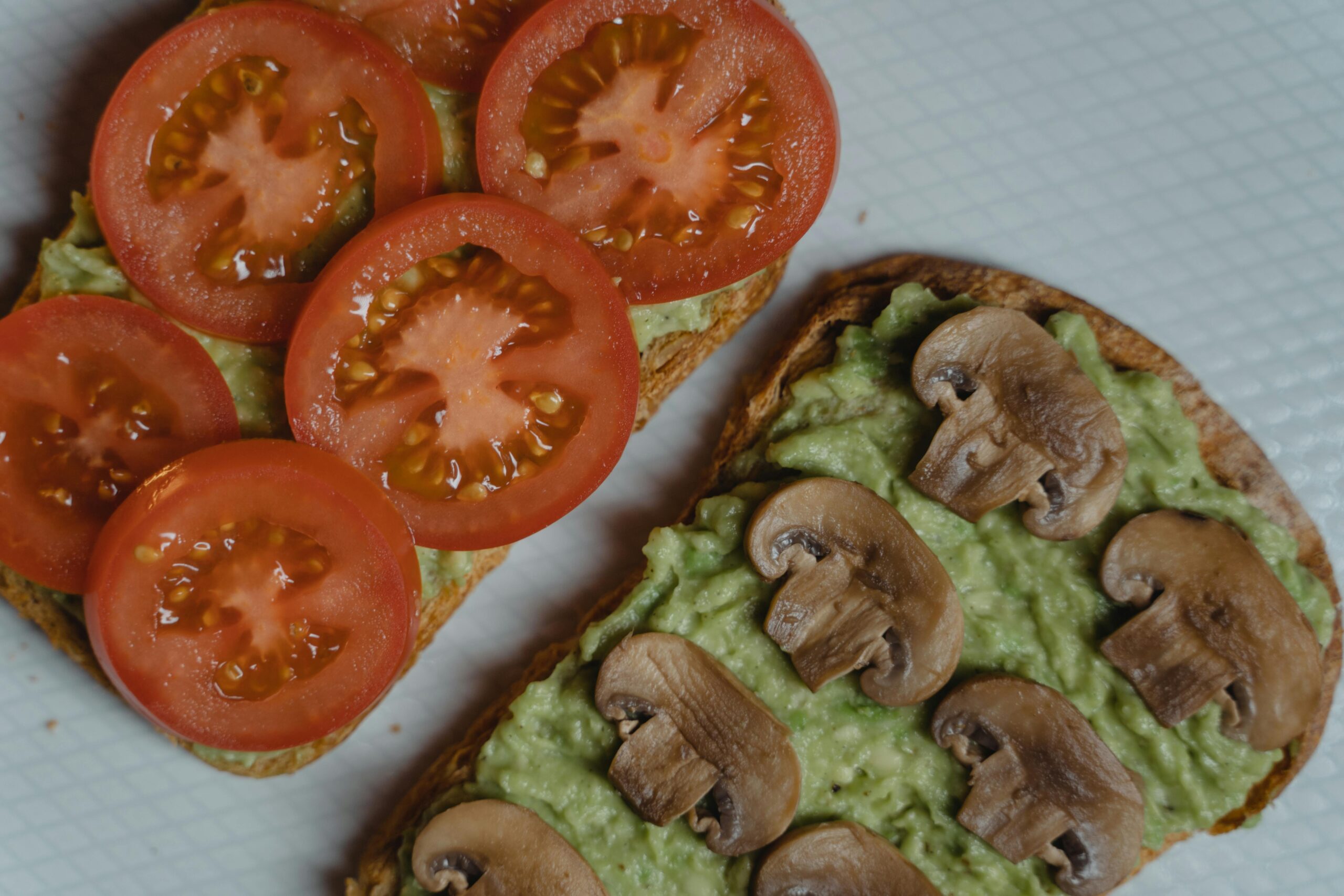
Packing a lunchbox that your kids will actually eat shouldn’t feel like an impossible puzzle. With a little creativity and smart meal prep, you can transform this daily challenge into an enjoyable routine that nourishes your children and saves you precious time.

The secret to successful kids’ lunchboxes lies in balancing nutrition with fun, convenience with variety, and health with flavors your little ones genuinely enjoy. Whether you’re preparing for picky eaters, managing food allergies, or simply trying to break free from the same old sandwich routine, the right meal prep strategies can revolutionize your morning rush and ensure your children look forward to opening their lunchboxes each day.
🍱 Understanding the Foundation of Perfect Lunchbox Meal Prep
Before diving into specific recipes and ideas, it’s essential to understand what makes a lunchbox truly work for both parents and kids. The most successful packed lunches combine nutritional balance with visual appeal, include foods that travel well, and feature items your children can eat independently without assistance.
A well-rounded lunchbox should include protein for sustained energy, complex carbohydrates for fuel, fruits and vegetables for vitamins and fiber, healthy fats for brain development, and a small treat to make the meal feel special. This balance ensures your child stays energized throughout their school day without experiencing the sugar crashes that come from processed snacks.
Meal prepping for lunchboxes doesn’t mean cooking everything on Sunday afternoon. Instead, it involves smart preparation techniques like washing and cutting vegetables in advance, cooking proteins in batches, preparing dips and spreads, and organizing ingredients so that assembly becomes quick and effortless each morning.
Creative Protein-Packed Ideas Beyond Basic Sandwiches
While sandwiches remain a lunchbox staple, expanding your protein repertoire keeps meals interesting and ensures your children receive diverse nutrients. Consider preparing mini meatballs seasoned with herbs and baked until perfectly golden—these can be made in large batches, frozen, and simply thawed the night before packing.
Hard-boiled eggs are nutritional powerhouses that kids love, especially when presented creatively. Try making egg salad with a touch of Greek yogurt instead of mayonnaise, or cut hard-boiled eggs into fun shapes using cookie cutters. You can also prepare deviled eggs with avocado for a healthier twist that adds creaminess and healthy fats.
Plant-Based Protein Options for Variety
Not every lunchbox needs meat or eggs to deliver adequate protein. Chickpeas roasted with a sprinkle of cinnamon or savory spices make crunchy, protein-rich snacks that children find irresistible. Hummus paired with vegetable sticks or whole-grain crackers provides plant-based protein alongside fiber and complex carbohydrates.
Nut butters spread on apple slices, whole-grain bread, or celery boats offer both protein and healthy fats, though you’ll need to check your school’s allergy policies first. For nut-free alternatives, sunflower seed butter or tahini work beautifully and provide similar nutritional benefits without triggering allergies.
🥗 Vibrant Vegetable and Fruit Combinations That Kids Actually Eat
Getting children to eat vegetables and fruits at lunchtime often requires strategic presentation and pairing. Instead of packing plain carrot sticks, try rainbow vegetable skewers with cherry tomatoes, cucumber rounds, bell pepper squares, and cheese cubes alternated on small skewers or toothpicks. The colorful presentation transforms ordinary vegetables into something exciting.
Create DIY salad boxes where each compartment contains different ingredients—lettuce leaves, shredded carrots, diced cucumbers, cherry tomatoes, cheese cubes, croutons, and a small container of dressing. This interactive approach lets kids assemble their own salad, giving them control over what they eat while encouraging vegetable consumption.
Fruit becomes more appealing when presented in creative ways. Freeze grapes for a refreshing treat, create fruit kabobs with melon balls and strawberries, or make fruit salad with a squeeze of lemon to keep everything fresh. Adding a small container of yogurt for dipping transforms fruit into a more substantial snack that feels like a treat.
Whole Grain Carbohydrates That Keep Energy Steady
Complex carbohydrates provide the sustained energy children need to concentrate during afternoon classes. Whole-grain pasta salad with colorful vegetables and a light vinaigrette dressing travels well and can be customized to your child’s preferences. Prepare a large batch on Sunday, and portion it into individual containers for the week.
Homemade whole-wheat mini muffins with hidden vegetables like zucchini or carrots offer sweetness alongside fiber and nutrients. Bake a double batch, freeze half, and you’ll have healthy carbohydrates ready to grab for weeks. These work wonderfully as breakfast or as part of a balanced lunchbox.
Alternative Grain Options for Adventure
Introduce your children to quinoa by making colorful quinoa salad bowls with diced vegetables and a light lemon dressing. Quinoa provides complete protein alongside complex carbohydrates, making it an exceptional lunchbox inclusion. Brown rice sushi rolls with cucumber, avocado, and cooked chicken or tofu offer a fun, interactive meal that children enjoy assembling and eating.
Whole-grain crackers, pita bread, or tortilla wraps provide versatile vehicles for proteins and vegetables. Make mini wraps with hummus, shredded chicken, and lettuce, then slice them into pinwheels that look appealing and are easy for small hands to manage.
🧀 Dairy and Calcium-Rich Components for Growing Bodies
Calcium supports bone development, making dairy or dairy alternatives important lunchbox components. String cheese, cheese cubes, or mini babybel cheeses require no preparation and travel perfectly. Pair these with whole-grain crackers and fruit for a balanced mini-meal.
Greek yogurt provides protein alongside calcium and works wonderfully with toppings packed separately—granola, fresh berries, honey, or a sprinkle of cinnamon. This separation prevents sogginess and gives your child control over their flavor combinations.
For children with dairy sensitivities, calcium-fortified almond milk, soy yogurt, or coconut milk alternatives ensure they receive necessary nutrients without digestive discomfort. Many non-dairy options now taste remarkably similar to traditional dairy products, making the transition seamless for most children.
Smart Strategies for Weekly Meal Prep Success
Designate one or two afternoons each week for batch preparation of lunchbox components. Wash and chop all vegetables for the week, storing them in clear containers so you can quickly see what’s available. Cook a large batch of grains like quinoa or brown rice that can become the foundation for multiple lunch variations.
Prepare proteins in advance by grilling several chicken breasts, cooking a batch of hard-boiled eggs, or baking meatballs that can be portioned and refrigerated or frozen. Having these ready-to-go proteins eliminates the most time-consuming part of morning lunchbox assembly.
Organization Systems That Save Time
Invest in a dedicated lunchbox preparation station in your kitchen with clear containers, appropriate utensils, and all necessary supplies easily accessible. Store similar items together—all crackers in one container, all dried fruits in another, all packaged snacks in a designated basket.
Create a simple lunchbox template or checklist that ensures balanced nutrition without requiring mental energy each morning. Your checklist might include: one protein, one grain, two vegetables or fruits, one dairy item, and one small treat. Following this formula guarantees variety and nutrition while simplifying decision-making.
🍪 Wholesome Treats and Sweet Additions
Including a small treat makes lunchboxes feel special without undermining nutritional goals. Homemade energy balls made from dates, oats, nut butter, and chocolate chips provide sweetness alongside fiber and protein. These can be rolled into balls and stored in the refrigerator for up to two weeks.
Dark chocolate-covered strawberries or banana slices offer antioxidants alongside natural sweetness. Homemade fruit leather made from pureed fruit spread thin and dehydrated creates a chewy, naturally sweet treat without added sugars or preservatives found in store-bought versions.
Baked sweet potato chips seasoned with cinnamon provide a crunchy, slightly sweet alternative to regular potato chips. Slice sweet potatoes thinly, toss with a tiny bit of oil and cinnamon, then bake until crispy. These deliver vitamin A and fiber while satisfying the desire for something crunchy and flavorful.
Temperature Control and Food Safety Considerations
Food safety is paramount when packing lunchboxes that won’t be refrigerated for several hours. Invest in insulated lunchboxes and include ice packs to keep perishable items at safe temperatures. Frozen water bottles serve double duty—keeping food cold while providing refreshing drinking water by lunchtime.
Pack hot foods in insulated thermoses that maintain temperature until lunch. Warm soup, pasta, or rice bowls stay comfortably hot when packed properly, expanding your lunchbox options beyond cold sandwiches. Preheat the thermos with boiling water before adding the hot food to maximize heat retention.
Foods That Travel Well Without Refrigeration
Some foods naturally handle room temperature better than others. Nut butters, whole fruits with skins, dried fruits, crackers, pretzels, popcorn, and granola bars all remain safe and appetizing without refrigeration. Understanding which foods tolerate room temperature helps when ice packs aren’t available or practical.
Avoid mayonnaise-based salads unless you’re certain adequate cooling will be maintained. Opt instead for vinaigrette-based salads, mustard-based dressings, or hummus as spreads that don’t pose the same food safety risks as mayonnaise when left unrefrigerated.
🎨 Making Lunchboxes Visually Appealing and Interactive
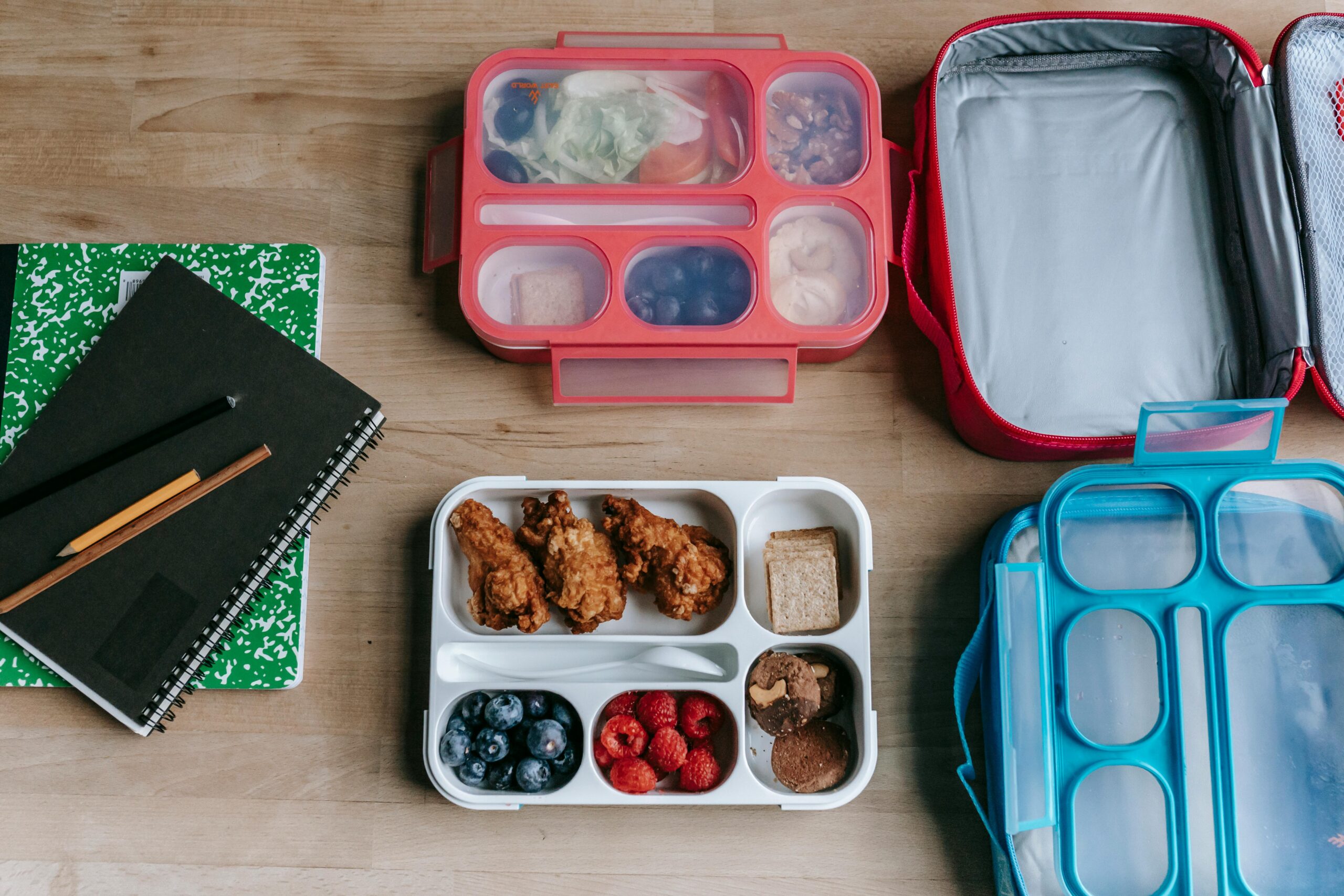
Children eat with their eyes first, making presentation crucial for lunchbox success. Use bento-style containers with multiple compartments that create natural visual separation and make meals look more abundant and interesting. The compartments also prevent foods from touching, which matters to many particular eaters.
Include small cookie cutters so your child can cut their sandwiches into fun shapes at school, or pre-cut sandwiches, fruits, and vegetables into stars, hearts, or animals. This small touch transforms ordinary food into something special that children look forward to eating.
Add colorful picks or toothpicks to skewered foods, use silicone cupcake liners in fun colors to separate foods within containers, or include a small note or joke to make lunchtime feel like a special moment of connection. These touches require minimal effort but significantly impact how children perceive their meals.
Accommodating Allergies and Dietary Restrictions
Food allergies and restrictions require careful planning but shouldn’t limit creativity or nutrition. For nut-free schools, seeds become your best friends—pumpkin seeds, sunflower seeds, and sunflower seed butter provide similar nutrients without triggering allergies. Many commercial products now offer nut-free alternatives that taste remarkably similar to traditional versions.
Gluten-free lunchboxes can include rice crackers, corn tortillas, gluten-free bread alternatives, fresh fruits and vegetables, proteins, and naturally gluten-free grains like quinoa and rice. Many families discover that focusing on whole, unprocessed foods naturally eliminates many allergen concerns while improving overall nutrition.
Managing Multiple Dietary Needs in One Household
When different children require different accommodations, create a master list of safe foods for each child and establish clear organizational systems to prevent cross-contamination. Color-coded containers or clearly labeled storage areas ensure you never accidentally pack the wrong food for a child with serious allergies.
Focus on meals that can be easily customized—taco bowls where each child gets appropriate proteins and grains, pasta salads where different pasta types can be used, or DIY lunch kits where each child receives appropriate components assembled according to their needs.
Budget-Friendly Meal Prep Without Sacrificing Quality
Wholesome lunchboxes don’t require expensive specialty ingredients. Buy fruits and vegetables when they’re in season and on sale, then prepare and freeze them for later use. Berries, for example, freeze beautifully and cost a fraction of the price during peak season compared to winter months.
Purchase proteins when on sale and portion them immediately for freezing. Ground meat can be cooked with seasonings and frozen in portions perfect for tacos, pasta sauce, or rice bowls. Chicken breasts can be grilled or baked in bulk, sliced, and frozen in meal-sized portions.
Make your own granola bars, energy balls, muffins, and crackers instead of purchasing packaged versions. Homemade versions typically cost significantly less per serving while containing better ingredients without preservatives, artificial colors, or excessive sodium and sugar.
🥪 Weekly Rotation Ideas to Prevent Boredom
Create a flexible weekly rotation that provides structure without monotony. Monday might feature wraps, Tuesday pasta salad, Wednesday DIY lunchables with crackers and cheese, Thursday soup in a thermos, and Friday something special or a favorite meal as a weekend reward.
This rotation provides predictability that simplifies meal prep while building in enough variety to keep children interested. Adjust the rotation based on your family’s preferences, cooking schedule, and what’s seasonally available and affordable.
Seasonal Variations That Keep Things Fresh
Adapt lunchboxes to seasons and holidays for added excitement. Fall lunchboxes might feature pumpkin muffins and apple slices with cinnamon, while summer boxes showcase watermelon and cucumber salads. Winter calls for warm soups and hearty grains, and spring celebrates fresh berries and lighter salads.
This seasonal approach naturally provides variety throughout the year while taking advantage of produce when it’s most flavorful and affordable. Children also develop an understanding of seasonal eating and agricultural cycles through these natural menu variations.
Getting Kids Involved in Lunchbox Planning and Preparation
Children who participate in meal planning and preparation develop healthier relationships with food and are more likely to actually eat what’s packed. Create a simple menu board where kids can choose from pre-approved options, giving them autonomy within healthy parameters you’ve established.
Assign age-appropriate preparation tasks—young children can wash vegetables, older children can assemble sandwiches or portion snacks into containers. This involvement teaches valuable life skills while reducing your workload and increasing the likelihood that your children will eat their lunches.
Weekend meal prep sessions can become quality family time where everyone contributes. Play music, chat about the upcoming week, and work together to prepare components that will make weekday mornings smoother. This routine creates positive food associations and demonstrates that healthy eating is a family priority.
🌟 Troubleshooting Common Lunchbox Challenges
When lunchboxes consistently come home uneaten, approach the problem systematically. Ask your child specific questions about what they didn’t like—was it the taste, texture, temperature, or did they simply lack enough time to eat? Understanding the root cause allows you to make targeted adjustments.
Some children genuinely struggle with limited lunch periods and need foods they can eat quickly. For these children, finger foods, pre-cut items, and foods that don’t require utensils ensure they can eat efficiently during short breaks.
Picky eaters benefit from gradual exposure to new foods alongside familiar favorites. Include one new item with several preferred foods, without pressure to eat the new item. Repeated exposure without coercion gradually expands most children’s food preferences over time.
Turning Lunchbox Time Into Connection Time
The few minutes you spend packing a thoughtful lunchbox communicate love and care to your children throughout their day. Including small surprises—a favorite food, a drawn heart on a napkin, or a joke written on their banana with food-safe marker—transforms lunchtime into a moment of connection even when you’re apart.
These small gestures require minimal time but create lasting memories and reinforce that someone is thinking about them during their day. As children grow, they’ll remember not just what was in their lunchboxes, but the care and creativity that went into preparing them.
Successful lunchbox meal prep combines nutrition, convenience, creativity, and love into portable meals that nourish bodies and spirits. With these strategies, recipes, and organizational systems, you can transform lunchbox packing from a daily stress into an enjoyable routine that serves your entire family well. The investment of time in establishing systems and preparing components pays dividends in healthier children, smoother mornings, and the satisfaction of knowing you’re providing nourishing, delicious meals your kids genuinely enjoy. 🍎