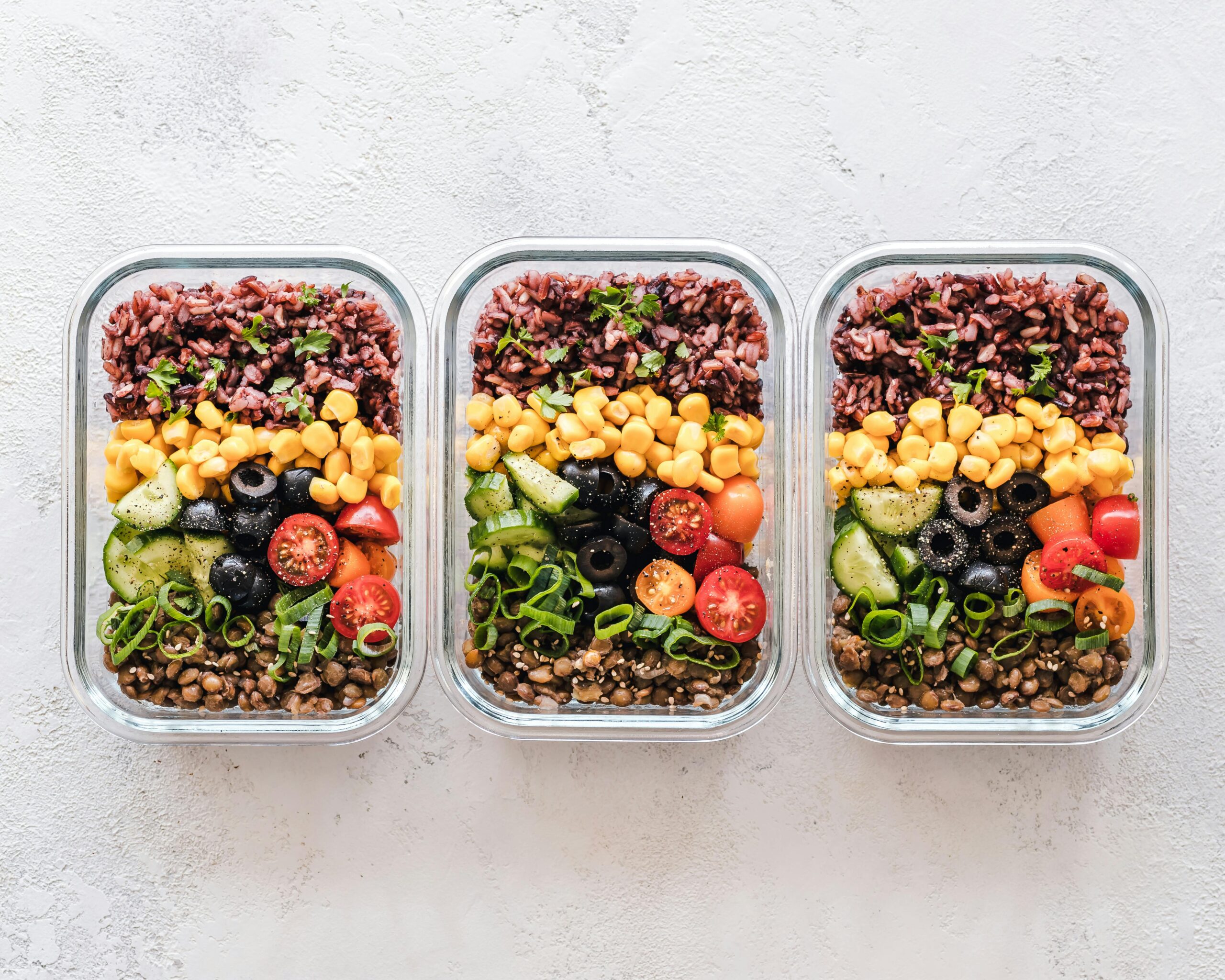
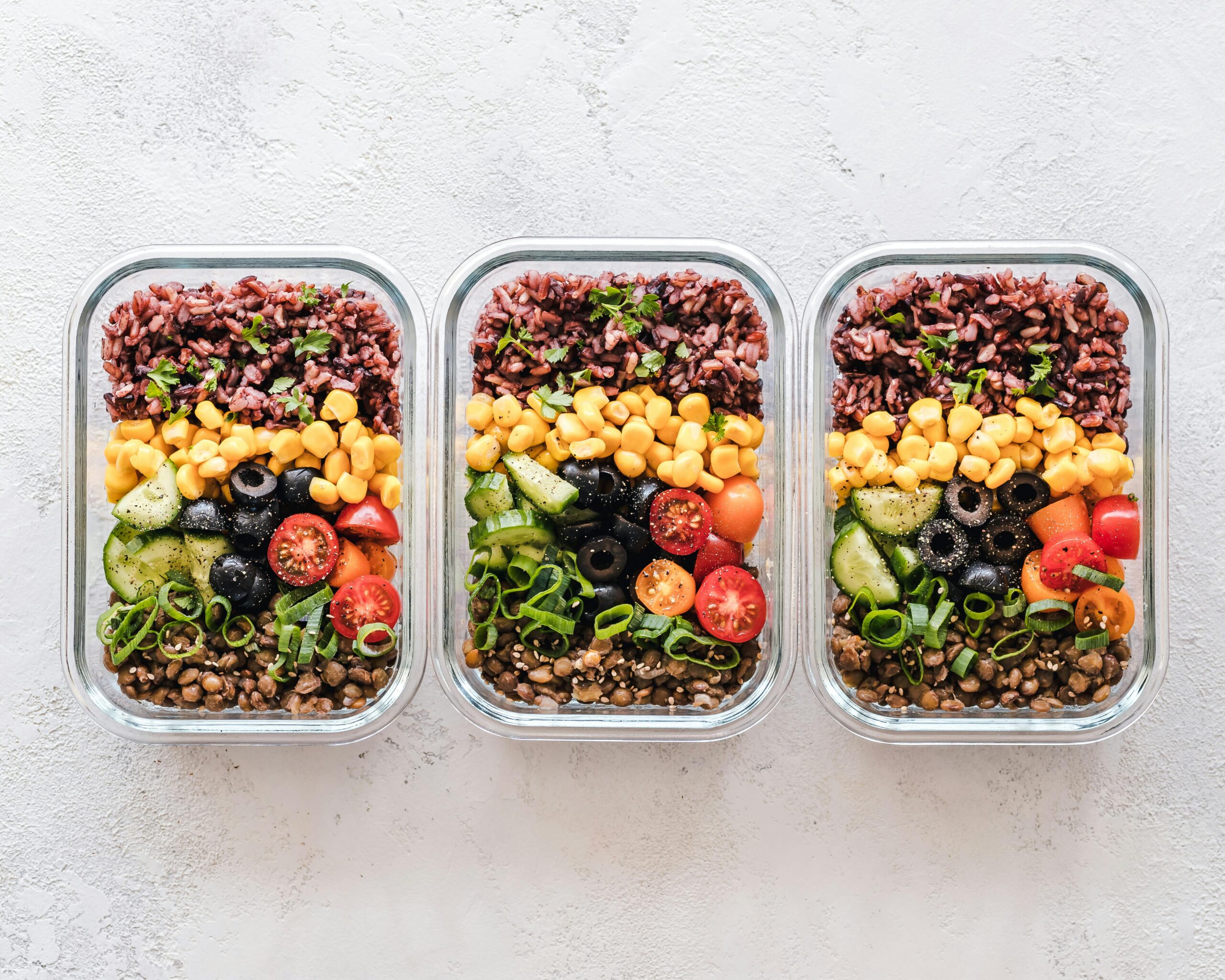
Meal prep doesn’t have to mean reheated leftovers. Discover delicious no-reheat lunch ideas that stay fresh, taste amazing, and save you precious time during hectic workdays.

The struggle of finding time to prepare healthy lunches while juggling work, family, and personal commitments is real. Many people avoid meal prep because they dislike the texture and taste of reheated food, or simply don’t have access to a microwave during their lunch break. The good news? You can absolutely meal prep delicious lunches that taste just as good—or even better—when eaten cold or at room temperature. These no-reheat lunch meal prep ideas will transform your midday meals from boring to exciting, all while keeping your nutrition on track and your wallet happy.
Why No-Reheat Meal Prep Makes Perfect Sense 🎯
Cold lunch meal prep offers numerous advantages beyond the obvious convenience. First, it opens up a world of ingredients and recipes that simply taste better when served chilled or at room temperature. Think vibrant salads, refreshing grain bowls, and protein-packed wraps that maintain their texture and crunch.
Additionally, no-reheat meals eliminate the office microwave queue during lunch rush. You’ll never have to wait in line or deal with broken microwaves again. These meals are also perfect for people who work outdoors, travel frequently, or don’t have access to heating facilities. From a food safety perspective, many cold meal prep options contain ingredients less prone to bacterial growth when properly stored, making them safer for extended periods outside refrigeration.
Essential Equipment for Cold Lunch Success
Before diving into recipes, having the right containers makes all the difference. Invest in quality glass or BPA-free plastic containers with secure, leak-proof lids. Compartmentalized containers work wonderfully for keeping ingredients separate until you’re ready to eat, preventing soggy textures.
An insulated lunch bag with ice packs is crucial for food safety, especially during warmer months. Wide-mouth mason jars are perfect for layered salads and overnight oats, while bento boxes offer versatility for varied meal components. Don’t forget small containers for dressings, sauces, and toppings that you’ll add just before eating to maintain optimal freshness.
Build-Your-Own Mason Jar Salads 🥗
Mason jar salads have revolutionized meal prep for good reason. The layering technique keeps ingredients fresh and crisp for up to five days when done correctly. The secret lies in the order: dressing at the bottom, followed by hearty vegetables, proteins, grains, and delicate greens on top.
Start with 2-3 tablespoons of your favorite dressing in the jar’s base. Add sturdy vegetables like cucumbers, bell peppers, or cherry tomatoes that won’t absorb the dressing. Layer your protein—grilled chicken, chickpeas, hard-boiled eggs, or tofu. Add grains like quinoa or farro for substance, then top with leafy greens and crunchy elements like nuts or seeds. When you’re ready to eat, simply shake the jar to distribute the dressing and pour into a bowl or eat directly from the jar.
Winning Mason Jar Combinations
Mediterranean magic: Lemon vinaigrette, chickpeas, cucumbers, cherry tomatoes, red onion, feta cheese, olives, and romaine lettuce. This combination stays crisp and delivers bold flavors that actually improve as they meld together.
Asian-inspired sensation: Sesame ginger dressing, edamame, shredded carrots, red cabbage, mandarin oranges, grilled chicken or tofu, crispy wonton strips, and mixed greens. The variety of textures makes every bite interesting.
Southwest fiesta: Chipotle lime dressing, black beans, corn, diced tomatoes, avocado (add fresh), bell peppers, grilled chicken or seasoned ground turkey, tortilla strips, and romaine with cilantro.
Protein-Packed Cold Pasta Salads
Pasta salads are the ultimate no-reheat champion. They’re filling, versatile, and often taste better after the flavors have had time to marry in the refrigerator. The key is choosing pasta shapes that hold up well and don’t become mushy—think rotini, penne, or bow ties.
Cook your pasta al dente, then rinse with cold water to stop the cooking process and remove excess starch. Toss immediately with a small amount of olive oil to prevent sticking. From there, the possibilities are endless. Combine with proteins like grilled chicken, tuna, chickpeas, or mozzarella, add plenty of colorful vegetables, and dress with vinaigrettes or creamy dressings that won’t separate.
Italian Antipasto Pasta Bowl
This crowd-pleaser combines rotini pasta with salami, mozzarella pearls, cherry tomatoes, artichoke hearts, roasted red peppers, olives, and fresh basil. Dress with red wine vinaigrette and a sprinkle of parmesan. It’s essentially an Italian sub in pasta form, requiring no heating and getting tastier each day.
Wholesome Grain Bowls That Shine Cold ✨
Grain bowls are nutritional powerhouses that work beautifully as no-reheat meals. Quinoa, farro, bulgur, and barley all taste excellent at room temperature and provide sustained energy throughout your afternoon.
Prepare your grains in large batches at the beginning of the week. Season them while warm with a bit of olive oil, lemon juice, and salt to infuse flavor. Build your bowls by combining grains with roasted or raw vegetables, proteins, healthy fats like avocado or nuts, and a flavorful dressing or sauce kept separate until eating.
A Middle Eastern-inspired bowl might feature bulgur wheat, cucumber-tomato salad, hummus, falafel, pickled onions, and tahini drizzle. A Mexican bowl could combine cilantro-lime quinoa, black beans, corn, pico de gallo, sliced avocado, and chipotle crema. These combinations provide complete nutrition while delivering restaurant-quality flavors.
Creative Wrap and Roll-Up Ideas 🌯
Wraps are the perfect portable no-reheat lunch, but execution matters. Choose wraps that won’t get soggy—whole wheat tortillas, lavash, or collard greens for a low-carb option. The trick is creating a moisture barrier between wet ingredients and the wrap itself.
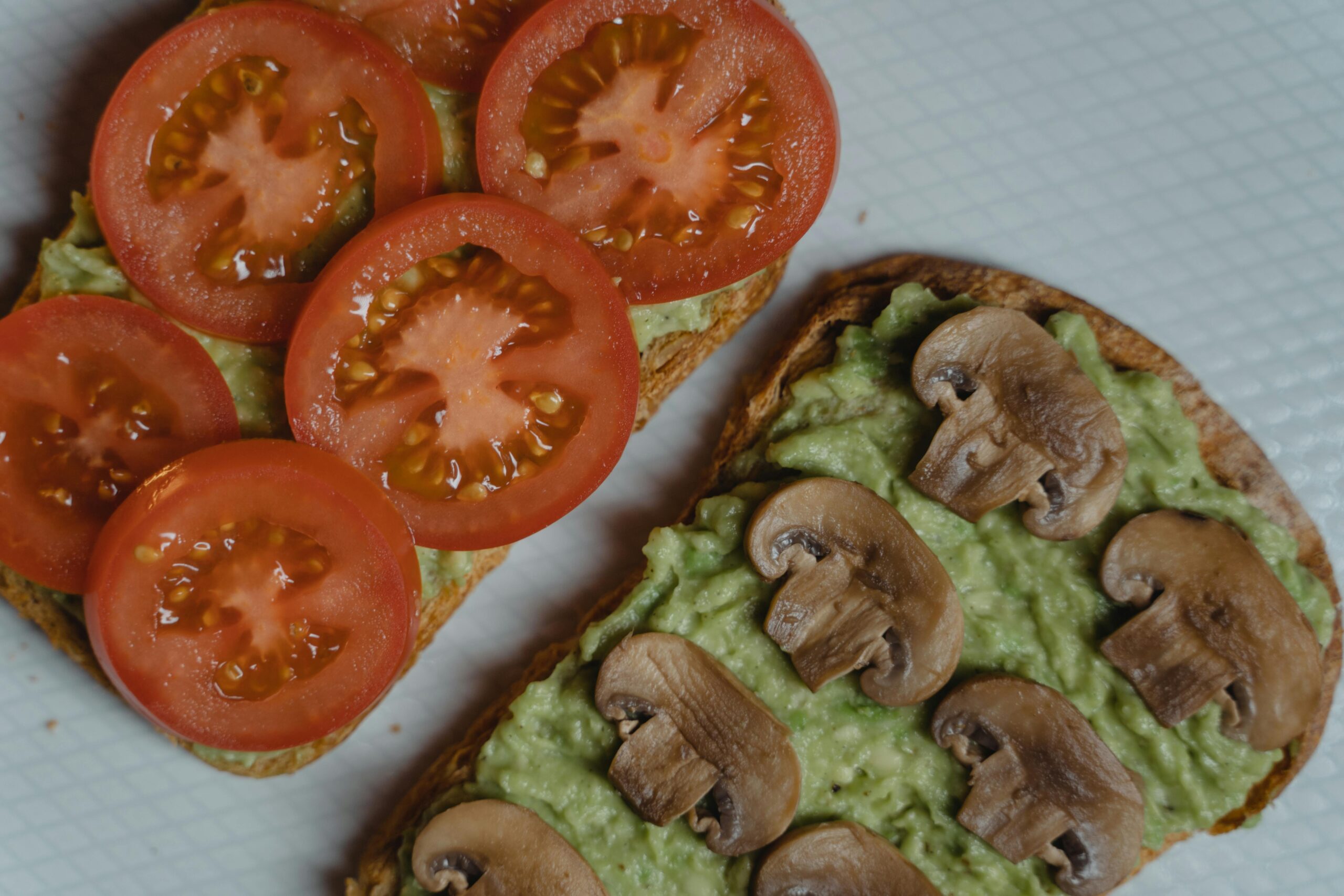
Spread hummus, cream cheese, or mashed avocado on your wrap first—these act as waterproof layers. Add proteins and cheese next, then pile on vegetables. Roll tightly, tucking in the sides as you go, and wrap in parchment paper or foil to maintain shape and freshness.
Standout Wrap Recipes
Turkey and cranberry with a twist: Spread cream cheese mixed with dried cranberries on a whole wheat tortilla, layer with sliced turkey, crisp lettuce, thin apple slices, and a handful of arugula. The sweet and savory combination never gets old.
Veggie hummus rainbow wrap: Choose a spinach or tomato wrap for extra nutrition, spread generously with your favorite hummus, then layer with shredded carrots, cucumber strips, roasted red peppers, spinach, sprouts, and a sprinkle of feta cheese.
Chicken Caesar wrap: Mix chopped grilled chicken with light Caesar dressing before adding to your wrap along with romaine, parmesan shavings, and a few crushed croutons added just before eating for crunch.
Bento Box Bonanza: Mix and Match Components 🍱
Bento-style lunch prep embraces variety by offering multiple components in one container. This approach prevents food boredom and ensures you’re getting diverse nutrients. Plus, the visual appeal of a well-arranged bento box makes lunchtime more enjoyable.
Divide your container into sections and fill each with different elements. Include a protein source, complex carbohydrates, plenty of vegetables in various forms, healthy fats, and a small treat. Everything can be eaten cold or at room temperature, and the variety keeps your taste buds engaged throughout the meal.
A typical bento might include: hard-boiled eggs with everything bagel seasoning, cherry tomatoes, snap peas with ranch dip, whole grain crackers, cheese cubes, sliced bell peppers, hummus, and a few dark chocolate squares. Another combination could feature chicken salad on cucumber rounds, fresh fruit, mixed nuts, veggie sticks with guacamole, and whole grain pita triangles.
Sandwich Strategies for Maximum Freshness
Sandwiches are classic no-reheat lunches, but they require strategy to avoid sogginess. The bread choice matters significantly—hearty whole grains, ciabatta, or croissants hold up better than soft white bread. Toasting your bread before assembly creates an additional moisture barrier.
Pack wet ingredients separately whenever possible. Keep tomatoes, pickles, and condiments in small containers and add them just before eating. If you must assemble completely ahead, place lettuce leaves directly against the bread on both sides to protect it from wet fillings.
Consider deconstructed sandwich containers where you pack components separately and assemble at lunch. This takes minimal extra time but ensures perfect texture. Include bread, proteins, cheeses, vegetables, and spreads in their own sections, then build your ideal sandwich fresh.
Refreshing Chilled Soup Options 🥣
Cold soups aren’t just for summer—they make excellent meal prep options year-round. Gazpacho, cucumber soup, and chilled pea soup are nutritious, hydrating, and incredibly refreshing. They’re also typically vegetable-forward, helping you meet daily produce goals.
Classic gazpacho combines tomatoes, cucumber, bell peppers, onion, garlic, olive oil, and vinegar, blended until smooth or left slightly chunky depending on preference. Pack with a small container of croutons and fresh herbs to add just before eating. White gazpacho made with almonds, grapes, and cucumber offers a unique alternative.
Pair cold soups with substantial sides like grain salads, stuffed pita pockets, or cheese and crackers to create a complete, satisfying meal that requires zero heating.
Snack-Style Lunch Boards
Who says lunch needs to follow traditional formats? Snack boards or “adult lunchables” combine multiple small items for a fun, satisfying meal. This approach works particularly well for people who prefer grazing to eating one large portion.
Include proteins like deli meat roll-ups, cheese cubes, hard-boiled eggs, or smoked salmon. Add complex carbs through crackers, pretzels, or bread cubes. Incorporate plenty of vegetables—baby carrots, bell pepper strips, cherry tomatoes, cucumber rounds. Include healthy fats via nuts, olives, or avocado. Don’t forget a dip or spread like hummus, guacamole, or tzatziki.
The beauty of this approach is infinite customization based on preferences, dietary needs, and what’s available. Prep components on Sunday, then mix and match throughout the week to prevent repetition.
Meal Prep Tips for Maximum Success 💪
Successful no-reheat meal prep requires planning and smart execution. Dedicate a specific day—typically Sunday—to batch cooking proteins, chopping vegetables, cooking grains, and preparing dressings. This concentrated effort makes weekday assembly quick and stress-free.
Invest in quality ingredients since you’ll be eating them cold. Fresh, flavorful produce makes a significant difference. Shop midweek if possible for the freshest options, or shop Sunday and prep immediately to maximize freshness throughout the week.
Label containers with dates and contents if preparing multiple meal types. Keep dressings and sauces separate until eating to maintain optimal texture. Vary your meals throughout the week—eating the same thing daily leads to burnout, no matter how delicious.
Food Safety Considerations
Proper storage ensures both safety and quality. Refrigerate meals within two hours of preparation, and keep your refrigerator at 40°F or below. Use insulated lunch bags with ice packs, especially if you won’t have refrigerator access until lunchtime.
Most properly stored cold meals stay fresh for 3-5 days. Leafy greens and delicate items should be consumed earlier in the week, while heartier options like pasta salads and grain bowls last longer. When in doubt, rely on your senses—if something looks, smells, or tastes off, don’t eat it.
Budget-Friendly Cold Meal Prep
No-reheat meal prep doesn’t require expensive ingredients. Build meals around affordable staples like canned beans, eggs, canned tuna, rotisserie chicken, seasonal vegetables, and bulk grains. These ingredients form the foundation of countless delicious combinations.
Buy produce that’s in season for the best prices and flavor. Frozen vegetables work excellently in grain bowls and pasta salads at a fraction of fresh costs. Make your own dressings—they’re cheaper, healthier, and tastier than store-bought versions, requiring just oil, vinegar, and spices you likely already own.
Batch cooking and meal prep inherently save money by reducing food waste and eliminating daily lunch purchases. Even if you meal prep just three lunches weekly, you’ll save significant money compared to buying lunch out or ordering delivery.
Customizing for Dietary Preferences
The beauty of no-reheat meal prep is its adaptability to various dietary needs. For vegetarian meals, replace meat proteins with beans, lentils, tofu, tempeh, or eggs. Vegan options are equally abundant—hummus, chickpeas, nuts, seeds, and plant-based proteins work beautifully cold.
Low-carb and keto followers can focus on protein-heavy salads, veggie-wrapped roll-ups using collard greens or lettuce, and bento boxes emphasizing proteins, vegetables, and healthy fats while minimizing grains. Gluten-free meal preppers have endless options with naturally gluten-free grains like quinoa and rice, gluten-free wraps, or lettuce-based alternatives.
Those managing food allergies can easily substitute problematic ingredients. Nut-free versions replace nut-based items with seeds or seed butters. Dairy-free meals use nutritional yeast for cheesy flavor or dairy-free cheese alternatives. The flexibility makes no-reheat meal prep accessible to virtually everyone.
Making Your Lunch Break More Enjoyable 🌟
Great food deserves a proper eating environment. Even with perfect meal prep, eating while stressed or distracted diminishes the experience. Take your full lunch break, step away from your desk if possible, and actually taste your food.
Pack your lunch attractively—presentation affects enjoyment. Use colorful containers, arrange components thoughtfully, and include small touches like fresh herbs or a piece of dark chocolate. These details transform meal prep from merely functional to genuinely pleasurable.
Consider the eating experience when prepping. Include various textures—creamy, crunchy, crispy, smooth. Incorporate different temperature elements when possible. Season generously, as cold food needs slightly more seasoning than hot dishes to achieve the same flavor impact.
Transforming Your Meal Prep Routine
Starting a no-reheat meal prep routine might feel overwhelming initially, but it quickly becomes second nature. Begin with just one or two lunches per week, gradually increasing as you build confidence and discover favorite recipes. Accept that not every meal will be perfect—experimentation leads to finding what works for your tastes and schedule.
Keep a running list of successful combinations and prep times in your phone. This reference makes future meal prep faster and easier. Join online meal prep communities for inspiration, troubleshooting, and support from others on the same journey.
Remember that meal prep should reduce stress, not create it. If you’re short on time some weeks, even preparing components like washed greens, cooked grains, and chopped vegetables makes weekday assembly quicker. Perfection isn’t the goal—consistency and nourishment are.
No-reheat lunch meal prep offers freedom from soggy leftovers and microwave lines while delivering fresh, delicious meals throughout your busy week. Whether you prefer hearty grain bowls, crisp mason jar salads, creative wraps, or bento-style variety, these strategies ensure you’ll actually look forward to lunchtime. The time invested in preparation pays dividends in better nutrition, significant cost savings, and the satisfaction of feeding yourself well regardless of how hectic life becomes. Start small, experiment boldly, and discover how transformative cold meal prep can be for your daily routine and overall wellbeing.