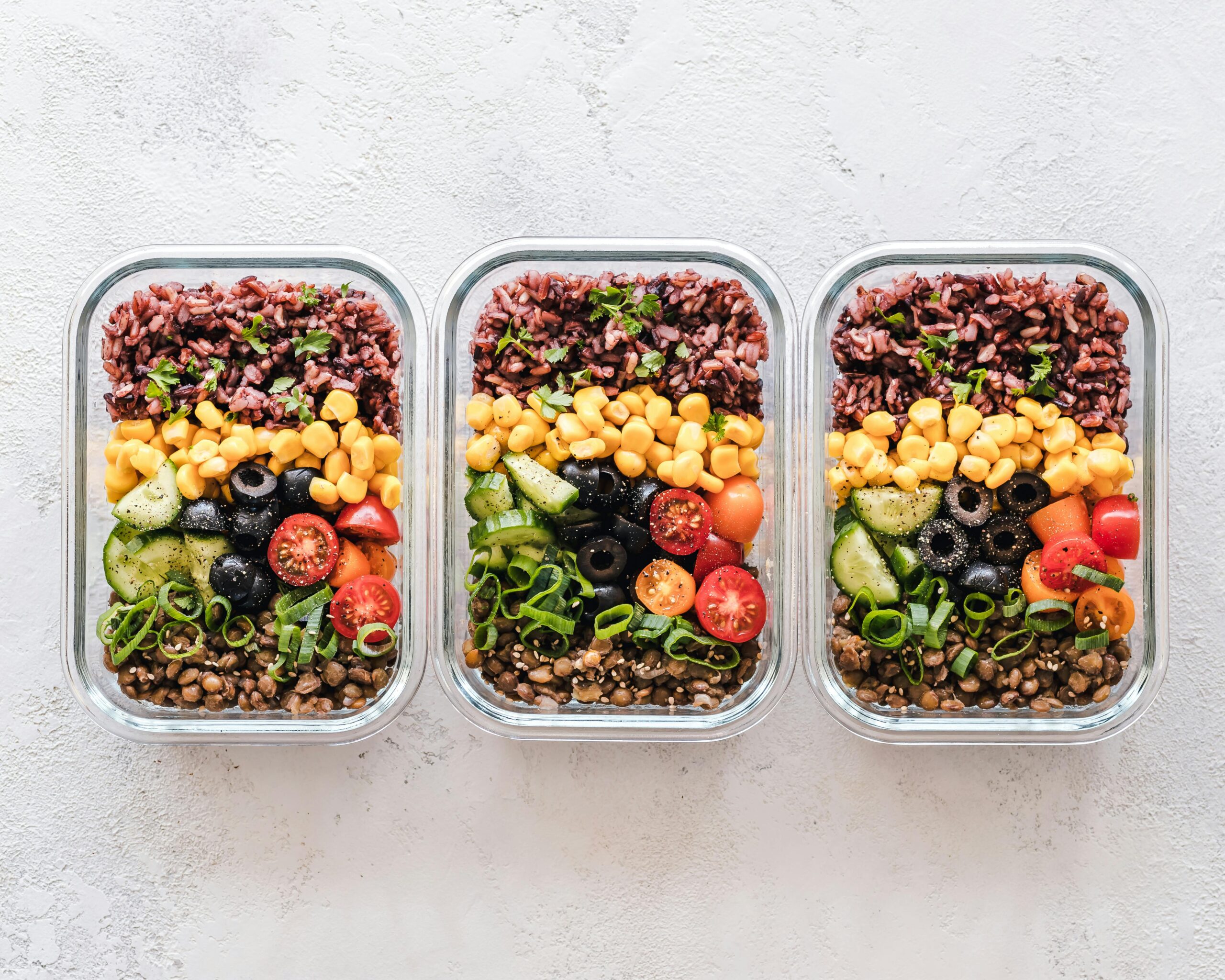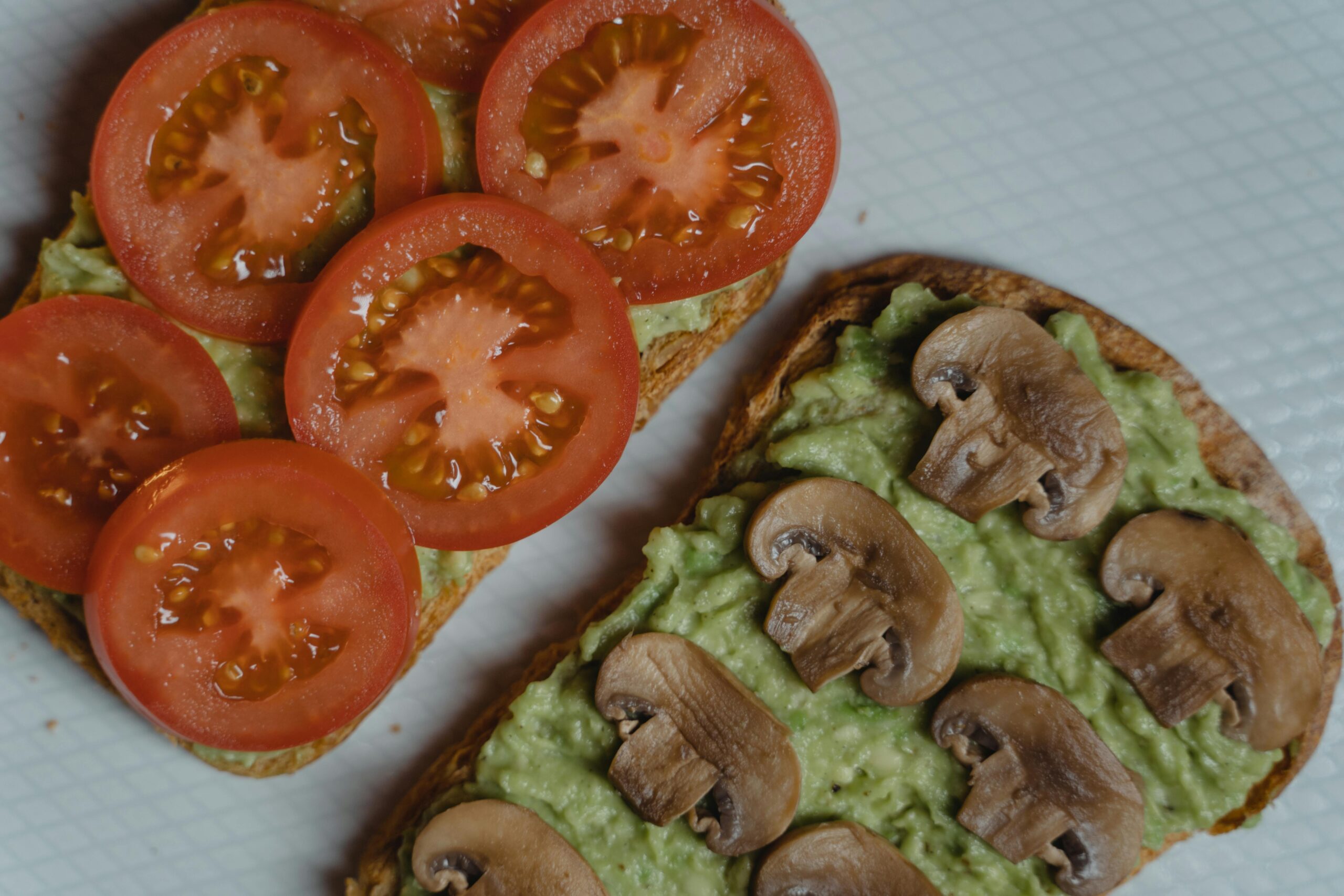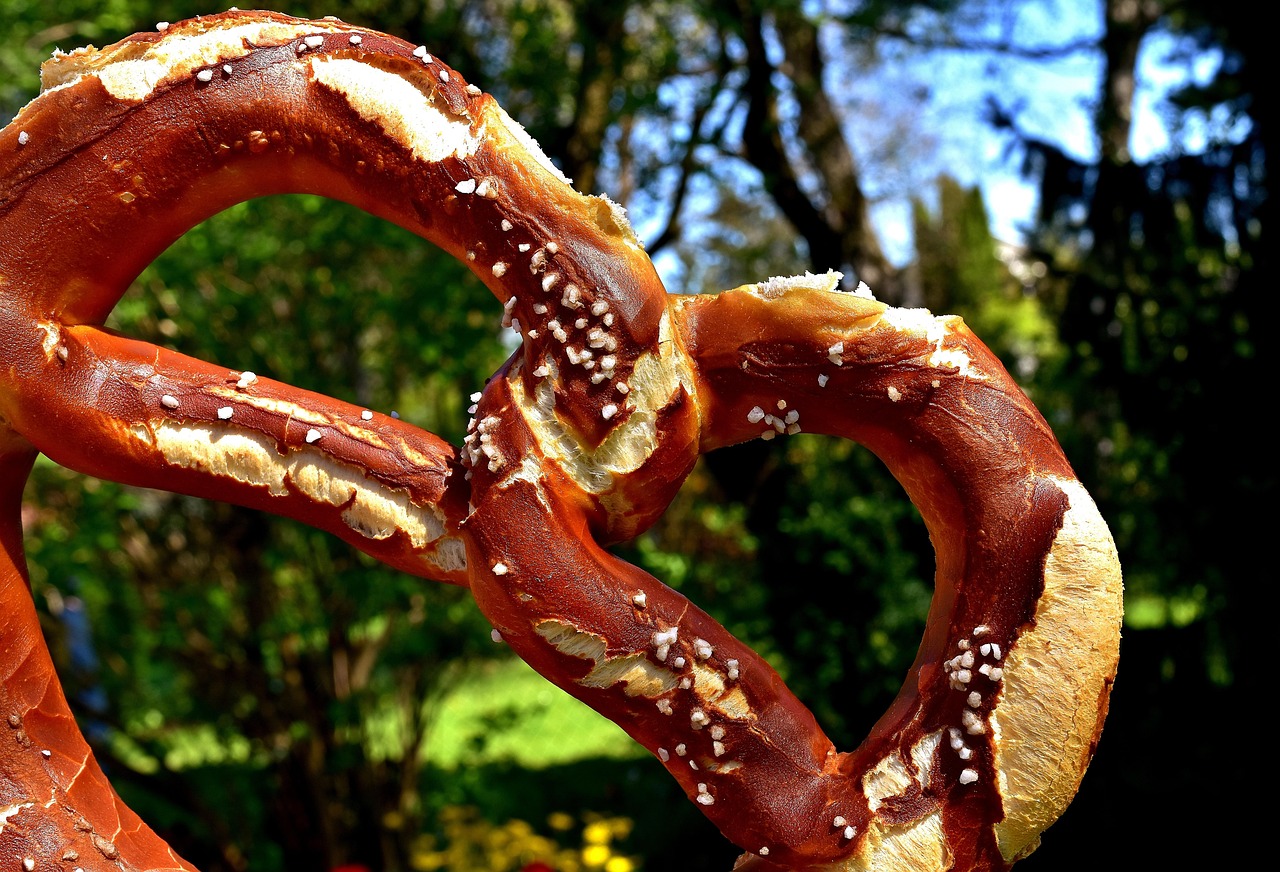
Long adventures demand sustained energy, and nothing fuels your body better than well-planned, nutritious meals. Meal prepping transforms your outdoor experiences by eliminating food stress and keeping you energized.

Whether you’re embarking on a multi-day hiking expedition, planning a road trip across the country, or preparing for an extended camping adventure, having delicious, ready-to-eat meals can make the difference between an enjoyable journey and a challenging ordeal. The secret lies not just in packing food, but in strategically preparing meals that provide sustained energy, require minimal preparation on-site, and actually taste amazing after hours or days on the trail.
Why Meal Prep Matters for Adventure Enthusiasts 🎒
The importance of proper meal preparation extends far beyond simple convenience. When you’re pushing your body through demanding physical activities, your nutritional needs skyrocket. Poor food choices or inadequate calorie intake can lead to fatigue, decreased mental clarity, and even dangerous situations in remote locations.
Meal prepping allows you to control exactly what goes into your body. You can balance macronutrients, ensure adequate protein for muscle recovery, include complex carbohydrates for sustained energy, and incorporate healthy fats that keep you satisfied longer. Additionally, preparing meals in advance saves precious time during your adventure, giving you more moments to enjoy the scenery rather than struggling with cooking equipment.
Financial savings represent another compelling advantage. Pre-packaged trail foods and energy bars can cost a fortune, especially for extended trips. By preparing your own meals, you’ll save significant money while eating better quality food that’s customized to your taste preferences and dietary requirements.
Essential Principles for Adventure Meal Planning ⛰️
Before diving into specific recipes, understanding core meal prep principles ensures your food stays fresh, travels well, and provides optimal nutrition throughout your journey.
Calorie Density and Nutritional Balance
Adventure activities burn substantially more calories than sedentary lifestyles. Depending on intensity, you might need anywhere from 3,000 to 6,000 calories daily. Focus on calorie-dense foods that pack maximum nutrition in minimal weight and volume. Nuts, nut butters, dried fruits, whole grains, and healthy oils become your best friends.
Your meals should include a balance of approximately 50-60% carbohydrates for quick and sustained energy, 15-20% protein for muscle repair and satiety, and 25-30% healthy fats for long-lasting fuel. These percentages can be adjusted based on activity intensity and personal metabolism.
Shelf Stability and Food Safety
Without refrigeration, food safety becomes paramount. Choose ingredients that naturally resist spoilage, and learn proper storage techniques. Dehydrated foods, vacuum-sealed items, and preservative-free dried goods form the foundation of safe adventure eating.
Consider the climate and temperature conditions you’ll face. Foods that work perfectly in cool mountain environments might spoil quickly in hot desert settings. Always err on the side of caution and when in doubt, throw it out.
Breakfast Recipes That Jumpstart Your Morning 🌅
Overnight Energy Oats (No Cooking Required)
This make-ahead breakfast requires zero morning preparation and delivers sustained energy for hours of activity. In a wide-mouth jar or container, combine rolled oats with chia seeds, dried cranberries, chopped nuts, cinnamon, and a pinch of salt. At camp, simply add water (cold is fine), stir, and let sit for 5-10 minutes while you break down your tent or organize gear.
The chia seeds provide omega-3 fatty acids and help create a creamy texture, while the oats deliver complex carbohydrates that release energy steadily throughout your morning activities. Pack individual servings in zip-lock bags or small containers for grab-and-go convenience.
Protein-Packed Breakfast Burritos
Before your trip, scramble eggs with black beans, peppers, onions, and cheese. Wrap generous portions in large tortillas, then individually wrap in foil. These can be eaten cold or heated over a camp stove. They provide complete protein, complex carbs, and satisfying flavors that make breakfast something to look forward to.
For extended trips, consider using dehydrated egg powder mixed with dried vegetables and pre-cooked bacon bits. This lightweight alternative reduces weight while maintaining nutritional value.
Homemade Granola Clusters
Commercial granola often contains excessive sugar and lacks the protein needed for demanding activities. Create your own by mixing oats, nuts, seeds, coconut flakes, and a small amount of honey or maple syrup. Bake until golden and crispy, then break into clusters. Eat dry as a snack or with powdered milk reconstituted with water for a complete breakfast.
Lunch Ideas That Travel Well 🥪
Mediterranean Quinoa Salad
Quinoa is an adventure food superstar—it’s a complete protein, stays fresh without refrigeration for reasonable periods, and tastes delicious cold. Prepare quinoa according to package directions, then mix with sun-dried tomatoes, olives, chickpeas, cucumber (which holds up surprisingly well for 1-2 days), feta cheese, and a lemon-herb dressing made with olive oil.
Pack in airtight containers and this salad will fuel a full afternoon of hiking or biking. The combination of protein from quinoa and chickpeas, healthy fats from olives and oil, and carbohydrates creates the perfect energy balance.
Hearty Trail Wraps
Wraps offer endless variety and hold up better than sandwiches in backpack conditions. Use sturdy tortillas or flatbreads as your base. Fill with combinations like hummus with roasted vegetables, peanut butter with banana and honey, or tuna (in foil packets) with avocado and greens.
The key is choosing ingredients that won’t make the wrap soggy. Apply spreads as barriers between wet ingredients and the tortilla, and consider packing components separately to assemble at lunchtime.
Dehydrated Soup Mixes
Create custom soup mixes by combining dehydrated vegetables, pasta or rice, dried beans, bouillon powder, and seasonings in individual bags. At lunch, simply add boiling water and wait 10-15 minutes. These soups provide warmth on cold days and rehydration when you need it most.
Lentil-based soups work particularly well because lentils rehydrate quickly and provide substantial protein and fiber. Add dried mushrooms for umami flavor and dried tomatoes for brightness.
Dinner Recipes for Recovery and Restoration 🍲
One-Pot Pasta Primavera
Combine small pasta shapes with an assortment of freeze-dried or dehydrated vegetables (broccoli, peppers, zucchini, tomatoes), powdered Parmesan cheese, garlic powder, Italian herbs, and a touch of olive oil powder or butter powder. At camp, boil water, add your mix, and cook until the pasta is tender and most liquid is absorbed.
This meal provides carbohydrates for glycogen replenishment, vegetables for micronutrients and fiber, and enough calories to support overnight recovery. The one-pot preparation minimizes cleanup—a blessing after a long day.
Backcountry Curry With Rice
Pre-mix dehydrated vegetables, red lentils, curry powder, coconut milk powder, dried garlic, ginger powder, and salt in one bag, with instant rice in a separate bag. At dinner time, rehydrate the curry mixture first, allowing lentils to soften, then add the instant rice during the final few minutes of cooking.
This aromatic meal delivers comfort food vibes while providing complete nutrition. Lentils offer plant-based protein, coconut milk adds healthy fats and richness, and the spices provide anti-inflammatory compounds that aid recovery.
Shepherd’s Pie Reimagined
Create a dehydrated mixture of ground beef or TVP (textured vegetable protein), dried peas and carrots, beef bouillon, Worcestershire sauce powder, and herbs. Pack instant mashed potato flakes separately. Rehydrate the meat mixture thoroughly, then top with mashed potatoes prepared according to package directions.
This hearty meal feels like home cooking and provides the substantial calories and protein your body craves after demanding physical activity. The familiar comfort food appeal provides psychological benefits too, boosting morale during challenging adventures.
Snacks and Energy Boosters Throughout the Day 🥜
Strategic snacking maintains energy levels between meals and prevents the bonking that can derail your adventure plans. Aim to eat something every 1-2 hours during active periods.
Homemade Energy Balls
Blend dates, nuts, cocoa powder, coconut flakes, and a pinch of sea salt in a food processor until mixture sticks together. Roll into bite-sized balls and pack in small containers. These provide quick energy from dates’ natural sugars, sustained energy from nuts’ healthy fats, and satisfying chocolate flavor without processed ingredients.
Savory Trail Mix Combinations
Move beyond typical sweet trail mixes by creating savory versions. Combine roasted chickpeas, wasabi peas, pretzels, pumpkin seeds, and coconut chips with a sprinkle of nutritional yeast and sea salt. The sodium helps with electrolyte balance, while the variety of textures and flavors keeps snacking interesting.
Fruit and Nut Bars
Create your own energy bars by pressing together pureed dried fruit, chopped nuts, seeds, oats, and a binding agent like honey or nut butter. Press firmly into a pan, refrigerate until set, then cut into bars and wrap individually. These pack easily, provide balanced nutrition, and cost a fraction of commercial alternatives.
Hydration Strategies and Drink Mixes 💧
Proper hydration is as critical as nutrition for maintaining energy during adventures. Plain water is essential, but electrolyte replacement becomes increasingly important during extended or strenuous activities.
Create homemade electrolyte mixes by combining a small amount of sugar or honey, a pinch of salt, and flavor from dried citrus powder or herbal tea crystals. This DIY sports drink costs pennies compared to commercial options and contains no artificial colors or preservatives.
For cold weather adventures, pack instant coffee, tea bags, hot chocolate mix, or dried soup broth to provide warming beverages that boost morale and provide calories. The psychological comfort of a hot drink cannot be overstated when facing challenging conditions.
Meal Prep Organization and Packing Strategies 📦
The Day-Based System
Organize meals by day rather than by meal type. Create bags or stuff sacks labeled “Day 1,” “Day 2,” etc., containing all meals and snacks for that 24-hour period. This system simplifies meal planning in the field and helps you track whether you’re consuming adequate calories.
Weight Distribution and Accessibility
Pack heavier items low and close to your back in your backpack, but keep snacks and lunch items easily accessible in outside pockets or top compartments. You don’t want to unpack your entire bag every time you need a quick energy boost.
Consider weight distribution throughout your trip. If you’re resupplying mid-journey, calculate food weight so you’re not carrying unnecessary pounds during early days. For multi-day trips without resupply, accept that the first day will be heaviest and plan accordingly.
Storage Solutions That Work
Invest in quality storage solutions. Vacuum-sealed bags extend shelf life and compress volume. Wide-mouth jars with secure lids work beautifully for foods you’ll eat directly from the container. Silicone bags offer reusability and durability that disposable bags can’t match.
Label everything clearly with contents and preparation instructions. When you’re tired at the end of a long day, you don’t want to guess which bag contains which meal or how to prepare it.
Special Dietary Considerations for Trail Nutrition 🌱
Adventure meal prep adapts beautifully to various dietary needs. Plant-based adventurers can rely on combinations like beans and rice, nut butters, seeds, and dehydrated vegetables to meet protein requirements. The variety of plant proteins available ensures complete amino acid profiles.
For gluten-free needs, rice, quinoa, corn-based products, and certified gluten-free oats provide carbohydrate sources. Many dehydrated meals naturally avoid gluten when you prepare them yourself rather than relying on commercial options.
Those with food allergies benefit tremendously from homemade meal prep because you control every ingredient. Clearly label any shared food storage areas if traveling with groups to prevent cross-contamination.
Maximizing Flavor in Lightweight Meals 🌶️
One common complaint about adventure food is blandness. Combat this by carrying a small spice kit with versatile seasonings: garlic powder, onion powder, chili flakes, curry powder, Italian herbs, cinnamon, and individual salt and pepper packets.
Small bottles of hot sauce, soy sauce packets (saved from takeout), or olive oil add flavor dimension without significant weight. Dried herbs retain flavor remarkably well and weigh almost nothing. Fresh garlic and ginger, while heavier, last several days and transform simple meals into memorable experiences.
Miso paste packets or bouillon cubes add umami depth to soups, rice dishes, and pasta meals. Nutritional yeast provides cheesy, savory flavor for plant-based meals while adding B vitamins and protein.
Sustainable Adventure Eating Practices ♻️
Responsible adventure eating extends beyond personal nutrition to environmental impact. Choose bulk ingredients to minimize packaging waste. Bring reusable storage containers instead of single-use plastics. Pack out all trash, including food scraps that might attract wildlife.
Source ingredients locally when possible, supporting communities near your adventure locations. Choose organic ingredients when available, especially for heavily-sprayed crops like strawberries, spinach, and oats.
Consider the environmental footprint of ingredient choices. Plant-based proteins generally have lower environmental impact than animal proteins. Sustainably sourced fish, when available in shelf-stable pouches, provides nutrition with responsible harvesting practices.
Testing and Refining Your Meal Prep System 🔄
Before embarking on a major adventure, test your meal prep system on shorter trips. You’ll discover personal preferences, identify meals that travel well versus those that don’t, and determine realistic portion sizes for your activity level and metabolism.
Keep notes about what worked and what didn’t. Did certain meals leave you feeling sluggish? Did others provide sustained energy? Were portions adequate or did you end up hungry? This feedback loop refines your system for future adventures.
Experiment with preparation methods at home before relying on them in the backcountry. Practice rehydrating meals to learn timing and water quantities. Test your camp stove with the types of cooking you’ll actually do in the field.
Building Your Adventure Meal Prep Confidence 💪
Starting with meal prep for adventures might feel overwhelming, but begin simply. Your first trips can feature basic meals like instant oatmeal, trail mix, and one-pot pasta dishes. As you gain experience and confidence, gradually incorporate more complex recipes and techniques.
Join online communities focused on backcountry cooking and meal prep. These groups share recipes, troubleshooting advice, and creative solutions to common challenges. Learning from experienced adventurers accelerates your skill development.
Remember that imperfection is part of the process. Even experienced meal preppers occasionally create a dish that doesn’t quite work. Learn from these experiences, adjust, and keep refining your approach. The goal is nourishing your body adequately to fully enjoy your adventures, not achieving culinary perfection in challenging conditions.
The investment you make in developing meal prep skills pays dividends across countless adventures. You’ll save money, eat better, have more energy, and spend less time worrying about food and more time experiencing the incredible places your adventures take you. Start with simple recipes, stay organized, prioritize nutrition, and watch as proper fueling transforms your outdoor experiences from merely manageable to truly extraordinary.