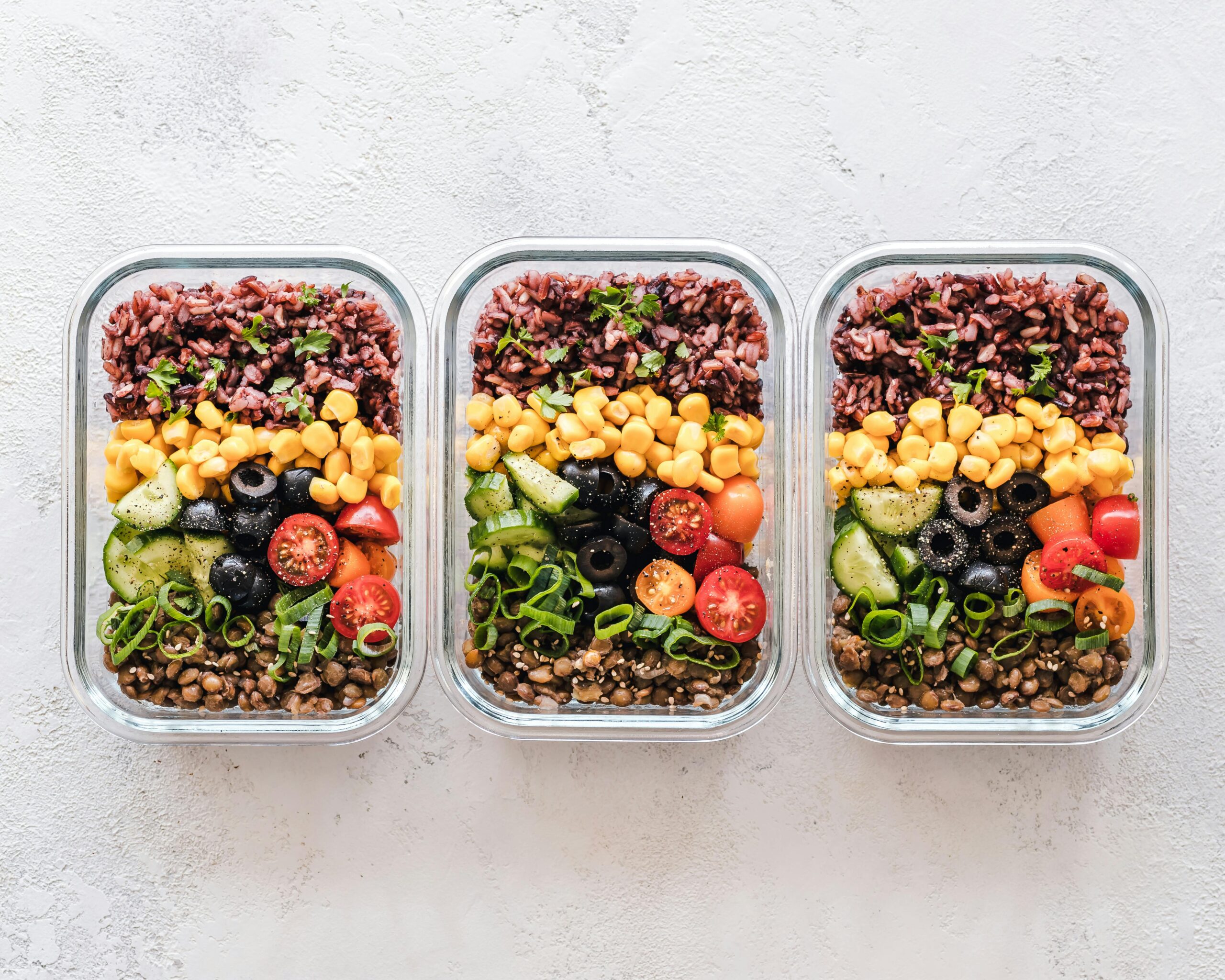
Your metabolism is the silent engine driving every function in your body, from breathing to thinking. Understanding how to optimize it through strategic meal timing and snack windows can transform your health, energy levels, and overall well-being.

The relationship between when you eat and how efficiently your body processes food is far more significant than most people realize. Modern research has revealed that our bodies operate on sophisticated biological clocks that influence digestion, hormone release, and energy utilization throughout the day.
🕐 Understanding Your Metabolic Clock: The Science Behind Timing
Your metabolism doesn’t function at the same rate throughout the day. It follows circadian rhythms—internal biological processes that regulate sleep-wake cycles, hormone production, and metabolic efficiency. These rhythms directly impact how your body processes nutrients, burns calories, and stores energy.
Research published in leading nutrition journals demonstrates that eating in alignment with your circadian rhythms can enhance insulin sensitivity, improve digestion, and promote better weight management. Your body anticipates food intake based on established patterns, preparing digestive enzymes and hormones accordingly.
The concept of chrononutrition—the study of how meal timing affects health—has gained significant scientific attention. Studies show that consuming the same meal at different times of day can produce vastly different metabolic responses. Morning meals, for instance, tend to generate better glucose control compared to identical meals consumed late at night.
The Hormonal Dance of Metabolism
Several key hormones orchestrate your metabolic processes throughout the day. Cortisol, often called the stress hormone, naturally peaks in the morning, helping you wake up and providing energy for the day ahead. Insulin sensitivity is typically highest during morning hours, making this an optimal time for consuming carbohydrates.
Ghrelin and leptin, your hunger and satiety hormones, also follow daily patterns. Ghrelin increases before expected meal times, stimulating appetite, while leptin signals fullness after eating. Irregular eating patterns can disrupt these hormonal signals, leading to increased hunger and potential overeating.
⏰ The Perfect Meal Timing Framework for Metabolic Optimization
Creating an ideal meal schedule isn’t about rigid rules but rather establishing a consistent framework that supports your body’s natural rhythms. The timing of your first and last meals of the day creates an eating window that significantly impacts metabolic health.
Breaking Your Fast: The Morning Advantage
Your first meal sets the metabolic tone for the entire day. Eating within two hours of waking helps synchronize your peripheral clocks—the timing systems in organs like your liver, pancreas, and digestive tract—with your central circadian clock in the brain.
A balanced breakfast containing protein, healthy fats, and complex carbohydrates provides sustained energy and helps stabilize blood sugar levels. This prevents the mid-morning energy crash that often leads to poor food choices later in the day. Aim to consume your first meal between 7:00 AM and 9:00 AM for optimal metabolic benefits.
For those practicing intermittent fasting, breaking your fast during daylight hours rather than late evening aligns better with natural metabolic patterns. Even if you extend your overnight fast, consuming your first meal before noon typically produces better metabolic outcomes than delaying it until afternoon.
Midday Fuel: Lunch as Your Metabolic Peak
Your metabolic rate naturally peaks during midday hours, making lunch an excellent opportunity to consume your largest meal. Between 12:00 PM and 2:00 PM, your digestive fire burns brightest, allowing for efficient processing of nutrients.
This contradicts the common Western pattern of eating light during the day and consuming large dinners. Research consistently shows that front-loading calories earlier in the day supports better weight management, improved glucose control, and enhanced fat oxidation compared to eating heavily in the evening.
Evening Meals: Timing Your Dinner for Success
As evening approaches, your metabolism naturally begins to slow down in preparation for rest and repair. Consuming dinner at least three to four hours before bedtime allows adequate time for digestion and prevents metabolic interference with sleep quality.
Ideally, finish your evening meal between 6:00 PM and 7:00 PM. This timing creates a natural overnight fasting period of 12-14 hours before breakfast, allowing your body to enter a state of repair and regeneration. Late-night eating disrupts these processes and can impair glucose metabolism the following day.
🍎 Strategic Snacking: Windows of Opportunity
Snacking has earned a controversial reputation in nutrition circles. The key isn’t whether you snack, but when and what you choose. Strategic snacking can bridge energy gaps between meals, prevent blood sugar crashes, and support metabolic health when done correctly.
The Two-Hour Rule
Spacing meals and snacks approximately two to three hours apart allows your insulin levels to return to baseline between eating episodes. Constant grazing keeps insulin elevated, which inhibits fat burning and can contribute to insulin resistance over time.
If you eat breakfast at 8:00 AM and lunch at 1:00 PM, a mid-morning snack around 10:30 AM makes metabolic sense. Similarly, an afternoon snack at 3:30 PM bridges the gap between lunch and a 6:30 PM dinner without triggering continuous insulin secretion.
Smart Snack Composition
The metabolic impact of snacks depends heavily on their nutritional composition. Snacks combining protein, healthy fats, and fiber provide sustained energy without causing dramatic blood sugar spikes. Consider options like:
- Greek yogurt with berries and nuts
- Apple slices with almond butter
- Hummus with vegetable sticks
- Hard-boiled eggs with cherry tomatoes
- Cheese with whole-grain crackers
- Mixed nuts and seeds
These combinations provide sustained energy, promote satiety, and support stable blood sugar levels throughout your snack window.
📊 Implementing Time-Restricted Eating for Metabolic Health
Time-restricted eating (TRE) has emerged as one of the most effective strategies for metabolic optimization. This approach condenses your daily eating into a specific window, typically ranging from 8 to 12 hours, while extending the overnight fasting period.
The 12:12 Approach for Beginners
Starting with a 12-hour eating window and 12-hour fasting period offers metabolic benefits without dramatic lifestyle changes. If you finish dinner by 7:00 PM, you simply delay breakfast until 7:00 AM the following morning.
This gentle approach allows your body to experience extended fasting benefits, including improved insulin sensitivity, enhanced cellular repair through autophagy, and better alignment with circadian rhythms. Most people find this schedule sustainable and compatible with social eating patterns.
Progressive Time Restriction
As your body adapts to a 12:12 pattern, you might gradually narrow your eating window to 10 or even 8 hours. A 16:8 protocol (16 hours fasting, 8 hours eating) has shown impressive metabolic benefits in research studies, including improved body composition, enhanced fat oxidation, and better cardiovascular health markers.
The key is consistency. Eating within the same window daily helps establish strong circadian rhythms and metabolic predictability. Weekend variations should remain minimal to maintain these benefits.
💡 Personalization: Finding Your Optimal Timing
While general principles apply to most people, individual factors influence your ideal meal timing. Your chronotype—whether you’re naturally a morning lark or night owl—affects when your metabolism functions optimally.
Morning People vs. Night Owls
Morning chronotypes typically experience peak metabolism earlier in the day and benefit from eating breakfast soon after waking. Night owls may naturally prefer slightly later meal times but should still avoid eating close to bedtime, as this disrupts sleep quality regardless of chronotype.
Work schedules, exercise timing, and cultural factors also influence practical meal timing. The goal is finding the most consistent schedule that aligns reasonably well with your circadian biology while fitting your lifestyle.
Tracking and Adjusting
Monitoring how different timing patterns affect your energy, hunger, sleep quality, and overall well-being provides valuable feedback. Keep a simple journal noting meal times, energy levels throughout the day, sleep quality, and hunger patterns.
After two to three weeks of consistent timing, patterns emerge that reveal your optimal schedule. Some people thrive with three meals and no snacks, while others perform better with two meals and one strategic snack.
🏃♀️ Exercise Timing and Metabolic Synergy
Exercise timing interacts significantly with meal timing to influence metabolic outcomes. Morning exercise in a fasted state enhances fat oxidation, while post-meal exercise improves glucose disposal and insulin sensitivity.
If you exercise in the morning before breakfast, consuming a protein-rich meal within two hours afterward supports muscle recovery and metabolic adaptation. Evening exercisers should allow at least an hour after their workout before eating dinner to maximize fat-burning benefits.
The combination of strategic meal timing and exercise timing creates powerful metabolic synergy. Training your body to expect fuel at consistent times while incorporating physical activity optimizes both energy utilization and body composition.
🌙 The Overnight Fasting Window: Your Metabolic Reset
The period between your last meal and breakfast represents crucial metabolic recovery time. During extended fasting, your body shifts from glucose metabolism to fat burning, activates cellular cleanup processes, and allows digestive organs to rest and regenerate.
Aim for at least 12 hours between your last bite of dinner and your first bite of breakfast. This overnight fasting window supports metabolic flexibility—your body’s ability to efficiently switch between burning carbohydrates and fats for fuel.
Late-night snacking disrupts this metabolic switching and interferes with sleep quality. The digestive process diverts energy from repair and restoration processes that should occur during sleep. Even small snacks trigger insulin release and metabolic activity that can impair sleep depth and duration.
🎯 Common Mistakes That Sabotage Meal Timing Benefits
Understanding what not to do is equally important as knowing the right strategies. Several common mistakes undermine the benefits of strategic meal timing:
- Inconsistent timing: Varying meal times by more than an hour disrupts circadian rhythms and metabolic predictability
- Skipping breakfast for convenience: Unless practicing intentional intermittent fasting, skipping breakfast often leads to overeating later
- Eating too close to bedtime: Food consumed within three hours of sleep impairs both digestion and sleep quality
- Constant grazing: Eating every hour keeps insulin elevated and prevents fat burning
- Ignoring hunger signals: Eating by the clock while ignoring genuine hunger or forcing food when not hungry
📱 Tools and Technology for Timing Success
Several smartphone applications can help you establish and maintain consistent meal timing patterns. These tools provide reminders, tracking capabilities, and insights into your eating patterns over time.
Apps like Zero, which specializes in intermittent fasting tracking, help you monitor your fasting and eating windows while providing educational content about metabolic health. Simple features like fasting timers and eating window notifications support consistency.
Other helpful apps include MyFitnessPal for comprehensive meal logging and timing analysis, or simple habit-tracking apps that remind you to eat at consistent times. The key is choosing tools that support rather than complicate your routine.
🌟 Building Your Sustainable Meal Timing Strategy
Creating lasting change requires a gradual, sustainable approach. Start by establishing consistent meal times for just one week, even if those times aren’t yet optimal. Consistency matters more initially than perfection.
Once you’ve maintained consistent timing for a week, begin adjusting toward more metabolically optimal windows. Shift breakfast 15 minutes earlier or dinner 15 minutes earlier each week until you reach your target schedule.
Remember that social occasions and special circumstances will occasionally disrupt your schedule. This is normal and expected. The goal is achieving consistency 80-90% of the time, not perfection every single day.

🔬 The Long-Term Metabolic Payoff
The benefits of strategic meal timing compound over time. Initial improvements in energy and digestion often appear within the first week. Blood sugar stabilization typically emerges within two to three weeks. Meaningful changes in body composition and metabolic markers usually become evident after six to eight weeks of consistency.
Long-term adherence to aligned meal timing supports healthy aging, reduces inflammation, improves cardiovascular health, and may even extend lifespan according to emerging research. These benefits extend far beyond weight management into fundamental aspects of health and longevity.
Your metabolism responds beautifully to consistent, predictable patterns that honor its circadian nature. By mastering meal timing and strategic snacking windows, you unlock powerful metabolic potential that transforms how you look, feel, and function every single day.
The journey toward metabolic mastery begins with a single meal eaten at the right time. Start today by choosing one meal to eat at a consistent time for the next seven days. Notice the difference, then build from there. Your metabolism will thank you with improved energy, better health, and a more vibrant life.