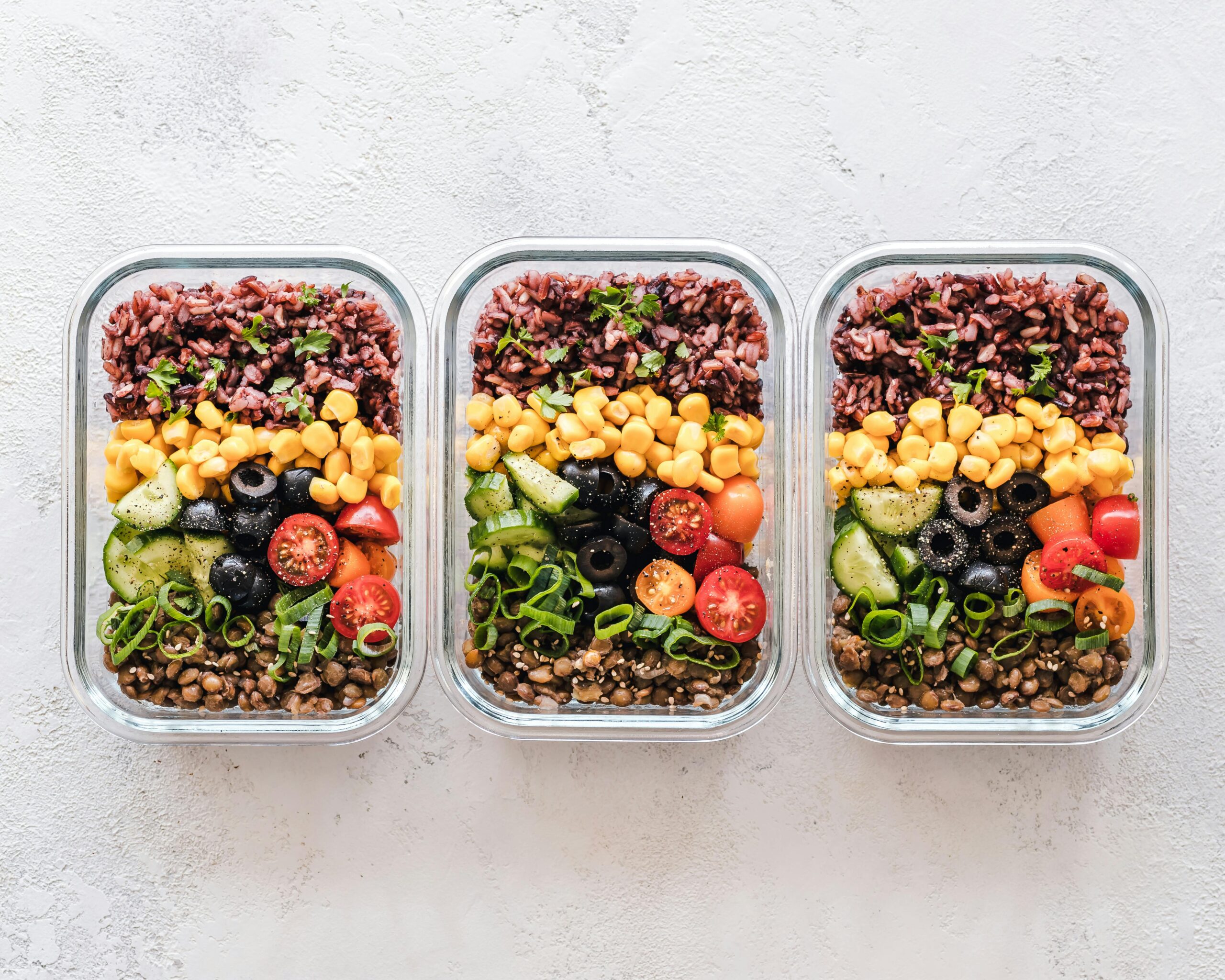
Time-restricted eating has emerged as one of the most accessible and science-backed approaches to improving metabolic health, losing weight, and enhancing overall well-being without drastically changing what you eat.

Unlike traditional diets that focus on calorie counting or food restrictions, this revolutionary method centers on when you eat rather than what’s on your plate. The growing body of scientific research supporting time-restricted eating has transformed it from a niche concept into a mainstream wellness strategy embraced by health enthusiasts, medical professionals, and everyday people seeking sustainable lifestyle changes.
🔬 Understanding the Fundamentals of Time-Restricted Eating
Time-restricted eating, often abbreviated as TRE, is an eating pattern that consolidates all your daily food intake into a specific window of time, typically ranging from 6 to 12 hours. The remaining hours constitute your fasting period, during which only water, black coffee, or unsweetened tea are consumed.
This approach aligns with your body’s circadian rhythm—the internal biological clock that regulates countless physiological processes. When you eat in harmony with these natural cycles, your body becomes more efficient at processing nutrients, burning fat, and repairing cellular damage.
The beauty of time-restricted eating lies in its simplicity. You’re not eliminating entire food groups, weighing portions obsessively, or purchasing expensive meal replacements. You’re simply compressing your eating window and allowing your body extended periods without caloric intake.
The Biological Clock Connection
Your circadian rhythm influences hormone production, metabolism, digestion, and even gene expression. Research has shown that eating late at night or grazing throughout the day disrupts these natural rhythms, leading to metabolic dysfunction, weight gain, and increased disease risk.
When you practice time-restricted eating, you synchronize your eating patterns with your body’s peak metabolic efficiency hours. Most people find that eating earlier in the day—when insulin sensitivity is highest and digestive capacity is strongest—yields better results than late-night eating.
🧬 The Scientific Mechanisms Behind Time-Restricted Eating
The effectiveness of time-restricted eating stems from several interconnected biological processes that activate during fasting periods. Understanding these mechanisms helps explain why this approach delivers such impressive health outcomes.
Metabolic Switching and Fat Burning
After approximately 12 hours without food, your body depletes its glycogen stores and begins metabolic switching—transitioning from using glucose as its primary fuel source to burning stored fat. This process produces ketones, molecules that provide energy while also offering neuroprotective and anti-inflammatory benefits.
This metabolic flexibility is crucial for optimal health. Modern eating patterns, which often involve constant snacking and late-night meals, keep the body perpetually in glucose-burning mode, preventing this beneficial fat-burning state.
Autophagy: Your Body’s Cellular Cleaning System
Extended fasting periods trigger autophagy, a cellular maintenance process where damaged components are broken down and recycled. Think of it as your body’s internal recycling program that removes dysfunctional proteins and organelles, reducing inflammation and potentially lowering cancer risk.
Autophagy begins ramping up after about 16 hours of fasting, which is why many practitioners aim for at least this duration. This process has been linked to longevity, improved cognitive function, and protection against neurodegenerative diseases.
Insulin Sensitivity and Blood Sugar Regulation
Time-restricted eating significantly improves insulin sensitivity—your cells’ ability to respond to insulin and efficiently absorb glucose from the bloodstream. Better insulin sensitivity means more stable blood sugar levels, reduced diabetes risk, and decreased fat storage.
Each time you eat, insulin rises to help shuttle nutrients into cells. Constant eating keeps insulin chronically elevated, eventually leading to insulin resistance. By limiting your eating window, you give insulin levels time to drop, allowing your cells to regain their sensitivity.
⏰ Popular Time-Restricted Eating Protocols
Several eating windows have gained popularity, each offering different benefits and levels of difficulty. Choosing the right protocol depends on your lifestyle, goals, and experience level.
The 16:8 Method: The Gold Standard
The most popular approach involves fasting for 16 hours and eating within an 8-hour window. For example, you might eat between noon and 8 PM, then fast from 8 PM to noon the following day. This protocol is sustainable for most people and delivers significant metabolic benefits.
Many practitioners find that skipping breakfast feels natural once adapted, as morning hunger often diminishes after the first week. Others prefer eating breakfast and an early dinner, skipping evening meals instead.
The 14:10 Method: The Beginner-Friendly Option
For those new to time-restricted eating, a 14-hour fast with a 10-hour eating window provides an gentler introduction. You might eat between 9 AM and 7 PM, which feels less restrictive while still offering metabolic advantages.
Research suggests that even this moderate approach can improve insulin sensitivity, support weight loss, and enhance cardiovascular health markers when practiced consistently.
The 18:6 and 20:4 Protocols: Advanced Approaches
More experienced practitioners sometimes extend their fasting window to 18 or even 20 hours, eating within a 6 or 4-hour window. These aggressive protocols amplify the metabolic benefits but require careful planning to ensure adequate nutrition.
These advanced methods aren’t necessary for everyone and should only be attempted after successfully adapting to more moderate fasting windows.
💪 Evidence-Based Health Benefits
The scientific literature on time-restricted eating has exploded in recent years, with studies demonstrating benefits across multiple health domains.
Weight Loss and Body Composition
Time-restricted eating facilitates weight loss through multiple mechanisms: reduced overall calorie intake, enhanced fat burning, and improved metabolic efficiency. Studies show that people naturally consume fewer calories when eating windows are limited, even without consciously restricting intake.
Importantly, research indicates that TRE helps preserve lean muscle mass during weight loss better than traditional calorie restriction, resulting in improved body composition rather than just lower scale numbers.
Cardiovascular Health Improvements
Clinical trials have documented improvements in blood pressure, cholesterol profiles, and inflammatory markers among time-restricted eating practitioners. These cardiovascular benefits occur independent of weight loss, suggesting that the fasting period itself offers protective effects.
One study found that participants following a 10-hour eating window for 12 weeks experienced significant reductions in LDL cholesterol and systolic blood pressure, with benefits persisting even after the study concluded.
Brain Health and Cognitive Function
The ketones produced during fasting serve as highly efficient brain fuel, potentially enhancing mental clarity, focus, and cognitive performance. Many practitioners report increased productivity and sharper thinking during fasting hours.
Animal studies suggest that time-restricted eating may protect against Alzheimer’s disease, Parkinson’s disease, and age-related cognitive decline, though human research in this area is still emerging.
Longevity and Cellular Health
Research in model organisms consistently shows that time-restricted eating extends lifespan and delays age-related diseases. While human longevity studies are inherently difficult to conduct, the cellular mechanisms activated by TRE—including autophagy, reduced oxidative stress, and improved mitochondrial function—all support healthy aging.
🍽️ Practical Implementation Strategies
Successfully adopting time-restricted eating requires more than understanding the science—it demands practical strategies that fit your lifestyle and support long-term adherence.
Choosing Your Eating Window
The best eating window is one you can maintain consistently. Consider your work schedule, family meal times, social commitments, and personal preferences. Consistency matters more than perfection, so choose a window that aligns with your life rather than fighting against it.
Many people find that eating between noon and 8 PM works well for social and family dinners while allowing them to skip breakfast without major lifestyle disruption. Experiment to discover what feels sustainable for you.
What to Eat During Your Window
While time-restricted eating doesn’t require specific food choices, what you eat still matters for overall health. Focus on nutrient-dense whole foods: vegetables, fruits, lean proteins, healthy fats, and whole grains. These foods provide sustained energy and essential nutrients your body needs.
Avoid the temptation to compensate for fasting hours by overeating or choosing highly processed foods during your eating window. This defeats many of the metabolic benefits and can leave you feeling sluggish.
Staying Hydrated and Managing Hunger
During fasting hours, prioritize hydration with water, herbal tea, or black coffee. These beverages don’t break your fast and can help manage hunger. Many people find that morning hunger dissipates after the first hour, especially once the body adapts to using stored fat for fuel.
If hunger becomes overwhelming, consider whether you’re truly hungry or simply habituated to eating at certain times. Often, the sensation passes within 15-20 minutes if you stay busy and hydrated.
📱 Technology and Tracking Tools
Several smartphone applications can help you track your fasting windows, monitor progress, and stay motivated. These tools provide timers, educational content, and community support features that enhance adherence.
Tracking apps remove guesswork by clearly showing when your fasting period begins and ends, helping you maintain consistency. Many also include features to log how you feel, track weight changes, and learn more about the science behind fasting.
⚠️ Important Considerations and Precautions
While time-restricted eating is safe and beneficial for most people, certain groups should exercise caution or consult healthcare providers before beginning.
Who Should Be Cautious
Pregnant or breastfeeding women, children and adolescents, people with a history of eating disorders, and individuals with certain medical conditions (particularly diabetes requiring medication) should speak with healthcare professionals before starting time-restricted eating.
Those taking medications that require food should work with their doctors to adjust timing or determine if TRE is appropriate for their situation.
Potential Side Effects and Adaptation
During the first week or two, you may experience hunger, irritability, difficulty concentrating, or low energy as your body adapts to the new eating pattern. These symptoms typically resolve within 10-14 days as metabolic flexibility improves.
Some people experience headaches, likely due to dehydration or caffeine withdrawal. Ensuring adequate hydration and electrolyte intake often resolves these issues.
🎯 Maximizing Your Success with Time-Restricted Eating
Long-term success with time-restricted eating requires more than just following the clock—it involves developing sustainable habits and maintaining flexibility.
Start Gradually
If you currently eat throughout a 15-hour window, jumping immediately to 16:8 may feel overwhelming. Instead, gradually narrow your eating window by 30-60 minutes every few days until you reach your target. This gentle approach increases adherence and reduces side effects.
Allow for Flexibility
Life includes special occasions, travel, and unexpected events. Missing your eating window occasionally won’t derail your progress. The goal is consistency over time, not perfection every single day. Many successful practitioners follow their eating window strictly during weekdays and relax somewhat on weekends.
Combine with Other Healthy Habits
Time-restricted eating works synergistically with other wellness practices. Regular physical activity, quality sleep, stress management, and social connection all enhance the benefits of TRE and support overall health.
Exercise during fasting hours can be particularly effective for fat burning, though intense workouts may require some adaptation. Many people find morning or pre-meal workouts ideal.
🌟 Real-World Success Stories and Research Outcomes
Clinical research consistently demonstrates impressive outcomes for time-restricted eating participants. One landmark study at the Salk Institute found that mice limited to an 8-hour eating window were protected from obesity, diabetes, and liver disease despite eating the same high-fat diet as mice with unrestricted eating.
Human studies show similar promise. Research published in Cell Metabolism found that men with prediabetes who followed a 6-hour eating window for five weeks experienced dramatic improvements in insulin sensitivity, blood pressure, and oxidative stress, with benefits persisting even without weight loss.
Anecdotal reports from practitioners worldwide describe sustained weight loss, increased energy, improved mental clarity, better sleep quality, and reduced inflammation. While individual results vary, the consistency of positive experiences across diverse populations speaks to the broad applicability of this approach.
🔮 The Future of Time-Restricted Eating Research
The field of chrononutrition—the study of how meal timing affects health—continues to evolve rapidly. Ongoing research explores optimal eating windows for different populations, the interaction between TRE and exercise timing, and potential applications for disease prevention and treatment.
Scientists are investigating how time-restricted eating might support cancer treatment, improve outcomes for shift workers whose circadian rhythms are disrupted, and enhance athletic performance. Personalized approaches based on genetic factors and individual circadian phenotypes represent an exciting frontier.
As our understanding deepens, time-restricted eating may become a standard recommendation in clinical practice for metabolic health, weight management, and disease prevention.

🚀 Taking Your First Steps Toward Time-Restricted Eating
Beginning your time-restricted eating journey doesn’t require special equipment, expensive supplements, or complex meal planning. Start by observing your current eating patterns for a few days, noting when you consume your first and last calories each day.
Choose a modest initial goal, such as achieving a 12-hour overnight fast, then gradually extend that window as you adapt. Focus on breaking your fast with balanced, nutritious meals that provide sustained energy rather than refined carbohydrates that spike blood sugar.
Remember that this is a marathon, not a sprint. The most successful practitioners view time-restricted eating as a sustainable lifestyle modification rather than a temporary diet. With patience, consistency, and attention to how your body responds, you can unlock the remarkable benefits this science-backed approach offers.
Time-restricted eating represents a paradigm shift in how we think about nutrition—emphasizing when we eat as much as what we eat. By aligning your eating patterns with your body’s natural rhythms, you tap into ancient biological mechanisms that promote health, vitality, and longevity. Whether you’re seeking weight loss, metabolic improvement, or simply a more energized life, this revolutionary approach offers a practical, sustainable path forward.