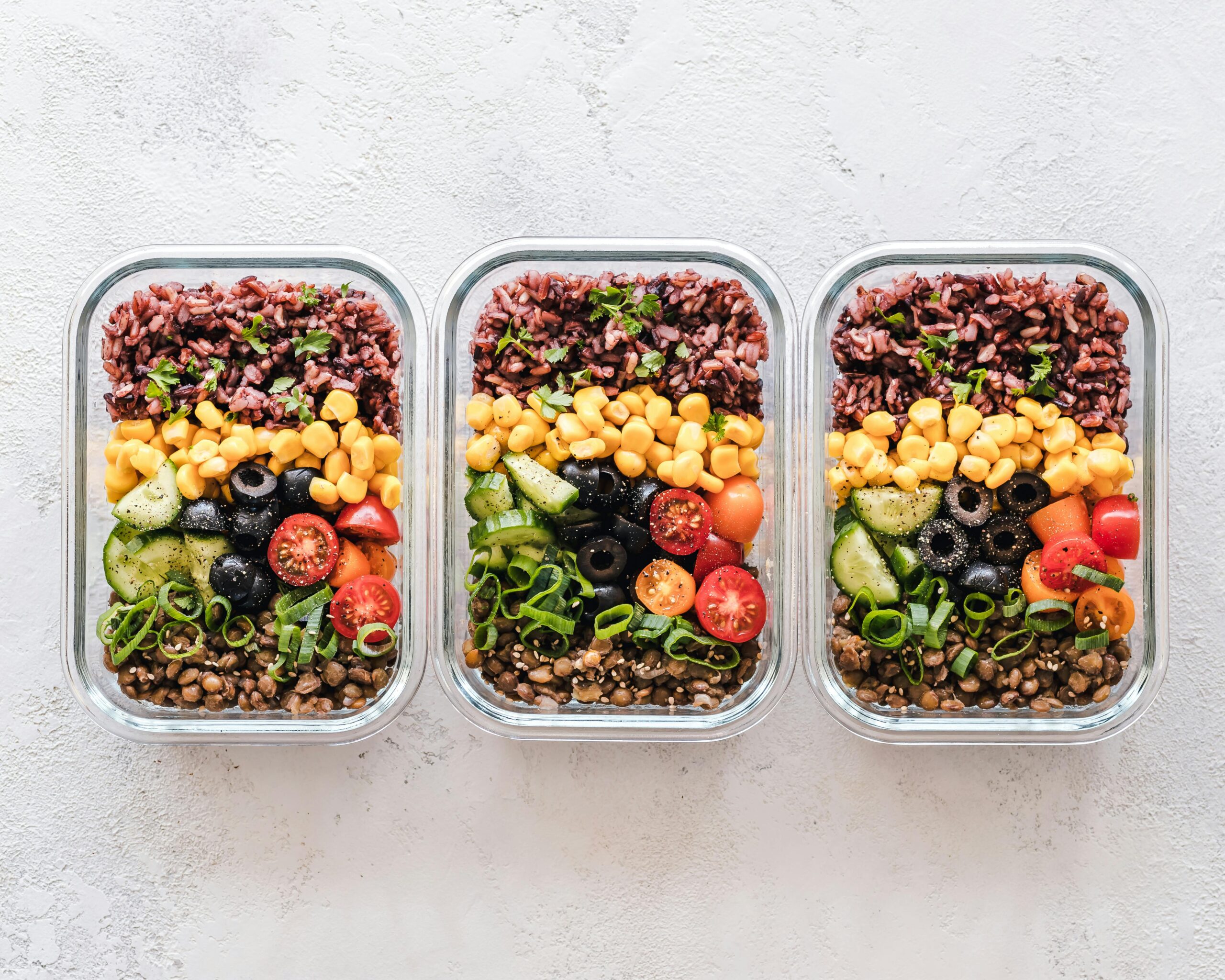
Shift work doesn’t have to sabotage your health goals. With strategic meal planning and nutrition timing, you can maintain optimal energy levels, support your metabolism, and feel your best regardless of when you clock in.

Whether you’re working night shifts at a hospital, rotating schedules in manufacturing, or pulling irregular hours in emergency services, your eating patterns directly impact your performance, mood, and long-term wellbeing. The challenge isn’t just what you eat—it’s when and how you fuel your body across unconventional schedules that makes all the difference.
🌙 Understanding Your Body’s Circadian Rhythm and Shift Work
Your body operates on an internal 24-hour clock called the circadian rhythm, which regulates everything from hormone production to digestion. When you work non-traditional hours, this natural cycle faces disruption, affecting how your body processes food and manages energy.
Night shift workers experience particular challenges because eating during hours when your body expects to rest can lead to metabolic confusion. Research shows that shift workers have higher risks of digestive issues, weight gain, and metabolic syndrome—but strategic nutrition timing can significantly mitigate these risks.
The key lies in working with your biology rather than against it. By understanding when your digestive system is most efficient and when certain hormones peak, you can optimize meal timing to support rather than strain your body’s natural processes.
Strategic Meal Timing for Different Shift Patterns
Night Shift Nutrition Strategy
If you work overnight shifts, treat your eating schedule as an inverted version of a day worker’s routine. Your main meal should occur before your shift begins, similar to how day workers eat dinner after work or lunch mid-shift.
Start with a substantial meal 1-2 hours before your shift. This should be your largest meal, containing balanced portions of protein, complex carbohydrates, and healthy fats. Think grilled chicken with quinoa and roasted vegetables, or salmon with sweet potato and a side salad.
During your shift, opt for smaller, protein-rich snacks every 3-4 hours. Greek yogurt, nuts, hard-boiled eggs, or hummus with vegetables help maintain stable blood sugar without overloading your digestive system during its natural rest period.
Avoid heavy meals in the last few hours of your shift. When you finish work in the morning, keep your meal light—similar to breakfast portions. Oatmeal with berries, a smoothie, or whole grain toast with avocado works better than a full traditional breakfast.
Rotating Shift Meal Planning
Rotating shifts present unique challenges because your body never fully adapts to one schedule. The solution involves maintaining consistent meal intervals rather than fixed clock times.
Use your wake time as an anchor point. Regardless of when you wake up, eat your first meal within one hour. Then space subsequent meals every 4-5 hours, with healthy snacks between if needed.
On transition days between shifts, focus on lighter meals that won’t disrupt sleep. Avoid changing your eating schedule dramatically from one day to the next—gradual 1-2 hour shifts in meal times help your body adjust more smoothly.
Early Morning Shift Nutrition
For those starting work at 4 or 5 AM, the temptation to skip breakfast is strong. However, this is precisely when your body needs fuel to kickstart metabolism after overnight fasting.
Prepare grab-and-go options the night before: overnight oats, breakfast burritos you can reheat quickly, or protein smoothies. Even a small meal is better than nothing when you’re working physically or mentally demanding early shifts.
Schedule your largest meal for when you return home in the afternoon. This aligns with when your digestive system is most active and prevents the energy crash that often accompanies early shift work.
🥗 Essential Nutrients for Shift Workers
Certain nutrients become especially critical when your schedule disrupts normal biological rhythms. Prioritizing these in your meal planning can dramatically improve how you feel and function.
Protein: Your Energy Stabilizer
Protein should feature in every meal and most snacks. It provides sustained energy without blood sugar spikes, supports muscle maintenance during irregular sleep patterns, and increases satiety to prevent overeating during vulnerable late-night hours.
Aim for 25-35 grams of protein per main meal. Excellent sources include lean meats, fish, eggs, legumes, Greek yogurt, cottage cheese, tofu, and protein supplements when whole foods aren’t practical.
Complex Carbohydrates for Sustained Energy
Choose carbohydrates that digest slowly and provide steady energy release. Whole grains, sweet potatoes, quinoa, oats, and legumes prevent the energy rollercoaster that simple sugars create.
Time your carbohydrate intake strategically. Consume more at the beginning of your shift when you need sustained energy, and reduce them toward the end when you’re preparing for rest.
Healthy Fats for Hormone Balance
Shift work disrupts hormone production, including those regulating hunger and stress. Omega-3 fatty acids from fish, walnuts, and flaxseeds help regulate these hormones and reduce inflammation associated with circadian disruption.
Include avocados, nuts, seeds, olive oil, and fatty fish regularly. These fats also improve nutrient absorption and keep you satisfied longer between meals.
Micronutrients That Matter Most
Vitamin D supplementation becomes crucial for shift workers, especially those sleeping during daylight hours. Vitamin B12 supports energy metabolism under stress, while magnesium aids sleep quality. Antioxidants from colorful fruits and vegetables combat oxidative stress linked to circadian disruption.
💧 Hydration Strategy Across Shifts
Dehydration amplifies fatigue, impairs cognitive function, and is easily overlooked during busy shifts. Your hydration needs don’t change because you work irregular hours—but meeting them requires more planning.
Start each shift well-hydrated by consuming 16-20 ounces of water within 30 minutes of waking. Keep a large water bottle visible throughout your shift and aim to refill it at least twice during an 8-hour period.
Limit caffeine to the first half of your shift. While coffee or tea can boost alertness initially, consuming caffeine within 6 hours of your planned sleep time significantly disrupts rest quality—something shift workers can’t afford.
Reduce fluid intake 2-3 hours before your planned sleep to minimize bathroom interruptions during crucial rest time. Front-load your hydration instead of spacing it evenly across 24 hours.
🍱 Practical Meal Prep for Shift Workers
The most brilliant nutrition plan fails without practical implementation. Meal preparation transforms good intentions into consistent habits, especially important when fatigue undermines decision-making.
Batch Cooking Essentials
Dedicate 2-3 hours on your day off to prepare base components: grilled chicken breasts, roasted vegetables, cooked grains, hard-boiled eggs, and chopped fresh vegetables. These components mix and match throughout the week for varied meals.
Invest in quality containers that portion meals appropriately. Glass containers work well for reheating, while insulated bags keep foods at safe temperatures during commutes.
Portable Meal Ideas
- Mason jar salads with dressing at the bottom and greens on top
- Protein boxes with cheese, nuts, fruit, and whole grain crackers
- Thermos soups and stews that stay hot for hours
- Wrap sandwiches with lean proteins and plenty of vegetables
- Energy balls made from oats, nut butter, and seeds
- Pre-portioned trail mix combining nuts, seeds, and dried fruit
Smart Snack Selection
Keep emergency snacks in your locker, car, and bag. The best options combine protein with fiber: apple slices with almond butter, carrots with hummus, string cheese with whole grain crackers, or roasted chickpeas.
Avoid vending machine temptations by having satisfying alternatives readily available. When exhaustion hits during a long shift, you’ll reach for whatever is most convenient—make sure it’s something nutritious.
☕ Managing Caffeine and Energy Wisely
Caffeine is practically synonymous with shift work, but using it strategically rather than excessively makes the difference between sustainable alertness and jittery crashes.
Understand caffeine’s half-life: it takes about 6 hours for your body to eliminate half the caffeine you consume. A cup of coffee at 2 AM means significant amounts remain in your system at 8 AM when you’re trying to sleep.
Use caffeine deliberately during the first half of your shift. Start with a moderate amount—about 200mg (roughly two cups of coffee)—rather than constant sipping throughout your entire shift.
Consider caffeine alternatives for the second half of your shift: peppermint tea increases alertness without affecting sleep, cold water splashed on your face stimulates circulation, and brief physical activity breaks boost energy naturally.
Track your caffeine intake if you experience sleep problems. Many shift workers underestimate their total consumption when tallying coffee, tea, energy drinks, and caffeinated sodas throughout a shift.
🚫 Foods and Timing to Avoid
Knowing what not to eat matters as much as knowing what to consume. Certain foods and timing patterns undermine your energy, sleep quality, and long-term health.
Avoid high-sugar foods and beverages, especially during the second half of your shift. The rapid blood sugar spike and subsequent crash intensify fatigue and create cravings for more sugar—a vicious cycle particularly problematic during overnight hours.
Skip heavy, high-fat meals close to your sleep time. Foods like pizza, burgers, and fried items require extensive digestion that interferes with falling and staying asleep. Your digestive system slows during rest periods, making these foods particularly problematic.
Limit alcohol consumption, especially as a sleep aid after shifts. While alcohol may help you fall asleep initially, it severely disrupts sleep architecture, preventing the deep, restorative sleep that shift workers desperately need.
Be cautious with spicy foods if you’re prone to heartburn or digestive discomfort. Lying down shortly after eating spicy meals often triggers symptoms that interrupt precious sleep time.
📱 Leveraging Technology for Meal Success
Smartphone apps can simplify meal planning, tracking, and timing—especially valuable when your schedule changes frequently and mental bandwidth is limited.
Meal planning apps help you organize weekly menus, generate shopping lists, and store favorite recipes. Apps like Mealime or Eat This Much create customized meal plans based on your dietary preferences and schedule constraints.
Set phone reminders for meal and hydration times. When working irregular hours, it’s easy to go too long without eating or drinking. Simple alarms ensure you maintain consistent intervals regardless of how busy your shift becomes.
Nutrition tracking apps like MyFitnessPal or Cronometer help identify patterns between your food intake and energy levels. After several weeks of logging, you’ll notice which meal combinations sustain you best during different shift types.
🎯 Customizing Your Approach
No single meal plan works for everyone. Your optimal nutrition strategy depends on your specific shift pattern, physical demands, personal preferences, and health goals.
Physical vs. Mental Demands
Physically demanding shifts require more total calories and carbohydrates to fuel activity. Nurses, warehouse workers, and construction professionals need larger portions and more frequent snacks than those in sedentary positions.
Mentally demanding work benefits from steady blood sugar and specific nutrients supporting cognitive function. Omega-3 fatty acids, B vitamins, and antioxidants become particularly important for jobs requiring sustained concentration.
Individual Metabolic Differences
Some people genuinely function better with larger breakfasts, while others prefer smaller, more frequent meals. Pay attention to your personal energy patterns rather than following rigid rules.
Experiment during less critical shifts to discover your optimal eating rhythm. Track how different meal timing and composition affects your alertness, mood, and performance.
💪 Supporting Overall Wellness Beyond Meals
Optimal nutrition works synergistically with other health behaviors. Your mealtime strategy delivers maximum benefits when integrated with proper sleep hygiene, physical activity, and stress management.
Prioritize sleep quality by maintaining a dark, cool bedroom environment and using blackout curtains. Your body’s ability to utilize nutrients depends heavily on adequate rest—no meal plan compensates for chronic sleep deprivation.
Incorporate physical activity even during irregular schedules. Brief walks, stretching, or bodyweight exercises improve insulin sensitivity, help regulate appetite hormones, and counteract the sedentary aspects of many shift jobs.
Manage stress through techniques like deep breathing, meditation, or journaling. Chronic stress alters how your body processes nutrients and increases cravings for less healthy comfort foods.
🔄 Adapting Your Strategy Over Time
Your optimal nutrition approach will evolve as your circumstances change. Stay flexible and willing to adjust based on how your body responds and how your schedule shifts.
Regularly assess your energy levels, sleep quality, digestive comfort, and overall wellbeing. These indicators reveal whether your current strategy serves you well or needs modification.
When changing shift patterns, allow 2-3 weeks for your eating schedule to adjust. Don’t expect immediate adaptation—gradual transitions prevent frustration and help identify what works.
Consider consulting a registered dietitian familiar with shift work challenges. Professional guidance can accelerate your progress and address specific health concerns related to your schedule.

Building Sustainable Habits for Long-Term Success
The most effective nutrition strategy is one you can maintain consistently. Perfection isn’t required—steady improvement in manageable increments creates lasting change.
Start with one or two changes rather than overhauling everything simultaneously. Perhaps begin by preparing meals for work shifts or adjusting your caffeine cutoff time. Once these become habitual, add another improvement.
Build accountability through shift-working peers who share similar challenges. Exchanging meal ideas, celebrating successes, and troubleshooting obstacles together makes the journey more sustainable and enjoyable.
Remember that occasional deviations from your plan are normal and acceptable. Shift work already demands significant discipline—approach your nutrition with self-compassion rather than rigid perfectionism.
Your eating strategy should energize and support you, not create additional stress. When you master mealtime optimization for your unique shift work schedule, you’ll experience improved energy, better health markers, enhanced job performance, and greater overall quality of life regardless of when you clock in. The investment in strategic nutrition planning pays dividends in every aspect of your wellbeing, making the effort worthwhile for any shift worker committed to thriving rather than merely surviving their schedule.