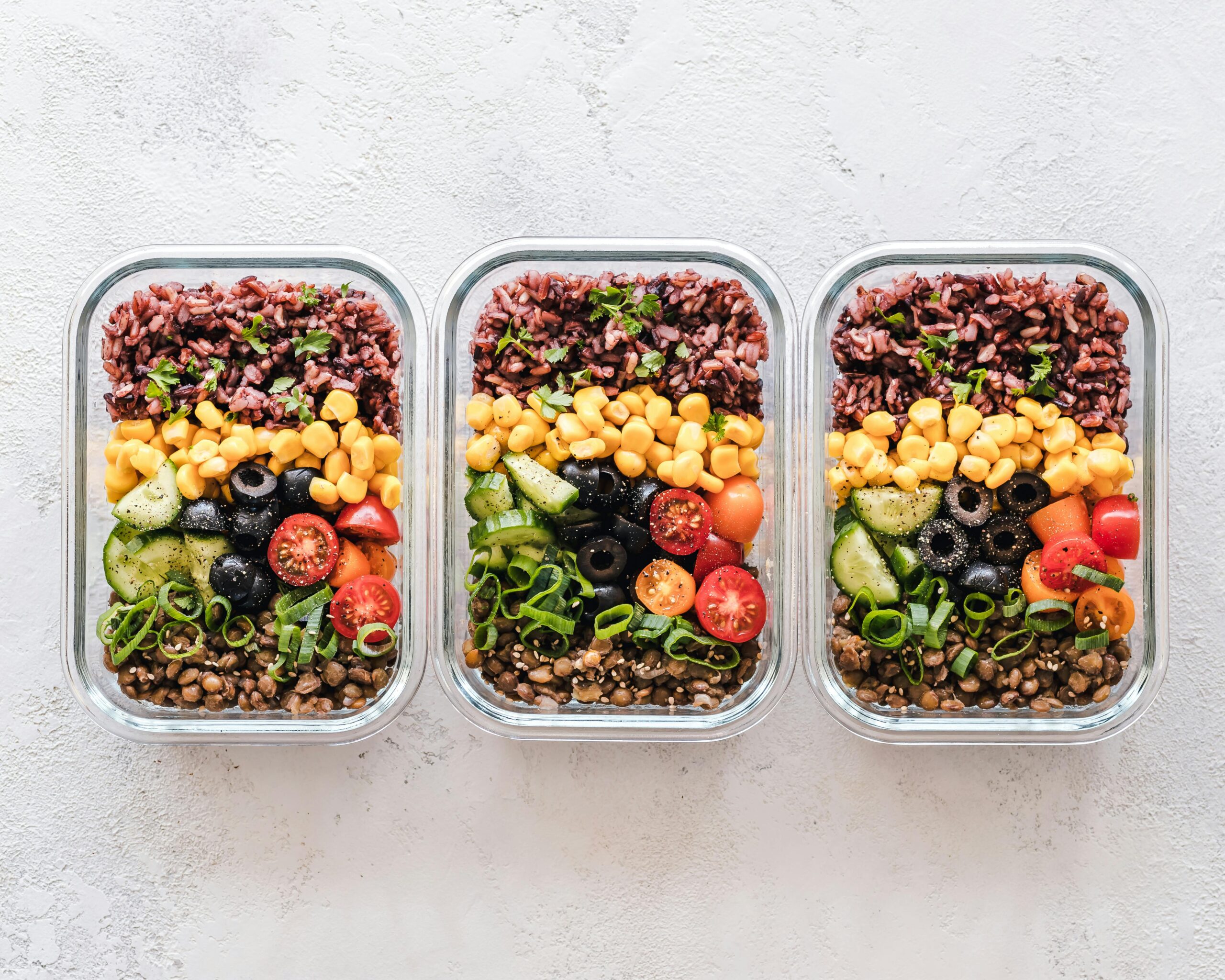
Achieving peak performance in fitness requires more than just showing up at the gym. The synchronization between what you eat, when you eat, and how you train creates a powerful foundation for transforming your body and maximizing results.

Understanding the intricate relationship between meal timing and workout schedules can be the game-changer you’ve been searching for. This comprehensive guide will walk you through evidence-based strategies to optimize your nutrition timing, align your training sessions with your body’s natural rhythms, and unlock your full athletic potential.
🔬 The Science Behind Nutrient Timing and Performance
Your body operates on sophisticated biological rhythms that influence everything from hormone production to metabolic rate. Circadian rhythms, the internal 24-hour cycles that regulate bodily functions, play a crucial role in determining when your body is primed for physical activity and nutrient absorption.
Research demonstrates that metabolic flexibility—your body’s ability to switch between burning carbohydrates and fats—varies throughout the day. Insulin sensitivity tends to be highest in the morning hours, making this an optimal window for consuming carbohydrate-rich meals. Conversely, your body’s natural cortisol levels peak upon waking, providing a natural energy boost that can be leveraged for morning training sessions.
The concept of the “anabolic window” has evolved significantly in recent years. While early research suggested a narrow 30-minute post-workout window for protein consumption, current evidence indicates this window may extend several hours. However, the total daily intake of macronutrients and their distribution across meals remains paramount for long-term progress.
⏰ Strategic Pre-Workout Nutrition for Maximum Energy
The fuel you provide your body before exercise directly impacts your training intensity, endurance, and overall performance. Pre-workout nutrition should be tailored to your training time, exercise duration, and individual digestive tolerance.
Early Morning Training Sessions
For those who prefer dawn workouts, the decision between fasted training and pre-workout nutrition depends on your goals. Fasted cardio may enhance fat oxidation during the session, but this doesn’t necessarily translate to superior fat loss over time when total daily calorie intake is controlled.
If you choose to eat before morning workouts, consider these easily digestible options:
- A banana with a tablespoon of almond butter (consumed 30-45 minutes before training)
- Greek yogurt with a handful of berries and honey
- A slice of whole-grain toast with mashed avocado
- A small smoothie with protein powder, spinach, and frozen fruit
Midday and Evening Training Sessions
When training later in the day, you have more flexibility for pre-workout nutrition. Aim to consume a balanced meal containing complex carbohydrates, lean protein, and minimal fat approximately 2-3 hours before your workout. This timing allows for proper digestion while ensuring substrate availability during training.
A well-structured pre-workout meal might include grilled chicken breast with sweet potato and steamed vegetables, or salmon with quinoa and a mixed green salad. The carbohydrates provide readily available glucose for high-intensity efforts, while protein begins the muscle protein synthesis process.
💪 Post-Workout Recovery: Timing and Composition
Post-exercise nutrition accelerates recovery, replenishes glycogen stores, and initiates muscle repair processes. While the urgency isn’t as critical as once believed, consuming nutrients within 2-3 hours post-workout optimizes these beneficial adaptations.
The ideal post-workout meal combines fast-digesting carbohydrates with high-quality protein. The carbohydrates spike insulin levels, which shifts your body into an anabolic state and shuttles nutrients into muscle cells. Protein provides the amino acid building blocks necessary for muscle protein synthesis.
Recommended protein intake immediately post-workout ranges from 20-40 grams, depending on your body size and training intensity. Carbohydrate intake should be proportional to the workout’s glycogen-depleting nature—higher for intense resistance training or prolonged cardio sessions, moderate for lighter workouts.
Effective Post-Workout Meal Examples
- Protein shake with whey protein, banana, oats, and berries
- Grilled turkey wrap with whole wheat tortilla, hummus, and vegetables
- Cottage cheese with pineapple and granola
- Egg white omelet with spinach, peppers, and whole grain toast
- Chocolate milk paired with a turkey sandwich (convenient and effective)
📅 Designing Your Weekly Workout Schedule for Optimal Results
The frequency, intensity, and type of training you perform should align with your specific goals, recovery capacity, and lifestyle constraints. A well-structured workout schedule balances progressive overload with adequate recovery periods to prevent overtraining and promote sustainable progress.
Training Frequency and Volume
For most individuals pursuing general fitness and body composition improvements, 4-5 training sessions per week provides an optimal stimulus-to-recovery ratio. This frequency allows for sufficient training volume while incorporating rest days essential for adaptation and growth.
Beginners should start conservatively with 3-4 sessions weekly, focusing on full-body workouts that build foundational strength and movement competency. Advanced trainees may benefit from higher frequencies, utilizing split routines that target specific muscle groups on different days.
Sample Weekly Training Split
Here’s an effective intermediate-level training structure that balances resistance training, cardiovascular exercise, and recovery:
| Day | Training Focus | Duration | Key Nutrition Timing |
|---|---|---|---|
| Monday | Upper Body Strength | 60 minutes | Pre-workout meal 2-3 hours before, protein within 2 hours post |
| Tuesday | High-Intensity Intervals | 30 minutes | Light carbs 45 minutes before, recovery meal within 1 hour |
| Wednesday | Lower Body Strength | 60 minutes | Substantial pre-workout meal, higher carb post-workout |
| Thursday | Active Recovery/Yoga | 30-45 minutes | Normal meal timing, focus on hydration |
| Friday | Full Body Power | 50 minutes | Moderate pre-workout nutrition, balanced post-workout |
| Saturday | Endurance Cardio | 45 minutes | Carb-focused pre-workout, replenish glycogen after |
| Sunday | Complete Rest | – | Maintain adequate protein, slightly reduced calories |
🍽️ Mastering Daily Meal Timing Beyond Workouts
While pre- and post-workout nutrition receive considerable attention, your eating patterns throughout the entire day significantly influence body composition, energy levels, and performance. The number of meals, their size, and distribution should support your training schedule and lifestyle.
Meal Frequency Considerations
The optimal meal frequency debate continues in nutrition circles, with valid approaches ranging from intermittent fasting protocols to six small meals daily. Research suggests that total daily caloric and macronutrient intake matters more than specific meal frequency for most individuals.
That said, distributing protein intake across 3-5 meals throughout the day may optimize muscle protein synthesis by repeatedly stimulating the mTOR pathway. Aim for approximately 0.4-0.5 grams of protein per kilogram of body weight per meal, with at least 3-4 hours between feedings for maximum benefit.
Strategic Carbohydrate Timing
Manipulating carbohydrate timing can enhance training performance and body composition outcomes. Consider concentrating your carbohydrate intake around training sessions when insulin sensitivity is heightened and glycogen replenishment is prioritized.
On training days, allocate 40-50% of your daily carbohydrates to pre- and post-workout meals. On rest days, you might reduce overall carbohydrate intake slightly while maintaining consistent protein and increasing healthy fats to maintain caloric balance.
💧 Hydration Timing and Performance Enhancement
Proper hydration profoundly impacts exercise performance, recovery, and overall health. Even mild dehydration of 2% body weight loss can impair physical and cognitive performance. Strategic hydration practices should complement your meal timing and workout schedule.
Begin hydrating upon waking with 16-20 ounces of water to counteract overnight fluid losses. Throughout the day, consume approximately half your body weight in ounces of water as a baseline. Increase intake on training days and in hot environments.
During workouts lasting longer than 60 minutes, consuming 7-10 ounces of fluid every 10-20 minutes maintains hydration status. For intense sessions exceeding 90 minutes, sports drinks containing electrolytes and carbohydrates can enhance endurance and delay fatigue.
😴 Sleep Timing and Recovery: The Overlooked Performance Factor
Sleep represents the most powerful recovery tool available, yet it’s frequently undervalued in fitness discussions. The timing and quality of your sleep directly influence hormone production, muscle recovery, and subsequent training performance.
Growth hormone, crucial for tissue repair and fat metabolism, is predominantly released during deep sleep stages. Testosterone production also peaks during quality sleep, making adequate rest essential for muscle development and strength gains.
Aim for 7-9 hours of quality sleep nightly, maintaining consistent sleep and wake times even on weekends. Consider scheduling your last substantial meal 2-3 hours before bedtime to optimize digestion and sleep quality. A small protein-rich snack before bed, such as cottage cheese or casein protein, provides sustained amino acid delivery throughout the night.
📱 Leveraging Technology for Precision Timing
Modern technology offers powerful tools for tracking nutrition timing, workout schedules, and recovery metrics. Fitness apps can eliminate guesswork by providing personalized recommendations based on your individual data and goals.
MyFitnessPal remains one of the most comprehensive nutrition tracking applications, featuring an extensive food database and macro tracking capabilities that help you align your eating patterns with your training schedule.
For workout scheduling and training progression, JEFIT offers detailed exercise libraries, customizable routines, and rest timer functions that ensure proper recovery between sets and training sessions.
🎯 Personalizing Your Approach for Sustainable Success
While evidence-based guidelines provide valuable frameworks, successful implementation requires personalization based on your unique circumstances, preferences, and responses. Your ideal meal timing and workout schedule should feel sustainable rather than restrictive.
Experiment with different training times to identify when you feel strongest and most energized. Some individuals thrive with early morning workouts, while others perform optimally in the afternoon when body temperature and muscle function peak.
Similarly, meal timing preferences vary. If you struggle with breakfast but train better in the morning, a small easily digestible snack might suffice. If you prefer larger meals, adjust timing accordingly while respecting the 2-3 hour pre-workout digestion window.
🚀 Advanced Strategies for Breaking Through Plateaus
As you progress, strategic manipulation of meal timing and training schedules can help overcome stagnation. Periodization—systematically varying training variables over time—prevents adaptation and promotes continued progress.
Consider implementing training phases that emphasize different qualities: a strength phase with heavier loads and longer rest periods, followed by a hypertrophy phase with moderate weights and higher volume, then a metabolic conditioning phase with circuit-style training.
Nutritionally, strategic refeeds—planned increases in carbohydrate intake—can restore leptin levels, boost metabolic rate, and improve training performance when fat loss stalls. Schedule these higher-carb days to coincide with your most demanding training sessions for maximum benefit.

Building Your Perfect Performance System
Maximizing fitness and nutrition through optimized meal timing and workout scheduling represents a holistic approach to peak performance. By aligning your eating patterns with your body’s natural rhythms and training demands, you create synergy that amplifies results beyond what diet or exercise alone can achieve.
Remember that consistency trumps perfection. Implementing even 80% of these strategies consistently will yield far superior results compared to perfect execution for short periods followed by abandonment. Start with the fundamentals—regular training, adequate protein distributed throughout the day, pre- and post-workout nutrition, and sufficient sleep.
As these habits become ingrained, progressively refine your approach by tracking your responses and adjusting accordingly. Your body provides constant feedback through energy levels, performance metrics, recovery quality, and body composition changes. Listen to these signals and adapt your strategy to support your unique physiology and goals.
The journey to peak performance is iterative and evolving. What works optimally today may require adjustment as your fitness level, training demands, and life circumstances change. Embrace this dynamic process with patience and commitment, knowing that each strategic decision about meal timing and training scheduling brings you closer to unlocking your full athletic potential. 🏆