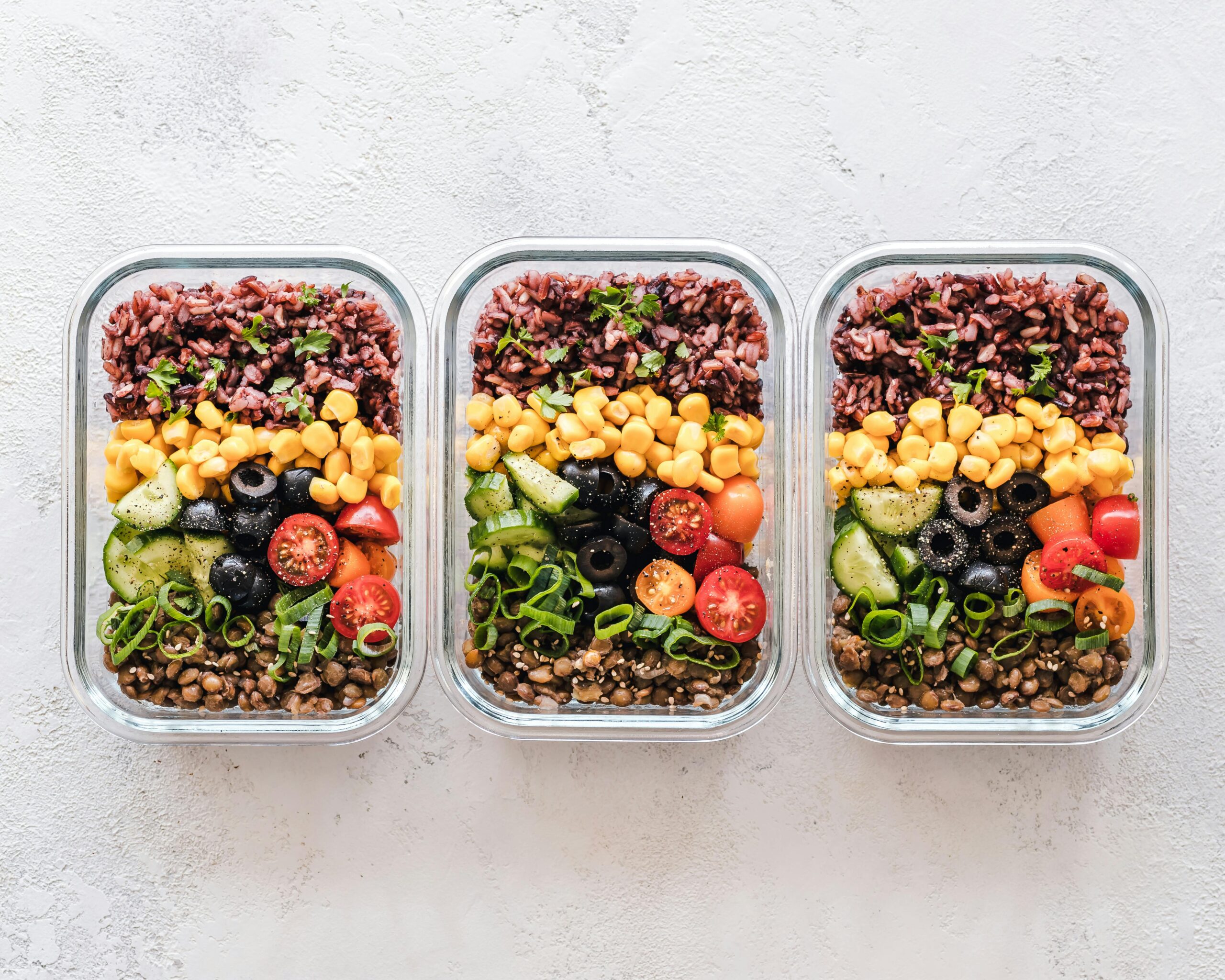
Imagine waking up each day knowing exactly what you’ll eat, when you’ll eat it, and having it all ready to go. This isn’t a fantasy—it’s the power of combining strategic meal timing with smart meal prep.

In our fast-paced world, food decisions often become a source of daily stress rather than nourishment and joy. Between demanding work schedules, family responsibilities, and personal commitments, many people find themselves grabbing whatever’s convenient, sacrificing both health and satisfaction. The solution lies in mastering two complementary practices: understanding when your body needs fuel and preparing that fuel in advance.
🕐 Understanding the Science Behind Meal Timing
Meal timing isn’t just about eating at specific hours—it’s about aligning your nutrition with your body’s natural rhythms. Your circadian rhythm, the internal clock that regulates sleep-wake cycles, also influences how your body processes food throughout the day.
Research shows that our metabolism operates more efficiently during daylight hours. Insulin sensitivity tends to be higher in the morning, meaning your body processes carbohydrates more effectively early in the day. This biological fact supports the age-old wisdom of eating a substantial breakfast and lighter evening meals.
The concept of chrononutrition explores how the timing of food intake affects metabolic health, weight management, and overall wellness. Studies have demonstrated that people who consume most of their calories earlier in the day tend to have better weight management outcomes compared to those who eat heavily at night, even when total calorie intake remains identical.
The Metabolic Window: Fact or Fiction?
Athletes and fitness enthusiasts often discuss the “metabolic window”—a period immediately after exercise when the body supposedly absorbs nutrients more efficiently. While this window exists, recent research suggests it’s wider than previously thought, extending several hours post-workout rather than just 30-60 minutes.
What matters more than precise timing is consistency. Your body thrives on predictable patterns. When you eat at roughly the same times each day, your digestive system prepares accordingly, producing appropriate enzymes and hormones to process incoming nutrients efficiently.
🍱 The Foundation of Effective Meal Prep
Meal preparation transforms abstract nutrition goals into concrete, actionable reality. Instead of making food decisions when you’re hungry, stressed, or tired—precisely when willpower is lowest—you make these choices once, when you’re clear-headed and motivated.
Successful meal prep doesn’t require culinary expertise or hours in the kitchen. It requires strategic thinking, basic organizational skills, and understanding your personal preferences and lifestyle constraints.
Planning Your Prep Strategy
Begin by assessing your schedule honestly. When do you have 2-3 hours of uninterrupted time? For most people, Sunday afternoon or evening works well, but your optimal prep day might be Wednesday or Saturday. The best time is whenever you can commit consistently.
Consider these key elements when developing your meal prep routine:
- Your weekly schedule and anticipated busy periods
- Number of meals and snacks you need to prepare
- Dietary preferences and restrictions
- Storage capacity in your refrigerator and freezer
- Reheating options available at work or during your day
- Budget constraints and seasonal ingredient availability
🔄 Synergizing Meal Timing and Meal Prep
The magic happens when you combine intentional meal timing with strategic preparation. This integration creates a personalized nutrition system that supports your energy levels, health goals, and lifestyle demands.
Start by mapping out your ideal eating schedule. For many people, this might look like breakfast at 7 AM, lunch at noon, an afternoon snack at 3 PM, and dinner at 6:30 PM. Your schedule should reflect when you’re genuinely hungry and when your daily activities require sustained energy.
Creating Your Personalized Eating Framework
A sustainable eating pattern respects both physiological needs and practical realities. If you’re not hungry in the morning, forcing down breakfast might not serve you. Conversely, if you wake ravenous, skipping breakfast will likely lead to poor food choices mid-morning.
Consider tracking your natural hunger patterns for one week without trying to change them. Note when you feel hungry, when your energy dips, and when you tend to overeat. These observations provide valuable data for designing a timing strategy that works with your body rather than against it.
🥘 Practical Meal Prep Techniques That Save Time
Efficiency in meal prep comes from understanding which foods prepare well in advance and which techniques multiply your efforts. The goal isn’t to cook every single component separately—it’s to use batch cooking methods that generate multiple meal options simultaneously.
The Protein Foundation
Protein typically takes longest to prepare and stays fresh for 3-4 days when properly stored. Dedicate the first portion of your prep session to cooking multiple protein sources:
- Bake several chicken breasts seasoned differently (lemon herb, BBQ, Italian)
- Prepare a large batch of ground turkey or beef with versatile seasonings
- Cook a pot of beans or lentils for plant-based options
- Boil or bake eggs in quantity for quick protein additions
- Grill or bake fish portions that can be frozen individually
Carbohydrate Complexity
Complex carbohydrates provide sustained energy and generally store even better than proteins. Prepare multiple options to prevent meal fatigue:
- Cook rice in large batches (white, brown, wild, or mixed)
- Roast sweet potatoes and regular potatoes
- Prepare quinoa or other ancient grains
- Cook pasta slightly al dente if preparing in advance
Vegetable Versatility
Vegetables require different approaches depending on type. Leafy greens wilt quickly, while roasted vegetables maintain quality for days. Prep vegetables in stages of readiness:
- Wash and chop raw vegetables for immediate use (2-3 day supply)
- Roast heartier vegetables like broccoli, cauliflower, and Brussels sprouts
- Steam or blanch vegetables that you’ll reheat later
- Keep some vegetables uncut to maintain freshness longer
📅 Sample Weekly Meal Timing and Prep Schedule
Translating concepts into action requires concrete examples. Here’s a framework that demonstrates how meal timing and prep work together throughout a typical week.
| Day | Breakfast (7 AM) | Lunch (12 PM) | Snack (3 PM) | Dinner (6:30 PM) |
|---|---|---|---|---|
| Monday | Overnight oats with berries | Grilled chicken with quinoa and roasted vegetables | Greek yogurt with almonds | Baked salmon with sweet potato and green beans |
| Tuesday | Veggie egg muffins | Turkey and bean burrito bowl | Apple with peanut butter | Stir-fry with prepped chicken and vegetables over rice |
| Wednesday | Greek yogurt parfait | Leftover stir-fry | Hummus with carrot sticks | Ground beef pasta with side salad |
| Thursday | Smoothie with protein powder | Chicken Caesar salad | Cheese and whole grain crackers | Sheet pan chicken with roasted potatoes |
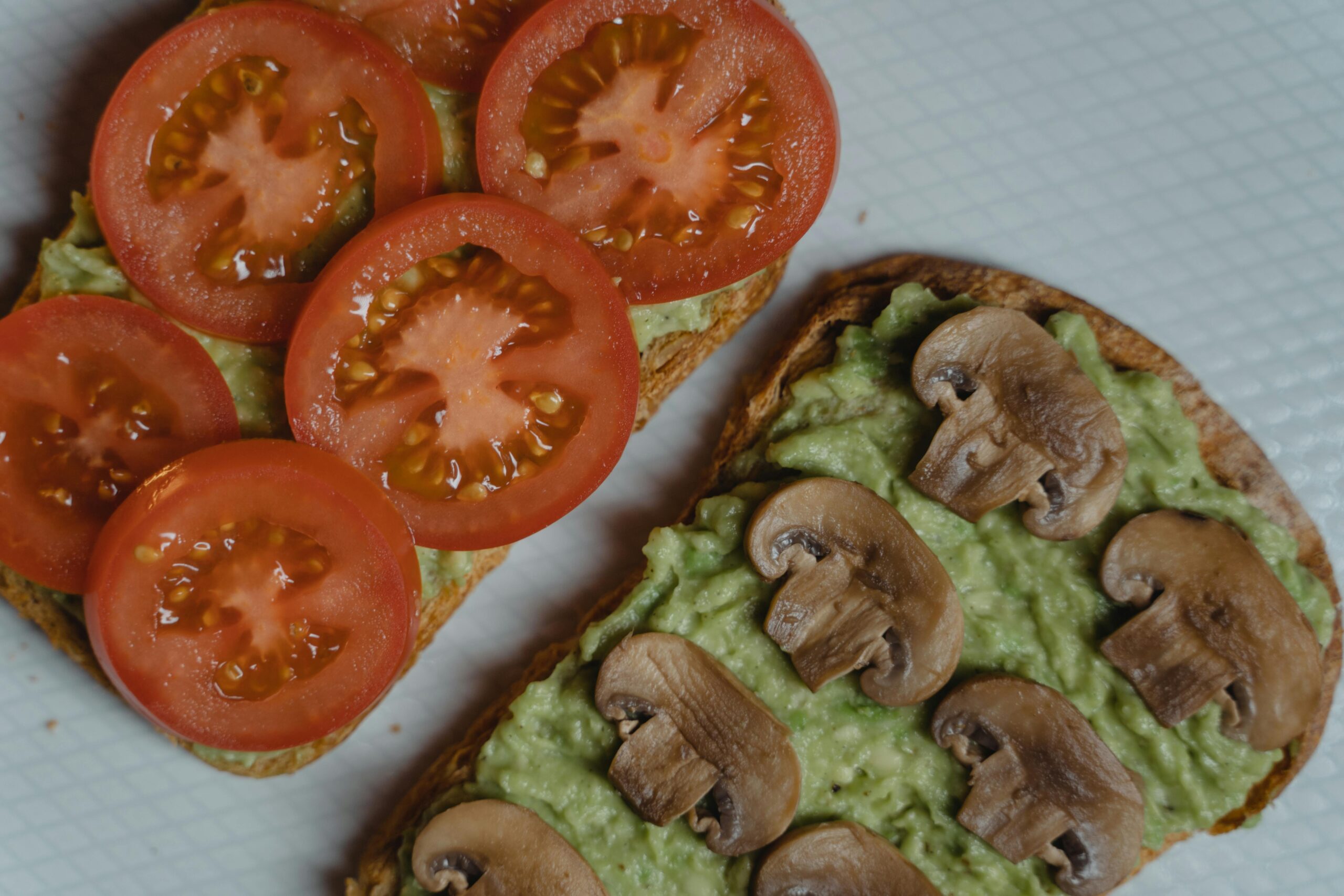
| Friday | Avocado toast with eggs | Quinoa power bowl with chickpeas | Trail mix | Dining out (planned flexibility) |
💡 Overcoming Common Obstacles
Even the best systems encounter challenges. Anticipating common obstacles and having solutions ready increases your success rate dramatically.
When Life Gets Chaotic
Unexpected meetings, sick children, or project deadlines can derail even the most organized meal plans. Build flexibility into your system by always having emergency options available: frozen pre-made meals, shelf-stable protein sources, and quick-cook grains like instant rice or quinoa.
Consider meal prep as a spectrum rather than all-or-nothing. During overwhelming weeks, preparing even 3-4 meals provides significant benefit compared to no preparation at all.
Dealing with Food Boredom
Eating the same meals repeatedly leads to dissatisfaction and eventual abandonment of your system. Combat this by varying seasonings, sauces, and combinations rather than preparing entirely different dishes each week.
The same grilled chicken transforms dramatically with different accompaniments: Asian-inspired with rice and vegetables, Mediterranean with quinoa and cucumber salad, or Mexican-style in a burrito bowl with beans and salsa.
🎯 Optimizing Meal Timing for Specific Goals
Your meal timing strategy should align with your personal health objectives, whether that’s weight management, athletic performance, improved energy levels, or better digestion.
For Weight Management
If weight loss is your goal, consider concentrating calories earlier in the day when metabolism is most active. This approach, sometimes called “breakfast like a king, lunch like a prince, dinner like a pauper,” aligns with chronobiological research on metabolism and insulin sensitivity.
Consistent meal timing also helps regulate hunger hormones like ghrelin and leptin, reducing cravings and making portion control more manageable.
For Athletic Performance
Athletes and highly active individuals need to time nutrients around training sessions. Consume easily digestible carbohydrates 1-2 hours before workouts for energy, and combine protein with carbohydrates within a few hours after training to support recovery and muscle synthesis.
Meal prep becomes particularly valuable for athletes, ensuring appropriate pre- and post-workout nutrition is always available rather than leaving recovery nutrition to chance.
For Digestive Health
Those dealing with digestive issues often benefit from longer fasting periods between meals, allowing the digestive system adequate time to process food completely. A 4-5 hour gap between meals, with eating confined to a 10-12 hour window, can improve symptoms for many people.
📱 Tools and Resources to Support Your Journey
Technology can simplify meal planning and timing significantly. Numerous apps help track meal times, plan recipes, generate shopping lists, and even provide prep instructions.
Food tracking applications like MyFitnessPal help monitor not just what you eat but when you eat it, revealing patterns that might otherwise go unnoticed. Recipe management apps organize your favorite meals and can scale ingredients automatically based on how many servings you need.
Meal planning apps like Mealime or Paprika provide structured weekly plans, complete shopping lists organized by store section, and step-by-step cooking instructions that streamline the entire prep process.
🌟 Building Sustainable Long-Term Habits
The ultimate goal isn’t perfection—it’s creating a sustainable system that supports your health without consuming your life. Meal timing and prep should reduce stress, not create additional pressure.
Start small. Perhaps begin by simply eating at consistent times each day without changing what you eat. Once that pattern feels natural, add one meal prep session focusing on just lunches for the week. Gradually expand as the habits solidify.
Measuring Success Beyond the Scale
While many people adopt meal timing and prep strategies for weight management, the benefits extend far beyond numbers on a scale. Notice improvements in energy stability throughout the day, reduced afternoon fatigue, better sleep quality, decreased stress around mealtimes, and improved relationship with food.
These quality-of-life improvements often provide more powerful motivation than weight changes alone, sustaining your commitment even when progress plateaus.

🚀 Taking Your First Steps Today
You don’t need to overhaul your entire life overnight. Begin with one simple change this week. Perhaps that’s eating breakfast at the same time for seven consecutive days, or spending one hour on Sunday preparing grab-and-go snacks for the week.
Each small success builds confidence and capability. As these practices become routine, they require less mental energy, freeing you to focus on other important aspects of your life while your nutrition runs on autopilot.
The intersection of meal timing and meal prep represents a powerful approach to nutrition that honors both biology and busy lifestyles. By eating at optimal times and having nutritious food ready when you need it, you remove obstacles between yourself and your health goals.
Remember that your system should evolve with your life. What works during one season may need adjustment during another. Stay flexible, keep learning, and trust that consistency over time creates remarkable results. Your future self will thank you for the investment you make today in mastering your meals and reclaiming time, energy, and peace of mind around food.