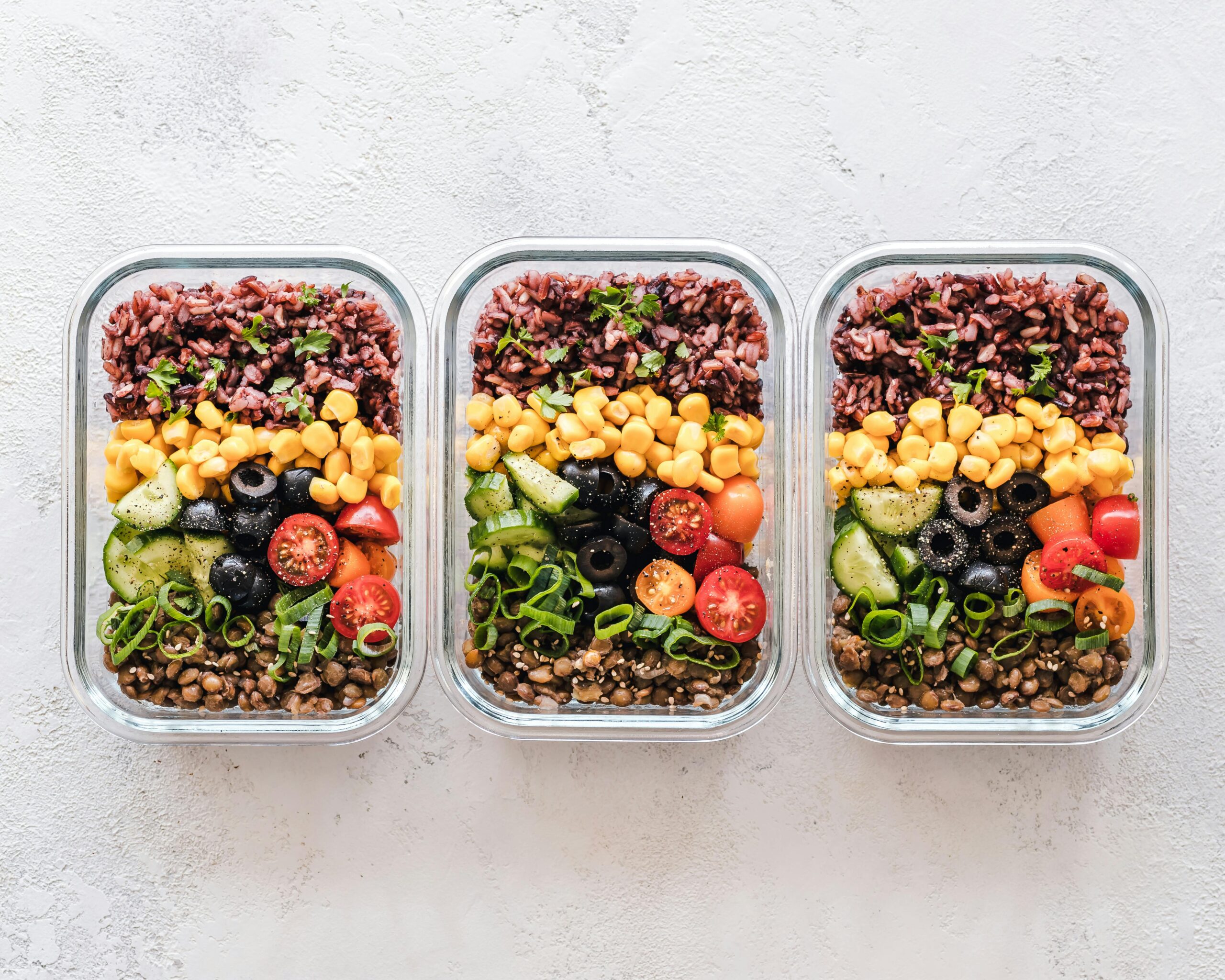
Managing your meals on hectic workdays can be the difference between thriving and barely surviving. When your schedule feels overwhelming, strategic meal timing becomes your secret weapon for maintaining energy, focus, and productivity throughout the day.

Most professionals struggle with irregular eating patterns during busy periods, leading to energy crashes, poor concentration, and decreased performance. The good news? Mastering meal timing doesn’t require complicated planning or hours of preparation—just smart strategies that align with your body’s natural rhythms and your work demands.
Understanding Your Body’s Energy Clock ⏰
Your body operates on a circadian rhythm that influences hunger, digestion, and energy levels throughout the day. This internal clock affects when you feel most alert and when you experience natural dips in energy. By aligning your meal timing with these biological patterns, you can optimize your performance without fighting against your physiology.
Research shows that your metabolic rate peaks during mid-morning and early afternoon, making these ideal times for larger meals. Conversely, your digestive system slows down in the evening, which is why late-night eating often leads to disrupted sleep and morning sluggishness. Understanding these patterns helps you schedule meals that work with your body, not against it.
The Science Behind Meal Timing and Productivity
When you eat impacts how efficiently your body processes nutrients and converts them into usable energy. Blood sugar levels directly influence cognitive function, mood, and concentration. Strategic meal timing helps maintain stable glucose levels, preventing the rollercoaster of energy spikes and crashes that derail productive workdays.
Protein-rich meals support sustained energy release, while carbohydrates provide quick fuel for demanding tasks. The timing and composition of your meals can either support your work performance or sabotage it, depending on how well you coordinate with your schedule and responsibilities.
The Foundation: Building Your Personalized Eating Schedule 📅
Creating an effective meal timing strategy starts with assessing your unique work patterns and energy requirements. No single approach works for everyone, but certain principles apply universally. Begin by identifying your most demanding work periods and your natural energy peaks and valleys throughout the day.
A practical starting framework for most professionals includes breakfast within 90 minutes of waking, lunch approximately four to five hours later, and dinner three to four hours before bedtime. Between these main meals, strategic snacks can bridge energy gaps during particularly demanding periods.
Morning Fuel: Starting Strong
Your first meal sets the tone for your entire day. Skipping breakfast might seem like a time-saver, but it typically backfires by mid-morning when concentration wanes and decision-making becomes difficult. A balanced breakfast combining protein, complex carbohydrates, and healthy fats provides sustained energy without causing the blood sugar crash associated with sugary options.
Timing your breakfast matters as much as its composition. Eating within the first two hours after waking jumpstarts your metabolism and signals your body to shift from overnight fasting mode to active fuel-burning mode. This metabolic activation supports better calorie utilization throughout the day.
Strategic Lunch Timing for Afternoon Success 🍱
The mid-day meal presents unique challenges and opportunities for busy professionals. Lunch timing significantly impacts afternoon productivity, yet many workers eat irregularly or skip lunch entirely when overwhelmed. This approach consistently undermines afternoon performance and leads to poor evening food choices driven by excessive hunger.
Optimal lunch timing typically falls between noon and 1:30 PM for most schedules. This window allows adequate time since breakfast while leaving sufficient hours before dinner. Eating lunch too early can trigger afternoon hunger pangs, while eating too late pushes dinner unnecessarily late and disrupts evening routines.
The Post-Lunch Productivity Dip Solution
That notorious afternoon slump isn’t inevitable—it’s often a direct consequence of poor lunch choices and timing. Heavy, carbohydrate-laden meals trigger insulin responses that promote drowsiness. Large portions divert blood flow to digestion, temporarily reducing mental clarity.
Combat the afternoon energy dip by keeping lunch portions moderate and balanced. Include lean protein to stabilize blood sugar, vegetables for nutrients and fiber, and complex carbohydrates in controlled amounts. Eating slowly and mindfully, rather than rushing through lunch at your desk, also improves digestion and satisfaction.
Power Snacking: Bridging the Energy Gaps ⚡
Strategic snacking isn’t about giving in to cravings—it’s about maintaining consistent energy levels during extended periods between meals. Well-timed, nutrient-dense snacks prevent the blood sugar drops that impair concentration and decision-making. The key lies in choosing snacks that provide genuine nutritional value rather than empty calories.
Plan snacks for predictable energy dip periods, typically mid-morning (around 10 AM) and mid-afternoon (around 3 PM). These strategic eating moments help bridge the gaps between main meals without spoiling your appetite. Portion control remains essential; snacks should supplement meals, not replace them.
Smart Snack Choices for Sustained Energy
The best workplace snacks combine protein and fiber to provide lasting satisfaction. Options like Greek yogurt with berries, raw vegetables with hummus, a handful of nuts, or apple slices with almond butter deliver sustained energy without the crash associated with processed snacks. These combinations stabilize blood sugar while providing essential nutrients that support cognitive function.
Preparation makes the difference between healthy snacking and vending machine desperation. Dedicate time during your weekly meal prep to portion out snacks in grab-and-go containers. This small investment prevents impulsive poor choices when hunger strikes during busy workdays.
Hydration Timing: The Forgotten Productivity Booster 💧
While not technically a meal timing strategy, hydration patterns dramatically impact energy levels and cognitive performance. Even mild dehydration reduces concentration, increases fatigue, and impairs decision-making. Strategic water consumption throughout the workday supports all your meal timing efforts.
Start your day with water before breakfast to rehydrate after overnight fasting. Continue drinking consistently throughout the morning and afternoon, aiming for regular intake rather than large amounts at once. A practical approach involves drinking water upon waking, before each meal, and during mid-morning and mid-afternoon breaks.
Technology Tools to Simplify Meal Timing 📱
Modern technology offers practical solutions for managing meal timing during chaotic workdays. Meal planning apps, reminder systems, and nutrition trackers help maintain consistency even when your schedule feels overwhelming. These digital tools transform abstract intentions into concrete actions.
Several applications specifically address meal timing challenges. Reminder apps can alert you when it’s time to eat, preventing the common trap of working through meals and becoming excessively hungry. Meal planning applications help you prepare grocery lists and organize weekly menus, reducing daily decision fatigue about what to eat.
Nutrition tracking tools help you understand patterns between your eating timing, food choices, and energy levels. By logging meals and noting how you feel throughout the day, you identify which timing strategies work best for your unique physiology and schedule. This personalized data proves far more valuable than generic advice.
Adapting Meal Timing to Different Work Schedules 🔄
Traditional nine-to-five schedules represent just one work pattern among many. Shift workers, freelancers with irregular hours, and professionals traveling across time zones all face unique meal timing challenges. The fundamental principles remain constant, but application requires creative adaptation.
For shift workers, the priority involves maintaining consistent meal timing relative to your wake-sleep cycle, regardless of what time the clock shows. If you wake at 3 PM for a night shift, your “breakfast” occurs then, followed by subsequent meals spaced appropriately throughout your active hours. Consistency matters more than matching conventional meal times.
Managing Meal Timing During Business Travel
Travel disrupts normal eating patterns, but strategic planning minimizes the impact. When crossing time zones, gradually adjust meal timing toward your destination schedule over several days before departure. During travel days, pack nutrient-dense portable snacks to maintain energy when regular meals aren’t available.
Airport and hotel options often lean toward unhealthy choices, making preparation essential. Research restaurant options near your accommodation in advance, identifying places that support your nutritional needs. Many hotels offer refrigerators upon request, allowing you to stock healthy breakfast and snack options.
Overcoming Common Meal Timing Obstacles 🚧
Even with perfect planning, obstacles inevitably arise. Unexpected meetings, urgent deadlines, and last-minute schedule changes threaten your meal timing strategy. Success comes not from avoiding disruptions—that’s impossible—but from developing flexible contingency plans.
When meetings interrupt planned meal times, having backup options prevents complete derailment. Keep emergency snacks in your desk, car, or bag. When you can’t eat a full meal at the planned time, a strategic snack holds you over until you can eat properly, preventing the excessive hunger that leads to poor choices.
Social Eating and Maintaining Your Schedule
Workplace social eating—team lunches, celebration cakes, happy hours—creates challenges for structured meal timing. Complete avoidance isn’t realistic or necessary. Instead, flexibility within boundaries works best. Participate in social eating occasions while making choices that align with your overall strategy.
If a team lunch occurs earlier than your typical time, eat a lighter breakfast and adjust your afternoon accordingly. When celebration food appears unexpectedly, enjoy a reasonable portion without guilt, then return to your normal schedule for the next meal. One off-schedule eating occasion doesn’t derail overall patterns.
Meal Prep Strategies That Support Timing Success 🥗
Consistent meal timing requires available, appropriate food when you need it. Meal preparation transforms this from daily stress to simple execution. You don’t need elaborate meal prep rituals—even basic advance preparation dramatically improves your ability to maintain your eating schedule.
Start with one weekly meal prep session, typically on weekends. Prepare main meal components that store well: grilled chicken, roasted vegetables, cooked grains, portioned snacks. These prepared elements allow quick assembly of balanced meals without cooking from scratch daily. This approach provides structure while allowing variety and flexibility.
Batch Cooking for Busy Professionals
Batch cooking involves preparing multiple servings of complete meals simultaneously. Choose two or three recipes, multiply ingredients, and cook everything in one extended session. Portion meals into individual containers, refrigerating meals for the next few days and freezing the rest. This method ensures appropriate meals are always available at your scheduled times.
Focus on recipes that reheat well and maintain quality after storage. Soups, stews, grain bowls, and casseroles typically excel as batch-cooked options. Avoid dishes that become soggy or lose texture, as these discourage consumption and tempt you toward less healthy alternatives.
Measuring Success and Adjusting Your Approach 📊
Like any productivity system, meal timing strategies require ongoing assessment and refinement. Track not just when you eat, but how you feel afterward. Notice energy levels, concentration quality, and physical comfort throughout the day. This awareness helps you identify which timing patterns truly serve your needs.
Give new timing strategies at least two weeks before evaluating effectiveness. Your body needs time to adjust to new patterns, and initial discomfort doesn’t necessarily indicate the wrong approach. However, if after consistent application a strategy consistently leaves you fatigued or uncomfortable, modification is warranted.
Key Metrics to Monitor
Several indicators help assess whether your meal timing strategy is working. Energy stability throughout the day suggests effective timing and food choices. Hunger that arrives predictably before scheduled meals indicates appropriate spacing. Quality sleep and morning alertness reflect proper evening meal timing. Sustained work productivity without afternoon crashes demonstrates successful overall strategy.
Conversely, warning signs include persistent mid-morning or afternoon fatigue, difficulty falling asleep or staying asleep, irregular hunger patterns, and declining work performance. These symptoms suggest your timing, portions, or food choices need adjustment.

Creating Your Sustainable Long-Term Strategy 🌱
Short-term perfection means nothing if the approach isn’t sustainable. Your meal timing strategy must accommodate real life—including occasional indulgences, social obligations, and imperfect execution. The goal is progress and consistency, not perfection.
Build flexibility into your framework from the beginning. Establish core principles—like always eating breakfast and never working through lunch—while allowing adjustment in specific timing based on daily demands. This balanced approach prevents the all-or-nothing thinking that derails many well-intentioned plans.
Remember that meal timing is a tool serving your larger goals of sustained energy and productivity. When the tool requires excessive effort or creates stress, it’s counterproductive. Your strategy should simplify life, not complicate it. Start with basic principles, implement consistently, and refine gradually based on results.
Mastering meal timing for busy workdays represents an investment in your most valuable professional asset—yourself. The energy, focus, and resilience gained through strategic eating patterns directly translate to better work output, clearer thinking, and greater career success. Small, consistent actions in meal planning and timing create compounding benefits that transform both your workdays and overall quality of life.