Traveling can be exhilarating, but it often disrupts our body’s natural balance. Staying properly hydrated while on the move is essential for maintaining energy levels, mental clarity, and overall well-being throughout your journey.

Whether you’re embarking on a long-haul flight, navigating through multiple time zones, or exploring new destinations on foot, your hydration strategy can make the difference between feeling vibrant and struggling with fatigue. The confined spaces, recycled air, and irregular schedules associated with travel create unique challenges that demand thoughtful preparation and consistent attention to your fluid intake.
🌍 Understanding the Unique Hydration Challenges of Travel
Travel environments present specific obstacles to maintaining proper hydration levels. Aircraft cabins typically maintain humidity levels between 10-20%, significantly lower than the 30-60% we experience in most indoor environments. This dry air accelerates moisture loss through your skin and respiratory system, even when you’re sitting still.
Additionally, the pressurized cabin environment and altitude changes affect how your body processes fluids. Blood circulation slows during extended periods of sitting, and many travelers unconsciously reduce their water intake to avoid frequent bathroom trips, especially during flights or long car rides. This combination creates a perfect storm for dehydration.
Time zone changes further complicate matters by disrupting your circadian rhythm and the hormonal signals that regulate thirst and fluid balance. Your body may not send accurate thirst signals when it’s confused about what time it should be, making conscious hydration efforts even more critical.
💧 Pre-Travel Hydration: Building Your Foundation
Proper hydration begins well before you reach the airport or train station. Starting your journey already dehydrated puts you at an immediate disadvantage that’s difficult to overcome once you’re on the move. Begin increasing your water intake 24-48 hours before departure, aiming for at least 8-10 glasses daily.
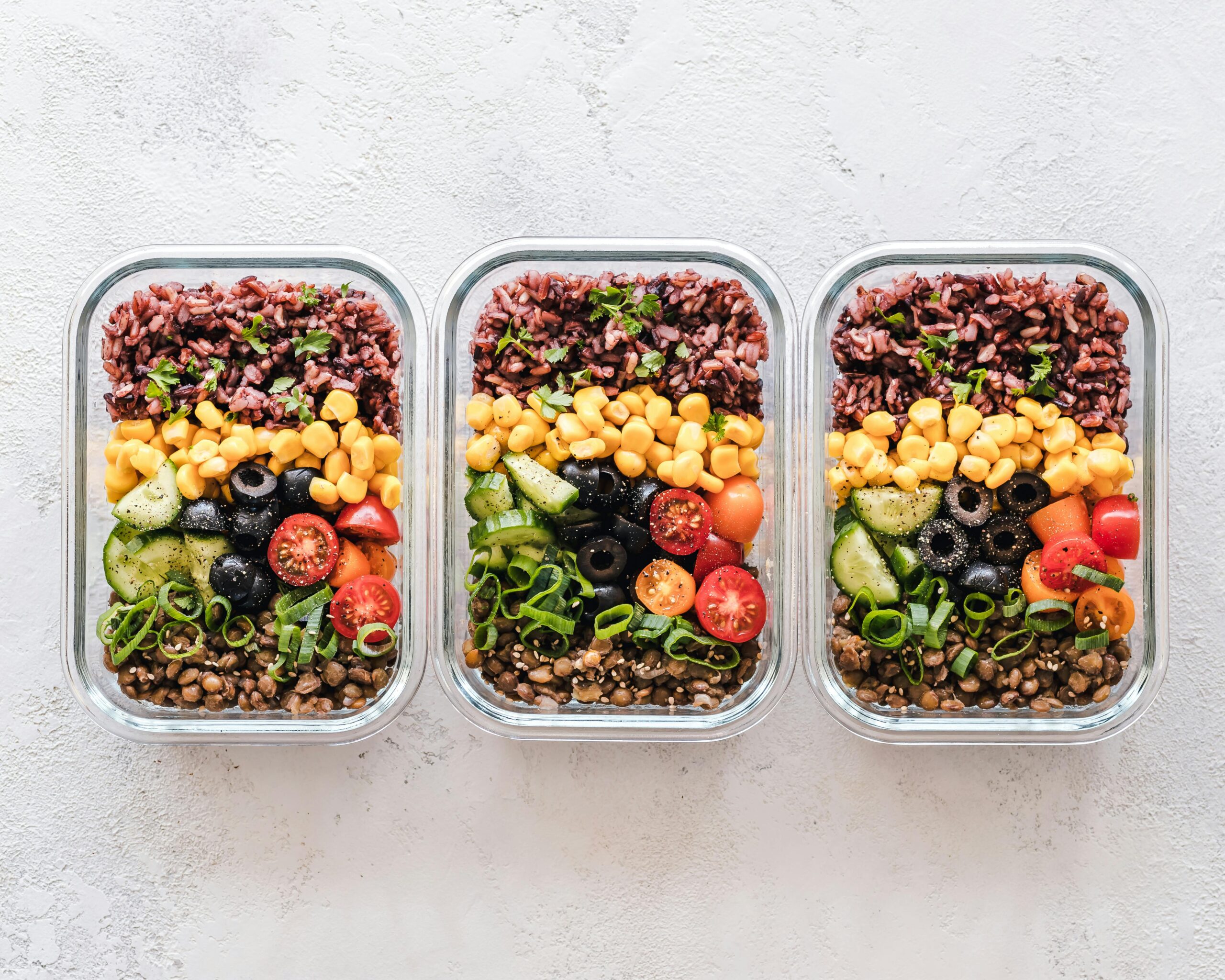
The day before travel, focus on consuming water-rich foods alongside your regular fluid intake. Cucumbers, watermelon, strawberries, lettuce, and celery all contain over 90% water content and provide essential electrolytes that help your body retain hydration more effectively than water alone.
Morning of Departure Hydration Protocol
On travel day, drink 16-20 ounces of water immediately upon waking. This kickstarts your metabolism and compensates for the natural fluid loss that occurs during sleep. Continue sipping water throughout your morning routine, but avoid excessive caffeine, which acts as a diuretic and can accelerate dehydration.
Consider preparing a hydration cocktail mixing water with a pinch of sea salt and a squeeze of lemon. This simple combination provides sodium and potassium that enhance cellular water absorption, giving you better hydration retention during your travels.
✈️ In-Flight Hydration Strategies That Actually Work
Once aboard your flight, implement a structured approach to hydration rather than waiting until you feel thirsty. By the time thirst signals reach your consciousness, you’re already mildly dehydrated. Aim to drink 8 ounces of water for every hour of flight time, adjusting upward for longer journeys.
Request water during every beverage service, and don’t hesitate to ask flight attendants for refills between scheduled services. Most airlines are happy to accommodate these requests. Bringing an empty reusable water bottle through security and filling it at water fountains after the checkpoint ensures you have immediate access to hydration.
Smart Beverage Choices at 35,000 Feet
Not all in-flight beverages contribute equally to your hydration goals. While plain water remains the gold standard, certain alternatives can provide variety without compromising your hydration status. Herbal teas, coconut water, and diluted fruit juices offer hydration benefits along with nutrients that support your body’s needs.
Conversely, alcohol consumption during flights deserves special caution. The combination of low cabin humidity and alcohol’s diuretic effects can dehydrate you rapidly. If you choose to drink alcohol, follow a 1:2 ratio—one alcoholic beverage followed by two glasses of water. The same principle applies to caffeinated beverages, though their diuretic effect is somewhat less pronounced than alcohol’s.
🚗 Road Trip Hydration Without Constant Stops
Road travel presents its own hydration challenges, primarily the tension between adequate fluid intake and the desire to minimize bathroom breaks. The solution lies in strategic timing and understanding your body’s fluid processing rhythms.
Drink larger quantities during meal stops and rest breaks when bathroom access is convenient. Between these stops, take small, frequent sips rather than consuming large amounts at once. This approach maintains consistent hydration while allowing your kidneys to process fluids gradually, reducing the urgency of bathroom needs.
Plan your route with rest stops every 2-3 hours, which aligns with both safe driving practices and natural bathroom intervals. Use mapping apps to identify rest areas, gas stations, or restaurants along your route where you can both refill water bottles and take necessary breaks.
Climate-Specific Hydration Adjustments
Driving through hot climates or high-altitude regions requires increased attention to hydration. Hot weather accelerates fluid loss through perspiration, even in air-conditioned vehicles. Increase your baseline water intake by 50-100% when traveling through warm regions, and keep your vehicle’s interior temperature comfortable rather than excessively cool.
High-altitude driving affects hydration through increased respiratory water loss as your body works harder to obtain oxygen from thinner air. Begin increasing hydration 24 hours before ascending to elevations above 8,000 feet, and maintain elevated intake throughout your time at altitude.
🏃 Active Travel Hydration for Explorers
Sightseeing, hiking, and urban exploration dramatically increase your hydration needs compared to sedentary travel. Walking 10-15 miles daily while touring cities is common, and this activity level requires proactive fluid management strategies.
Carry a water bottle consistently, treating it as essential as your phone or wallet. Insulated bottles keep water refreshingly cool for hours, making it more appealing to drink regularly. Set hourly reminders on your phone to take several sips, establishing a routine that becomes automatic over time.
Recognizing and Responding to Dehydration Symptoms
Understanding dehydration warning signs allows you to respond before symptoms become severe. Early indicators include:
- Headaches or light-headedness
- Darker urine color (should be pale yellow)
- Dry mouth and lips
- Decreased energy and increased fatigue
- Difficulty concentrating or mental fog
- Reduced urination frequency
If you notice multiple symptoms, immediately increase your water intake and find shade or air conditioning to rest. Consuming an electrolyte solution accelerates rehydration more effectively than water alone in moderate to severe dehydration cases.
🥤 Electrolytes: Your Secret Weapon for Superior Hydration
Water alone doesn’t tell the complete hydration story. Electrolytes—minerals including sodium, potassium, magnesium, and calcium—play crucial roles in cellular hydration, nerve function, and muscle performance. Travel stress, changes in diet, and increased activity can deplete these essential minerals.
Electrolyte supplements come in various forms: powders, tablets, ready-to-drink beverages, and even gummies. Choose products with minimal added sugars and artificial ingredients. Natural options like coconut water provide electrolytes along with nutrients, though concentrated supplements offer more precise mineral ratios for serious hydration needs.
You don’t need electrolyte supplementation for every sip of water. Instead, incorporate them strategically: first thing in the morning, during or after physical activity, in extremely hot weather, or when recovering from dehydration. For typical travel days with moderate activity, one or two electrolyte-enhanced beverages should suffice.
🍽️ Hydrating Foods That Travel Well
Solid foods contribute significantly to your overall hydration status, with some research suggesting that 20-30% of our daily fluid intake comes from food. Selecting water-rich, portable snacks enhances your hydration strategy while providing essential nutrients.
Fresh fruits like apples, grapes, oranges, and berries travel relatively well and offer high water content. Vegetables such as cherry tomatoes, bell pepper strips, and celery sticks provide hydration and satisfying crunch. These whole foods also contain natural electrolytes and fiber that support digestive health during travel.
Portable Hydration Snack Ideas
| Food Item | Water Content | Additional Benefits |
|---|---|---|
| Cucumber slices | 96% | Refreshing, low-calorie, vitamin K |
| Watermelon cubes | 92% | Lycopene, natural sweetness |
| Oranges | 87% | Vitamin C, easy to peel |
| Greek yogurt | 85% | Protein, probiotics |
| Soup (thermos) | 90%+ | Warming, satisfying, nutrients |
Pack these items in insulated lunch bags with ice packs to maintain freshness and food safety. The investment in a quality cooler bag pays dividends in better nutrition and hydration throughout your travel days.
⏰ Timing Your Hydration for Maximum Impact
Strategic timing transforms hydration from a reactive scramble into a proactive wellness practice. Begin each day with 16 ounces of water before consuming coffee or breakfast. This morning hydration jumpstarts metabolism, aids digestion, and compensates for overnight fluid loss.
Drink water 30 minutes before meals rather than during eating. This approach supports digestion without diluting stomach acids, and the pre-meal hydration can also help moderate appetite and prevent overeating—particularly useful when facing rich or unfamiliar cuisines during travel.
Evening hydration requires balance. You need adequate fluids for overnight bodily functions, but excessive evening drinking may disrupt sleep with bathroom trips. Stop large fluid intake 2-3 hours before bedtime, but keep water nearby for small sips if you wake during the night.
📱 Technology Tools for Hydration Accountability
Smartphone apps can transform hydration from an afterthought into a consistent habit. Water tracking applications send reminders, log your intake, and provide motivational feedback. Many apps allow you to customize reminders based on your schedule, activity level, and personal goals.
Smart water bottles take technology integration further, syncing with your phone to track consumption automatically and illuminating to remind you to drink. While not essential, these tools can be particularly helpful for travelers who struggle with consistent hydration habits or find themselves caught up in activities and forgetting to drink.
🌡️ Adapting to Different Climate Zones
Traveling between climate zones requires hydration adjustments that account for temperature, humidity, and altitude differences. Moving from a cool, humid environment to a hot, dry destination can double or triple your baseline hydration needs within the first 24-48 hours as your body acclimates.
Hot, humid climates present unique challenges because heavy sweating may not evaporate efficiently, making it harder to recognize how much fluid you’re losing. In these conditions, focus on electrolyte replacement along with increased water intake. Aim for an additional 16-32 ounces of fluid daily beyond your normal consumption.
Cold climates deceptively increase hydration needs despite the absence of visible sweating. Cold, dry air increases respiratory water loss, and the body’s thirst signals often diminish in cold conditions. Make conscious efforts to drink regularly even when you don’t feel thirsty, and consume warm beverages to maintain body temperature while hydrating.
💼 Creating Your Personal Travel Hydration Kit
Assembling a dedicated hydration kit ensures you’re prepared for any travel scenario. Include a durable, leak-proof water bottle as your foundation—insulated models maintain temperature for hours and prevent condensation in bags. A capacity of 24-32 ounces strikes the balance between adequate hydration and reasonable portability.
Add electrolyte supplements in your preferred format: individual packets for convenience, or a small container of powder or tablets to reduce packaging waste. Include a collapsible backup bottle for situations requiring extra capacity, such as long hikes or destinations with limited water access.
Water purification options expand your hydration possibilities in international destinations or outdoor adventures. Purification tablets, filter bottles, or UV sterilizers allow safe consumption of water from questionable sources, providing peace of mind and reducing reliance on single-use plastic bottles.
🎯 Making Hydration a Sustainable Travel Habit
Transforming hydration awareness into consistent practice requires intentional habit formation. Start by linking water consumption to existing travel routines: drink water every time you check your phone, take a photo, or pass through a doorway. These environmental triggers create automatic behaviors that persist beyond conscious effort.
Track your progress through simple methods like marking time intervals on your water bottle or using a basic tally system in your phone’s notes. Visual feedback reinforces positive behaviors and helps identify patterns in when you’re most likely to forget hydration.
Travel companions can support hydration goals through mutual accountability. Establish group reminders to drink together, or create friendly competitions around reaching daily hydration targets. Social elements transform solitary health practices into shared experiences that strengthen both relationships and wellness outcomes.
🌟 Reaping the Benefits of Proper Travel Hydration
Maintaining optimal hydration throughout your travels delivers tangible benefits that enhance every aspect of your journey. Adequate fluid intake supports cognitive function, keeping your mind sharp for navigation, language processing, and decision-making in unfamiliar environments. You’ll notice improved mood stability and stress resilience—critical factors when facing travel’s inevitable challenges.
Physical benefits include sustained energy levels, reduced muscle cramps and soreness, better temperature regulation, and enhanced immune function. Proper hydration also supports skin health, helping you maintain a fresh appearance despite travel’s dehydrating effects on your complexion.
Digestive health improves significantly with consistent hydration, preventing common travel complaints like constipation and bloating. Your body can more effectively process unfamiliar foods and adapt to different meal schedules when adequately hydrated, allowing you to fully enjoy culinary adventures without digestive consequences.
By implementing these comprehensive hydration strategies, you transform potential travel discomfort into sustained vitality and energy. The small effort required to maintain proper fluid balance pays enormous dividends in how you feel, perform, and experience every moment of your journey. Your travel days become opportunities for peak performance rather than endurance tests, allowing you to create richer memories and fully embrace each destination’s unique offerings.