Modern commuting demands more than just a reliable mode of transportation. It requires a comprehensive approach to maintaining energy, hydration, and wellness throughout your daily journey, whether you’re navigating busy city streets or enduring long-distance travels.

The average commuter spends nearly an hour each day traveling to and from work, often neglecting their basic nutritional needs during this critical time. This oversight can lead to decreased productivity, fatigue, and poor dietary choices once they reach their destination. Understanding how to optimize your hydration and snacking habits while on the move isn’t just convenient—it’s essential for maintaining peak performance and overall well-being throughout your demanding day.
🚀 Why On-the-Go Nutrition Matters for Daily Commuters
Your commute represents a significant portion of your daily routine, yet it’s often the most neglected time when it comes to self-care and nutrition. Whether you’re driving, taking public transportation, cycling, or walking, your body continues to require proper fuel and hydration to function optimally.
Research consistently shows that dehydration can impair cognitive function by up to 12%, affecting decision-making abilities, concentration, and reaction time. For commuters, especially those driving or cycling, this deficit can pose serious safety risks. Similarly, maintaining stable blood sugar levels through strategic snacking prevents the mid-morning energy crash that leaves you unproductive and reaching for unhealthy alternatives.
The modern professional faces unique challenges: early morning departures, unpredictable schedules, limited access to quality food options, and the constant temptation of convenience store snacks loaded with sugar and empty calories. Creating a personalized hydration and snack system transforms your commute from a nutritional dead zone into an opportunity for wellness.
💧 Building Your Portable Hydration Strategy
Hydration forms the foundation of any successful on-the-go nutrition system. Your body loses water constantly through breathing, perspiration, and normal metabolic processes, making consistent fluid intake crucial even during seemingly inactive periods like commuting.
Selecting the Right Water Bottle for Your Commute Style
The perfect water bottle depends entirely on your specific commuting method and personal preferences. Insulated stainless steel bottles keep beverages cold for up to 24 hours, making them ideal for longer commutes or warm climates. They’re durable, don’t retain flavors, and work equally well for hot beverages during winter months.
For those prioritizing lightweight options, BPA-free plastic bottles with secure locking mechanisms prevent spills in crowded bags or vehicles. Collapsible silicone bottles offer maximum portability for multimodal commuters who need to minimize bulk. Glass bottles with protective sleeves provide chemical-free hydration without plastic taste, though they require more careful handling.
Consider bottles with built-in infusers if plain water doesn’t appeal to you. Adding cucumber, lemon, mint, or berries creates refreshing flavored water without added sugars or artificial ingredients. Time-marked bottles help track your intake throughout the day, ensuring you meet hydration goals starting from your morning commute.
Hydration Beyond Plain Water
While water should constitute the majority of your fluid intake, strategic variety can enhance both hydration effectiveness and nutritional value. Coconut water provides natural electrolytes perfect for longer commutes or post-workout travels. Green tea offers gentle caffeine alongside antioxidants without the crash associated with sugary energy drinks.
Herbal teas serve multiple purposes depending on your needs: peppermint aids digestion, chamomile reduces stress, and ginger combats nausea during bumpy rides. For those requiring more substantial nutrition, smoothies packed into insulated containers deliver fruits, vegetables, protein, and healthy fats in portable form.
Avoid excessive caffeine consumption during your commute, as it can increase dehydration and create dependency. If you rely on coffee or energy drinks, ensure you’re consuming at least equal amounts of water to offset their diuretic effects.
🥜 Smart Snacking Solutions for Busy Commuters
Strategic snacking during your commute prevents overeating later, maintains energy levels, and supports better food choices throughout the day. The key lies in selecting nutrient-dense options that satisfy hunger without causing digestive discomfort or mess during travel.
Protein-Powered Portable Options
Protein provides lasting satiety and stabilizes blood sugar more effectively than carbohydrate-heavy snacks. Hard-boiled eggs prepared in advance offer complete protein in nature’s perfect portable package. Individual nut butter packets pair perfectly with apple slices or whole-grain crackers without requiring refrigeration.
Greek yogurt cups contain double the protein of regular yogurt while remaining spoon-friendly even in moving vehicles. String cheese provides portion-controlled protein and calcium, though it requires some temperature consideration. Beef or turkey jerky offers concentrated protein for those with longer commutes, though sodium content requires attention.
Plant-based commuters can rely on roasted chickpeas, edamame, or protein-rich energy balls made from dates, nuts, and seeds. These options travel exceptionally well and require no special storage conditions.
Complex Carbohydrates for Sustained Energy
Whole-grain snacks provide the sustained energy release necessary for maintaining focus and productivity. Overnight oats prepared in mason jars combine convenience with customization—add fruits, nuts, seeds, or spices according to preference. Whole-grain crackers or rice cakes offer satisfying crunch without excessive calories.
Fresh fruit represents nature’s original convenience food, with bananas, apples, and oranges requiring no preparation or refrigeration. Dried fruit provides concentrated energy for longer journeys, though portion control remains important due to higher calorie density. Trail mix combining nuts, seeds, and a touch of dark chocolate delivers balanced nutrition in a non-perishable package.
Healthy Fats for Satisfaction
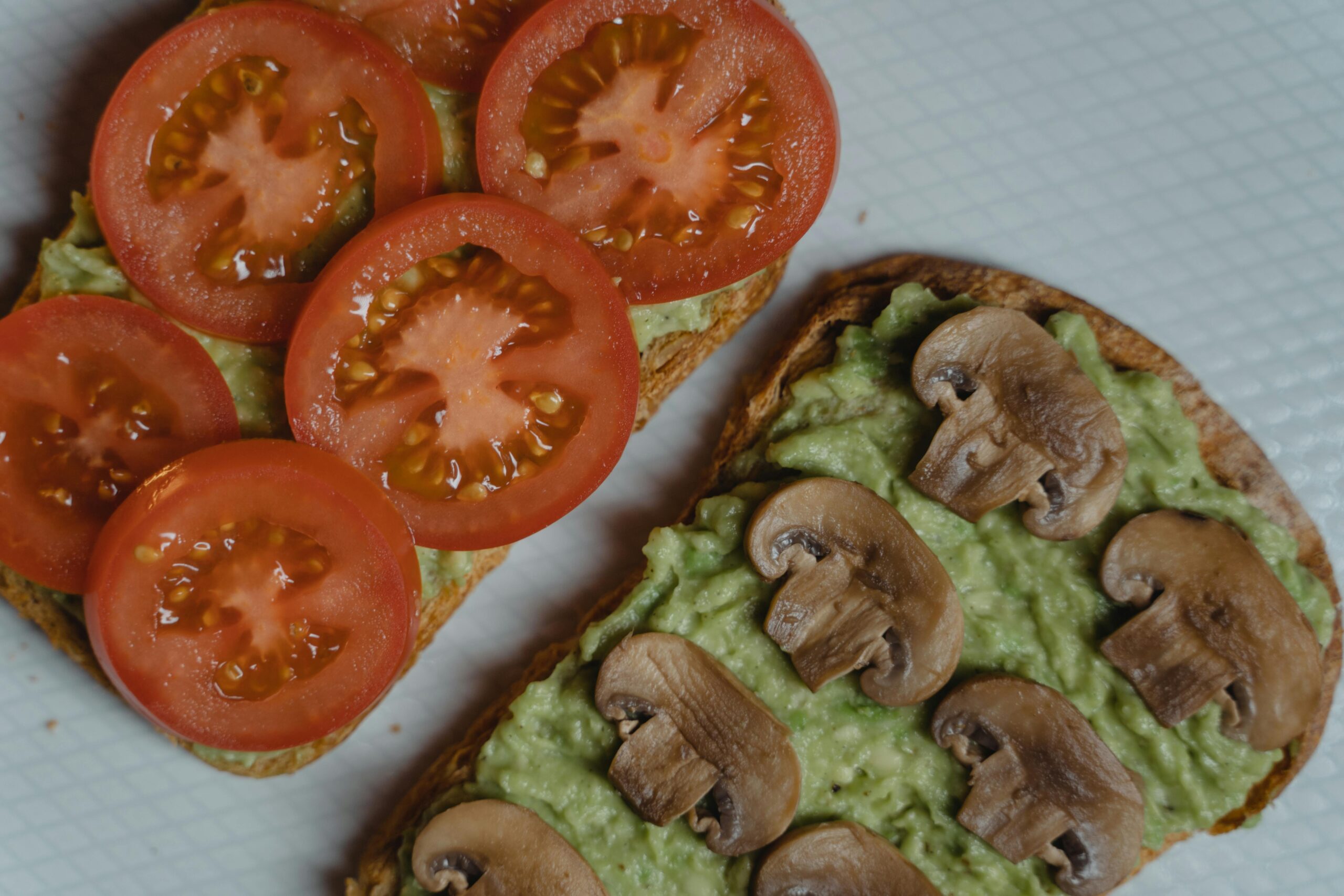
Including healthy fats in your commute snacking strategy promotes satiety and supports nutrient absorption. Avocado toast prepared on whole-grain bread travels surprisingly well wrapped properly. Mixed nuts provide omega-3 fatty acids, vitamin E, and minerals in convenient portions.
Seed crackers with hummus individual cups offer Mediterranean-inspired nutrition perfect for mid-commute hunger. Dark chocolate squares (70% cacao or higher) satisfy sweet cravings while providing antioxidants and mood-boosting compounds.
🎒 Organizing Your Mobile Nutrition Station
Even the healthiest snacks and best hydration habits fail without proper organization and planning. Creating a dedicated system ensures you’re never caught without nutritious options when hunger or thirst strikes during your commute.
Essential Equipment for Commuter Nutrition
Invest in an insulated lunch bag specifically designated for your commute supplies. This separates your nutrition system from work materials and maintains appropriate temperatures for perishable items. Include multiple compartments for organizing different food types and preventing crushing.
Reusable containers in various sizes accommodate different snack types while reducing waste and saving money long-term. Leak-proof options prevent disasters in your bag, while clear containers allow quick identification of contents. Small ice packs maintain freshness for dairy products, cut fruits, and other temperature-sensitive items.
Keep disposable items minimal but strategic: napkins, wet wipes for quick cleanup, and a small utensil set handle various snack scenarios. A portable placemat or clean napkin provides a sanitary surface when eating in public transportation or your vehicle.
Weekly Prep Strategies That Save Time
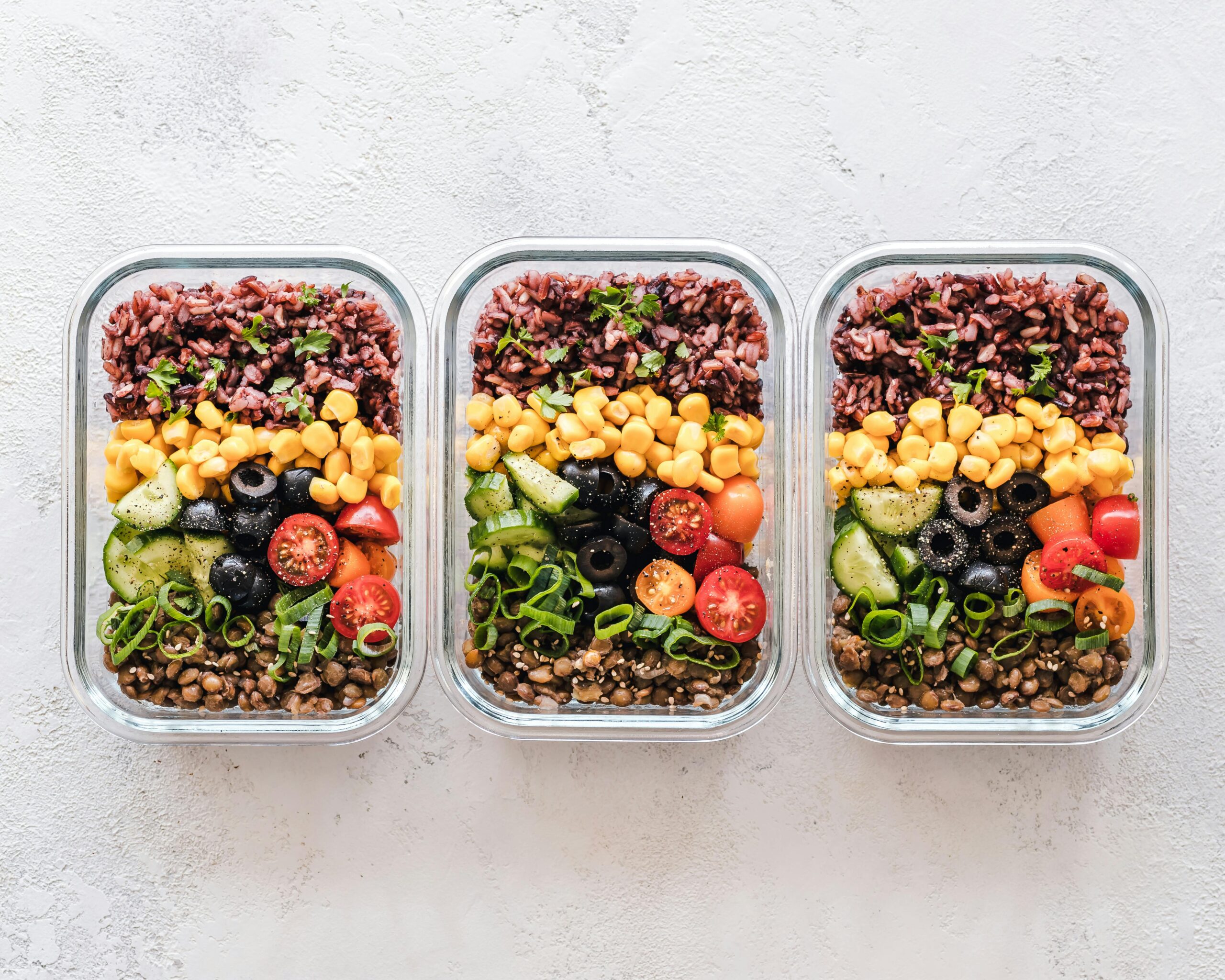
Dedicating one or two hours weekly to snack preparation dramatically improves consistency and reduces daily stress. Wash and portion fruits and vegetables into grab-and-go containers. Prepare protein options like hard-boiled eggs, homemade energy balls, or portioned trail mix.
Create a rotating menu of five to seven snack combinations to prevent boredom while maintaining variety. Stock your pantry with non-perishable backup options for rushed mornings or unexpected schedule changes. Keep emergency nutrition supplies in your vehicle or locker: shelf-stable nut butter packets, whole-grain crackers, and protein bars.
🚗 Transportation-Specific Nutrition Solutions
Different commuting methods present unique challenges and opportunities for maintaining proper nutrition and hydration habits. Tailoring your approach to your specific situation maximizes effectiveness and convenience.
Driving Commuters
Drivers face the challenge of consuming food and beverages while maintaining full attention on the road. Prioritize items requiring minimal handling and no utensils: pre-cut vegetables, cheese cubes, or bite-sized fruit. Use cup holders for stable beverage placement, selecting bottles with one-handed operation lids.
Avoid messy, crumbly, or sauce-heavy foods that create distractions or interior cleaning challenges. Keep wet wipes within easy reach for quick hand cleaning. Consider consuming substantial snacks during traffic stops or before beginning your drive rather than while actively operating the vehicle.
Public Transportation Commuters
Transit riders enjoy more flexibility in consuming snacks but must remain considerate of fellow passengers. Choose less aromatic options to avoid disturbing others in confined spaces. Compact, relatively quiet snacks like energy balls, crackers, or cut fruit work well.
Secure water bottles in bag pockets to prevent rolling during sudden stops or turns. Bring a small bag for waste disposal, as not all transit options provide convenient receptacles. Time your eating to less crowded segments of your journey when possible.
Cycling and Walking Commuters
Active commuters burn additional calories, making nutrition even more critical. Consume easily digestible snacks before cycling or walking to avoid cramping. Carry water bottles in frame holders or backpack pockets for easy access without stopping.
Save more substantial snacks for arrival at your destination rather than mid-journey. Energy gels or chews designed for athletes provide quick fuel during longer active commutes. Weather-proof containers protect food from rain or extreme temperatures during outdoor transit.
⚡ Overcoming Common Commuter Nutrition Challenges
Even with the best intentions and planning, obstacles inevitably arise. Anticipating these challenges and developing solutions ensures your nutrition system remains sustainable long-term.
The Time Crunch Dilemma
Morning rushes consistently rank as the top excuse for skipping proper commute nutrition preparation. Combat this by preparing everything the night before: fill water bottles, pack snacks, and place your commute bag by the door. Keep backup non-perishable options permanently stocked in your vehicle or bag.
Simplify breakfast by choosing no-cook options like overnight oats or yogurt parfaits prepared in batches. Set phone reminders for weekly prep sessions, treating them as non-negotiable appointments. The fifteen minutes invested saves time and money while dramatically improving daily nutrition.
Budget Constraints
Healthy snacking doesn’t require expensive specialty products. Bulk purchasing of nuts, seeds, and dried fruits significantly reduces per-serving costs. Seasonal fresh produce offers maximum nutrition at minimum prices. Homemade options like energy balls, trail mix, and portioned vegetables cost fractions of convenience alternatives.
Reusable containers and water bottles eliminate recurring costs of disposable options while supporting environmental sustainability. Calculate the monthly savings compared to daily convenience store purchases or coffee shop stops—the numbers typically reveal substantial financial benefits of your DIY system.
Maintaining Variety and Interest
Nutrition fatigue occurs when eating the same foods repeatedly becomes monotonous. Combat this by rotating through seasonal produce varieties, experimenting with different nut and seed combinations, and trying new whole-grain options. Cultural food explorations introduce exciting flavors: Mediterranean hummus and vegetables, Asian-inspired edamame and rice crackers, or Latin American fresh fruit with lime and chili powder.
Follow food blogs or social media accounts focused on portable nutrition for continuous inspiration. Swap recipes with coworkers facing similar challenges. Theme your weekly prep—Mexican-inspired one week, Mediterranean the next—to maintain excitement while simplifying shopping.
📊 Tracking Your Hydration and Nutrition Progress
Monitoring your intake helps identify patterns, celebrate successes, and adjust strategies for better results. This doesn’t require obsessive calorie counting but rather mindful awareness of your consumption habits.
Simple water tracking apps send reminders throughout the day and calculate personalized hydration goals based on your weight, activity level, and climate. Many include features for logging snacks and meals, though this optional component suits some personalities better than others.
Physical journals or simple phone notes work equally well for those preferring low-tech solutions. Note energy levels, hunger patterns, and how different foods affect your focus and productivity. This information reveals which strategies work best for your unique needs and schedule.
Weekly reviews identify successful patterns worth repeating and challenges requiring new approaches. Celebrate small victories—a full week of proper hydration, successfully avoiding vending machine temptations, or discovering a new favorite healthy snack.
🌟 Advanced Optimization for Peak Commuter Performance
Once your basic hydration and snack system functions smoothly, fine-tuning further enhances benefits and addresses specific performance goals or health considerations.
Seasonal Adaptations
Your nutrition needs shift with weather changes. Summer commutes require increased hydration and electrolyte attention, with coconut water or diluted sports drinks supporting balance. Light, refreshing snacks like cucumber slices, watermelon, or cold smoothies provide satisfaction without heaviness.
Winter commuting demands different considerations: warm herbal teas in insulated containers combat cold, while heartier snacks like nut butter with whole-grain toast or warm oatmeal provide sustained energy. Dried fruits and nuts offer concentrated nutrition without temperature sensitivity.
Exercise Integration
Commuters incorporating fitness into their journey require adjusted nutrition timing and composition. Pre-workout snacks consumed 30-60 minutes before active commuting should emphasize easily digestible carbohydrates with moderate protein. Post-workout nutrition within 30 minutes supports recovery, combining protein and carbohydrates in approximately 3:1 ratio.
Hydration becomes even more critical for active commuters, with fluid intake beginning before exercise and continuing throughout. Electrolyte supplementation matters for commutes exceeding 45 minutes or occurring in hot conditions.
Dietary Restrictions and Preferences
Specialized diets require adapted strategies but remain entirely compatible with commuter nutrition systems. Vegan and vegetarian options abound: hummus with vegetables, nut-based energy balls, plant-based protein bars, and fruit with seed butter provide complete nutrition without animal products.
Gluten-free commuters can choose rice crackers, gluten-free oats, fresh fruits, vegetables, nuts, and seeds. Keto followers emphasize cheese, nuts, seeds, hard-boiled eggs, and vegetables with high-fat dips. Paleo adherents focus on fresh fruits, vegetables, nuts, seeds, and compliant jerky options.

💡 Transforming Your Daily Commute Into Wellness Time
Your journey to and from work need not represent lost time or nutritional compromise. By implementing a thoughtful hydration and snack system, you transform this daily necessity into an opportunity for self-care and health optimization. The strategies outlined provide a comprehensive framework adaptable to any commuting style, schedule, or dietary preference.
Start small—choose one hydration improvement and one snack upgrade this week. Gradually expand your system as habits solidify and confidence grows. Remember that perfection isn’t the goal; consistency and progress matter most. Some days will involve convenience store compromises, and that’s perfectly acceptable within an overall healthy pattern.
The investment of time and attention in your commuter nutrition system pays dividends far beyond the journey itself. Improved energy, better focus, enhanced mood, and healthier eating patterns throughout the day all stem from these foundational habits. Your commute becomes not just bearable but genuinely enjoyable when you’re properly fueled, hydrated, and nourished for whatever the day brings.