Snack time doesn’t have to be a daily puzzle. With the right planning system, you can transform chaotic munching moments into organized, nutritious routines that save time, reduce stress, and keep everyone happy throughout the week.

Whether you’re managing snacks for a busy household, meal prepping for yourself, or organizing treats for a classroom, having a structured approach makes all the difference. Snack rotation planning templates offer a practical solution that eliminates decision fatigue while ensuring variety and balanced nutrition.
Why Snack Planning Deserves Your Attention 🎯
Most people spend considerable time planning main meals but overlook snacks entirely. This oversight leads to last-minute convenience store runs, unhealthy vending machine choices, or repeated consumption of the same items until everyone groans at the sight of them.
A well-designed snack rotation system addresses multiple challenges simultaneously. It reduces food waste by helping you purchase exactly what you need. It ensures dietary requirements are met consistently. Perhaps most importantly, it frees up mental energy for more important decisions throughout your day.
Research shows that decision fatigue is real and cumulative. Every small choice drains our cognitive resources slightly. By pre-deciding snacks for the week, you preserve that mental energy for work, relationships, and activities that truly matter.
The Foundation: Understanding Snack Rotation Planning
Snack rotation planning involves creating a structured schedule that cycles through different snack options over a set period. Rather than randomly grabbing whatever’s available, you follow a predetermined pattern that ensures variety, meets nutritional goals, and simplifies shopping.
The concept borrows from meal planning strategies but adapts them for the unique characteristics of snacking. Snacks require less preparation time, need to be portable, should accommodate different hunger levels, and must work within various contexts from desk work to post-workout recovery.
Components of an Effective Snack Rotation System
Every successful snack planning template includes several key elements. First, it categorizes snacks by type—proteins, fruits, vegetables, whole grains, and treats. This categorization ensures balanced nutrition across the week rather than accidentally creating a carb-heavy or protein-deficient rotation.
Second, effective templates account for preparation requirements. Some days you’ll have time for snacks requiring minimal assembly, while other days demand completely grab-and-go options. Your rotation should reflect this reality.
Third, good templates build in flexibility. Life happens, preferences change, and sometimes you simply crave something different. A rigid system creates frustration rather than convenience.
Creating Your Personalized Snack Rotation Template ✏️
Starting with a blank template can feel overwhelming, but breaking the process into manageable steps makes it surprisingly straightforward. Begin by assessing your actual snacking patterns for one week without changing anything. Notice when you snack, what you typically reach for, and what situations trigger snacking.
This baseline awareness reveals patterns you can work with rather than against. If you consistently need an afternoon energy boost, your template should feature satisfying options for that time slot. If evenings involve mindless munching, plan structured evening snacks to address that need intentionally.
Step-by-Step Template Creation
Start by listing all snacks your household actually enjoys. Be honest—aspirational snacks you think you should like but never eat don’t belong here. This master list becomes your rotation pool.
Next, categorize these snacks by preparation time, nutritional profile, and storage requirements. Fresh berries offer different logistics than shelf-stable nuts. Understanding these distinctions helps you create a realistic rotation.
Then map out your week’s snack slots. Most people need two to three snack times daily—mid-morning, afternoon, and evening. Multiply these slots by seven days, and you’ll see how many snack decisions you’re actually making weekly. That’s 14 to 21 decisions you can automate!
Assign snacks to slots based on your schedule’s demands. Monday afternoons might require portable options if you’re always running errands. Wednesday evenings might allow for more elaborate snack plates if you’re typically home.
Smart Shopping: The Snack Rotation Shopping List 🛒
Once your rotation template is complete, generating a shopping list becomes automatic. You know exactly what you need for the week, in what quantities, eliminating both shortages and excess purchases.
Organize your shopping list by store section to streamline the actual shopping trip. Group all produce together, all dairy items, all pantry staples. This organization cuts shopping time significantly while reducing the likelihood of forgotten items.
Consider batch-buying strategies for shelf-stable rotation staples. Items like nuts, seeds, whole grain crackers, and dried fruits can be purchased in larger quantities, reducing shopping frequency. Fresh items like fruits, vegetables, and dairy require weekly attention but occupy a smaller portion of your list.
Prep Strategies That Maximize Your Template’s Effectiveness
Even the best rotation template fails without appropriate preparation. Dedicate one hour weekly—Sunday afternoon works well for many people—to snack prep that sets you up for success.
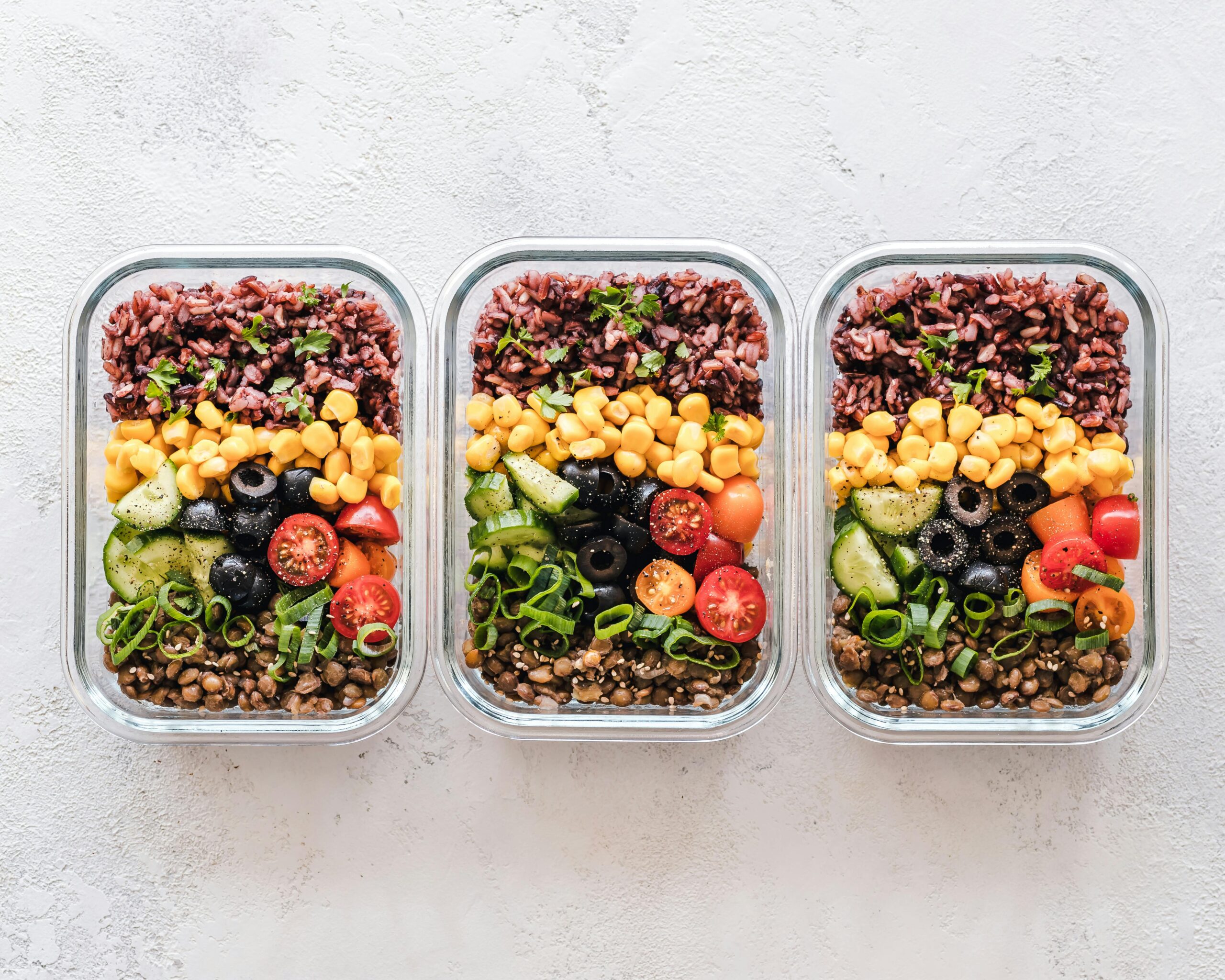
Wash and portion fresh produce immediately after shopping. Carrot sticks, celery slices, pepper strips, and berries stay fresh in airtight containers and become genuinely grab-and-go. The five minutes you invest in portioning pays back exponentially throughout the week.
Pre-portion nuts, seeds, and crackers into small containers or bags. This practice controls portions naturally while ensuring you have the right amount ready when your template calls for that snack.
Advanced Prep Techniques for Busy Weeks
For particularly hectic weeks, consider preparing more elaborate snacks in advance. Energy balls, homemade granola bars, and vegetable-based muffins can be made in batches and frozen. Your rotation template simply indicates when to thaw these items.
Assembled snack boxes work beautifully for kids and adults alike. Using compartmented containers, create complete snack combinations your template specifies—cheese and crackers, hummus and vegetables, fruit and nut butter. Stack these in the refrigerator for instant access.
Digital vs. Physical Templates: Choosing Your Format 📱
Snack rotation templates exist in various formats, each offering distinct advantages. Physical templates—printed sheets, whiteboard charts, or refrigerator magnets—provide constant visibility. You don’t need to open an app or remember to check your phone; the plan is simply there.
Digital templates offer different benefits. They’re easily editable when preferences change, can send reminders, and often include built-in shopping list generators. Many people appreciate the ability to access their snack plan from anywhere via smartphone.
Hybrid approaches combine both formats’ strengths. Maintain your master template digitally for easy editing and shopping list generation, but print the current week’s rotation for high-visibility reference on the refrigerator or pantry door.
Adapting Templates for Different Household Needs 👨👩👧👦
Single-person households benefit from rotation planning by reducing food waste and decision fatigue. With only one person consuming snacks, spoilage becomes a real concern without proper planning. Templates help you purchase and prepare appropriate quantities.
Families with children require templates that balance adult preferences, kids’ tastes, and nutritional requirements. Consider creating separate but coordinated rotations—one for adults, one for children—that share ingredients to simplify shopping while honoring different needs.
Households with dietary restrictions or allergies need templates that clearly mark safe options and prevent cross-contamination. Color-coding works well: green for universally safe snacks, yellow for options that work for most family members, red for items requiring careful handling.
Accommodating Picky Eaters and Changing Preferences
Picky eaters often eat more adventurously when rotation planning removes pressure. Instead of daily negotiations, the template simply indicates what’s available. Over time, familiar rotation items become accepted, and new items can be gradually introduced.
Build flexibility into your template by including “choice slots” where the eater selects from two or three pre-approved options. This approach provides autonomy while maintaining the structure that makes rotation planning effective.
Nutritional Balance Through Strategic Rotation 🥗
Effective snack rotation naturally promotes nutritional balance by ensuring variety. When you visualize a week’s worth of snacks simultaneously on your template, nutritional gaps become obvious. Three afternoon snacks consisting entirely of crackers signal an opportunity to diversify.
Aim for each snack to include at least two macronutrients—protein, carbohydrates, or healthy fats. This combination provides sustained energy rather than quick spikes and crashes. Apple slices with almond butter, Greek yogurt with granola, or hummus with vegetables all exemplify this principle.
Use your template to track weekly servings of different food groups. Nutritional guidelines recommend multiple daily servings of fruits and vegetables. Snacks offer an excellent opportunity to meet these goals without overhauling entire meals.
Seasonal Rotation Adjustments for Year-Round Success 🍂
Snack preferences naturally shift with seasons. Summer calls for refreshing options like chilled fruit, frozen yogurt bark, and crisp vegetables. Winter invites warming snacks like roasted nuts, warm applesauce, or cheese with hearty crackers.
Seasonal rotation adjustments also align with produce availability and cost. Berries make perfect summer snacks when abundant and affordable but become expensive winter choices. Your winter template might emphasize apples, pears, and citrus instead.
Create seasonal master templates that you rotate throughout the year. This approach provides familiar structure while naturally incorporating seasonal variety. You’re not starting from scratch each season—just refreshing your existing framework with seasonally appropriate options.
Troubleshooting Common Snack Rotation Challenges 🔧
Even well-designed templates encounter obstacles. The most common challenge is boredom—eating the same rotation for weeks without variation. Prevent this by maintaining multiple rotation options and alternating between them. Week one follows rotation A, week two uses rotation B, week three returns to rotation A with fresh appreciation.
Another frequent issue is overestimating preparation willingness. If your template calls for assembled snacks but you consistently skip prep, acknowledge this reality. Adjust your template toward truly grab-and-go options rather than fighting your natural patterns.
Budget constraints sometimes limit snack variety. Address this by building your rotation around affordable staples—seasonal produce, store-brand items, and bulk purchases. Expensive specialty items can appear occasionally as treats rather than rotation staples.
When Life Disrupts Your Rotation
Vacations, illness, schedule changes, and unexpected events will disrupt even the best rotation plans. Rather than abandoning the system entirely, simply pause and resume when normal life returns. Your template remains valuable even if you use it inconsistently.
For predictably irregular schedules, create multiple mini-templates—one for regular weeks, another for travel weeks, perhaps a third for particularly busy periods. Switch between templates as your circumstances demand.
Measuring Success and Refining Your System 📊
After implementing your snack rotation template for several weeks, assess what’s working and what needs adjustment. Successful systems should reduce stress, minimize food waste, improve nutrition, and save time. If you’re not experiencing these benefits, something needs refinement.
Track which template snacks get eaten enthusiastically versus which sit untouched. This data reveals true preferences versus aspirational ones. Successful rotations feature foods people actually enjoy, not foods they think they should enjoy.
Notice whether you’re following through with preparation requirements. Templates demanding more prep than you realistically complete need adjustment. There’s no shame in simplifying—the goal is a sustainable system, not an impressive but unused one.

Transforming Snack Time Into a Stress-Free Routine 🌟
When properly implemented, snack rotation planning transforms a source of daily decision-making into an automated routine. You’ll notice the mental relief almost immediately—one less thing requiring active thought and planning.
This systematization creates space for more intentional eating. Rather than mindlessly consuming whatever’s convenient, you engage with purposefully chosen snacks that align with your nutritional goals and taste preferences.
The benefits extend beyond individual convenience. Families report reduced conflict around snacks when a neutral template determines availability rather than parental whim. Children develop independence by following the visible rotation themselves.
Start simple with a basic template covering your most frequent snacking occasions. As the system becomes second nature, expand and refine it. The perfect snack rotation plan is one you’ll actually use consistently, not the most elaborate system you can imagine. Your simplified snack time begins with that first template—create it today and experience the difference structured snacking makes in your daily life.