Managing your caffeine intake isn’t just about drinking coffee—it’s about creating a strategic approach that maximizes your energy, sharpens your focus, and maintains balance throughout your day. With the right caffeine strategy, you can transform how you work, think, and feel.

Modern life demands sustained energy and mental clarity, yet many people struggle with energy crashes, jitters, and disrupted sleep patterns caused by poorly timed or excessive caffeine consumption. Understanding how to use caffeine intelligently can be the difference between thriving through your day and barely surviving it.
☕ Understanding Caffeine’s Impact on Your Body and Mind
Caffeine is one of the world’s most widely consumed psychoactive substances, and for good reason. This natural stimulant blocks adenosine receptors in your brain, preventing the drowsiness signal that normally builds throughout the day. The result? Increased alertness, improved concentration, and enhanced physical performance.
However, caffeine’s effects extend far beyond simple wakefulness. Research shows that strategic caffeine consumption can improve memory consolidation, boost athletic performance by up to 12%, and even enhance mood. The key word here is “strategic”—timing, dosage, and consistency all matter tremendously when it comes to optimizing caffeine’s benefits.
Your body typically absorbs caffeine within 45 minutes of consumption, with peak blood concentration occurring around the one-hour mark. The half-life of caffeine ranges from 3 to 7 hours depending on individual factors like genetics, age, and liver function. This means that afternoon coffee is still affecting your system well into the evening, potentially interfering with sleep quality.
🧬 Individual Caffeine Sensitivity Matters
Not everyone processes caffeine the same way. Genetic variations in the CYP1A2 gene determine whether you’re a fast or slow caffeine metabolizer. Fast metabolizers can enjoy coffee later in the day without sleep disruption, while slow metabolizers may feel jittery from even small amounts and experience prolonged effects.
Recognizing your personal caffeine tolerance is essential for creating an effective strategy. Pay attention to how different amounts affect your energy levels, anxiety, sleep quality, and digestive system. This self-awareness forms the foundation of your personalized caffeine approach.
⚡ Creating Your Personalized Caffeine Strategy Checklist
A printable caffeine strategy checklist serves as your daily roadmap for optimal energy management. This practical tool helps you track consumption, timing, and effects while maintaining consistency in your approach. Let’s break down the essential components that should appear on your checklist.
Morning Caffeine Protocol
The most counterintuitive aspect of smart caffeine use is waiting 90-120 minutes after waking before your first cup. Upon waking, your body naturally produces cortisol—your primary alertness hormone. Consuming caffeine during this natural cortisol spike can lead to increased tolerance and diminished effects over time.
Your morning checklist should include:
- Wake-up time recorded for consistency tracking
- Hydration checkpoint: drink 16-20 ounces of water first
- 90-minute timer set before first caffeine dose
- Planned caffeine amount (typically 80-200mg for first dose)
- Food pairing to prevent stomach irritation
Midday Energy Management
The afternoon slump is real, and it’s largely driven by your circadian rhythm. Your body temperature drops slightly in the early afternoon, triggering drowsiness. This is where strategic caffeine timing can make a significant difference, but only if executed correctly.
Consider implementing a “caffeine nap”—consuming a small amount of caffeine immediately before a 20-minute power nap. Since caffeine takes about 20 minutes to enter your bloodstream, you’ll wake feeling doubly refreshed. Your checklist should track this technique’s effectiveness for your unique physiology.
📊 Tracking and Measuring Your Caffeine Effectiveness
Data-driven decision making applies to caffeine consumption just as much as business strategy. Creating a simple tracking system helps you identify patterns, optimize timing, and adjust dosages for maximum benefit with minimal downsides.
| Time | Caffeine Source | Amount (mg) | Energy Level (1-10) | Focus Quality | Side Effects |
|---|---|---|---|---|---|
| 9:30 AM | Black Coffee | 95mg | 8 | Sharp | None |
| 2:00 PM | Green Tea | 35mg | 7 | Steady | None |
This tracking approach reveals valuable insights over time. You might discover that splitting your caffeine intake into smaller doses throughout the morning and early afternoon produces more stable energy than one large morning dose. Or you may find that switching from coffee to green tea in the afternoon reduces sleep disruption without sacrificing alertness.
🎯 Setting Your Daily Caffeine Ceiling
Most health authorities recommend limiting caffeine intake to 400mg daily for healthy adults—roughly four cups of coffee. However, your optimal amount may be considerably less depending on sensitivity, health conditions, and sleep goals. Your strategy checklist should include a daily maximum that you’ve determined works best for you.
Exceeding your personal threshold typically results in diminishing returns. Beyond a certain point, additional caffeine increases anxiety and jitters without providing additional energy or focus benefits. Some people thrive on 200mg daily, while others function optimally at 300mg. Experiment systematically and document results.
🌙 The Evening Wind-Down Strategy
Your caffeine strategy doesn’t end when you stop consuming it—it extends to actively supporting your body’s natural wind-down process. Establishing a firm caffeine cutoff time is perhaps the most impactful element of your entire strategy.
For most people, consuming no caffeine after 2:00 PM protects sleep quality. Given caffeine’s 5-6 hour half-life, a 2:00 PM cutoff means approximately 75% will be metabolized by a 10:00 PM bedtime. Your checklist should include your personal cutoff time with accountability measures.
Alternatives for Afternoon Energy
When the afternoon energy dip hits after your caffeine cutoff, your checklist should include proven non-caffeine strategies:
- 10-minute outdoor walk for natural light exposure
- Cold water face splash to activate alertness
- Brief stretching or movement sequence
- Engaging conversation with a colleague
- Switching to a different type of task
These alternatives work by triggering different biological alertness pathways without interfering with sleep quality. Incorporating them into your printed checklist ensures you have ready options when caffeine isn’t appropriate.
💪 Pairing Caffeine with Performance Activities
Caffeine’s performance-enhancing effects are well-documented across cognitive and physical domains. Your strategy checklist should align caffeine consumption with activities that benefit most from enhanced alertness and energy.
Cognitive Performance Windows
Schedule your most demanding cognitive work during peak caffeine effectiveness—typically 30 to 90 minutes after consumption. This is when you’ll experience optimal focus, working memory capacity, and problem-solving ability. Your checklist can include planned “power hours” for deep work that coincide with peak caffeine timing.
Complex analytical tasks, creative problem-solving, and learning new information all benefit from strategic caffeine timing. Conversely, save routine administrative tasks for periods when caffeine levels are lower and sustained focus is less critical.
🏃 Exercise and Caffeine Synergy
Athletes have long known that pre-workout caffeine enhances performance. Consuming caffeine 45-60 minutes before exercise can increase endurance, reduce perceived exertion, and improve strength output. If you exercise regularly, your caffeine strategy should account for workout timing.
Morning exercisers might use their workout caffeine as their first daily dose, while evening exercisers need to carefully balance performance benefits against potential sleep disruption. Your personalized checklist should reflect your unique exercise schedule and priorities.
🔄 Managing Tolerance and Taking Strategic Breaks
Regular caffeine consumption inevitably leads to increased tolerance as your brain develops more adenosine receptors. This adaptation means you need progressively more caffeine to achieve the same effects—unless you periodically reset your system.
Your caffeine strategy checklist should include planned “reset periods” every 6-8 weeks. These 5-7 day breaks allow your adenosine receptor density to normalize, restoring caffeine sensitivity. While challenging, these resets ensure caffeine remains an effective tool rather than a dependency.
Navigating the Reset Period
Caffeine withdrawal symptoms typically peak around 24-48 hours after your last dose and may include headaches, fatigue, irritability, and difficulty concentrating. Planning your reset period around less demanding work schedules makes the process more manageable.
During resets, gradually taper consumption rather than quitting cold turkey. Your checklist might show a step-down approach: reduce by 25% every two days until reaching zero. This gentler approach minimizes withdrawal symptoms while still providing tolerance benefits.
🌿 Diversifying Your Caffeine Sources
Coffee isn’t your only option. Different caffeine sources offer unique benefits and compound profiles that may suit different situations better. Your strategy checklist should include variety to prevent monotony and leverage specific advantages.
Green tea provides caffeine alongside L-theanine, an amino acid that promotes calm focus without jitters. Yerba mate offers a different blend of xanthines for smoother, longer-lasting energy. Black tea sits between coffee and green tea in caffeine content while offering cardiovascular benefits.
Rotating between sources prevents your body from adapting too completely to any single caffeine delivery method. Your printed checklist might designate specific sources for specific purposes: coffee for intense morning focus, green tea for afternoon steadiness, and matcha for pre-workout energy.
📝 Your Printable Checklist Components
An effective caffeine strategy checklist should be comprehensive yet simple enough for daily use. Design your printable version to include these essential sections:
- Date and day of week for pattern identification
- Wake time and first caffeine consumption delay
- Each caffeine dose with time, source, and amount
- Energy and focus ratings throughout the day
- Side effects or negative symptoms noted
- Exercise timing if applicable
- Sleep quality rating from previous night
- Weekly running total approaching your limit
- Notes section for observations and adjustments
Keep your printed checklist visible throughout the day—on your desk, kitchen counter, or planner. Physical tracking often proves more effective than digital methods because the act of writing reinforces awareness and intention around your consumption choices.
🎨 Customizing Your Strategy for Life Phases
Your optimal caffeine strategy isn’t static—it should evolve with changing life circumstances, health conditions, and goals. Pregnancy, aging, stress levels, medication changes, and shift work all necessitate strategy adjustments.
During high-stress periods, you might reduce caffeine to prevent anxiety amplification. When learning new skills, you might time caffeine more precisely around study sessions. Your checklist should include periodic review dates to reassess whether your current approach still serves your needs.
Adapting for Better Sleep
If sleep quality becomes an issue, your checklist becomes a diagnostic tool. Review several weeks of data to identify patterns—perhaps that 1:00 PM coffee consistently correlates with difficulty falling asleep. Adjusting your cutoff time earlier, even by just 30 minutes, might resolve the issue entirely.
Quality sleep trumps daytime energy optimization because poor sleep creates a vicious cycle requiring ever-more caffeine to compensate. Your strategy must prioritize sleep protection, even if it means slightly less daytime alertness.
✨ Building Sustainable Energy Beyond Caffeine
The ultimate caffeine strategy recognizes that caffeine is a tool, not a solution. Your checklist should also track foundational energy factors: sleep duration and quality, hydration levels, meal timing and composition, movement throughout the day, and stress management.
When these fundamentals are strong, caffeine enhances an already solid foundation. When they’re weak, caffeine becomes a band-aid covering deeper issues. Use your tracking data to identify whether you’re relying on caffeine to compensate for correctable lifestyle factors.
Sustainable energy comes from aligned circadian rhythms, consistent sleep schedules, regular physical activity, balanced nutrition, and stress resilience. Caffeine should optimize this foundation, not replace it. Your comprehensive strategy checklist helps maintain this crucial perspective.
🚀 Implementing Your Personalized Caffeine Blueprint
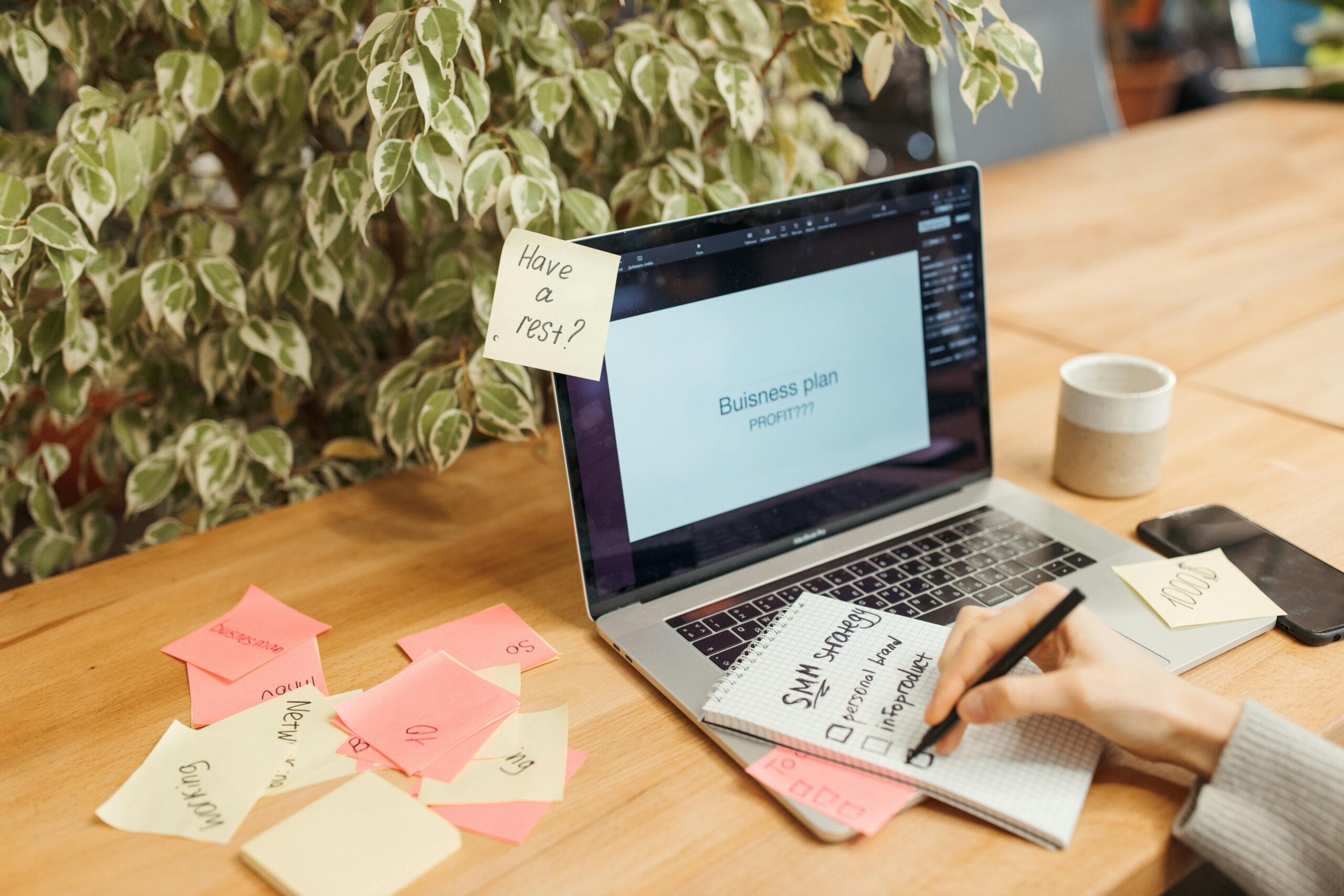
Knowledge without implementation changes nothing. Print your customized caffeine strategy checklist today and commit to two weeks of consistent tracking. This initial period provides enough data to identify patterns and make informed adjustments.
Share your approach with family or colleagues for accountability. When others know you’re following a specific caffeine strategy, you’re more likely to maintain consistency. Some people find success making it a team effort, comparing notes and supporting each other through reset periods.
Remember that optimization is an ongoing process, not a destination. Your perfect caffeine strategy emerges through experimentation, honest tracking, and willingness to adjust based on results rather than habits or assumptions. The checklist is your companion on this journey toward focused, balanced, energized days.
Start tomorrow morning by implementing just the wake-time delay before your first cup. This single adjustment often produces noticeable improvements within days. From this small win, build additional checklist elements gradually until your complete personalized strategy is operational and sustainable for the long term.