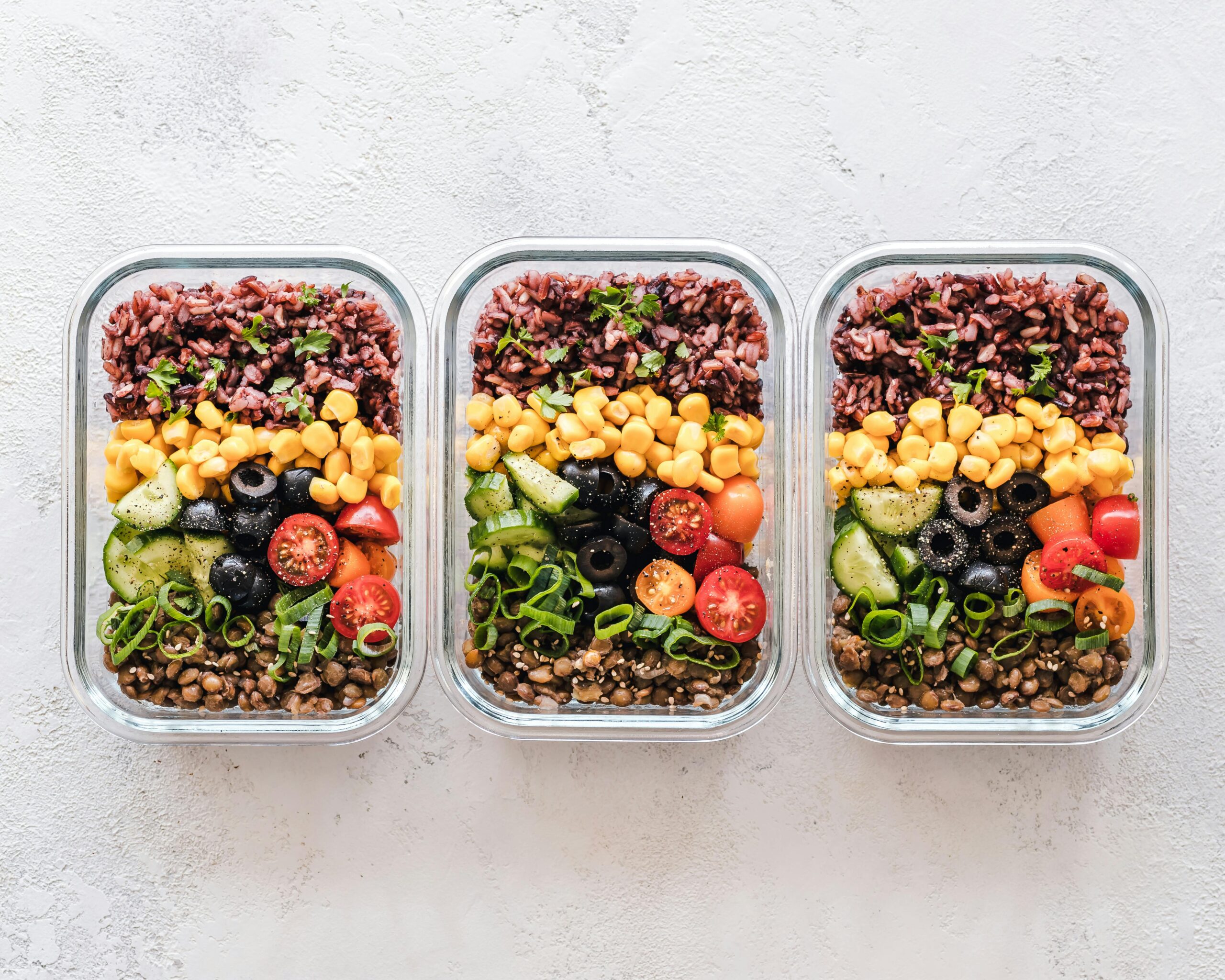
Meal prep doesn’t have to be complicated or time-consuming. With the right strategies and beginner-friendly recipes, you can transform your weekly routine into a seamless, stress-free experience that saves money and promotes healthier eating habits.

Whether you’re a busy professional, a student juggling multiple responsibilities, or a parent trying to feed your family nutritious meals, meal prep is your secret weapon. The concept is simple: dedicate a few hours once or twice a week to preparing ingredients or complete meals that you can quickly grab throughout the week. This approach eliminates the daily “what’s for dinner?” panic and helps you avoid expensive takeout orders or unhealthy convenience foods.
🍱 Why Meal Prep Is a Game-Changer for Beginners
Starting a meal prep routine might seem overwhelming at first, but the benefits far outweigh the initial learning curve. When you prep meals in advance, you’re essentially giving your future self a gift—the gift of time, health, and peace of mind.
The average person spends nearly an hour each day deciding what to eat, preparing meals, and cleaning up afterward. Multiply that by seven days, and you’re looking at seven hours per week dedicated to food-related activities. Meal prep condenses this time dramatically, often reducing your weekly cooking commitment to just two to three hours.
Financial savings represent another compelling reason to embrace meal prep. Restaurant meals and food delivery services can cost three to five times more than home-cooked alternatives. By planning ahead and buying ingredients in bulk, you’ll notice a significant difference in your monthly food budget within just a few weeks.
Health Benefits That Matter
Beyond convenience and cost savings, meal prep gives you complete control over ingredients, portion sizes, and nutritional content. This control is invaluable for anyone trying to lose weight, build muscle, manage dietary restrictions, or simply eat more vegetables and whole foods.
When hunger strikes and you don’t have a meal ready, you’re far more likely to make impulsive, unhealthy choices. Meal prep removes this temptation by ensuring nutritious options are always within reach.
🛒 Essential Tools and Containers for Successful Meal Prep
Before diving into recipes, let’s talk about the tools that will make your meal prep journey smooth and efficient. You don’t need expensive gadgets or a commercial kitchen—just a few key items will set you up for success.
Quality food storage containers are your most important investment. Look for BPA-free plastic or glass containers with secure, leak-proof lids. Having containers in various sizes allows you to portion different types of meals appropriately. A good starter set includes at least eight to twelve containers in the 24-32 ounce range for complete meals, plus smaller containers for snacks and ingredients.
A sharp chef’s knife dramatically reduces prep time and makes chopping vegetables much safer and more enjoyable. Pair it with a sturdy cutting board—preferably two, so you can use one for raw proteins and another for produce to prevent cross-contamination.
Kitchen Equipment Worth Having
A large baking sheet allows you to roast multiple servings of vegetables or proteins simultaneously. Sheet pan meals are incredibly beginner-friendly because everything cooks together with minimal supervision.
A slow cooker or instant pot can be transformative for meal prep beginners. These appliances do the heavy lifting while you focus on other tasks, producing tender, flavorful proteins and one-pot meals with minimal effort.
Measuring cups and a food scale help you understand portion sizes, which is especially important if you’re tracking calories or macronutrients. Over time, you’ll develop an intuitive sense of portions, but these tools provide valuable guidance when starting out.
🗓️ Planning Your Meal Prep Week
The foundation of successful meal prep is a solid plan. Start by deciding how many meals you want to prepare. Most beginners find success preparing five lunches or five dinners—not necessarily every single meal for the entire week.
Choose a consistent prep day that fits your schedule. Sundays are popular because they provide a buffer before the work week begins, but Wednesday evenings can work well if you prefer splitting your prep into two shorter sessions.
Begin with recipes that share ingredients. If you’re buying chicken, bell peppers, and rice, find three different recipes that use these items in various combinations. This ingredient overlap reduces waste, simplifies shopping, and makes your prep session more efficient.
Creating Your First Meal Prep Menu
For your first week, aim for simplicity over variety. It’s better to master three recipes that you’ll actually eat than to overwhelm yourself with seven different complicated dishes. Choose recipes with different flavor profiles so you don’t get bored—perhaps one Asian-inspired dish, one Mediterranean option, and one Mexican-style meal.
Write out your shopping list organized by grocery store section. This organization saves time during shopping and helps ensure you don’t forget ingredients. Check your pantry first to avoid buying items you already have.
🥗 Beginner-Friendly Recipe: Mediterranean Chicken and Vegetable Bowls
This colorful, nutritious bowl comes together quickly and stores beautifully for up to five days. The combination of lean protein, complex carbohydrates, and vegetables provides balanced nutrition that keeps you satisfied for hours.
Ingredients needed: 1.5 pounds boneless, skinless chicken breast, 2 cups uncooked quinoa or brown rice, 2 red bell peppers, 2 zucchini, 1 pint cherry tomatoes, 1 cucumber, 1 can chickpeas, feta cheese, olive oil, lemon juice, garlic, dried oregano, salt, and pepper.
Preheat your oven to 425°F. Cut chicken breasts into bite-sized pieces and season with olive oil, minced garlic, oregano, salt, and pepper. Chop bell peppers and zucchini into similar-sized pieces. Spread chicken and vegetables on a large baking sheet, ensuring nothing overlaps too much. Roast for 20-25 minutes, stirring halfway through, until chicken reaches 165°F internally and vegetables are tender with golden edges.
While the sheet pan cooks, prepare your grain according to package directions. Quinoa typically takes 15 minutes, while brown rice needs 40-45 minutes. Drain and rinse the chickpeas, then toss them with a little olive oil and roast them separately for extra crispiness if desired.
Assembly and Storage Tips
Once everything is cooked and slightly cooled, divide the grain among your containers as a base. Top each with equal portions of roasted chicken and vegetables, chickpeas, and cucumber slices. Store feta cheese and dressing separately to maintain optimal texture.
For the dressing, whisk together 1/4 cup olive oil, 3 tablespoons lemon juice, 1 minced garlic clove, 1 teaspoon oregano, salt, and pepper. Store in a small jar and add just before eating.
🌮 Quick Recipe: Burrito Bowl Meal Prep
Burrito bowls are endlessly customizable and appeal to almost everyone. This recipe creates five hearty, restaurant-quality meals for a fraction of the cost of ordering out.
Ingredients: 1.5 pounds ground turkey or beef, 2 cups uncooked rice, 2 cans black beans, 2 cups frozen corn, 1 jar salsa, 1 packet taco seasoning (or homemade spices), 1 cup shredded cheese, 2 avocados, sour cream, and fresh cilantro.
Cook rice according to package directions. While rice cooks, brown the ground meat in a large skillet over medium-high heat, breaking it into crumbles. Once cooked through, drain excess fat and add taco seasoning with a splash of water, simmering for 5 minutes. In another pan, heat the black beans (drained and rinsed) and corn together with a spoonful of salsa.
Divide rice into five containers, then layer with seasoned meat, bean and corn mixture, and a generous spoonful of salsa. Store shredded cheese in the container, but pack avocado, sour cream, and cilantro separately to add fresh before eating.
Customization Options
The beauty of burrito bowls lies in their flexibility. Swap ground meat for shredded chicken, carnitas, or even roasted sweet potatoes for a vegetarian version. Add jalapeños for heat, lime wedges for brightness, or pickled red onions for tang. Each variation feels like a completely different meal.
🍝 Simple Recipe: Italian Pasta with Vegetables and Protein
Pasta meal prep gets a bad reputation for becoming soggy, but with the right technique, you can enjoy perfectly textured pasta all week long. The trick is slightly undercooking the pasta and storing the sauce separately when possible.
Ingredients: 1 pound whole wheat penne or rotini pasta, 1.5 pounds Italian chicken sausage (or regular chicken breast), 1 large head broccoli, 2 cups cherry tomatoes, 3 cloves garlic, 1/4 cup olive oil, 1/2 cup parmesan cheese, red pepper flakes, salt, and pepper.
Bring a large pot of salted water to boil and cook pasta until al dente (about 1 minute less than package directions). Drain and toss with a small amount of olive oil to prevent sticking. Cut broccoli into florets and chicken sausage into rounds. In a large skillet, heat olive oil and cook sausage until browned, about 5 minutes per side.
Add garlic to the pan and cook for 30 seconds until fragrant, then add broccoli florets and cherry tomatoes. Cover and cook for 5-7 minutes until broccoli is tender but still bright green. Toss the cooked pasta with the sausage and vegetable mixture, adding a splash of pasta water to create a light sauce.
Storage Strategy for Pasta Dishes
Divide the pasta mixture into containers while still slightly warm. As it cools, the pasta will absorb some moisture without becoming mushy. Store grated parmesan separately and sprinkle on before reheating. When ready to eat, add a tablespoon of water before microwaving to restore moisture and prevent drying out.
🥙 Breakfast Meal Prep: Egg Muffin Cups
Breakfast is the meal most people skip due to time constraints, but these protein-packed egg cups reheat in under a minute and provide sustained energy all morning.
Ingredients: 12 large eggs, 1/2 cup milk, 1 cup shredded cheese, 1 cup diced vegetables (bell peppers, spinach, mushrooms, onions), 1/2 cup cooked bacon or sausage (optional), salt, pepper, and garlic powder.
Preheat oven to 350°F and grease a 12-cup muffin tin thoroughly. In a large bowl, whisk eggs with milk, salt, pepper, and garlic powder. Distribute vegetables and meat evenly among the muffin cups, then pour egg mixture over them, filling each cup about three-quarters full. Sprinkle cheese on top.
Bake for 20-25 minutes until eggs are set and tops are slightly golden. Let cool completely before storing in an airtight container with parchment paper between layers to prevent sticking. These keep for five days in the refrigerator or three months in the freezer.
📱 Helpful Meal Prep Apps and Resources
Technology can simplify your meal prep journey significantly. Several apps help with planning, grocery shopping, and recipe organization. Mealime is particularly beginner-friendly, offering personalized meal plans and automatically generated shopping lists.
Other useful apps include MyFitnessPal for tracking nutritional information, AnyList for collaborative grocery lists, and Paprika for saving and organizing recipes from across the internet. These tools aren’t necessary for successful meal prep, but they can make the process more streamlined and enjoyable.
⏰ Time-Saving Strategies and Pro Tips
Experienced meal preppers develop efficient systems that minimize time in the kitchen. One powerful strategy is cooking in stages: start items with the longest cooking times first, then work on quicker tasks while those cook.
Prep vegetables as soon as you get home from the grocery store. Wash, chop, and store them in containers so they’re ready when you need them. This small investment of time upfront pays massive dividends throughout the week.
Double your recipes and freeze half for future weeks. Soups, casseroles, and marinated proteins freeze exceptionally well, giving you a backup plan when life gets hectic and you can’t meal prep on your usual day.
Avoiding Common Beginner Mistakes
Don’t prep foods you don’t actually enjoy eating. It sounds obvious, but many beginners choose recipes based solely on health benefits rather than taste preferences, then struggle to eat their prepped meals. Choose recipes you genuinely look forward to eating.
Start smaller than you think necessary. Prepping three days of lunches is far better than attempting seven days of breakfast, lunch, and dinner, then burning out after one week. Build your system gradually as you develop confidence and efficiency.
Label everything with contents and date. When you’re staring into your refrigerator on a busy Wednesday morning, you don’t want to play guessing games about which container holds which meal or whether something is still fresh.
🥘 Mix-and-Match Component Method
Instead of preparing complete meals, some people prefer the component method: cooking several proteins, grains, and vegetables separately, then mixing and matching throughout the week. This approach provides maximum variety without requiring multiple complete recipes.
For example, you might prepare grilled chicken, ground beef, and baked salmon as proteins; quinoa, sweet potatoes, and cauliflower rice as carbohydrates; and roasted broccoli, sautéed green beans, and a large salad as vegetables. Each day, you choose one item from each category, creating different combinations that prevent food boredom.
This method also accommodates changing appetites and cravings better than fixed meals. If you’re extra hungry one day, add more protein and carbohydrates. If you’re craving lighter fare, double up on vegetables and reduce other components.
🌟 Making Meal Prep Sustainable Long-Term
The real challenge isn’t starting meal prep—it’s maintaining the habit over months and years. Building sustainability into your approach ensures meal prep becomes a permanent lifestyle enhancement rather than a temporary experiment.
Rotate recipes regularly to prevent monotony. Even delicious meals become tedious when eaten too frequently. Develop a rotation of fifteen to twenty recipes so you’re never eating the same meal more than once every three to four weeks.
Be flexible and forgiving with yourself. Some weeks will be too hectic for full meal prep sessions. Having backup options like frozen prepped meals or simplified one-pot recipes prevents complete derailment when life gets chaotic.
Involve family members or roommates in the process. Meal prep becomes faster and more enjoyable as a shared activity, and you’ll benefit from others’ recipe ideas and preferences. Consider hosting meal prep parties with friends where everyone prepares meals together.
Celebrating Your Progress
Track the benefits you experience from consistent meal prep. Notice how much money you save each month, how much better you feel when eating nutritious home-cooked meals, and how much time you reclaim during busy weekdays. These tangible benefits reinforce your commitment when motivation wanes.
Meal prep represents an investment in your future self—an act of self-care that compounds over time. Each week you prep meals, you’re choosing health, efficiency, and mindfulness over chaos and convenience. Start with just one recipe this weekend, and build from there. Your future self will thank you for taking this simple but transformative step toward a healthier, more organized life.