Juggling a busy lifestyle while maintaining healthy eating habits can feel overwhelming. But with a portable meal prep recipe index at your fingertips, you can revolutionize how you plan, prepare, and enjoy nutritious meals wherever life takes you.

Whether you’re heading to the office, traveling for work, hitting the gym, or managing family activities, having a well-organized collection of portable meal prep recipes transforms chaos into calm. This comprehensive guide will show you how to create, organize, and utilize the ultimate printable meal prep index that keeps you nourished, energized, and on track with your health goals—no matter how hectic your schedule becomes.
🎯 Why You Need a Printable Portable Meal Prep Recipe Index
In today’s fast-paced world, the difference between reaching for a nutritious homemade meal or settling for convenient junk food often comes down to preparation. A printable portable meal prep recipe index serves as your personal nutrition roadmap, eliminating guesswork and decision fatigue when hunger strikes.
Traditional recipe apps and digital solutions have their place, but there’s something uniquely powerful about a physical, printed index. You can stick it on your refrigerator, tuck it into your meal prep bag, or keep it in your car’s glove compartment. No dead batteries, no distracting notifications—just straightforward access to your curated collection of go-to healthy recipes.
This tangible resource becomes your accountability partner, helping you stick to nutritional commitments even when motivation wanes. It eliminates the “what should I make?” paralysis that often leads to unhealthy last-minute choices. With everything organized in one place, meal planning transforms from a dreaded chore into a streamlined routine.
📋 Essential Components of Your Meal Prep Recipe Index
Creating an effective portable meal prep index requires thoughtful organization. Your index should function as both a quick reference guide and a comprehensive resource that grows with your culinary journey.
Category Organization That Makes Sense
Structure your index around practical meal categories that reflect your actual eating patterns. Consider organizing recipes by meal type (breakfast, lunch, dinner, snacks), dietary requirements (vegetarian, keto, paleo, gluten-free), preparation time (15-minute meals, 30-minute prep, weekend batch cooking), or storage method (freezer-friendly, refrigerator stable, room temperature safe).
The key is creating a system that allows you to locate exactly what you need within seconds. When you’re tired after a long day or rushing out the door in the morning, intuitive organization makes all the difference between following through with healthy eating and abandoning your plans.
Critical Information for Each Recipe
Every recipe entry in your portable index should include specific details that facilitate quick decision-making. At minimum, include the recipe name, primary ingredients, total preparation time, number of servings, storage instructions, and reheating guidelines.
Consider adding nutritional highlights like protein content, approximate calorie count, or special benefits (high fiber, anti-inflammatory, energy-boosting). Include practical notes about container recommendations, whether the recipe travels well, and how long it stays fresh. These details transform a simple recipe list into a powerful meal planning tool.
🥗 Top Portable Meal Prep Recipes to Include
Your meal prep index should feature recipes specifically designed for portability—dishes that maintain their taste, texture, and nutritional value even after refrigeration or freezing. These recipes become your reliable standbys, the meals you can prepare confidently knowing they’ll deliver satisfaction whenever and wherever you eat them.
Breakfast Power Options
Start your collection with breakfast recipes that fuel your morning without requiring elaborate preparation. Overnight oats variations offer endless possibilities—classic cinnamon apple, chocolate peanut butter, tropical coconut mango, or savory vegetable oats for those who prefer non-sweet breakfasts.
Egg-based breakfast muffins or frittata cups provide protein-packed options that reheat beautifully. Make a dozen at once, store them in portioned containers, and grab one (or two) as you head out the door. Chia pudding parfaits, breakfast burritos wrapped individually, and homemade protein energy balls round out a versatile breakfast section.
Lunch and Dinner Staples
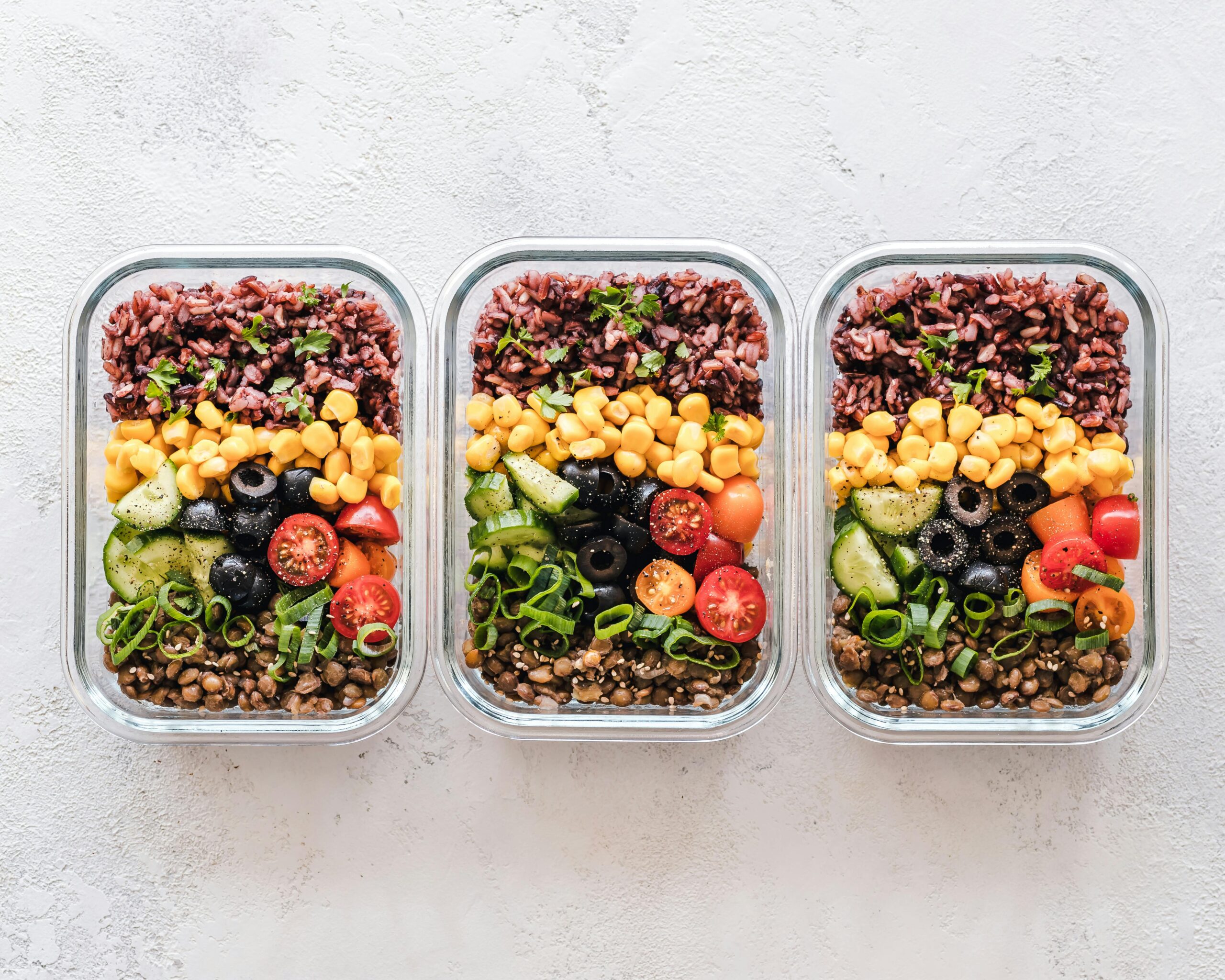
The core of your index should feature substantial meals that satisfy hunger and nutritional needs. Mason jar salads with strategic layering keep ingredients fresh and crisp for days. Grain bowls with variations on proteins (grilled chicken, baked tofu, seasoned ground turkey) and vegetable combinations offer infinite customization.
Sheet pan meals simplify both cooking and packing—roast a protein with vegetables, then divide into containers for ready-made complete meals. Slow cooker recipes like chicken burrito bowls, beef stew, or lentil curry yield multiple servings with minimal active cooking time. Pasta salads, quinoa dishes, and stir-fry combinations that taste excellent cold or reheated deserve prominent spots in your index.
Snacks and Sides That Travel Well
Don’t overlook the importance of healthy snacks and complementary sides in your meal prep arsenal. Hummus variations with pre-cut vegetables, homemade trail mix blends, protein balls, roasted chickpeas, and fruit with nut butter portions prevent hunger-driven poor choices between meals.
Side dishes like roasted sweet potato cubes, marinated vegetables, whole grain crackers with cheese portions, and fresh fruit salads in individual containers add variety and nutrition to your daily eating plan.
📱 Digital Tools to Complement Your Printable Index
While a printable index offers unmatched convenience, complementing it with digital tools creates a comprehensive meal prep system. Several meal planning and recipe apps can help you discover new recipes, track nutritional information, and generate shopping lists that sync with your printed index.
Recipe keeper apps allow you to photograph your favorite meals, note modifications that worked well, and build a digital backup of your printed collection. Some apps offer barcode scanning for quick nutritional data entry and can calculate serving sizes based on your specific needs.
🗂️ Designing Your Physical Index for Maximum Usability
The format and physical design of your printed meal prep index significantly impacts how often you’ll actually use it. A well-designed index becomes a kitchen tool you reach for constantly rather than something that collects dust in a drawer.
Format Options That Work
Consider creating your index as a laminated binder with categorized dividers, allowing you to add new recipes as you discover them. Alternatively, a spiral-bound format that lays flat on countertops makes following recipes easier during meal prep sessions. Single-sheet reference cards work well for minimal collections, especially when posted on refrigerators or inside cabinet doors.
Whatever format you choose, ensure it’s durable enough to withstand kitchen splashes, repeated handling, and being transported if you meal prep at different locations. Water-resistant materials or protective sleeves extend the lifespan of your index considerably.
Visual Elements That Enhance Navigation
Incorporate color-coding to differentiate categories at a glance—green for vegetarian meals, blue for quick prep recipes, red for high-protein options. Simple icons indicating freezer-friendly meals, gluten-free options, or kid-approved recipes speed up decision-making when you’re browsing possibilities.
Include photos where space allows, even simple smartphone snapshots of finished dishes. Visual references help you remember which meals you genuinely enjoyed and want to repeat versus recipes that sounded good but didn’t meet expectations.
⏰ Creating Your Meal Prep Routine Around Your Index
Having an organized recipe index is just the beginning—developing a consistent meal prep routine brings the real benefits. Your index serves as the foundation for a system that becomes second nature over time.
Weekly Planning Sessions
Dedicate 15-20 minutes weekly to reviewing your index and selecting recipes for the coming week. Consider your schedule—if you have evening commitments, prioritize recipes requiring minimal reheating. Plan for variety in proteins, vegetables, and flavors to prevent meal fatigue.
Generate your shopping list directly from the recipes you’ve selected, checking your pantry first to avoid duplicate purchases. Many people find Sunday afternoons or Wednesday evenings ideal for this planning session, but choose whatever timing consistently works with your schedule.
Batch Cooking Strategies
Maximize efficiency by grouping similar preparation tasks. Chop all vegetables at once, cook multiple proteins simultaneously using different methods (oven-roasted chicken, stovetop ground turkey, slow cooker beef), and prepare several grain bases (rice, quinoa, pasta) that pair with different toppings throughout the week.
Your index should note which recipes share common components, allowing you to leverage economies of scale. Cooking once and eating multiple times isn’t boring when you’re creatively remixing foundational ingredients into distinctly different meals.
🎒 Portable Storage Solutions for Meal Prep Success
Even the best recipes fall short if you lack proper containers for transport and storage. Your meal prep system requires investment in quality food storage that keeps meals fresh, prevents leaks, and simplifies packing.
Glass containers with airtight lids work beautifully for meals reheated in microwaves and can transition from refrigerator to oven when needed. BPA-free plastic options offer lightweight portability for those carrying meals in backpacks or briefcases. Compartmentalized containers keep components separate until you’re ready to eat—perfect for salads with dressing or meals where textures matter.
Insulated lunch bags with ice packs maintain food safety for hours without refrigeration access. Wide-mouth thermoses excel for soups, stews, and hot grain bowls. Mason jars aren’t just trendy—they’re genuinely functional for layered salads, overnight oats, and chia puddings.
💪 Overcoming Common Meal Prep Challenges
Even with an organized index and good intentions, obstacles arise. Anticipating common challenges and having solutions ready prevents temporary setbacks from derailing your healthy eating plans.
Preventing Flavor Fatigue
Eating the same meals repeatedly leads to boredom and abandoned meal prep plans. Combat this by rotating through your index systematically rather than defaulting to the same five recipes. Schedule one new recipe monthly to expand your repertoire. Use different seasonings and sauces to transform similar base ingredients into varied taste experiences.
Your index should include notes about successful variations—how adding curry powder changed a basic chicken recipe, or how substituting tahini dressing transformed a standard grain bowl. These annotations turn each recipe into multiple possibilities.
Managing Time Constraints
When life gets especially hectic, even dedicated meal preppers struggle to find cooking time. Your index should include a “quickest meals” section featuring recipes requiring 15 minutes or less of active preparation. Keep emergency backup recipes that use pantry staples, allowing you to prep something when fresh grocery shopping wasn’t possible.
Consider hybrid approaches during busy periods—prep components rather than complete meals. Cooked proteins, chopped vegetables, and prepared grains can be quickly assembled into different combinations throughout the week with minimal effort.
🌟 Maintaining and Evolving Your Recipe Index
Your meal prep index should be a living document that grows and adapts with your changing tastes, nutritional needs, and cooking skills. Schedule quarterly reviews to assess what’s working and what needs adjustment.
Remove recipes you consistently skip or didn’t enjoy. Add notes about seasonal variations—how a summer salad adapts for winter with roasted vegetables, or how to make a warm autumn bowl work for spring. Track recipes your family or coworkers request, noting crowd-pleasers worth repeating.
As you develop cooking confidence, upgrade simpler recipes with more sophisticated techniques or ingredient combinations. Your index becomes a personal record of your culinary journey, reflecting not just what you eat but how you’ve grown as a home cook.
🥘 Customizing Your Index for Specific Dietary Needs
Generic meal prep advice rarely addresses individual dietary requirements, but your personalized index should reflect your specific nutritional needs. Whether managing food allergies, following medical dietary recommendations, or pursuing specific health goals, customize your collection accordingly.
Create dedicated sections for allergen-free recipes if you cook for someone with food sensitivities. Include macro breakdowns if you’re tracking specific ratios for athletic training or medical reasons. Note ingredient substitutions that work—dairy-free alternatives, gluten-free grain swaps, or lower-sodium options that maintain flavor.
For families with varied dietary preferences, color-code recipes by who they suit. This prevents the frustration of planning meals only to realize they don’t work for everyone eating them. Your index becomes a bridge between personal needs and family harmony at mealtimes.
✨ The Long-Term Impact of Organized Meal Prep
The benefits of maintaining a portable meal prep recipe index extend far beyond simply having lunch ready. Over time, this system creates profound positive changes in multiple life areas.
Financial savings accumulate significantly—restaurant meals and takeout orders decrease dramatically when you have delicious, convenient alternatives ready. Health improvements manifest through consistent nutrition rather than erratic eating patterns dictated by convenience. Time previously spent deciding what to eat, shopping reactively, or waiting in restaurant lines returns to you for other priorities.
Stress reduction might be the most valuable benefit. Food decisions consume surprising mental energy throughout the day. When those decisions are already made and the food is already prepared, you reclaim cognitive resources for what truly matters. Your organized index eliminates daily “what’s for dinner?” debates and morning “I have nothing to eat” panic.
Environmental impact improves as well—less food waste from intentional ingredient usage, reduced packaging from restaurant orders, and fewer impulse purchases that spoil before being consumed. Your meal prep practice quietly contributes to sustainability without requiring dramatic lifestyle changes.
🚀 Getting Started Today
Creating your ultimate printable portable meal prep recipe index doesn’t require perfection from day one. Start with just five reliable recipes you already know and enjoy. Document them in whatever format feels manageable—even a simple notebook works initially.
Add one new recipe weekly, testing it before including it in your regular rotation. Within three months, you’ll have a substantial collection of proven meals. Within six months, your system will feel effortless, and within a year, you’ll wonder how you ever managed without this organizational tool.
The key is beginning today rather than waiting for the perfect moment or comprehensive plan. Print a simple template, write down your current favorite portable meal, and build from there. Each recipe you add is another tool in your healthy eating arsenal, another option preventing you from settling for less-than-ideal food choices when hunger and busy schedules collide.
Your journey toward organized, efficient, healthy eating starts with a single recipe and a commitment to building the system that supports your wellbeing. The ultimate portable meal prep recipe index isn’t just about food—it’s about taking control of your nutrition, honoring your health priorities, and creating the practical systems that make healthy living sustainable rather than exhausting. Start building your index today, and discover how transformative organized meal prep truly becomes. 🌱