In today’s fast-paced world, maintaining a high-protein diet while juggling work, fitness goals, and personal commitments can feel like an impossible task. The solution lies in strategic meal prep that travels with you.

Portable high-protein meals aren’t just convenient—they’re essential for anyone serious about their health and performance. Whether you’re rushing between meetings, hitting the gym during lunch breaks, or traveling frequently, having nutritious, protein-packed options at your fingertips keeps you energized and on track with your wellness goals without compromising on taste or quality.
🎯 Why High-Protein Portable Meals Matter for Your Success
Protein serves as the building block for muscle repair, hormone production, and sustained energy throughout your day. When you’re constantly on the move, skipping meals or grabbing convenient junk food becomes tempting, but these choices sabotage your health goals and leave you feeling sluggish.
Portable high-protein meal prep empowers you to take control of your nutrition regardless of your schedule. Research shows that consuming adequate protein throughout the day helps maintain stable blood sugar levels, reduces cravings, and supports metabolic health. For busy professionals, athletes, and anyone with demanding schedules, this approach transforms how you fuel your body.
The key advantage of preparing your own high-protein meals is customization. You control the ingredients, portions, and nutritional content, ensuring each meal aligns perfectly with your dietary needs and fitness objectives. Plus, meal prepping saves substantial money compared to constantly purchasing restaurant meals or protein bars.
🍗 Essential High-Protein Ingredients for Portable Meal Prep
Building a repertoire of versatile, protein-rich ingredients forms the foundation of successful meal prep. These powerhouse foods provide the nutritional punch you need while remaining shelf-stable or easily transportable.
Lean Protein Sources That Travel Well
Grilled chicken breast remains the gold standard for portable protein, offering approximately 31 grams of protein per 100 grams. It’s neutral flavor profile makes it incredibly versatile for various cuisines and flavor combinations. Turkey breast provides similar benefits with slightly lower fat content.
Hard-boiled eggs are portable protein champions, delivering 6 grams of protein each along with essential vitamins and healthy fats. They require no reheating and can be seasoned countless ways to prevent flavor fatigue. Canned tuna and salmon offer convenient options with impressive protein density—around 20-25 grams per can—plus beneficial omega-3 fatty acids.
Greek yogurt packs nearly double the protein of regular yogurt, with most varieties containing 15-20 grams per cup. Cottage cheese provides similar benefits and pairs wonderfully with both sweet and savory ingredients. These dairy options stay fresh in insulated lunch bags with ice packs for several hours.
Plant-Based Protein Powerhouses
Chickpeas, black beans, and lentils deliver substantial protein along with fiber that keeps you satisfied longer. A single cup of cooked chickpeas provides about 15 grams of protein and can be transformed into hummus, roasted snacks, or hearty salads.
Edamame offers a complete protein source with all essential amino acids, containing 17 grams per cup. These young soybeans taste delicious hot or cold and require minimal preparation. Quinoa stands out among grains with 8 grams of protein per cooked cup plus a complete amino acid profile.
Nuts, seeds, and nut butters concentrate protein and healthy fats into portable packages. Almonds deliver 6 grams of protein per ounce, while pumpkin seeds provide 9 grams. Individual nut butter packets have become meal prep staples for adding protein to snacks and meals on the go.
📦 Smart Container Strategies for Protein-Packed Portability
The right containers transform meal prep from frustrating to foolproof. Investing in quality storage solutions protects your carefully prepared meals and makes transportation effortless.
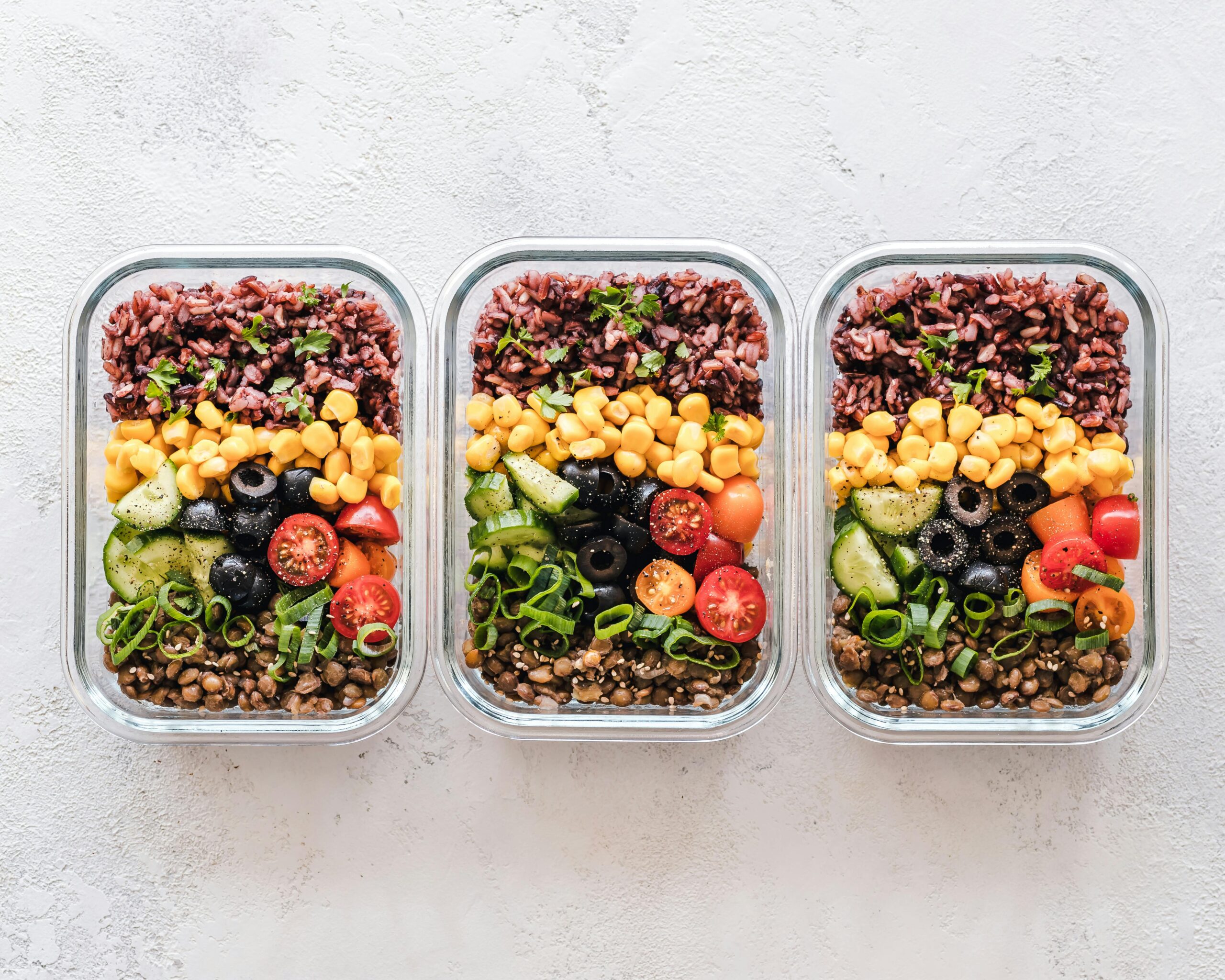
Glass containers with airtight lids maintain food freshness better than plastic alternatives and won’t absorb odors or stains. While heavier, they’re ideal for meals you’ll heat in microwaves. Look for compartmentalized options that keep different components separate until you’re ready to eat.
BPA-free plastic containers offer lightweight portability perfect for gym bags and briefcases. Choose thick-walled varieties that resist warping and cracking. Mason jars have become surprisingly versatile for layered salads, overnight oats, and protein-packed parfaits—just shake and eat.
Insulated lunch bags with ice packs maintain safe food temperatures for 4-6 hours, essential for protein-rich foods that require refrigeration. Some advanced models feature separate compartments for cold and room-temperature items, maximizing your meal prep options.
🥗 Game-Changing Portable High-Protein Meal Ideas
These practical meal concepts combine convenience with serious nutritional power, ensuring you never compromise on protein intake regardless of your location.
Protein-Packed Mason Jar Salads
Layer ingredients strategically with dressing on the bottom, followed by hearty vegetables, grains, proteins, and delicate greens on top. This method keeps everything fresh and crisp for days. Try a Mediterranean version with balsamic vinaigrette, chickpeas, cucumber, tomatoes, quinoa, feta cheese, and mixed greens—totaling approximately 25 grams of protein.
An Asian-inspired variation combines sesame ginger dressing, edamame, shredded carrots, red cabbage, grilled chicken, and spinach for a satisfying 35-gram protein punch. The key is keeping wet ingredients away from greens until consumption time.
Protein Bento Box Combinations
Compartmentalized containers let you create balanced, portion-controlled meals with variety. Fill sections with complementary high-protein foods that don’t require reheating.
One winning combination includes: sliced turkey roll-ups with cheese, hummus with vegetable sticks, hard-boiled eggs, mixed nuts, and fresh berries. This balanced approach delivers approximately 40 grams of protein while keeping your taste buds engaged.
Another option features: Greek yogurt with granola, string cheese, roasted chickpeas, sliced chicken breast, and dark chocolate squares for a treat. Mix protein sources throughout the day to ensure complete amino acid intake.
Wrap and Roll Solutions
High-protein wraps offer maximum portability and endless customization. Use whole wheat tortillas, low-carb wraps, or large collard green leaves as vessels for protein-rich fillings.
A Southwest chicken wrap combines seasoned grilled chicken, black beans, Greek yogurt, salsa, cheese, and vegetables for approximately 45 grams of protein. Wrap tightly in parchment paper or foil to prevent spillage.
Tuna salad wraps made with Greek yogurt instead of mayonnaise boost protein content while reducing calories. Add crunchy vegetables, avocado, and whole grain mustard for a satisfying meal that travels beautifully.
Cold Protein Bowl Concepts
Bowl meals dominate Instagram for good reason—they’re visually appealing, nutritionally balanced, and highly customizable. Prepare components separately and assemble before eating.
A Mediterranean protein bowl features quinoa, grilled chicken or chickpeas, cucumber, tomatoes, olives, feta, and tzatziki sauce made with Greek yogurt. This combination provides 35-40 grams of protein with heart-healthy fats.
Asian-style sushi bowls eliminate the need for rolling skills. Combine brown rice or cauliflower rice with canned salmon or cooked shrimp, edamame, cucumber, avocado, seaweed strips, and sesame seeds with soy-ginger dressing. Quick to assemble and packed with approximately 30 grams of protein.
Overnight Protein Oats Variations
Prepare these in mason jars for grab-and-go breakfast perfection. The base formula combines rolled oats, protein powder, Greek yogurt, milk or milk alternative, and flavoring agents. Refrigerate overnight for ready-to-eat morning fuel.
Chocolate peanut butter version: Mix oats with chocolate protein powder, Greek yogurt, almond milk, natural peanut butter, and cocoa powder. Top with banana slices before eating for 30+ grams of protein.
Berry vanilla option: Combine vanilla protein powder, Greek yogurt, oats, almond milk, chia seeds, and mixed berries for an antioxidant-rich breakfast with approximately 28 grams of protein.
🔥 Batch Cooking Strategies for Maximum Efficiency
Dedicating a few focused hours weekly to meal prep multiplies your productivity throughout busy weekdays. Strategic batch cooking ensures you always have protein-rich options available.
Designate Sunday or your least busy day as prep day. Start by cooking large batches of versatile proteins—bake several pounds of chicken breast, hard-boil a dozen eggs, cook a big pot of quinoa, and prepare beans or lentils. These neutral-flavored bases can be seasoned differently throughout the week to prevent monotony.
Use your oven strategically by cooking multiple items simultaneously. While chicken bakes on one rack, roast chickpeas and vegetables on another. This time-stacking approach maximizes efficiency.
Invest in a quality slow cooker or Instant Pot for hands-off protein preparation. Set up shredded chicken, beef, or bean dishes before work and return to perfectly cooked meal components. These appliances also tenderize tougher, more economical cuts of meat beautifully.
Portion proteins immediately after cooking while still warm. Divide into individual serving sizes in your containers, ensuring each meal contains adequate protein for your needs—typically 25-40 grams depending on your goals and body size.
🧊 Temperature Safety and Food Preservation Tips
Maintaining food safety with portable high-protein meals requires understanding proper storage temperatures and timing. Protein-rich foods create favorable conditions for bacterial growth when mishandled.
The danger zone for food sits between 40°F and 140°F (4°C to 60°C), where bacteria multiply rapidly. Keep cold foods below 40°F and hot foods above 140°F. If your meal will be unrefrigerated for more than two hours, use insulated containers with sufficient ice packs.
Freeze some meal prep containers for easy future access. Most cooked proteins freeze excellently for 2-3 months. Transfer frozen meals to your refrigerator the night before consumption for safe, gradual thawing. This strategy works particularly well for batch-cooked grains, beans, and cooked meats.
Date all containers clearly to track freshness. Most prepared high-protein meals stay fresh refrigerated for 3-4 days. When in doubt about safety, discard questionable items—the risk isn’t worth potential foodborne illness.
💪 Matching Protein Needs to Your Activity Level
Not everyone requires identical protein intake. Tailor your portable meal prep to your specific needs based on activity level, fitness goals, and body composition objectives.
Sedentary adults generally need approximately 0.8 grams of protein per kilogram of body weight daily. For a 70kg (154lb) person, this equals about 56 grams daily. Moderately active individuals benefit from increasing this to 1.0-1.2 grams per kilogram.
Athletes, bodybuilders, and those engaged in intense training programs should target 1.6-2.2 grams per kilogram of body weight. A 70kg athlete might need 112-154 grams of protein daily, spread across 4-6 meals and snacks for optimal absorption.
People following weight loss plans benefit from higher protein intake—around 1.2-1.6 grams per kilogram—as protein promotes satiety and helps preserve lean muscle mass during caloric restriction. Distribute protein evenly throughout your day rather than concentrating it in one or two meals.
🌟 Flavor Strategies to Prevent Meal Prep Burnout
The biggest meal prep challenge isn’t preparation—it’s maintaining enthusiasm when eating similar foods repeatedly. Strategic flavoring transforms basic proteins into exciting meals.
Prepare one large batch of neutral protein, then divide it into portions and season differently. Grilled chicken becomes four distinct meals: Italian with herbs and tomatoes, Mexican with cumin and lime, Asian with ginger and soy sauce, and Greek with lemon and oregano.
Build a collection of versatile sauces and dressings that add minimal calories but maximum flavor. Keep tahini, hot sauce, mustards, vinegars, and spice blends in your pantry. Small containers of these accompaniments travel easily and transform plain proteins instantly.
Texture variation prevents boredom as effectively as flavor changes. Combine creamy elements like hummus or Greek yogurt with crunchy vegetables, nuts, or roasted chickpeas. Temperature contrasts—like cold protein over warm grains—also create interest.
📱 Tracking Your Protein Intake for Optimal Results
Monitoring protein consumption ensures you meet your nutritional goals consistently. Several excellent smartphone applications simplify this process with extensive food databases and barcode scanning features.
MyFitnessPal remains the most popular nutrition tracking app with millions of foods in its database, making logging quick and accurate. The app calculates macronutrient ratios and helps identify whether you’re meeting protein targets throughout the day.
Consistent tracking reveals patterns in your eating habits and helps refine your meal prep strategy. You might discover you’re front-loading protein at breakfast and lunch but falling short at dinner, or that certain portable meals leave you hungry sooner than others.
Use tracking data to optimize your recipes and portions. If a particular meal prep combination consistently exceeds your protein needs while another falls short, adjust your preparation ratios accordingly for better balance.
💰 Budget-Friendly High-Protein Meal Prep Tactics
Eating high-protein doesn’t require expensive supplements or premium ingredients. Smart shopping and preparation strategies make quality protein accessible on any budget.
Purchase proteins on sale and freeze immediately for future use. Chicken thighs cost significantly less than breasts while providing similar protein content with more flavor. Canned fish, especially during sales, delivers exceptional protein value—often under $1 per serving.
Eggs remain one of the most economical complete proteins available. Even cage-free or organic varieties cost less per gram of protein than most alternatives. Hard-boil a batch weekly for instant portable protein.
Plant-based proteins offer remarkable value. Dried beans and lentils cost pennies per serving yet provide substantial protein along with fiber and nutrients. A single bag yields multiple meals when batch-cooked. Greek yogurt purchased in large containers rather than individual servings cuts costs dramatically while reducing packaging waste.
Meal prepping inherently saves money by reducing impulse food purchases, restaurant meals, and food waste. When you’ve invested time preparing nutritious portable meals, you’re far less likely to spend money on convenience foods that undermine your health goals.

🚀 Taking Your Portable Protein Game to the Next Level
Once you’ve mastered basic portable high-protein meal prep, advanced strategies can further optimize your nutrition and convenience. Experiment with these techniques as you build confidence and efficiency.
Create personalized protein snack packs for between-meal energy. Combine complementary protein sources like nuts with dried edamame, or jerky with cheese cubes. These emergency protein stashes prevent desperate vending machine visits.
Develop theme weeks to simplify grocery shopping and preparation. Mediterranean week features chicken, chickpeas, Greek yogurt, and fish. Asian week centers on edamame, tofu, eggs, and salmon. This approach streamlines shopping lists while providing built-in variety.
Master the art of repurposing leftovers creatively. Dinner’s grilled chicken becomes tomorrow’s wrap filling or salad topping. Roasted vegetables complement different protein sources throughout the week. This flexibility reduces preparation time while maximizing ingredient use.
Build a community around meal prep for motivation and idea exchange. Share photos of your portable protein creations on social media, join meal prep groups, or coordinate with friends for ingredient-sharing and bulk purchasing opportunities.
Your busy lifestyle no longer needs to compromise your nutrition goals. With strategic portable high-protein meal prep, you’re equipped to fuel your body properly anywhere your day takes you. Start with simple recipes and basic containers, then expand your repertoire as meal prepping becomes second nature. The investment of a few hours weekly pays dividends in sustained energy, better health outcomes, and the confidence that comes from taking control of your nutrition—no matter how demanding your schedule becomes.