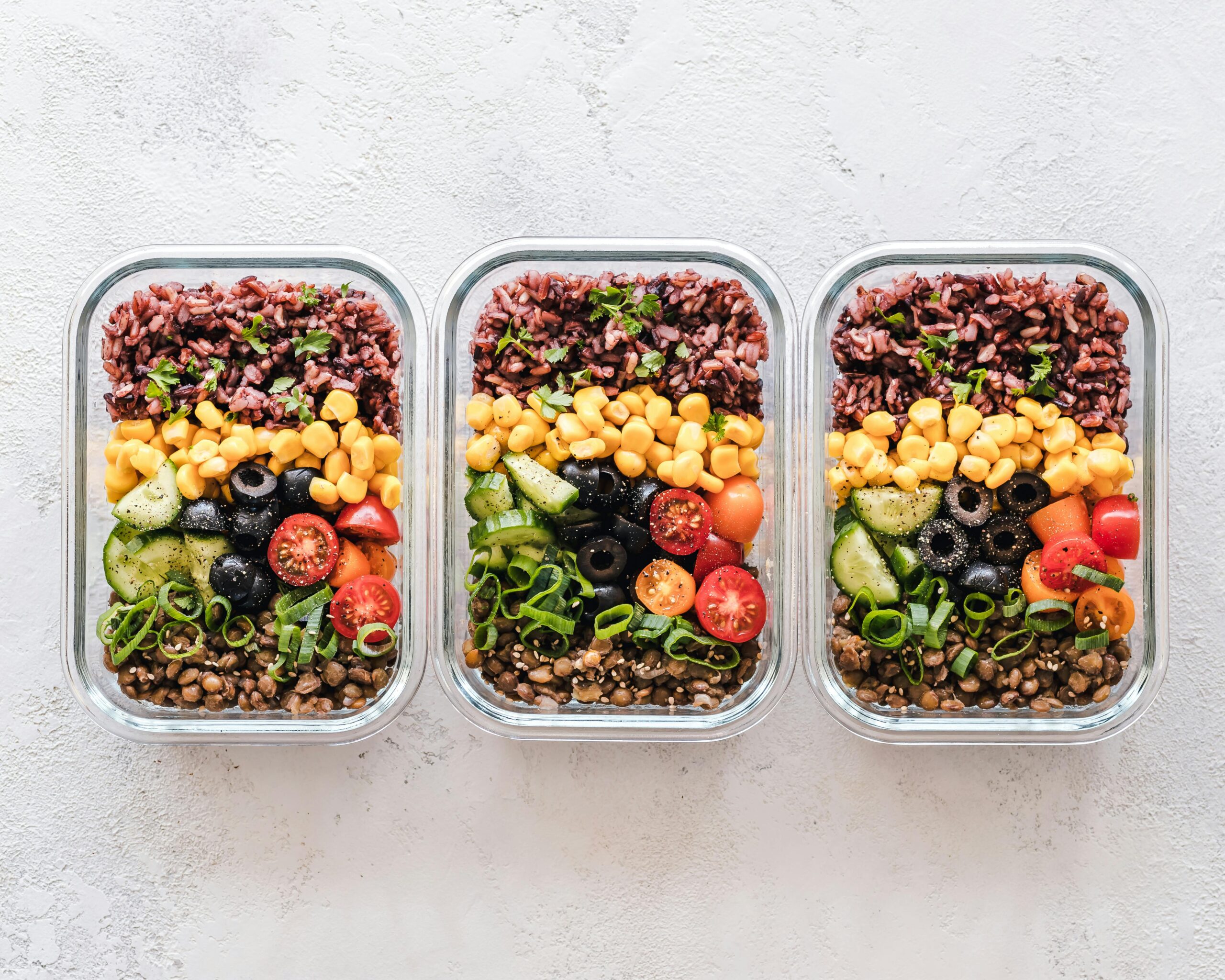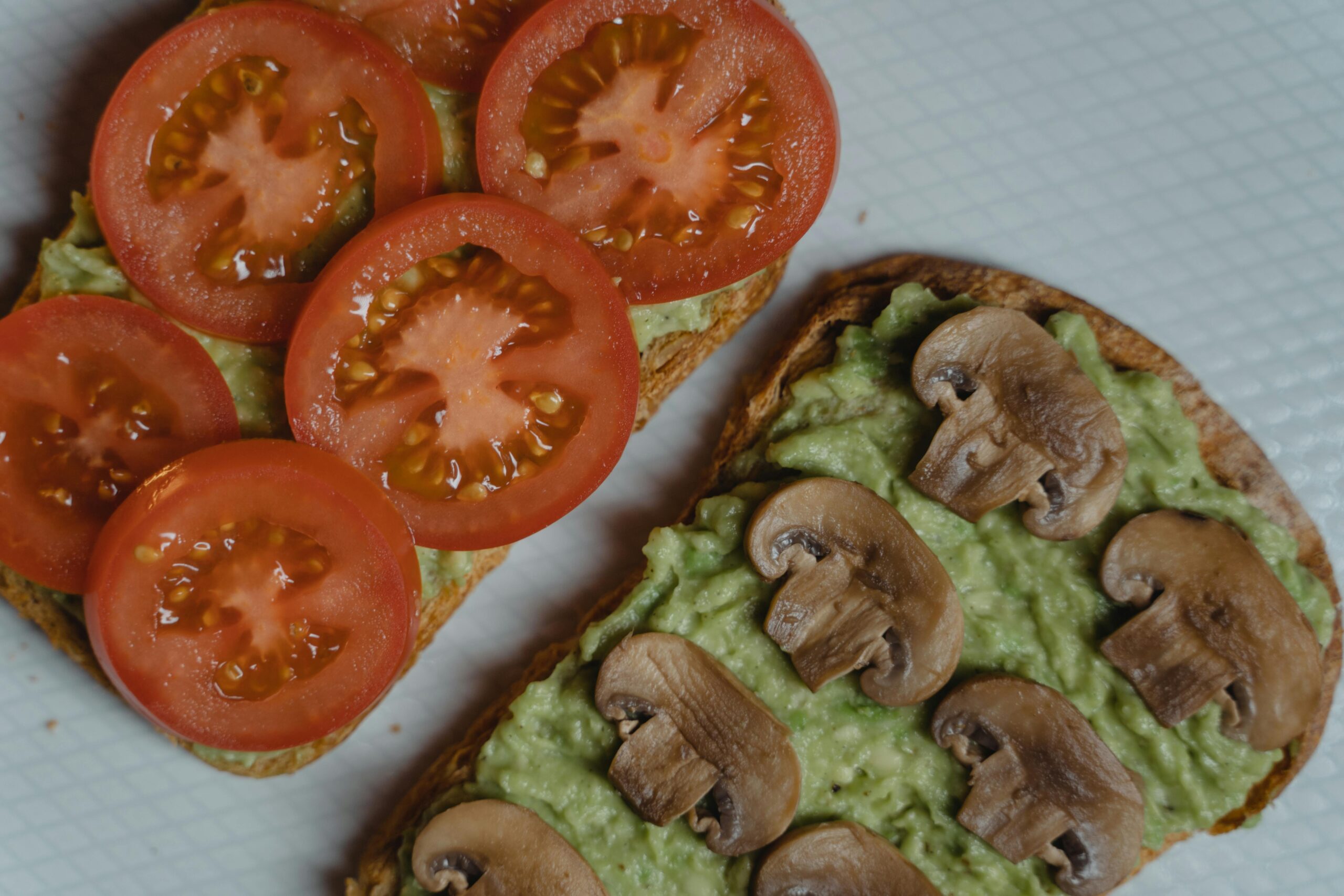
Tired of the same boring lunch routine? Bento-style meal prep transforms your midday meals into colorful, balanced adventures that taste as good as they look.

The Japanese art of bento has revolutionized how people around the world approach packed lunches. These compartmentalized meals aren’t just visually stunning—they’re practical, nutritious, and incredibly versatile. Whether you’re packing lunch for work, school, or weekend outings, mastering bento-style meal prep will elevate your entire eating experience while keeping your nutrition goals on track.
🍱 Why Bento-Style Meal Prep is Taking Over Lunchboxes Everywhere
Bento boxes have become a global phenomenon, and for good reason. This traditional Japanese lunch-packing method emphasizes variety, portion control, and visual appeal all in one compact container. Unlike throwing together random leftovers, bento meal prep follows thoughtful principles that make every lunch feel special.
The beauty of bento lies in its structure. Traditional bento follows a ratio guideline: roughly 3 parts carbohydrates, 2 parts protein, and 1 part vegetables and fruits. This natural balance ensures you’re getting sustained energy without feeling sluggish after lunch. The compartmentalized design prevents flavors from mixing prematurely while keeping everything fresh until you’re ready to eat.
Beyond nutrition, bento-style meals address one of modern life’s biggest challenges: decision fatigue. When you prep multiple components at once, you eliminate that daily “what should I eat?” dilemma. You’ve already made the smart choice, and now you get to enjoy the delicious results.
Essential Tools for Your Bento Meal Prep Journey
Before diving into recipes, let’s talk about the containers that make bento magic happen. Investing in quality bento boxes will transform your meal prep game completely.
Choosing the Right Bento Container
Traditional bento boxes come in various styles, from single-tier to stackable multi-level designs. Look for containers with secure lids and separate compartments to keep foods distinct. Leakproof options are essential if you’re including saucy dishes or dressings. Materials matter too—stainless steel offers durability and sustainability, while BPA-free plastic provides lightweight convenience.
Consider your typical portion sizes when selecting containers. Standard bento boxes range from 500ml to 1200ml capacity. Smaller boxes work perfectly for lighter eaters or children, while larger capacities suit those with heartier appetites or active lifestyles.
Additional Meal Prep Essentials
Beyond the bento box itself, a few key tools will streamline your preparation process. Silicone muffin cups create flexible dividers for different foods. Small sauce containers prevent dressings from making everything soggy. Cookie cutters transform ordinary ingredients into fun shapes that make lunch more enjoyable, especially for kids.
Reusable food picks and decorative dividers aren’t just cute—they serve practical purposes by making it easier to grab individual items and keeping components separated. A good set of meal prep containers for batch cooking ingredients ahead of time will save you countless hours throughout the week.
🌈 Building a Balanced Bento: The Foundation Formula
Creating irresistible bento boxes starts with understanding the fundamental components. Think of your bento as a delicious puzzle where each piece contributes to both nutrition and enjoyment.
The Protein Power Center
Protein serves as your bento’s anchor, providing satiety and sustained energy. The options are virtually endless: grilled chicken teriyaki, sesame-crusted salmon, marinated tofu, hard-boiled eggs with everything bagel seasoning, or spicy chickpea patties. Prepare proteins in batches during your weekly meal prep session, and you’ll always have delicious options ready to assemble.
Consider different cooking methods to keep things interesting. Grilled proteins offer smoky flavor, baked options provide convenience, and pan-seared varieties deliver appealing texture. Marinating proteins overnight infuses deep flavor that makes your bento restaurant-quality.
Complex Carbohydrates for Energy
The carbohydrate component fuels your afternoon productivity. White or brown rice remains the classic choice, but don’t limit yourself. Quinoa, rice noodles, whole grain pasta, sweet potato cubes, or even seasoned couscous add variety to your rotation.
Season your starches thoughtfully. Plain rice becomes extraordinary with a sprinkle of furikake seasoning, a drizzle of sesame oil, or mixed herbs. Preparing a large batch of seasoned grains at the beginning of the week means you can mix and match throughout the days ahead.
Vegetable Variety Brings Color and Nutrition
Vegetables inject life, color, and essential nutrients into your bento. Aim for rainbow variety—the more colors present, the broader spectrum of vitamins and antioxidants you’re consuming. Raw vegetables like cherry tomatoes, cucumber slices, and bell pepper strips provide satisfying crunch. Steamed broccoli, roasted Brussels sprouts, or sautéed bok choy add warm, comforting elements.
Don’t forget pickled vegetables! Quick-pickled carrots, radishes, or cucumbers add tangy brightness that cuts through richer flavors. These can be prepared days in advance and actually improve with time in the refrigerator.
Irresistible Bento Theme Ideas to Keep Lunch Exciting
Theming your bento boxes throughout the week prevents monotony and makes meal prep more creative and enjoyable.
🌮 Taco Tuesday Bento
Who says tacos can’t be bento-friendly? Pack seasoned ground turkey or black beans in one compartment, Spanish rice in another, and include separate sections for shredded lettuce, diced tomatoes, cheese, and guacamole. Add whole grain tortillas on the side, and you’ve got an interactive, build-your-own taco experience at lunchtime.
🍜 Asian-Inspired Noodle Bowl Bento
Cold noodle salads make phenomenal bento components. Prepare soba noodles or rice vermicelli, then pack them alongside edamame, shredded carrots, cucumber ribbons, and grilled shrimp or chicken. Include a small container of peanut sauce or sesame-ginger dressing. This combination delivers refreshing flavors perfect for warm days.
🥗 Mediterranean Mezze Bento
Transport yourself to the Mediterranean coast with hummus, falafel balls, tabbouleh, cucumber and tomato salad, kalamata olives, and whole wheat pita triangles. This plant-forward option bursts with flavor and provides excellent nutrition without feeling heavy.
🍕 Deconstructed Pizza Bento
Satisfy pizza cravings in a healthier format. Pack mini whole wheat pizza crusts or flatbreads, marinara sauce in a small container, mozzarella cheese, pepperoni slices, and vegetable toppings like mushrooms and bell peppers. Assemble and enjoy cold, or if you have access to a microwave, warm it up for melty cheese goodness.
🥙 Greek-Inspired Protein Bowl
Combine lemon-herb grilled chicken, quinoa tabbouleh, marinated artichoke hearts, cherry tomatoes, cucumber slices, feta cheese, and tzatziki sauce. This Mediterranean-inspired combination provides complete nutrition with bold, fresh flavors that transport you straight to a sunny Greek island.
Smart Meal Prep Strategies for Bento Success
The secret to sustainable bento meal prep isn’t spending all Sunday in the kitchen—it’s working smarter with strategic preparation techniques.
The Power of Component Cooking
Rather than preparing complete meals, cook individual components that can be mixed and matched throughout the week. Grill several different proteins on Sunday, prepare three types of grains, chop vegetables for various uses, and make two or three different sauces or dressings.
This modular approach provides flexibility. You might combine teriyaki chicken with rice and steamed broccoli on Monday, then use the same chicken with quinoa and roasted vegetables on Wednesday. Same component, completely different meal experience.
Utilize Strategic Batch Cooking
Identify recipes that scale easily and freeze well. Meatballs, protein patties, grain salads, and roasted vegetables all maintain quality throughout the week. Dedicate two hours on your chosen prep day, and you’ll have components ready for 4-5 days of varied, delicious bentos.
Label everything with preparation dates. Even refrigerated foods have optimal freshness windows, and staying organized prevents waste while ensuring you’re eating ingredients at their peak quality.
Fresh Elements Make All the Difference
While most bento components can be prepped in advance, certain items taste best when added fresh. Leafy greens, avocado, and delicate herbs should be incorporated the morning you pack your bento. This small extra step takes just minutes but dramatically elevates the eating experience.
🎨 Making Your Bento Instagram-Worthy (and Why It Matters)
Visual appeal isn’t just vanity—it genuinely impacts how much we enjoy our food. Studies show that we eat first with our eyes, and beautifully arranged meals increase satisfaction and mindfulness while eating.
Color Coordination Techniques
Aim for at least three different colors in every bento. The natural pigments in colorful vegetables signal different nutrient profiles, so eating the rainbow isn’t just pretty—it’s nutritionally strategic. Red tomatoes, orange carrots, yellow bell peppers, green edamame, and purple cabbage create stunning visual contrast.
Thoughtful Arrangement Matters
Don’t just throw components into compartments randomly. Place larger items first, then fill gaps with smaller elements. Use height variation to create visual interest—stack items strategically or prop components against each other. Garnish with sesame seeds, fresh herbs, or a sprinkle of everything bagel seasoning for that finishing touch.
Fun Additions for Kids (and Kids at Heart)
Cookie cutters transform ordinary sandwiches, cheese slices, and even watermelon into delightful shapes. Food picks topped with cute designs make grabbing individual items more enjoyable. These playful elements take seconds to add but significantly increase meal satisfaction, especially for reluctant eaters.
Keeping Your Bento Fresh and Food-Safe
Beautiful, delicious bentos mean nothing if food safety isn’t prioritized. Follow these guidelines to ensure your meals stay fresh and safe until lunchtime.
Temperature Control is Critical
Perishable foods shouldn’t remain in the temperature danger zone (40°F-140°F) for more than two hours. If you don’t have access to refrigeration, invest in an insulated lunch bag with ice packs. Some bento enthusiasts use frozen water bottles that double as ice packs and provide cold drinking water by lunchtime.
Pack hot and cold items separately if possible. Some bento boxes feature insulated compartments designed specifically for temperature-sensitive foods. If you’re including items meant to be eaten warm, invest in a thermal food jar that maintains heat for several hours.
Smart Packing Order
Pack your bento the night before or first thing in the morning with properly chilled ingredients. If assembling the night before, ensure everything has cooled completely before sealing the container—trapped heat creates condensation that makes food soggy and accelerates spoilage.
Sauce and Dressing Strategy
Pack wet ingredients like dressings, sauces, and dips in separate small containers. This prevents everything from becoming soggy while keeping flavors distinct until you’re ready to combine them. Small silicone containers or repurposed baby food jars work perfectly for this purpose.
Budget-Friendly Bento Meal Prep Tips 💰
Creating gorgeous, nutritious bento boxes doesn’t require expensive ingredients or specialty stores. Strategic shopping and smart preparation keep costs manageable while maintaining quality.
Shop Seasonally and Locally
Seasonal produce offers peak flavor at lowest prices. Summer brings abundant berries and tomatoes, fall delivers squash and apples, winter features hearty greens and citrus, and spring bursts with asparagus and peas. Build your bento themes around what’s currently affordable and delicious.
Embrace Plant-Based Proteins
Beans, lentils, chickpeas, and tofu provide excellent protein at a fraction of meat costs. These versatile ingredients absorb flavors beautifully and work across countless cuisine styles. A can of chickpeas transforms into crispy roasted snacks, creamy hummus, or hearty curry—all budget-friendly options.
Reduce Food Waste Strategically
Bento meal prep naturally reduces waste by utilizing leftovers creatively. That rotisserie chicken becomes three different bento proteins with different seasonings. Vegetable scraps turn into flavorful broth for cooking grains. Overripe fruit transforms into compote or smoothie cubes.
Adapting Bento for Special Dietary Needs
The flexible nature of bento-style meal prep makes it perfect for accommodating various dietary requirements without feeling restrictive.
Plant-Based Bento Excellence
Vegan bentos shine with creative protein sources: marinated tempeh, seasoned tofu, edamame, chickpea salad, or quinoa-black bean patties. Focus on variety and complementary proteins to ensure complete amino acid profiles. Nutritional yeast, tahini, and nut-based sauces add richness without animal products.
Gluten-Free Bento Options
Replace wheat-based components with naturally gluten-free alternatives: rice, quinoa, corn tortillas, rice noodles, or sweet potato. Many Asian sauces contain hidden gluten, so read labels carefully or make your own using tamari instead of soy sauce.
Low-Carb and Keto-Friendly Approaches
Increase the protein and healthy fat portions while reducing or eliminating grain components. Cauliflower rice, zucchini noodles, and additional non-starchy vegetables fill space beautifully. Include avocado, nuts, cheese, and fatty fish to meet macronutrient targets while maintaining the bento structure and visual appeal.
Your Bento Meal Prep Action Plan 📋
Ready to transform your lunchtime routine? Start with this simple week-one plan that sets you up for bento success without overwhelming your schedule.
Sunday Prep Session (90 minutes): Prepare three proteins (grilled chicken, hard-boiled eggs, marinated tofu), cook two grain bases (brown rice, quinoa), chop raw vegetables (carrots, cucumbers, bell peppers), and roast a sheet pan of mixed vegetables. Make two sauces (peanut dressing, lemon-herb vinaigrette).
Monday through Friday mornings (5-10 minutes): Assemble your bento by combining different prepared components each day. Add fresh elements like leafy greens or avocado. Pack sauces separately. Grab an ice pack and go.
This straightforward system builds confidence and competence. As you become comfortable with basic preparation, experiment with new flavors, ingredients, and presentation styles. The possibilities truly are endless.
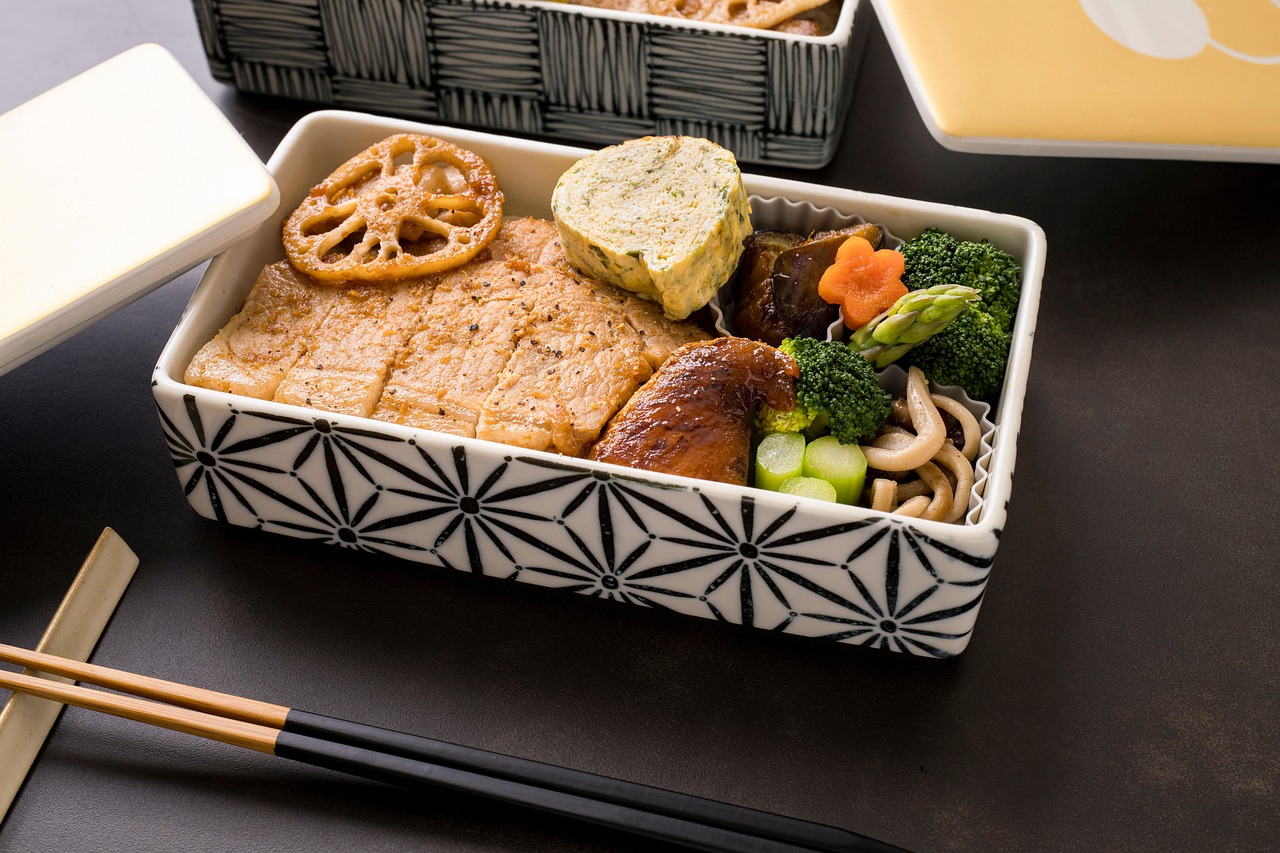
Embrace the Bento Lifestyle for Lunchtime Joy
Bento-style meal prep represents more than just efficient lunch packing—it’s a mindful approach to eating that honors nutrition, pleasure, and creativity in equal measure. Each compartment tells part of your meal’s story, combining colors, textures, and flavors into a complete, satisfying experience.
The Japanese concept of “omotenashi,” or wholehearted hospitality, extends even to meals you prepare for yourself. When you craft a beautiful bento, you’re showing care and respect for your own nourishment. This small daily practice of self-care ripples outward, influencing how you approach other aspects of wellness and productivity.
Start simple, experiment fearlessly, and remember that even imperfect bentos are infinitely better than another disappointing takeout meal or sad desk lunch. Your midday meal deserves to be a highlight of your day—colorful, delicious, and uniquely yours. With these strategies, tools, and inspiration, you’re fully equipped to boost your lunchtime game and discover just how enjoyable packed lunches can truly be! 🍱✨