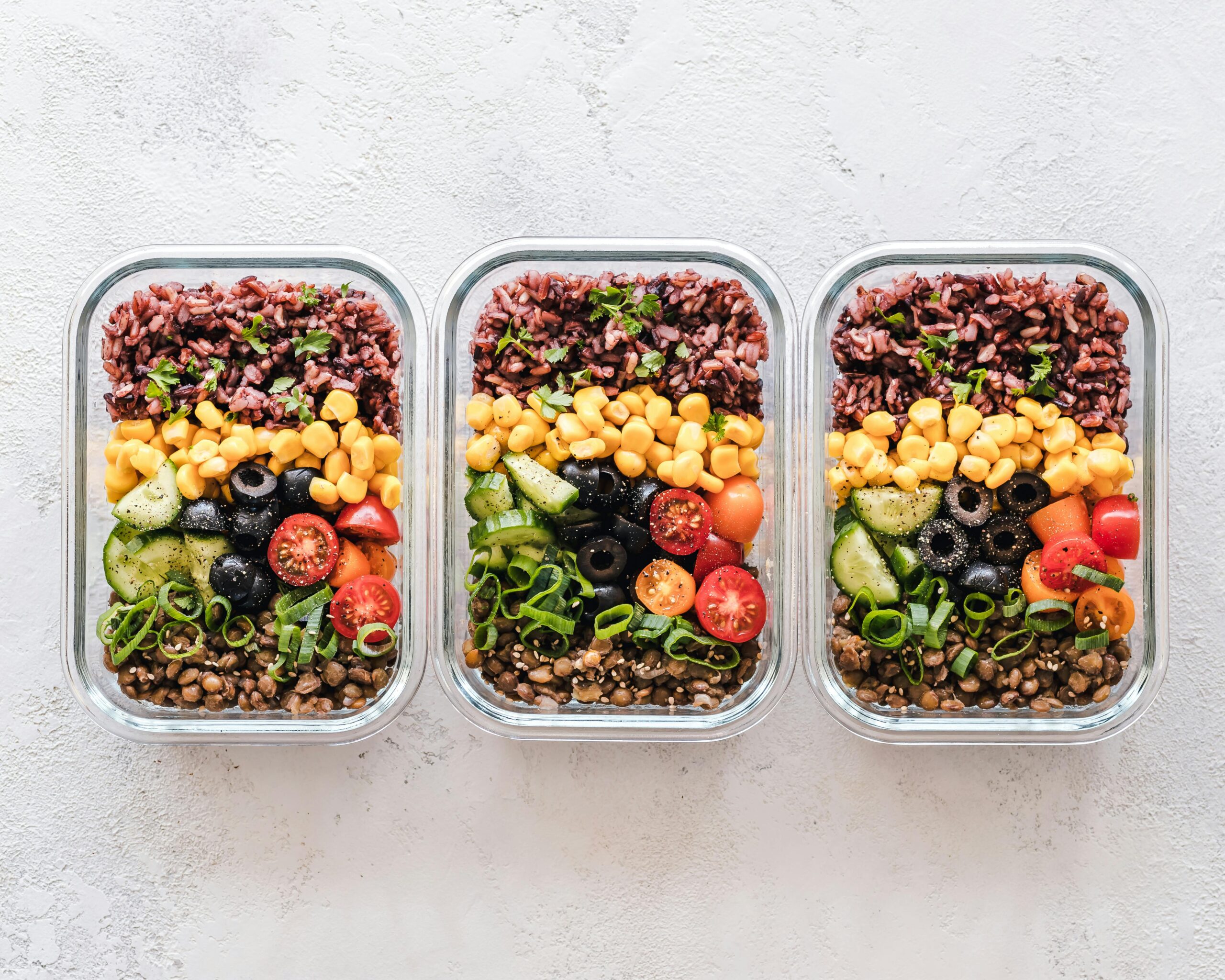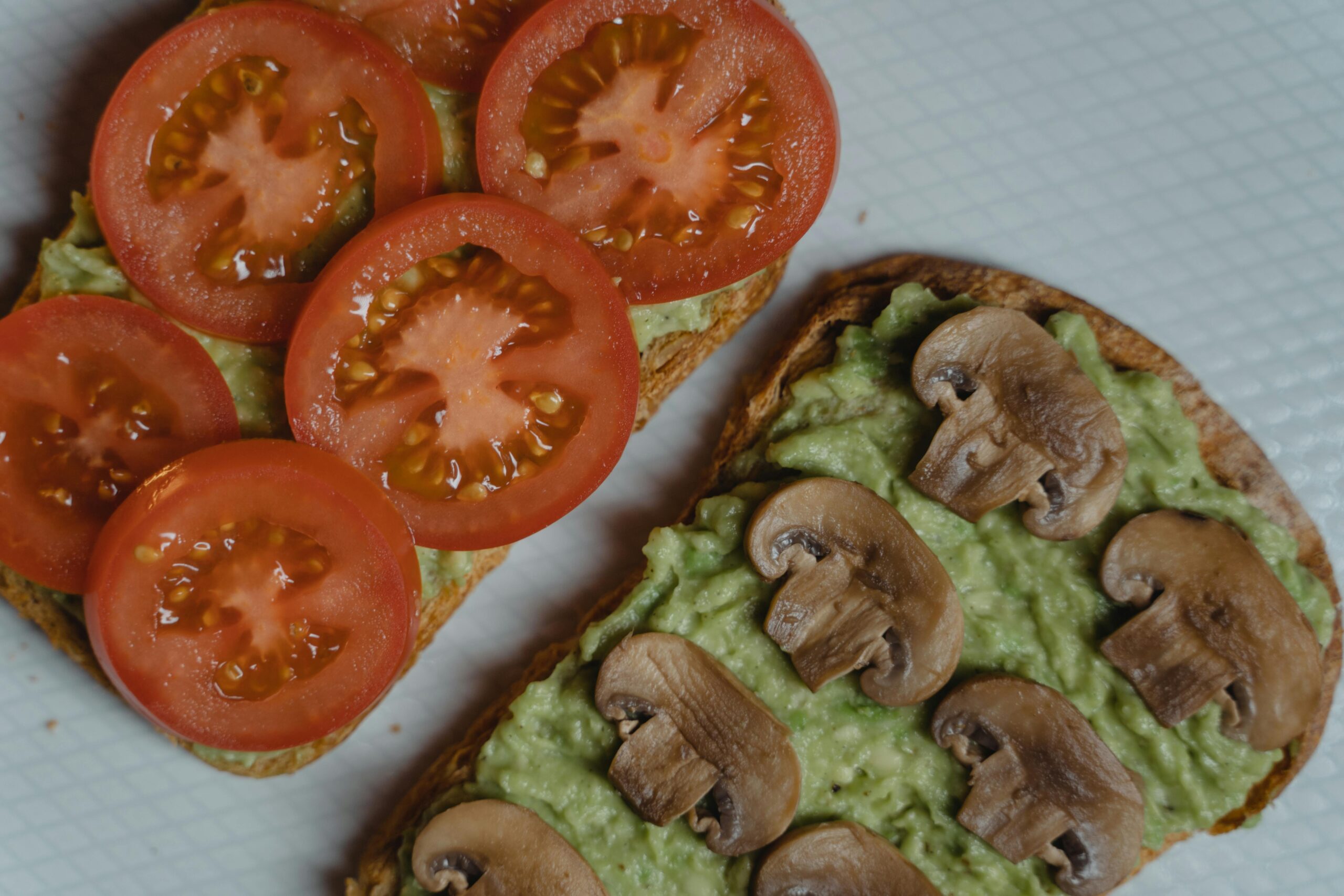
In today’s fast-paced world, maintaining a healthy diet while juggling work, family, and social commitments can feel like an impossible task. Salad jars have revolutionized meal prep, offering a convenient, nutritious, and visually appealing solution for health-conscious individuals.

These portable powerhouses of nutrition combine convenience with creativity, allowing you to prepare several days’ worth of meals in advance. The layering technique keeps ingredients fresh and crisp, while the transparent glass showcases colorful vegetables, proteins, and grains that make healthy eating exciting and Instagram-worthy.
🥗 Why Salad Jars Are Game-Changers for Busy Lifestyles
Salad jars have become the ultimate meal prep solution for modern professionals, students, and anyone seeking healthier eating habits. Unlike traditional lunch containers, mason jar salads prevent sogginess by strategically layering ingredients, with dressing at the bottom and delicate greens at the top.
The portion control aspect of jar salads naturally helps with weight management and nutritional balance. A standard quart-sized mason jar holds approximately 32 ounces, providing the perfect serving size for a complete meal. The clear glass allows you to see exactly what you’re consuming, promoting mindful eating habits.
Beyond practicality, these meals eliminate decision fatigue during busy workdays. When you open your refrigerator and see five beautifully layered salad jars waiting, you’re far less likely to reach for unhealthy takeout options. This visual reminder of your commitment to health serves as daily motivation.
Mastering the Art of Layering: The Foundation of Perfect Salad Jars
The secret to successful salad jar meal prep lies entirely in proper layering technique. Following the correct order ensures your ingredients stay fresh, crisp, and separated until you’re ready to eat, typically up to five days when stored correctly.
The Optimal Layering Sequence
Start with your dressing at the very bottom, using approximately 2-3 tablespoons depending on your preference. This foundation prevents the dressing from making direct contact with delicate greens, which would cause wilting and sogginess.
Next, add hearty vegetables that can withstand moisture without becoming mushy. Cucumbers, bell peppers, carrots, cherry tomatoes, and radishes work exceptionally well in this layer. These vegetables also create a protective barrier between the dressing and more delicate ingredients above.
The third layer should consist of proteins and grains. Quinoa, farro, chickpeas, grilled chicken, hard-boiled eggs, tofu, or beans fit perfectly here. These ingredients absorb flavors beautifully when they touch the dressing upon shaking.
Additional vegetables, nuts, seeds, and cheese occupy the fourth layer. Softer items like avocado, roasted vegetables, shredded cheese, sunflower seeds, or sliced almonds add texture and flavor complexity.
Finally, top everything with your greens. Spinach, arugula, romaine, kale, or mixed greens should fill the remaining space loosely, not packed too tightly. This positioning keeps them crisp and fresh until consumption.
🌟 Ten Irresistible Salad Jar Recipes for Every Palate
1. Mediterranean Chickpea Paradise
This protein-packed jar transports you straight to the Greek islands with every bite. Start with lemon tahini dressing, followed by cucumbers, cherry tomatoes, and red onions. Add chickpeas and quinoa in the middle layer, then crumbled feta cheese, kalamata olives, and pepperoncini. Top with crisp romaine lettuce and a sprinkle of oregano.
2. Southwest Fiesta Bowl
Bring Mexican-inspired flavors to your lunch routine with this colorful creation. Layer cilantro lime dressing, black beans, corn, diced bell peppers, and red cabbage. Add seasoned ground turkey or plant-based crumbles, followed by diced avocado, shredded cheddar cheese, and crushed tortilla chips. Crown with romaine and fresh cilantro.
3. Asian-Inspired Sesame Ginger Delight
This jar delivers restaurant-quality Asian flavors in portable form. Begin with sesame ginger dressing, then add edamame, shredded carrots, snap peas, and purple cabbage. Include grilled chicken or marinated tofu, followed by mandarin oranges, sliced almonds, and crispy wonton strips. Top with mixed greens and sesame seeds.
4. Classic Cobb Composition
An American favorite reimagined for meal prep convenience. Start with ranch or blue cheese dressing, add cherry tomatoes and cucumbers, then layer diced grilled chicken and hard-boiled eggs. Include crispy bacon bits, avocado chunks, and crumbled blue cheese. Finish with chopped romaine and chives.
5. Italian Antipasto Adventure
Capture the essence of Italian cuisine in a jar. Layer balsamic vinaigrette, marinated artichoke hearts, roasted red peppers, and sun-dried tomatoes. Add salami, pepperoni, and fresh mozzarella balls, followed by parmesan shavings and toasted pine nuts. Top with arugula and fresh basil leaves.
6. Thai Peanut Power Jar
This exotic combination satisfies cravings for bold, complex flavors. Start with peanut sauce, then add red cabbage, bell peppers, and bean sprouts. Include grilled shrimp or chicken, followed by crushed peanuts, fresh mint, and cilantro. Top with mixed greens and lime wedges.
7. Harvest Apple Walnut Creation
Perfect for autumn or anytime you crave sweet and savory combinations. Layer maple Dijon vinaigrette, diced apples (tossed in lemon juice), dried cranberries, and shredded Brussels sprouts. Add roasted chicken or turkey, candied walnuts, and goat cheese crumbles. Top with spinach and arugula mix.
8. Greek Goddess Garden
A lighter take on Greek flavors with maximum freshness. Start with tzatziki sauce, add cucumbers, tomatoes, and red onions. Include grilled chicken or falafel, followed by feta cheese, pitted olives, and toasted chickpeas. Crown with butter lettuce and fresh dill.
9. Tropical Mango Shrimp Escape
Bring vacation vibes to your workday with this refreshing option. Layer lime cilantro dressing, black beans, diced mango, and red bell peppers. Add grilled shrimp, followed by avocado chunks, toasted coconut flakes, and pepitas. Top with mixed greens and fresh cilantro.
10. Power Protein Builder
Designed for fitness enthusiasts seeking maximum protein. Start with Greek yogurt ranch, add cucumbers and cherry tomatoes. Layer grilled chicken breast, hard-boiled eggs, and quinoa, followed by shredded cheese, sunflower seeds, and hemp hearts. Top with spinach and microgreens.
Essential Equipment and Storage Tips for Success 🥙
Investing in quality mason jars makes significant difference in your meal prep journey. Wide-mouth quart-sized jars (32 oz) provide easiest access for layering and eating, while pint-sized jars (16 oz) work well for side salads or smaller appetites.
Glass jars are superior to plastic containers because they don’t absorb odors, stain, or leach chemicals. They’re also dishwasher-safe and more environmentally friendly. Purchase at least five jars to prepare an entire work week at once.
Store your completed salad jars upright in the refrigerator to maintain proper layering. Most jars stay fresh for 4-5 days when assembled correctly, though those containing delicate ingredients like avocado should be consumed within 2-3 days.
When ready to eat, simply shake the jar vigorously to distribute dressing throughout, or pour contents into a bowl. Some people prefer eating directly from the jar using a fork, which eliminates additional dishes.
Meal Prep Strategy: Efficient Assembly Line Approach
Dedicating 1-2 hours on Sunday afternoons for meal prep transforms your entire week. Prepare all ingredients before assembling jars: wash and chop vegetables, cook proteins and grains, prepare dressings, and organize everything in prep bowls.
Create an assembly line by lining up your empty jars and moving down the line with each ingredient layer. This production method proves far more efficient than completing one jar at a time, saving approximately 30-45 minutes.
Batch-cook proteins like grilled chicken, hard-boiled eggs, or roasted tofu on the weekend. Store cooked grains in airtight containers, and prep vegetables by washing, drying, and chopping everything at once.
Label your jars with preparation dates using masking tape or sticky notes. This simple practice ensures you consume older jars first and track freshness accurately.
🥬 Nutritional Benefits and Customization Options
Salad jars naturally encourage balanced nutrition by incorporating vegetables, proteins, healthy fats, and complex carbohydrates in visible portions. The average well-constructed salad jar contains 300-500 calories with 20-30 grams of protein, making it ideal for weight management.
The fiber content from vegetables and legumes promotes digestive health and sustained energy levels throughout the afternoon. Unlike carb-heavy lunches that cause afternoon crashes, salad jars provide steady fuel without the slump.
Customize your jars to accommodate dietary restrictions or preferences effortlessly. Vegan versions substitute animal proteins with beans, lentils, tofu, or tempeh. Keto-friendly jars eliminate grains and focus on leafy greens, healthy fats, and proteins. Gluten-free preparation requires simply avoiding croutons or wheat-based ingredients.
For those with specific caloric goals, adjust jar sizes accordingly. Pint jars work well for lighter meals or those reducing caloric intake, while quart jars satisfy larger appetites or those with higher energy requirements.
Dressing Recipes That Make or Break Your Jar
Homemade dressings elevate salad jars from ordinary to extraordinary while eliminating preservatives and excess sodium found in store-bought versions. Prepare dressings in larger batches and store them separately for ultimate convenience.
A basic vinaigrette requires three parts oil to one part acid (vinegar or citrus juice), plus seasonings. Blend olive oil, balsamic vinegar, Dijon mustard, minced garlic, honey, salt, and pepper for a versatile everyday dressing.
Creamy dressings made with Greek yogurt provide protein while reducing calories compared to mayonnaise-based versions. Combine plain Greek yogurt, lemon juice, garlic powder, dill, salt, and pepper for a healthy ranch alternative.
Tahini-based dressings offer rich, nutty flavors perfect for Mediterranean jars. Whisk together tahini, lemon juice, minced garlic, water to thin, and seasonings for a creamy, dairy-free option.
Overcoming Common Salad Jar Challenges 💪
The most frequent complaint involves soggy greens, which always results from improper layering or using wet ingredients. Always thoroughly dry washed vegetables using a salad spinner or paper towels before assembling jars.
Avoid including extremely watery vegetables like watermelon or fresh tomato slices near the top layers. Cherry tomatoes work better because their skins provide protection against moisture release.
Some ingredients simply don’t store well for extended periods. Avocados oxidize and turn brown, though tossing them in lemon juice slows this process. Crispy toppings like croutons or tortilla chips should be packed separately and added just before eating.
If your greens still wilt despite correct layering, try adding a folded paper towel on top before sealing the jar. This absorbs excess moisture and extends freshness by an additional day or two.
Budget-Friendly Meal Prep Without Sacrificing Quality
Salad jar meal prep actually saves money compared to purchasing lunch daily. The average homemade salad jar costs $3-5, while restaurant salads typically run $10-15. Over a month, this represents savings of $100-200.
Purchase ingredients on sale and shop seasonally for maximum savings. Buying whole heads of lettuce instead of pre-washed greens, dried beans instead of canned, and whole chickens for roasting dramatically reduces per-serving costs.
Grow your own herbs in a windowsill garden to eliminate the expense of purchasing fresh herbs that often spoil before use. Basil, cilantro, parsley, and dill thrive indoors with minimal care.
Join a wholesale club or split bulk purchases with friends to access better pricing on items like quinoa, nuts, seeds, and olive oil. These staples store well and reduce overall meal prep expenses significantly.
🌍 Environmental Impact and Sustainability
Choosing reusable glass jars over disposable plastic containers significantly reduces environmental waste. A single set of mason jars used daily eliminates approximately 250 plastic containers annually from entering landfills or oceans.
Meal prepping at home reduces reliance on takeout packaging, which typically includes plastic containers, utensils, bags, and napkins. This conscious choice aligns with sustainable living principles while supporting personal health goals.
Source ingredients locally when possible through farmers markets or community-supported agriculture programs. This reduces transportation emissions while supporting local economies and providing access to fresher, more nutritious produce.
Compost vegetable scraps and food waste generated during meal prep. Many municipalities now offer composting programs, or you can maintain a small compost bin for use in gardens or potted plants.
Taking Your Salad Jar Game to the Next Level
Once you’ve mastered basic salad jars, experiment with international flavor profiles to prevent boredom. Research traditional salad dishes from various cultures and adapt them to jar format. Moroccan-spiced lentil jars, Vietnamese-inspired vermicelli bowls, and Brazilian churrasco salads offer exciting variety.
Create themed weeks to streamline shopping and preparation. Mediterranean Week features Greek, Italian, and Spanish-inspired jars, while Mexican Week showcases different regional variations from across Mexico.
Involve family members in the meal prep process to build healthy habits together. Children especially enjoy assembling their own jars and are more likely to eat lunches they helped create.
Document your favorite combinations with photos and notes about what worked well. Build a personal recipe collection that reflects your tastes, dietary needs, and seasonal preferences. This reference makes future meal prep sessions even more efficient.
Salad jar meal prep represents more than just a trendy food movement—it’s a sustainable lifestyle choice that prioritizes health, convenience, and environmental responsibility. By dedicating small amounts of time to preparation, you’re investing in your wellbeing while simplifying daily decision-making around food. The versatility of salad jars means you’ll never tire of the possibilities, and the visible reminder of nutritious meals waiting in your refrigerator serves as constant motivation to stick with healthy eating goals. Whether you’re a busy professional, a student, a parent, or simply someone seeking better nutrition, mastering salad jar meal prep offers delicious returns on your investment of time and effort.