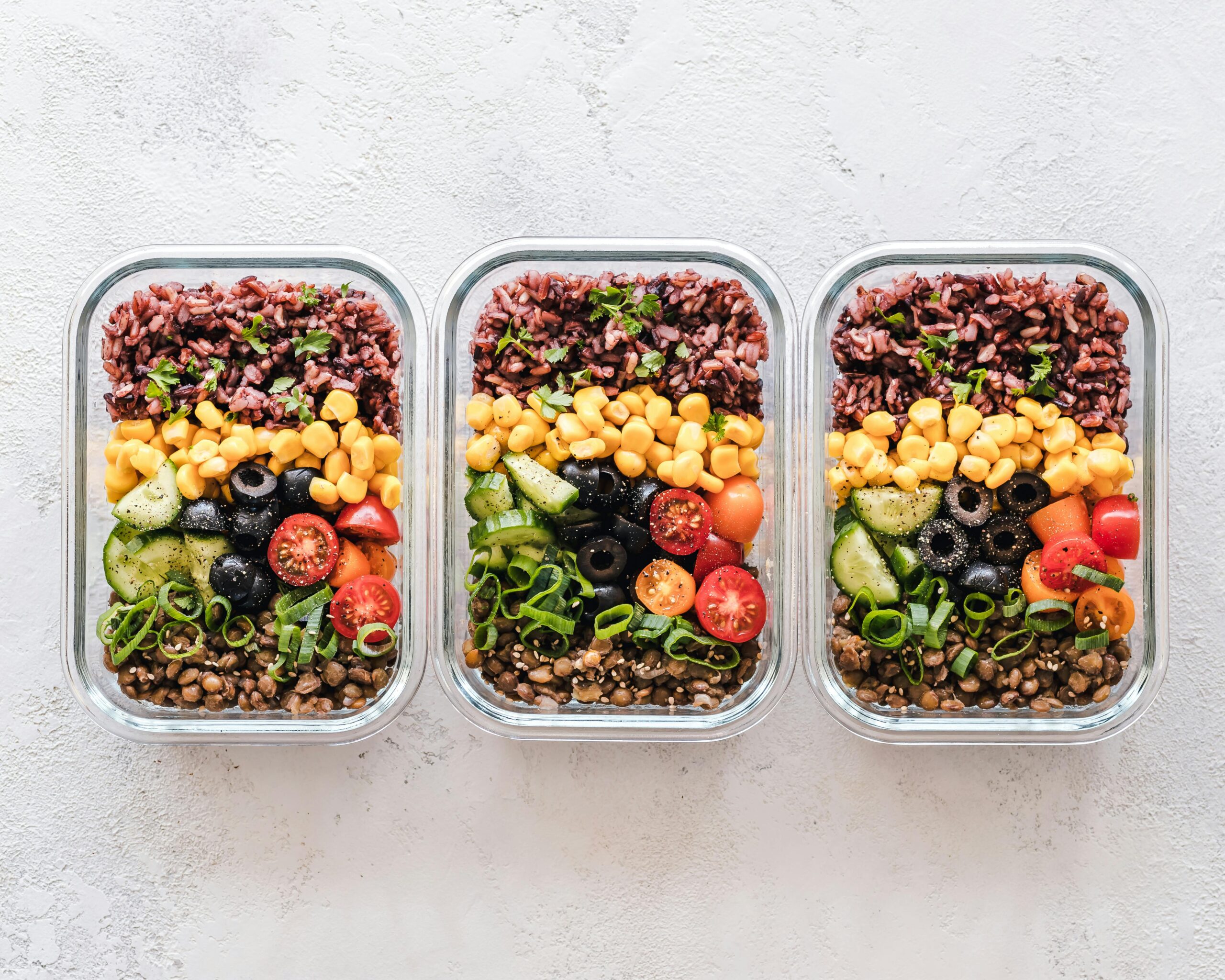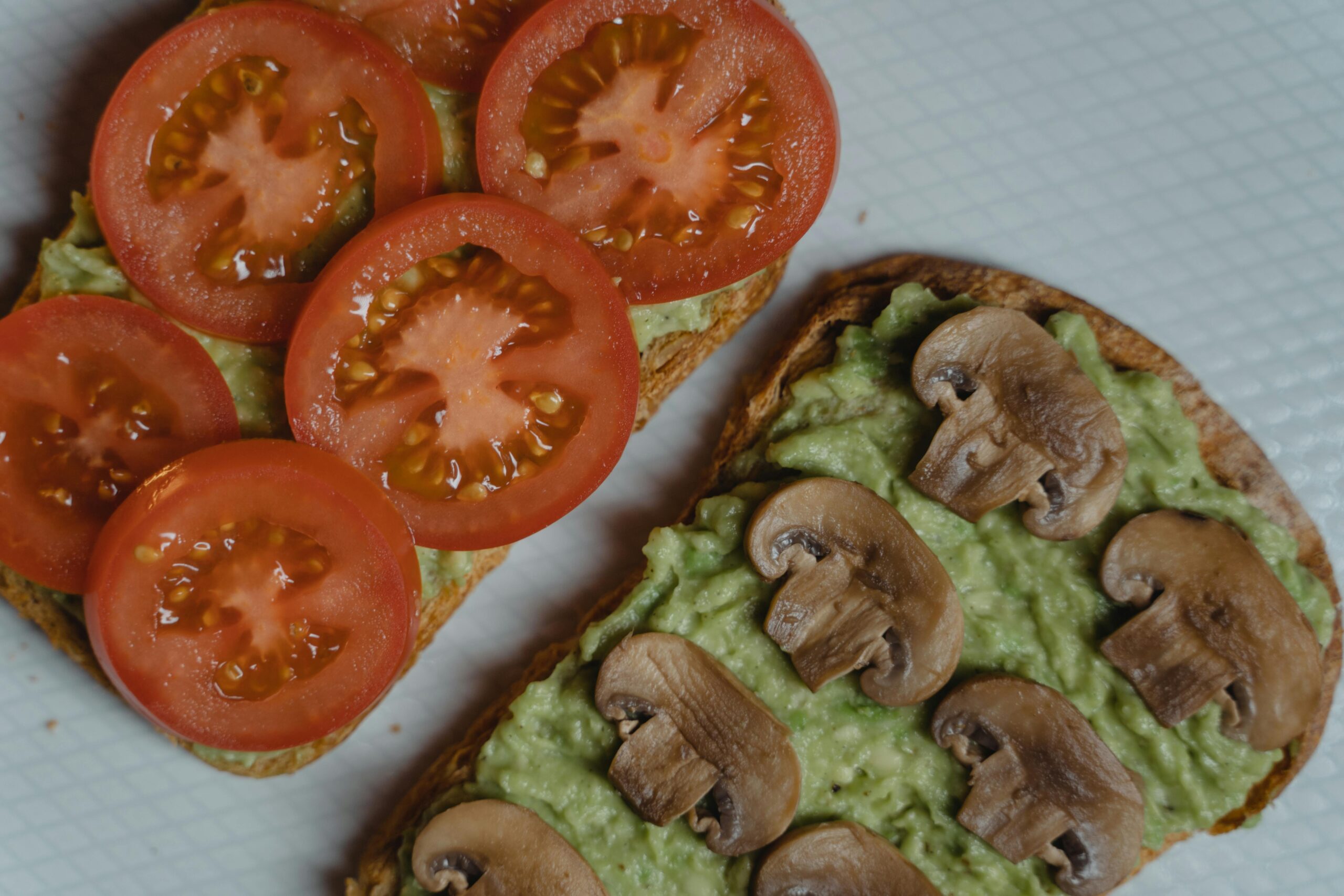
Meal prepping transforms your weekly routine, saving time, money, and stress. Wraps and sandwich boxes offer the perfect solution for fresh, portable meals that keep you fueled throughout busy days.

The modern lifestyle demands efficient food preparation strategies that don’t compromise on taste or nutrition. Whether you’re packing lunch for work, preparing meals for your family, or simply seeking healthier eating habits, mastering the art of wrap and sandwich meal prep can revolutionize your relationship with food. These portable options combine convenience with endless customization possibilities, making them ideal for anyone looking to streamline their weekly meal planning while maintaining variety and freshness.
🌯 Why Wraps and Sandwiches Are Meal Prep Champions
Wraps and sandwiches represent the ultimate meal prep solution for several compelling reasons. Their versatility allows you to incorporate proteins, vegetables, healthy fats, and carbohydrates into one convenient package. Unlike traditional meals that require reheating or extensive assembly, these portable options maintain their quality when properly prepared and stored.
The portability factor cannot be overstated. These meals travel exceptionally well, whether you’re commuting to work, heading to the gym, or packing lunches for your children. They eliminate the need for multiple containers and utensils, reducing cleanup time and making eating on-the-go genuinely practical.
Cost-effectiveness makes wraps and sandwiches particularly attractive for budget-conscious meal preppers. Purchasing ingredients in bulk and preparing multiple servings at once significantly reduces per-meal costs compared to dining out or purchasing pre-made options. You control both the quality of ingredients and portion sizes, ensuring better nutrition and value.
Essential Tools and Containers for Sandwich Box Success
Investing in quality meal prep containers specifically designed for wraps and sandwiches ensures your food stays fresh and appetizing. Look for containers with separate compartments that prevent sogginess by keeping wet ingredients away from bread or tortillas until you’re ready to eat.
Bento-style boxes work exceptionally well for deconstructed sandwiches and wraps. These containers allow you to pack components separately, maintaining optimal texture and freshness. Your lettuce stays crispy, your bread remains firm, and your spreads don’t seep into unwanted areas.
Reusable wrap holders and sandwich containers with tight-sealing lids prevent compression and maintain the structural integrity of your meals. Many modern designs include ice pack compartments that keep perishable ingredients at safe temperatures for extended periods.
Must-Have Meal Prep Tools
- Airtight sandwich containers with compartment dividers
- Reusable silicone bags for individual ingredients
- Sharp knives for clean vegetable cuts and sandwich slicing
- Quality cutting boards (separate ones for proteins and vegetables)
- Food scales for portion control and macronutrient tracking
- Mason jars for dressings, sauces, and spreads
- Label maker or masking tape for dating prepared meals
🥗 Strategic Ingredient Selection for Maximum Freshness
Choosing ingredients that maintain their quality throughout the week distinguishes successful meal preppers from disappointed ones. Not all vegetables, proteins, and condiments perform equally when prepared in advance.
Hardy vegetables like bell peppers, carrots, cucumbers, and radishes retain their crunch and freshness for several days. Avoid delicate greens like regular lettuce in fully assembled wraps; instead, opt for sturdier options like romaine, kale, or cabbage. Consider packing delicate ingredients separately and adding them just before eating.
Protein selection impacts both food safety and meal quality. Fully cooked proteins like grilled chicken, turkey, hard-boiled eggs, and roasted tofu hold up well throughout the week. Pre-cooked bacon, seasoned ground turkey, and rotisserie chicken offer convenience without sacrificing taste. Always ensure proteins are properly cooled before assembling your meals to prevent bacterial growth.
Bread and Wrap Base Options
The foundation of your sandwich or wrap significantly affects longevity and satisfaction. Whole grain breads typically hold up better than white bread when dealing with moisture. Tortillas, especially whole wheat or spinach varieties, resist sogginess better than traditional sandwich bread.
Consider alternative bases like lettuce wraps, collard greens, or nori sheets for low-carb options that eliminate bread-related sogginess concerns entirely. These alternatives also add nutritional value and interesting flavor profiles to your meal prep rotation.
Toasting bread lightly before assembly creates a moisture barrier that helps prevent sogginess. This simple step extends the life of your prepared sandwiches by several hours or even a full day when combined with proper ingredient layering techniques.
Layering Techniques That Prevent Soggy Disasters
Understanding proper layering transforms mediocre meal prep into restaurant-quality portable meals. The strategic placement of ingredients creates barriers that protect bread from moisture while maintaining flavor integration.
Start with a protective layer against the bread or tortilla. Spread hummus, cream cheese, nut butter, or a thin layer of butter directly on the bread. These fat-based spreads create a waterproof barrier that prevents wet ingredients from penetrating the bread.
Place proteins directly on top of your protective spread layer. Whether using sliced turkey, grilled chicken, or plant-based alternatives, this protein layer adds another barrier between moisture-rich vegetables and your bread base.
Stack hearty vegetables next, followed by cheese if using. Reserve extremely wet ingredients like tomatoes, pickles, or cucumber for a separate container to add just before eating. If you must include them in assembled meals, pat them thoroughly dry with paper towels and place them in the center of the sandwich, surrounded by drier ingredients.
Finish with leafy greens as the top layer, furthest from the bottom bread. This positioning keeps greens fresh while protecting the structural integrity of your wrap or sandwich. For wraps, roll tightly to compress ingredients and prevent shifting during transport.
🍗 Protein-Packed Wrap and Sandwich Combinations
Diversifying your protein sources ensures nutritional balance and prevents meal prep monotony. Planning different protein bases for each day of the week keeps your taste buds engaged while meeting your dietary requirements.
Grilled chicken paired with avocado, bacon, ranch dressing, and romaine creates a satisfying combination that travels well. Marinate chicken breasts in advance, grill multiple portions at once, and slice when cooled for easy assembly throughout the week.
Turkey and Swiss cheese with honey mustard, cranberry sauce, and spinach offers a classic flavor profile that remains popular for good reason. Using quality deli turkey or roasting your own turkey breast elevates this simple combination significantly.
Mediterranean-inspired wraps featuring hummus, falafel, cucumber, tomatoes, red onion, and tzatziki sauce provide plant-based protein options bursting with flavor. Prepare falafel in large batches and store separately from other ingredients to maintain optimal texture.
Vegetarian and Vegan Options
Plant-based meal preppers have countless delicious options beyond basic veggie sandwiches. Roasted chickpeas seasoned with spices provide protein and satisfying crunch. Marinated tofu slices, tempeh bacon, or seasoned black beans create hearty, filling bases for wraps and sandwiches.
Egg salad made with vegan mayo offers familiar comfort food appeal for plant-based eaters. Mashed chickpea “tuna” salad provides similar texture and satisfaction without animal products. These protein-rich spreads work beautifully in both wraps and traditional sandwiches.
Sauce and Spread Strategies for Flavor Without Sogginess
Sauces and spreads deliver flavor intensity that transforms simple ingredients into crave-worthy meals. However, managing moisture from these components requires thoughtful planning.
Pack wet sauces and dressings separately in small containers or reusable pouches. This approach guarantees freshness and allows you to control the amount added to each meal. Mason jars work perfectly for weekly batches of homemade dressings and sauces.
Thicker spreads like hummus, pesto, cream cheese, and nut butters can be applied directly during meal prep without causing sogginess issues. These spreads actually protect bread from moisture while adding substantial flavor and nutritional value.
Create signature sauce combinations that complement your protein choices. Chipotle mayo pairs beautifully with grilled chicken, while tahini-based sauces enhance Mediterranean-inspired wraps. Having multiple homemade sauces prepared in advance dramatically increases meal variety without additional prep time.
📦 Weekly Meal Prep Planning and Execution
Successful meal prep requires systematic planning and efficient execution. Dedicating a few hours one day per week to preparation eliminates daily cooking stress and ensures healthy meals are always available.
Begin by selecting your recipes for the week, considering variety in flavors, textures, and nutritional profiles. Write a comprehensive shopping list organized by store sections to streamline grocery shopping. Purchase ingredients in quantities that make sense for your household size and storage capacity.
Schedule your prep session during a time when you have uninterrupted hours to work efficiently. Many meal preppers find Sunday afternoons or evenings ideal, though any consistent schedule works. Play music or podcasts to make the process enjoyable rather than tedious.
Batch Cooking and Assembly Line Efficiency
Approach meal prep like a production line for maximum efficiency. Cook all proteins simultaneously using multiple cooking methods—grill chicken while roasting vegetables and hard-boiling eggs. This parallel processing saves significant time compared to preparing items sequentially.
Wash, dry, and chop all vegetables at once, storing them in separate containers labeled with preparation dates. Having pre-cut vegetables ready dramatically speeds up daily assembly or final meal prep packaging.
Assemble all similar meals together rather than completing one entire meal before starting another. Lay out all containers, add the same ingredient to each one in succession, then move to the next ingredient. This assembly-line approach reduces preparation time substantially.
Storage Solutions and Food Safety Guidelines
Proper storage ensures your carefully prepared meals remain safe to eat and delicious throughout the week. Understanding food safety basics protects your health while maximizing the longevity of your meal prep efforts.
Refrigerate all prepared meals containing perishable ingredients within two hours of preparation. Store meals at 40°F (4°C) or below to inhibit bacterial growth. Most properly stored sandwiches and wraps maintain quality for 3-4 days in the refrigerator.
Label each container with preparation dates to track freshness accurately. Consume oldest meals first, following the first-in-first-out principle used in professional kitchens. When in doubt about a meal’s safety, discard it rather than risking foodborne illness.
Consider freezing certain wrap and sandwich components for extended storage. Fully assembled sandwiches don’t typically freeze well due to vegetable texture changes, but many ingredients freeze excellently. Pre-cooked proteins, certain bread types, and even some prepared spreads maintain quality when properly frozen and thawed.
🌟 Creative Theme Days to Maintain Excitement
Preventing meal prep fatigue requires creativity and variety. Organizing your weekly meal prep around themes makes planning easier while ensuring diverse flavors and nutritional profiles.
Mediterranean Monday features wraps with hummus, falafel, tahini sauce, and abundant fresh vegetables. This plant-based start to the week provides energy without feeling heavy.
Taco Tuesday translates beautifully to wrap form. Use seasoned ground turkey or black beans, salsa, cheese, lettuce, and Greek yogurt as a sour cream substitute. The familiar flavors in a convenient format satisfy cravings while staying meal-prep friendly.
Asian-inspired Wednesday wraps incorporate teriyaki chicken, crunchy vegetables, sesame seeds, and a peanut or almond butter sauce. Rice paper wraps or lettuce cups work particularly well for these flavor combinations.
Classic Thursday features traditional sandwich combinations like turkey and cheese, BLTs, or Italian subs with quality deli meats, cheeses, and tangy condiments. Familiarity provides comfort midweek when energy might be flagging.
Freestyle Friday allows for creative combinations using leftover ingredients from the week. This flexible approach reduces food waste while encouraging culinary experimentation.
Customization for Dietary Needs and Preferences
Meal prep succeeds when it accommodates individual dietary requirements and personal taste preferences. The beauty of wraps and sandwiches lies in their infinite customization potential.
For low-carb or keto dieters, replace traditional wraps with large lettuce leaves, collard greens, or specially formulated low-carb tortillas. Focus on high-fat proteins and abundant vegetables while eliminating high-carb ingredients.
Gluten-free meal preppers benefit from the wide variety of gluten-free bread and wrap options now available. Rice paper wraps, corn tortillas, and gluten-free sandwich bread allow everyone to participate in sandwich and wrap meal prep successfully.
Athletes and fitness enthusiasts can adjust macronutrient ratios by increasing proteins and complex carbohydrates. Adding extra lean meats, including quinoa or brown rice in wraps, and incorporating protein-rich spreads helps meet elevated nutritional requirements.
Troubleshooting Common Meal Prep Challenges
Even experienced meal preppers encounter occasional challenges. Understanding common issues and their solutions prevents frustration and food waste.
Soggy bread remains the most frequent complaint. Combat this by using moisture barriers, packing wet ingredients separately, and choosing sturdier bread varieties. If sogginess persists, switch to deconstructed meal prep where components stay separate until eating time.
Flavor fade occurs when meals taste bland after several days of storage. Counter this with bold seasonings, flavorful spreads, and intensely flavored ingredients like sun-dried tomatoes, roasted red peppers, or pickled vegetables that actually improve with time.
Texture deterioration affects some ingredients more than others. Identify problematic ingredients in your rotation and either eliminate them, pack them separately, or find suitable substitutions that hold up better during storage.
🥙 Budget-Friendly Meal Prep Shopping Strategies
Meal prepping saves money, but strategic shopping amplifies those savings. Smart purchasing decisions maximize your food budget without compromising quality or nutrition.
Buy proteins in bulk when on sale and freeze portions for future use. Rotisserie chickens offer excellent value, providing multiple meals worth of prepared protein at lower cost than purchasing and cooking chicken breasts.
Purchase generic or store-brand condiments, cheese, and bread products. Quality differences are often minimal while price differences can be substantial. Save premium purchases for ingredients where quality significantly impacts the final product.
Shop seasonal produce for the best prices and flavor. Vegetables at peak season cost less and taste better than out-of-season alternatives. Plan your weekly themes around available seasonal produce to maximize both budget and flavor.
Grow herbs at home in a small kitchen garden or windowsill pots. Fresh herbs dramatically improve meal flavor but can be expensive to purchase regularly. Growing your own provides unlimited access to fresh herbs at minimal cost.
Taking Your Meal Prep to the Next Level
Once you’ve mastered basic wrap and sandwich meal prep, advanced techniques and strategies can further improve your results and expand your culinary repertoire.
Experiment with homemade bread, tortillas, and wraps for ultimate customization and freshness. While requiring additional time investment, homemade bases allow you to control ingredients completely, accommodate special dietary needs, and create unique flavor combinations unavailable in commercial products.
Develop signature recipes that become your personal specialties. Refine flavor combinations through repeated preparation, adjusting seasonings and ingredients until you create wraps and sandwiches you genuinely look forward to eating.
Invest in a vacuum sealer for extended storage capabilities. Vacuum-sealed ingredients and certain prepared items maintain freshness significantly longer than traditional storage methods, expanding your meal prep possibilities.
Join meal prep communities online to share ideas, discover new recipes, and troubleshoot challenges with fellow enthusiasts. The collective wisdom of experienced meal preppers provides inspiration and practical solutions to common obstacles.
Mastering meal prep with wraps and sandwich boxes transforms your relationship with food, saving time and money while ensuring nutritious, delicious meals are always available. The strategies, techniques, and ideas presented here provide a comprehensive foundation for successful meal preparation that fits seamlessly into busy modern lifestyles. Start with simple combinations, build your skills gradually, and soon you’ll wonder how you ever managed without this efficient, satisfying approach to weekly meal planning. Your future self will thank you for the time, money, and stress you save while enjoying fresh, flavorful meals every single day.