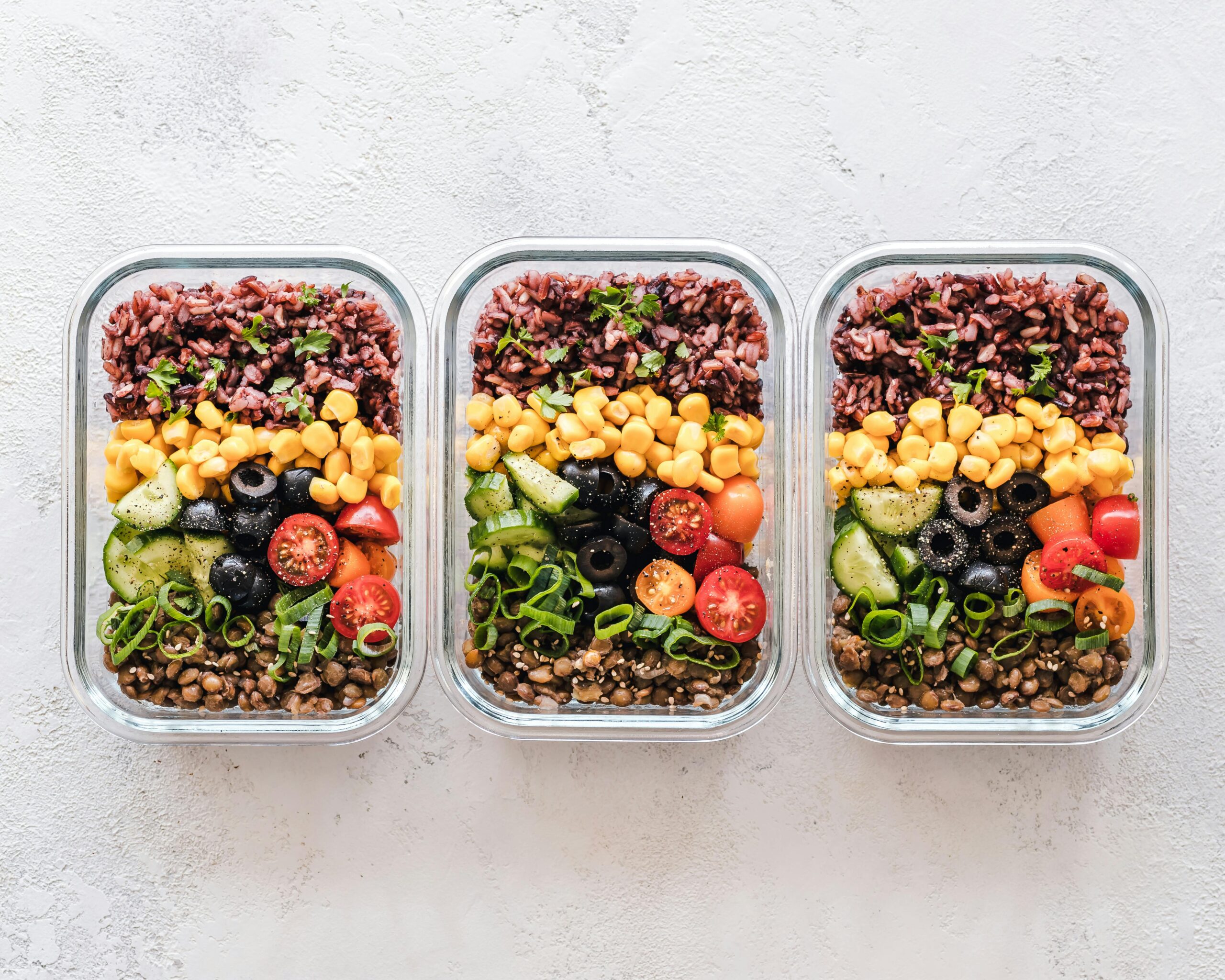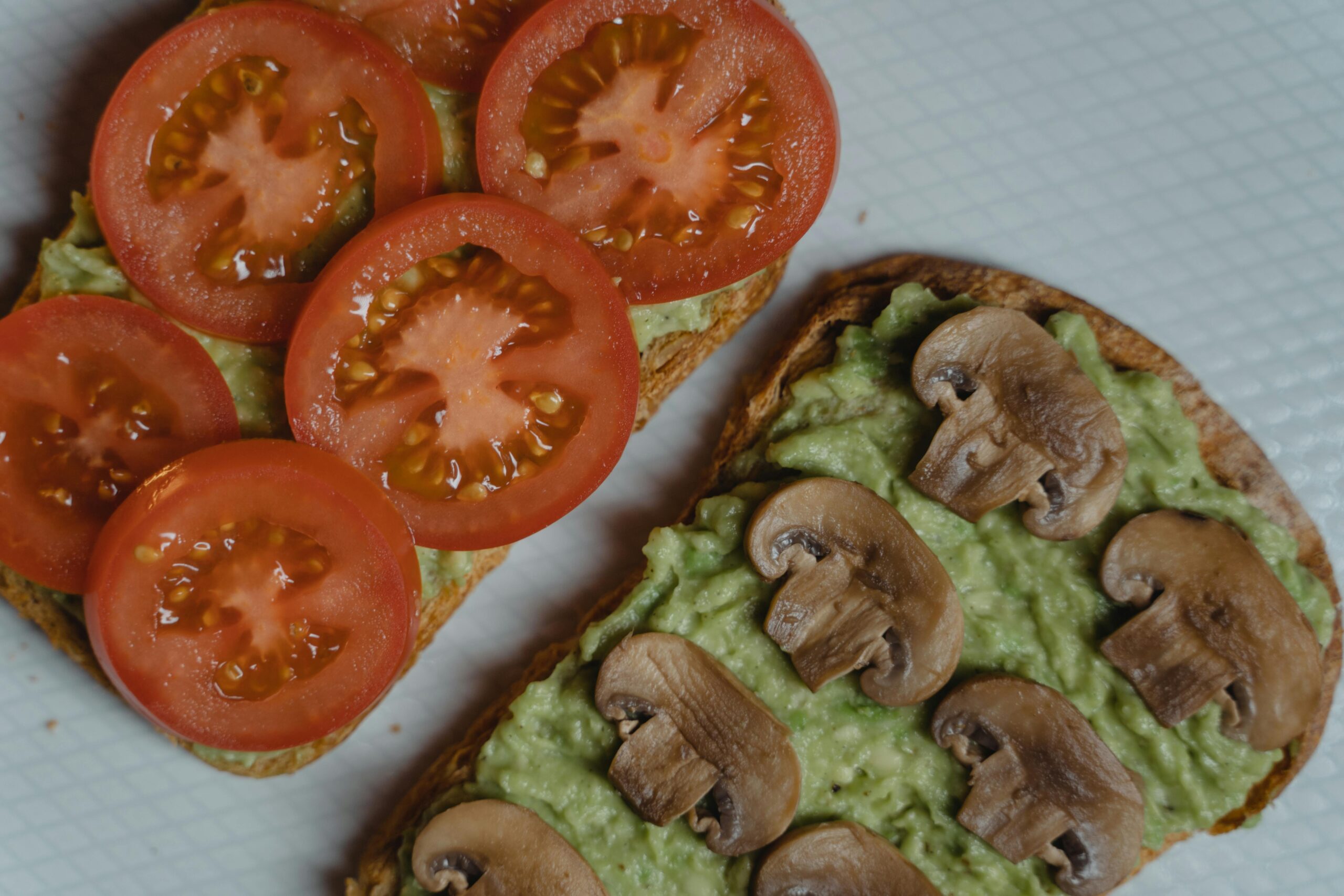
Life moves fast, and maintaining a healthy vegetarian diet shouldn’t slow you down. Meal prep transforms the challenge of eating well into a convenient, delicious reality that fits perfectly into your busy lifestyle.

Whether you’re commuting to work, heading to the gym, or traveling for business, having nutritious vegetarian meals ready to go eliminates the temptation of fast food and keeps your energy levels steady throughout the day. The secret lies in planning ahead and choosing recipes that travel well, taste amazing even when cold, and provide the balanced nutrition your body needs.
🌱 Why Vegetarian Meal Prep Is Your Best Friend
Preparing vegetarian meals in advance offers numerous advantages beyond simple convenience. You gain complete control over ingredients, portion sizes, and nutritional content while saving significant time and money throughout the week.
Plant-based meals naturally contain fiber, vitamins, and minerals that support sustained energy without the heaviness associated with meat-based options. This makes them ideal for portable eating, as they’re typically lighter and easier to digest during your busy day.
Meal prepping also reduces food waste dramatically. When you plan your meals, you purchase only what you need and use ingredients efficiently across multiple recipes. This approach benefits both your wallet and the environment.
Essential Tools for Successful Meal Prep
Before diving into recipes, assembling the right equipment makes the entire process smoother and more enjoyable. Quality containers are non-negotiable for maintaining freshness and preventing leaks.
Invest in glass or BPA-free plastic containers with secure lids in various sizes. Compartmented containers help keep different foods separated, preventing soggy situations and maintaining appealing textures.
Additional helpful tools include a sharp knife set, quality cutting board, food processor for quick chopping, and mason jars for layered salads and overnight preparations. A reliable set of measuring cups ensures consistent portions and nutritional tracking.
Storage Solutions That Work
Temperature control determines food safety and quality. Insulated lunch bags with ice packs keep meals fresh for hours, while thermos containers maintain hot foods at safe temperatures.
Silicone bags offer reusable, space-saving alternatives to disposable plastic bags for snacks and smaller portions. Label everything with preparation dates to track freshness and rotate your meals properly.
🥗 Power-Packed Grain Bowl Combinations
Grain bowls represent the foundation of vegetarian meal prep success. They’re endlessly customizable, hold up beautifully over several days, and provide complete nutrition in a single container.
Start with a base of quinoa, brown rice, farro, or bulgur. These whole grains provide complex carbohydrates and protein while remaining delicious at room temperature or reheated.
Layer your chosen grain with roasted vegetables like sweet potatoes, Brussels sprouts, cauliflower, or bell peppers. Roasting vegetables concentrates their flavors and creates textures that improve rather than deteriorate during storage.
Mediterranean Magic Bowl
Combine cooked quinoa with chickpeas, cucumber, cherry tomatoes, Kalamata olives, and red onion. Add crumbled feta cheese and a lemon-herb dressing packed separately to prevent sogginess.
This combination provides approximately 450 calories with 15 grams of protein, healthy fats from olives, and abundant vitamins from fresh vegetables. Prepare five servings in under an hour for weekday lunches.
Asian-Inspired Buddha Bowl
Layer brown rice with edamame, shredded purple cabbage, julienned carrots, sliced avocado, and pickled ginger. Include a small container of sesame-ginger dressing and sprinkle with sesame seeds.
The protein from edamame combined with fiber-rich vegetables creates a satisfying meal that travels exceptionally well. The vibrant colors make eating a visual pleasure that combats midday monotony.
🌯 Wraps and Rolls That Travel Beautifully
Portable wraps offer handheld convenience without sacrificing nutrition or flavor. The key is choosing ingredients that don’t release excessive moisture and wrapping techniques that maintain structural integrity.
Whole wheat tortillas, collard greens, nori sheets, and rice paper wrappers each provide unique flavors and nutritional profiles. Experiment with different bases to keep your meal rotation interesting.
Hummus and Veggie Rainbow Wrap
Spread generous hummus across a large whole wheat tortilla. Layer spinach, shredded carrots, sliced bell peppers, cucumber strips, and sprouts. Roll tightly and slice diagonally for easy eating.
The hummus acts as both flavor enhancer and moisture barrier, preventing the wrap from becoming soggy. This combination delivers protein, fiber, and a spectrum of vitamins in every bite.
Black Bean and Sweet Potato Burrito
Fill tortillas with seasoned black beans, roasted sweet potato cubes, brown rice, corn, and a dollop of Greek yogurt or dairy-free alternative. Wrap in foil for mess-free transport.
These burritos freeze exceptionally well, allowing you to prep a month’s worth at once. Simply grab one from the freezer each morning, and it’ll defrost by lunchtime while remaining perfectly fresh.
🥙 Mason Jar Salads That Stay Crisp
Mason jar salads revolutionized portable meal prep by keeping ingredients fresh and crisp through strategic layering. The technique prevents wilting and allows you to shake and eat directly from the jar.
Always start with dressing at the bottom, followed by hearty vegetables or proteins that won’t absorb moisture. Place delicate greens and toppings at the top, maintaining their texture until eating time.
Perfect Layering Technique
Layer one: Dressing (2-3 tablespoons). Layer two: Hardy vegetables like chickpeas, cucumbers, or bell peppers. Layer three: Grains or pasta. Layer four: Proteins like tofu, beans, or nuts. Layer five: Cheese or dried fruits. Layer six: Delicate greens.
This arrangement keeps everything fresh for up to five days when properly refrigerated. When ready to eat, simply shake the jar to distribute dressing evenly.
Mediterranean Chickpea Jar
Start with lemon-tahini dressing, add chickpeas, diced cucumber, cherry tomatoes, quinoa, feta crumbles, and finish with mixed greens. This protein-rich salad provides sustained energy throughout the afternoon.
🍱 Bento Box Inspiration
Bento-style meal prep embraces variety by including multiple small portions of different foods. This approach prevents flavor fatigue and ensures balanced nutrition across food groups.
Compartmented containers make bento preparation simple. Fill sections with complementary items that offer different textures, temperatures, and nutritional benefits.
Complete Bento Blueprint
Section one: Protein source (hard-boiled eggs, tofu cubes, or tempeh). Section two: Whole grain carbohydrate (brown rice balls, whole grain crackers, or quinoa). Section three: Fresh vegetables (cherry tomatoes, cucumber slices, bell pepper strips). Section four: Fruit (berries, apple slices, or grapes). Section five: Healthy fat (nuts, seeds, or avocado).
This balanced approach delivers complete nutrition while keeping meals interesting and visually appealing. Rotate ingredients weekly to prevent monotony.
🥣 Soup and Stew Solutions
Warm, comforting soups and stews make excellent portable meals when stored in quality thermos containers. They often taste better after flavors have melded overnight, making them perfect for meal prep.
Focus on hearty, protein-rich recipes that maintain texture after storage. Bean-based soups, lentil stews, and vegetable chilis all travel exceptionally well and reheat beautifully.
Red Lentil and Vegetable Curry
Simmer red lentils with coconut milk, curry paste, sweet potatoes, spinach, and chickpeas. This protein-packed soup provides warming comfort and complete nutrition in a single container.
Prepare a large batch on Sunday evening, portion into individual containers, and refrigerate or freeze. Pair with whole grain naan or crackers packed separately for added substance.
Minestrone with White Beans
Combine white beans, diced tomatoes, carrots, celery, zucchini, pasta, and Italian herbs in vegetable broth. This classic soup delivers fiber, protein, and vegetables in a satisfying, transportable format.
🌟 Snack-Sized Energy Boosters
Portable snacks bridge the gap between meals and prevent energy crashes that lead to poor food choices. Preparing snacks alongside main meals ensures you always have healthy options available.
Energy balls combine dates, nuts, seeds, and complementary flavors into portable, no-bake bites. Mix ingredients in a food processor, roll into balls, and refrigerate for grab-and-go convenience.
Chocolate Peanut Butter Energy Balls
Blend dates, peanut butter, oats, cocoa powder, and chia seeds. Roll into tablespoon-sized balls and refrigerate. Each ball provides sustained energy from healthy fats, protein, and natural sugars.
Veggie and Hummus Cups
Portion hummus into small containers and pack with sliced vegetables. This simple combination provides protein, fiber, and essential vitamins while satisfying crunchy cravings.
🥤 Smoothie Prep Strategies
Pre-portioned smoothie ingredients save precious morning minutes while ensuring nutritious breakfasts on rushed days. Freezer bags filled with smoothie components require only liquid and blending.
Combine frozen fruits, spinach or kale, protein powder, and seeds in individual bags. Label with liquid requirements and any additional fresh ingredients to add.
When ready to enjoy, dump the bag contents into a blender, add your liquid of choice, blend, and pour into a portable container. This method works perfectly for post-workout nutrition or breakfast during commutes.
⏰ Weekly Meal Prep Schedule
Success with meal prep requires establishing a consistent routine that fits your lifestyle. Most people find Sunday afternoon ideal for preparing the week’s meals, though any day works.
Dedicate two to three hours for shopping, cooking, and portioning. Play music or podcasts to make the time enjoyable rather than tedious. Consider meal prep a investment in your health and convenience.
Efficient Prep Day Strategy
Start by washing and chopping all vegetables. While vegetables roast in the oven, cook grains on the stovetop and prepare proteins. Multitasking reduces overall time significantly.
Use the final thirty minutes for portioning meals into containers and preparing any sauces or dressings. Store everything properly labeled with contents and dates.
💡 Smart Shopping for Meal Prep Success
Effective meal prep begins at the grocery store. Shopping with a detailed list based on your planned recipes prevents impulse purchases and ensures you have everything needed.
Focus on versatile ingredients that work across multiple recipes. Staples like quinoa, canned beans, olive oil, and spices form the foundation of countless vegetarian meals.
Buy seasonal produce for better flavor and value. Frozen vegetables offer convenience and nutrition without waste, particularly for ingredients used in smaller quantities.
🌮 Keeping Meals Exciting and Varied
The biggest meal prep challenge is avoiding monotony. Rotate between different cuisine styles weekly—Mediterranean one week, Asian-inspired the next, then Mexican flavors the following week.
Maintain a collection of favorite recipes and continuously add new options. Social media platforms and recipe apps provide endless inspiration for creative vegetarian combinations.
Vary your protein sources between legumes, tofu, tempeh, eggs, and dairy products. Different preparations of the same ingredient—roasted chickpeas versus chickpea curry—provide novelty within familiarity.
🎯 Nutritional Balance in Portable Meals
Every meal should include protein, complex carbohydrates, healthy fats, and vegetables. This combination stabilizes blood sugar, provides sustained energy, and delivers comprehensive nutrition.
Vegetarian protein sources include beans, lentils, quinoa, tofu, tempeh, eggs, Greek yogurt, and cheese. Aim for 15-25 grams of protein per meal to support satiety and muscle maintenance.
Don’t fear healthy fats from avocados, nuts, seeds, and olive oil. These essential nutrients support nutrient absorption, brain function, and satisfaction between meals.
🌿 Fresh Herbs and Flavor Boosters
Preventing flavor fatigue requires strategic use of herbs, spices, and condiments. Fresh herbs added just before eating brighten meals and provide restaurant-quality freshness.
Pack fresh herbs, hot sauce, nutritional yeast, or specialty seasonings separately. These additions transform basic meal prep into customized culinary experiences throughout the week.
Lemon or lime wedges, pickled vegetables, and fermented foods like kimchi or sauerkraut add probiotic benefits alongside exciting flavors that combat repetition.
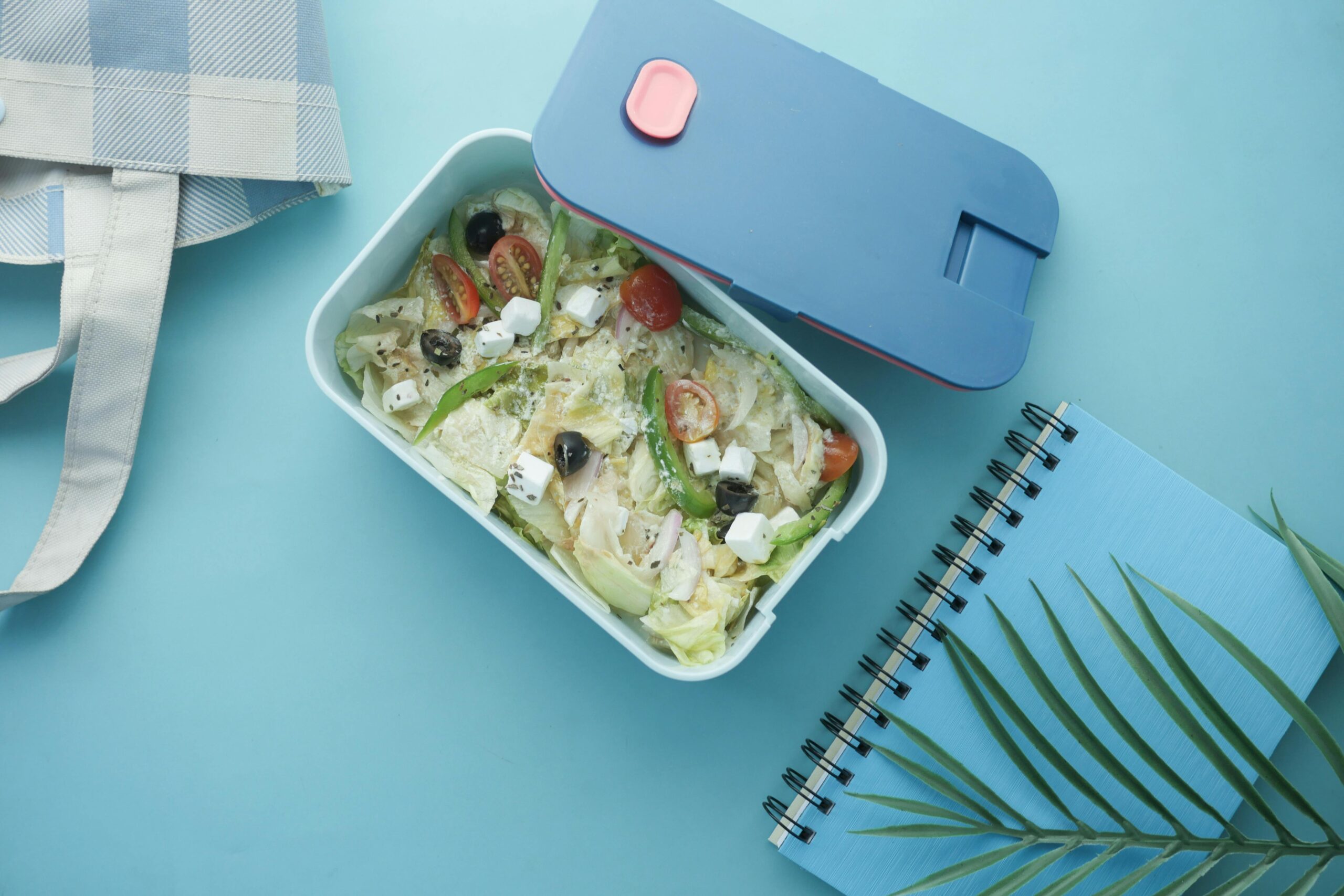
🚀 Taking Your Portable Meals Further
Mastering vegetarian meal prep opens doors to healthier eating, financial savings, and reduced stress around food decisions. Your portable meals become tools for achieving wellness goals while accommodating demanding schedules.
Start small with preparing just lunches for three days, then gradually expand as confidence grows. Perfection isn’t the goal—consistency and progress matter most.
Share your meal prep journey with friends or family members. Swapping recipes and strategies creates accountability while multiplying your recipe collection. Some people even organize meal prep parties where groups prepare meals together.
Remember that flexibility matters more than rigidity. If Tuesday’s lunch doesn’t appeal that morning, swap it with Thursday’s option. The point is having healthy choices available, not following an inflexible schedule.
Your portable vegetarian meals represent more than convenient food—they’re daily acts of self-care that nourish your body, support your goals, and prove that healthy eating truly can fit into life’s busiest moments. With these strategies and recipes, you’re equipped to transform meal prep from overwhelming task into enjoyable routine that serves you well for years to come.