Living in a small apartment or dorm doesn’t mean sacrificing flavor or nutrition. With smart meal prep strategies, even the tiniest fridge can become your ally in creating delicious, varied meals.

The intersection of compact living and busy schedules has created a unique challenge for modern home cooks. Between work deadlines, social commitments, and the reality of limited refrigerator space, preparing healthy, flavorful meals often feels impossible. However, with the right approach to meal preparation, you can transform your cooking routine into an efficient system that delivers restaurant-quality flavors without overwhelming your limited storage or schedule.
🏠 Understanding the Tiny Fridge Challenge
Mini fridges and compact refrigerators present specific limitations that require creative solutions. The average mini fridge offers between 1.7 to 4.5 cubic feet of space, compared to a standard refrigerator’s 18 to 26 cubic feet. This dramatic difference means every square inch counts, and strategic planning becomes essential rather than optional.
The key to succeeding with limited refrigerator space lies in understanding vertical organization, choosing recipes with overlapping ingredients, and selecting storage containers that maximize every available inch. Rather than viewing your small fridge as a limitation, consider it an opportunity to develop more intentional cooking habits that reduce waste and increase efficiency.
🥘 The Foundation: Building Your Compact Meal Prep Strategy
Successful meal prep for small spaces begins with a mindset shift. Instead of preparing seven entirely different meals, focus on creating versatile base components that can be mixed and matched throughout the week. This approach, sometimes called “component cooking,” allows you to enjoy variety while minimizing storage space and preparation time.
Selecting Space-Efficient Proteins
Proteins form the cornerstone of most meal prep plans, but not all proteins are created equal when it comes to space efficiency. Boneless, skinless chicken thighs can be seasoned differently and used across multiple dishes. Ground turkey or beef cooks quickly and stores flat in bags or containers. Canned beans, while not requiring refrigeration until opened, offer plant-based protein that’s budget-friendly and incredibly versatile.
Consider preparing one or two protein options at the start of your week. A sheet pan of seasoned chicken thighs alongside a pot of seasoned ground meat gives you the foundation for tacos, salads, grain bowls, wraps, and pasta dishes without requiring multiple containers of space.
Choosing Multi-Purpose Vegetables
Vegetables can quickly consume precious fridge space, especially when stored improperly. Focus on vegetables that serve multiple purposes and store efficiently. Bell peppers, onions, and zucchini roast beautifully and work in countless dishes. Leafy greens like spinach and kale compress well and add nutrition to everything from eggs to pasta.
Pre-cutting vegetables saves time during busy weekdays but requires storage space. A strategic compromise involves washing and prepping only what you’ll use in the first three days, leaving the remainder whole to save space and maintain freshness longer.
📦 Container Selection: The Game-Changer for Small Spaces
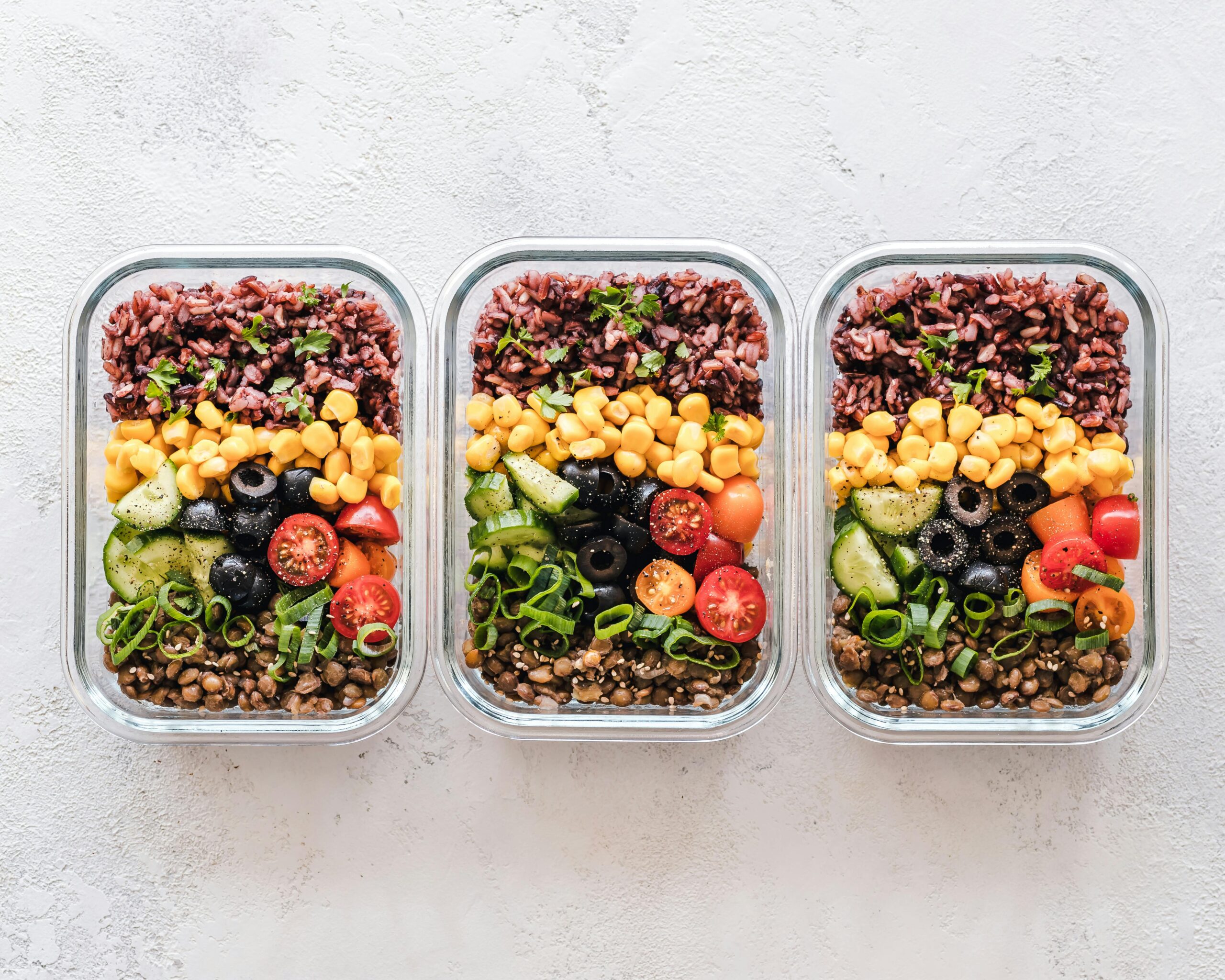
The containers you choose dramatically impact how much food fits in your fridge. Round containers waste space in the corners, while square and rectangular options tessellate perfectly, maximizing every cubic inch. Look for containers that nest when empty and stack securely when full.
Glass containers, while heavier and more expensive upfront, resist staining and don’t retain odors. They’re oven-safe, eliminating the need to transfer food before reheating. However, for truly compact storage, consider silicone bags that lay flat and conform to available space. These reusable bags work excellently for marinated proteins, cooked grains, and even soups when frozen flat.
🍜 Five Big-Flavor Recipes Perfect for Tiny Fridges
Mediterranean Chicken Power Bowls
These flavor-packed bowls require just one protein prep session and utilize vegetables that store efficiently. Season chicken thighs with oregano, garlic powder, paprika, lemon zest, salt, and pepper. Bake at 400°F for 25-30 minutes until golden and cooked through.
Your grain base can be quinoa, couscous, or even cauliflower rice (which takes up minimal space). Add cherry tomatoes (stored on the counter, not the fridge), cucumber, red onion, and a simple Greek yogurt tzatziki sauce. Store components separately in flat containers, assembling bowls fresh each day. This strategy keeps everything crisp and prevents sogginess.
The beauty of this recipe lies in its adaptability. The same chicken works in wraps, salads, or alongside different grains. The vegetables complement nearly any protein or grain combination, giving you built-in variety.
Asian-Inspired Ground Turkey Lettuce Wraps
Ground meat stores exceptionally well in flat containers or bags, making it ideal for compact fridges. Brown one pound of ground turkey with minced garlic and ginger. Add soy sauce, rice vinegar, sesame oil, and a touch of honey or maple syrup for balance. Stir in shredded carrots and diced water chestnuts for texture.
Store the mixture flat in a container or bag. Purchase butter lettuce or iceberg lettuce cups fresh, as they require minimal space. Keep toppings simple: sliced green onions, sesame seeds, and sriracha. This mixture also works over rice, in spring rolls, or mixed with noodles for completely different meals throughout the week.
One-Pan Fajita Mix
Fajitas exemplify the component cooking approach. Slice bell peppers and onions, then roast them with your choice of protein (chicken, steak, or shrimp all work beautifully) on a single sheet pan. Season everything with cumin, chili powder, garlic powder, and smoked paprika.
This mixture stores flat and reheats perfectly. Use it in traditional fajitas with tortillas, over salads, in quesadillas, mixed with scrambled eggs for breakfast burritos, or tossed with pasta and a cream sauce. One preparation creates at least five distinctly different meals without requiring additional fridge space.
Versatile Lentil Soup Base
Soups might seem counterintuitive for small fridges, but when stored in flat, stackable containers or frozen flat in bags, they’re remarkably space-efficient. Cook dried lentils with diced tomatoes, carrots, celery, onion, garlic, and vegetable broth seasoned with cumin and smoked paprika.
This base transforms easily throughout the week. Eat it as soup with crusty bread, thicken it and use as a taco filling, blend it smooth for a creamy spread, or serve it over grains as a hearty stew. Lentils provide substantial protein and fiber while being one of the most affordable ingredients available.
Marinated Tofu Cubes
For plant-based eaters with limited space, pressed and marinated tofu offers incredible versatility. Press extra-firm tofu to remove excess moisture, cube it, and marinate in a mixture of soy sauce, maple syrup, garlic, ginger, and a touch of cornstarch. This can be stored in a single bag or small container.
Bake the marinated cubes until crispy, then store. These work in stir-fries, grain bowls, salads, wraps, or even as a protein-packed snack. The same marinade technique works with different flavor profiles: try Italian herbs with balsamic vinegar, or curry powder with coconut milk.
⏰ Time-Saving Strategies for Busy Schedules
Meal prep doesn’t require spending entire Sundays in the kitchen. Strategic planning allows you to prepare ingredients efficiently while maintaining flexibility for your unpredictable schedule.
Consider the “two-hour prep” approach: dedicate just two hours to preparing your protein and one or two vegetable components. Leave grains, fresh vegetables, and assembly for the days you’ll eat each meal. This partial prep prevents food fatigue while still saving significant time during busy weekdays.
Batch cooking utilizes your oven, stovetop, and potentially a slow cooker or instant pot simultaneously. While chicken bakes in the oven, cook grains on the stovetop and prepare your vegetable mix in a slow cooker. This parallel cooking approach maximizes efficiency without extending your time commitment.
🧊 Freezer Strategies for Extended Storage
Even the smallest living spaces typically include a freezer compartment, and leveraging this space exponentially increases your meal prep capacity. Flat-freeze soups, sauces, and cooked proteins in labeled bags. These frozen “sheets” stack efficiently and thaw quickly under running water or in the refrigerator overnight.
Prepare double batches of your favorite recipes, enjoying half fresh and freezing half for future weeks. This approach provides variety without requiring constant meal prep sessions. Rotate frozen meals into your fridge the night before you plan to eat them, maintaining your compact refrigerator workflow.
🛒 Shopping Smart for Small-Space Meal Prep
Your shopping strategy directly impacts both your fridge space and meal prep success. Shop more frequently with smaller hauls rather than attempting massive shopping trips that overflow your limited storage. Focus on purchasing ingredients that serve multiple recipes rather than single-use specialty items that consume space without offering flexibility.
Keep a running inventory of what’s in your fridge using a simple note on your phone. This prevents duplicate purchases and helps you creatively use ingredients before they spoil. Many meal planning apps can help track inventory and suggest recipes based on what you already have.
💡 Pro Tips for Maximizing Tiny Fridge Space
Organization transforms chaos into efficiency. Use drawer dividers to create designated zones for different food categories. Store herbs upright in small jars with water, covering them loosely with plastic bags to extend freshness while minimizing space.
Utilize vertical space with stackable bins or small shelves designed for refrigerators. These create additional levels, effectively doubling your usable space. Keep a small bin for “use first” items that need to be consumed within a day or two, preventing waste and ensuring you eat the most perishable ingredients first.
Remove unnecessary packaging before storing items. Transferring items from bulky boxes to slim containers immediately frees up valuable space. However, keep labels or take photos of cooking instructions before discarding packages.
🌟 Flavor Without the Fuss: Seasoning Strategies
Big flavor doesn’t require big space. A well-curated spice collection delivers endless variety without consuming precious refrigerator real estate. Focus on versatile seasonings that work across multiple cuisines: garlic powder, cumin, smoked paprika, Italian seasoning, curry powder, and everything bagel seasoning.
Create custom spice blends in small jars that season entire batches of protein or vegetables. A Mediterranean blend, Asian-inspired mixture, and Mexican-style seasoning cover most flavor profiles. These blends ensure consistent, bold flavors while streamlining your cooking process.
Fresh herbs elevate meals dramatically but can consume space and spoil quickly. Purchase only what you’ll use within three days, or opt for hardy herbs like rosemary and thyme that last longer. Alternatively, keep a small herb plant on your windowsill for fresh flavor without fridge space requirements.
🔄 Preventing Food Fatigue with Limited Variety
Eating the same components throughout the week challenges even the most dedicated meal preppers. Combat food fatigue by varying your sauces, seasonings, and presentation rather than preparing entirely different proteins and vegetables.
That same roasted chicken transforms completely when paired with different sauces: peanut sauce for Thai-inspired bowls, chimichurri for Argentinian flair, buffalo sauce for American comfort food, or pesto for Italian vibes. These sauces require minimal space but deliver maximum variety.
Change your grain base daily: quinoa Monday, cauliflower rice Tuesday, regular rice Wednesday, pasta Thursday, and no grain with extra vegetables Friday. This simple rotation creates the perception of completely different meals while using identical proteins and vegetables.
💰 Budget-Friendly Approach to Compact Meal Prep
Small-space meal prep naturally supports budget-conscious cooking. By focusing on versatile ingredients that serve multiple purposes, you reduce waste and maximize value from every purchase. Dried beans, lentils, rice, pasta, and seasonal vegetables offer the best value while requiring minimal storage space.
Buy proteins on sale and immediately portion and freeze them flat. This approach allows you to stock up when prices drop without overwhelming your tiny fridge. Ground meats, chicken thighs, and certain cuts of pork freeze excellently and thaw quickly for spontaneous meal prep sessions.
🎯 Making It Sustainable Long-Term
The most effective meal prep system is one you’ll actually maintain. Start with just two or three recipes you genuinely enjoy. Master these before expanding your repertoire. Consistency matters more than variety when establishing new habits.
Grant yourself flexibility. Some weeks, you’ll have time for comprehensive meal prep. Other weeks, simply cooking a large batch of one component—just protein or just grains—still provides significant time savings and ensures you have healthy options available.
Remember that meal prep serves your life; your life doesn’t serve your meal prep. If your system feels restrictive or burdensome, adjust it. The goal is making your limited space and busy schedule work for you, not against you.
Living with a tiny fridge and a packed schedule doesn’t mean resigning yourself to expensive takeout or uninspired meals. By embracing component cooking, choosing space-efficient containers, and focusing on versatile recipes with bold flavors, you can create a meal prep system that fits your unique constraints while delivering the nutrition and taste you deserve. The limitations of small-space living become advantages when they force you to become more intentional, creative, and efficient—skills that serve you well beyond the kitchen.