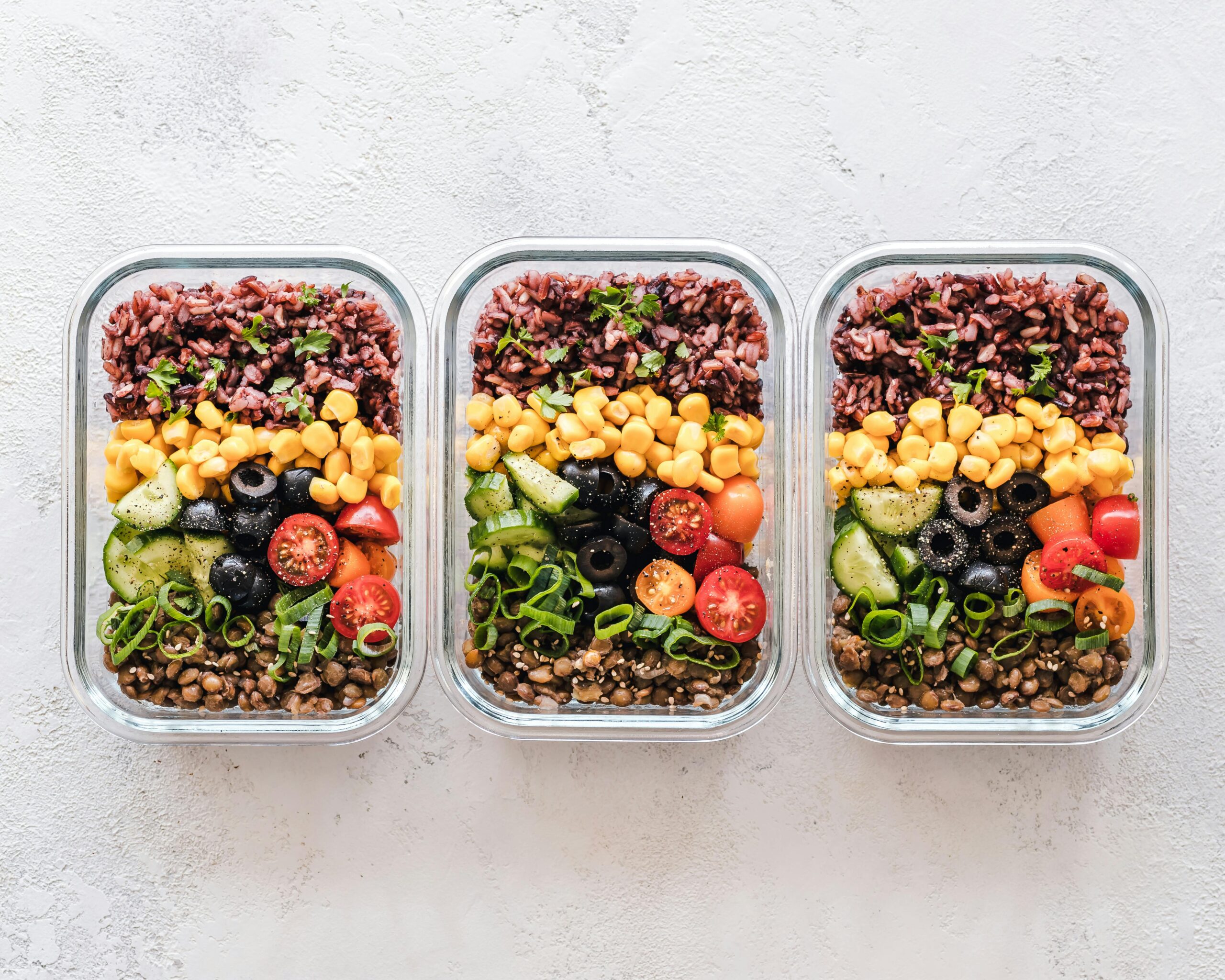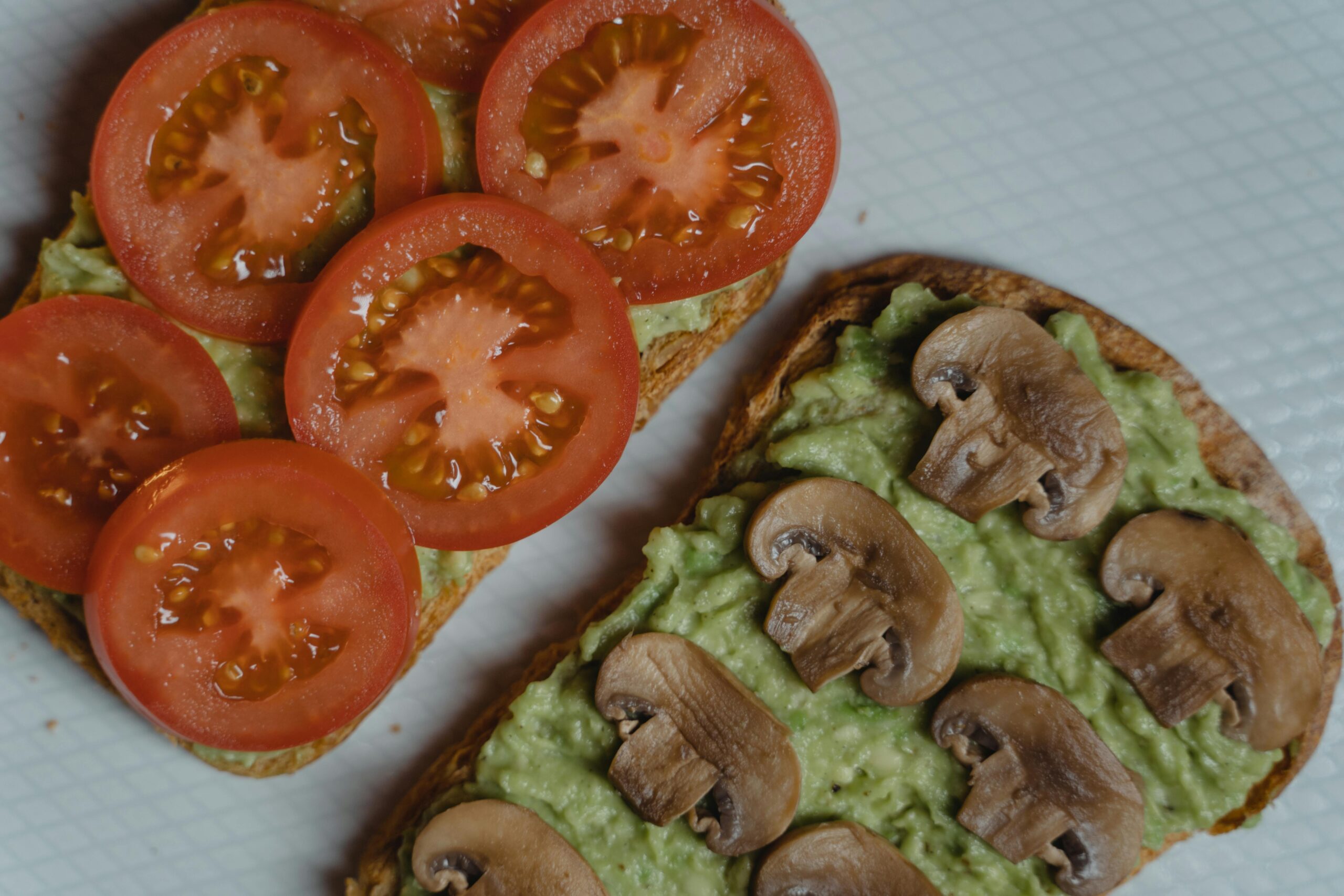
Tired of spending money on expensive takeout or eating the same boring sandwich every day? Portable meal prep is your ticket to delicious, budget-friendly lunches that keep you energized throughout your workday.

The modern workplace demands focus, productivity, and sustained energy—yet many professionals find themselves stuck in a lunch rut, relying on vending machines, fast food, or skipping meals altogether. Mastering portable meal prep isn’t just about packing food; it’s about creating a sustainable system that delivers nutrition, flavor, and convenience right when you need it most. Whether you’re working from an office, remotely, or constantly on the go, having control over your midday meals transforms not just your diet, but your entire workday performance.
🎯 Why Portable Meal Prep Changes Everything
The benefits of bringing your own lunch extend far beyond saving a few dollars. When you prepare meals in advance, you gain complete control over ingredients, portions, and nutritional content. This means no more mystery ingredients, excessive sodium, or portion sizes that leave you sluggish during afternoon meetings.
Research consistently shows that people who meal prep consume more vegetables, maintain healthier body weights, and report higher satisfaction with their eating habits. For office workers specifically, having a prepared meal eliminates the stress of deciding what to eat, the time wasted standing in lunch lines, and the temptation to make unhealthy choices when hunger strikes.
Financial savings add up quickly too. The average professional spends between $10-15 per day on lunch, which translates to $2,500-3,750 annually. Even modest meal prepping can save you thousands while delivering superior nutrition and taste.
🥗 Essential Equipment for Office-Ready Meals
Success in portable meal prep starts with the right containers and tools. Quality storage solutions keep food fresh, prevent leaks, and make transportation effortless. Glass containers with locking lids offer durability and don’t retain odors or stains like plastic alternatives. Look for compartmentalized options that keep different food elements separate until you’re ready to eat.
Insulated lunch bags with ice packs maintain proper food temperatures, crucial for both food safety and taste. Nobody wants to eat wilted salad greens or lukewarm soup. Invest in a reliable thermal bag that fits your containers comfortably and includes pockets for utensils and napkins.
For hot meals, a quality thermos or insulated food jar keeps soups, stews, and grain bowls steaming hot for 4-6 hours. Stainless steel options outperform most alternatives in heat retention. If your office has a microwave, microwave-safe glass containers give you flexibility to enjoy both cold and reheated meals.
Must-Have Meal Prep Tools
- Airtight glass containers in various sizes (16-32 oz work best for lunches)
- Insulated lunch bag with multiple compartments
- Reusable ice packs to maintain cold temperatures
- Portable utensil set with fork, spoon, and knife
- Small containers for dressings, sauces, and toppings
- Thermos or food jar for hot meals (16-24 oz capacity)
- Reusable napkins and cleaning cloths
⏰ Time-Saving Meal Prep Strategies
The secret to sustainable meal prep isn’t spending your entire Sunday in the kitchen—it’s working smarter. Batch cooking proteins, grains, and vegetables once or twice weekly provides building blocks you can mix and match into different meals throughout the week.
Choose a consistent prep day that fits your schedule. Many people prefer Sunday evenings, but Wednesday works equally well if you want to split your prep into two shorter sessions. Block out 2-3 hours initially; as you develop your system, this time will decrease significantly.
Start by preparing versatile ingredients rather than complete meals. Roast a large batch of vegetables, cook several chicken breasts or a pound of ground turkey, prepare quinoa or brown rice, and chop raw vegetables for salads. These components can be combined differently each day, preventing meal fatigue while maximizing efficiency.
The Power of Template Meals
Creating meal templates simplifies decision-making and ensures balanced nutrition. A basic template includes a protein source, complex carbohydrate, healthy fat, and plenty of vegetables. Once you have this framework, you simply rotate different ingredients within each category.
For example, Monday might feature grilled chicken, quinoa, roasted broccoli, and avocado with lemon-tahini dressing. Tuesday transforms into turkey meatballs, brown rice, sautéed peppers, and pesto. The structure remains consistent, but variety keeps your taste buds engaged.
🍱 Five Foolproof Portable Lunch Formulas
The Power Bowl
Power bowls dominate meal prep popularity for good reason—they’re endlessly customizable, nutritionally balanced, and travel beautifully. Start with a grain base like quinoa, farro, or brown rice. Add roasted or raw vegetables for crunch and nutrients, a quality protein source, and finish with a flavorful sauce or dressing packed separately.
Mediterranean bowls featuring cucumber, tomatoes, olives, feta, chickpeas, and tzatziki sauce offer bright, fresh flavors. Asian-inspired versions with edamame, shredded cabbage, carrots, sesame-ginger chicken, and peanut sauce deliver satisfying umami notes. Mexican-style bowls combining black beans, corn, peppers, seasoned ground turkey, and salsa verde provide familiar comfort.
The Mason Jar Salad
Mason jar salads solve the soggy salad problem through strategic layering. Place dressing at the bottom, followed by hardy vegetables like cucumbers and carrots, then proteins, grains or beans, cheese, and finally delicate greens on top. When you’re ready to eat, shake everything together for perfectly dressed salad every time.
Wide-mouth quart jars work best for this method. The vertical storage also saves refrigerator space compared to traditional salad containers. Prepare 3-4 jars at once for grab-and-go convenience throughout the week.
The Bento Box
Bento-style lunches embrace variety through small portions of multiple items. These work wonderfully for people who get bored with single-focus meals or want to include diverse nutrient sources. Use compartmentalized containers to separate different elements—preventing flavor mixing while maintaining visual appeal.
A typical bento might include rolled turkey and cheese, whole grain crackers, hummus, cherry tomatoes, snap peas, berries, and a small square of dark chocolate. This approach also works well for using leftovers creatively, turning small portions into satisfying, complete meals.
The Thermos Meal
Hot lunches bring comfort to your workday, especially during colder months. Soups, stews, chilis, and pasta dishes all transport beautifully in quality thermoses. Preheat your thermos with boiling water for five minutes before adding hot food—this simple step dramatically improves heat retention.
Hearty vegetable and white bean soup, chicken tortilla soup, beef and barley stew, or curry lentils all taste even better after their flavors meld overnight. Pack toppings separately—fresh herbs, cheese, crackers, or bread—to add just before eating for textural contrast.
The Wrap and Side
Wraps offer portability and variety while staying mess-free in your bag. Use large whole-grain tortillas, lavash, or collard greens as vessels. The key is avoiding overfilling and keeping wet ingredients like tomatoes toward the center, wrapped by drier components.
Buffalo chicken wraps with Greek yogurt ranch, Mediterranean veggie wraps with hummus, or Asian lettuce wraps with peanut sauce all hold up well when properly constructed. Pair with a side of fruit, vegetable sticks with dip, or a small serving of chips for a complete meal.
💡 Flavor Boosters That Transform Simple Meals
The difference between meal prep you’ll actually eat and containers languishing in the refrigerator often comes down to flavor. Invest time in creating or selecting vibrant sauces, dressings, and seasonings that make simple ingredients exciting.
Keep a rotation of 3-4 different dressings or sauces prepared in your refrigerator. Lemon-tahini, balsamic vinaigrette, peanut sauce, and chimichurri cover diverse flavor profiles. Store these in small jars or squeeze bottles for easy portioning.
Fresh herbs, quick pickled vegetables, toasted nuts and seeds, and quality hot sauces add dimension without significant effort. A sprinkle of everything bagel seasoning, za’atar, or furikake transforms plain grilled chicken or roasted vegetables into something memorable.
🔥 20 Mix-and-Match Ingredients for Unlimited Variety
| Proteins | Grains/Bases | Vegetables | Flavor Additions |
|---|---|---|---|
| Grilled chicken | Brown rice | Roasted broccoli | Feta cheese |
| Hard-boiled eggs | Quinoa | Cherry tomatoes | Avocado |
| Chickpeas | Sweet potato | Bell peppers | Olives |
| Salmon | Cauliflower rice | Spinach | Hummus |
| Turkey meatballs | Pasta | Cucumber | Pesto |
By preparing several options from each column, you can create dozens of different meal combinations throughout the week without repeating the same lunch twice.
🥙 Smart Strategies for Food Safety
Proper food handling ensures your portable meals remain safe and delicious. Cool cooked foods quickly before refrigerating—spread them on sheet pans to accelerate cooling. Never leave prepared meals at room temperature for more than two hours, and only one hour if temperatures exceed 90°F.
Pack your lunch directly from the refrigerator into your insulated bag with ice packs. This maintains the cold chain until you can refrigerate at work. If your office lacks refrigeration, invest in a high-quality insulated bag and multiple ice packs, or stick with shelf-stable options like nut butter sandwiches, dried fruits, and nuts.
Label containers with preparation dates and use prepared meals within 3-4 days for optimal quality and safety. When reheating, ensure foods reach 165°F throughout, especially proteins. Stir microwave-heated items to eliminate cold spots where bacteria might survive.
📱 Technology Tools to Simplify Meal Planning
Modern apps transform meal prep from overwhelming to manageable. Recipe apps with meal planning features help you organize weekly menus, generate shopping lists, and track nutritional information. Many allow you to save favorite recipes, scale ingredients, and set reminders for prep days.
For those seeking structured guidance, meal planning apps like Mealime offer customized meal plans based on dietary preferences, cooking skill, and available time. The app generates complete shopping lists organized by grocery store sections, dramatically reducing shopping time.
Grocery delivery apps also support meal prep success by eliminating shopping friction. When the ingredients arrive at your door, you’re more likely to follow through with preparation rather than abandoning plans because shopping feels too time-consuming.
🌟 Overcoming Common Meal Prep Obstacles
Many people start meal prepping enthusiastically but abandon the practice when challenges arise. The most common complaint involves taste fatigue—eating the same meals repeatedly becomes boring. Combat this by preparing components rather than complete meals, allowing daily customization, or committing to just 2-3 prepped lunches weekly rather than five.
Time constraints discourage others, but meal prep doesn’t require marathon cooking sessions. Start small with “starter prep”—simply chopping vegetables, washing salad greens, or cooking a single protein. Even 30 minutes of preparation significantly improves your workweek lunch situation.
Some people worry about food spoilage or waste. Utilize your freezer strategically by preparing double batches and freezing half in individual portions. Soups, grain bowls, and many proteins freeze beautifully, providing backup lunches when life gets hectic.
💪 Nutrition Guidelines for Sustained Energy
An office-ready lunch should provide sustained energy without causing afternoon crashes. Balance macronutrients by including protein, complex carbohydrates, and healthy fats in each meal. This combination stabilizes blood sugar and maintains focus through lengthy afternoon tasks.
Aim for lunches containing 400-600 calories for most adults, though individual needs vary based on body size, activity level, and overall dietary goals. Include at least 20-30 grams of protein to promote satiety and preserve muscle mass. Fiber from vegetables, fruits, whole grains, and legumes aids digestion and prolongs fullness.
Don’t fear healthy fats from sources like avocados, nuts, seeds, olive oil, and fatty fish. These support nutrient absorption, hormone production, and brain function—critical for optimal work performance. However, moderate portions since fats are calorie-dense.
🎨 Making Meal Prep Enjoyable Rather Than Burdensome
Sustainability comes from creating systems you actually enjoy. Turn meal prep into pleasant “me time” by cueing your favorite podcast, audiobook, or music playlist. Many people find this weekly ritual meditative and relaxing once it becomes routine.
Involve family members or roommates to share both labor and costs. Meal prep parties with friends turn the chore into social time while everyone leaves with completed lunches. You can even coordinate complementary recipes so participants sample different meals throughout the week.
Embrace imperfection and flexibility. Some weeks you’ll prep five perfect lunches; other weeks you’ll manage two and supplement with simple assembled meals. Both scenarios beat defaulting to expensive takeout or skipping lunch entirely. Progress matters more than perfection.

🚀 Your Portable Meal Prep Action Plan
Ready to transform your workday lunches? Start this week with these concrete steps. First, invest in 3-4 quality containers and an insulated lunch bag if you don’t already own them. Next, choose one simple meal formula from this article—perhaps power bowls or mason jar salads—that appeals to your taste preferences.
Schedule two hours this weekend for your first prep session. Select three compatible ingredients from each category: protein, grain or vegetable base, and colorful vegetables. Prepare these components in batches, then assemble 2-3 complete meals for the upcoming week. Keep one additional meal simple—perhaps a wrap or bento box using items you already have.
After this initial week, evaluate what worked and what needs adjustment. Perhaps you need more variety, prefer hot meals, or discover certain ingredients don’t store well. Refine your approach based on real experience, gradually building a personalized system that fits seamlessly into your lifestyle.
Portable meal prep represents an investment in your health, finances, and productivity. While the initial learning curve requires effort, the returns—delicious, nutritious, affordable lunches that fuel your best work—make every minute worthwhile. Your future self will thank you for taking control of this essential aspect of daily life, one prepared lunch at a time.