Traveling doesn’t mean you have to sacrifice nutritious, delicious meals or spend a fortune on restaurant food. With smart meal prep strategies, you can enjoy homemade flavors wherever your adventures take you.

Whether you’re embarking on a road trip, hiking expedition, or international flight, having travel-friendly meals prepared in advance saves money, reduces stress, and ensures you’re fueling your body properly. The key is choosing recipes that travel well, maintain their quality, and don’t require refrigeration for extended periods when necessary.
This comprehensive guide will transform how you approach food during travel, offering practical recipes and tips that make meal prepping for adventures surprisingly simple and enjoyable. Let’s explore how you can become a meal prep master for your next journey.
🎒 Why Meal Prep Is Essential for Travelers
The benefits of meal prepping before travel extend far beyond convenience. When you prepare your own travel-friendly meals, you maintain complete control over ingredients, portion sizes, and nutritional content. This becomes especially important for travelers with dietary restrictions, allergies, or specific health goals.
Airport and highway food options are notoriously expensive and often lacking in nutritional value. A single airport meal can cost what an entire day’s worth of prepped meals would cost at home. Additionally, having your own food eliminates the stress of finding suitable dining options in unfamiliar locations or during odd hours.
Meal prep also significantly reduces food waste. By planning exactly what you’ll eat and when, you avoid impulse purchases that often end up discarded. This environmentally conscious approach aligns perfectly with sustainable travel practices that more adventurers are embracing.
🧊 Understanding Temperature Zones and Food Safety
Before diving into recipes, understanding food safety during travel is crucial. The danger zone for bacterial growth is between 40°F and 140°F (4°C to 60°C). Foods left in this temperature range for more than two hours become unsafe to consume.
For trips requiring refrigeration, invest in a quality insulated cooler bag with ice packs. Many modern options can keep foods cold for 12-24 hours. Freeze water bottles to use as ice packs that eventually become drinking water—a dual-purpose strategy that saves space and reduces waste.
However, the most practical approach for extended travel involves focusing on shelf-stable ingredients and recipes that don’t require refrigeration. This opens up your meal prep possibilities considerably and eliminates anxiety about food spoilage.
🥗 Essential Travel-Friendly Meal Prep Equipment
Having the right containers makes all the difference in successful travel meal prep. Look for leak-proof containers with secure locking mechanisms. Glass containers are excellent for pre-trip storage but can be heavy for actual travel. BPA-free plastic or silicone containers offer lighter alternatives.
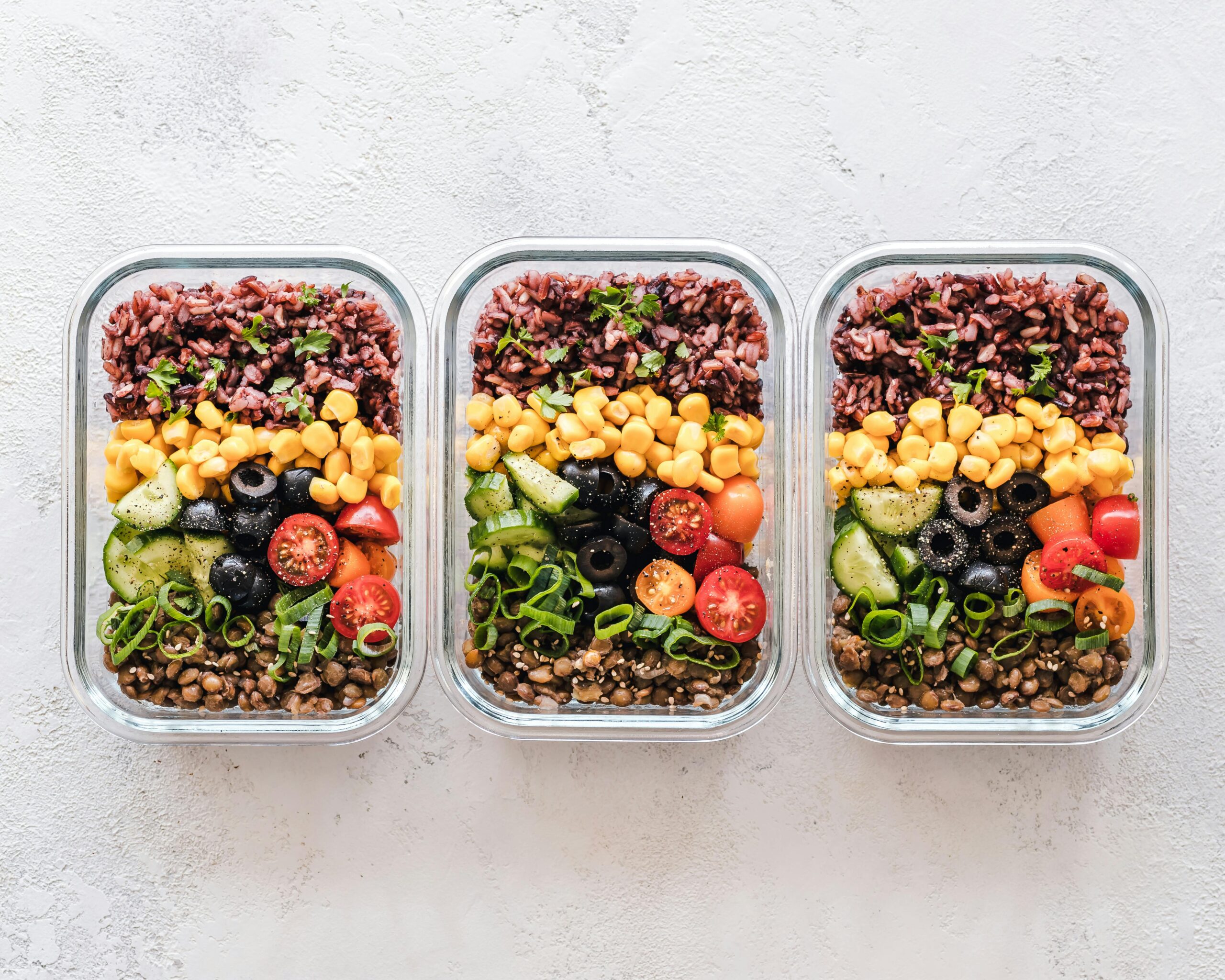
Bento-style boxes with multiple compartments prevent foods from mixing and keep ingredients fresh. These work beautifully for creating balanced meals with proteins, carbohydrates, and vegetables all in one convenient package.
Don’t overlook reusable utensils, napkins, and a compact cutting board. A small spork can be incredibly versatile, and collapsible food storage bags help with organization. For hot beverages or soups, a quality thermos becomes your best friend on chilly adventures.
🍞 Perfect Portable Breakfast Recipes
Overnight Oats Energy Jars
Overnight oats are the ultimate travel breakfast. Combine rolled oats with your choice of milk (dairy or plant-based), chia seeds, and sweetener in a mason jar. Add dried fruits, nuts, coconut flakes, or protein powder. These keep for 3-5 days refrigerated or can be made the night before your travel day.
The beauty of overnight oats is their versatility. Create different flavor profiles: apple cinnamon with diced dried apples and cinnamon, chocolate peanut butter with cocoa powder and PB, or tropical with dried mango and coconut. Each jar provides sustained energy for morning adventures.
Homemade Energy Bars
Skip expensive store-bought bars and make your own. Blend dates, nuts, oats, and your favorite add-ins like dark chocolate chips, dried cranberries, or pumpkin seeds. Press into a pan, refrigerate, then cut into bars. Wrap individually in parchment paper for easy grab-and-go breakfast or snacks.
These bars travel exceptionally well without refrigeration for several days and provide the perfect combination of quick and sustained energy. They’re also customizable for dietary preferences—make them vegan, gluten-free, or high-protein depending on your needs.
Egg Muffins for Protein Power
Whisk eggs with vegetables like spinach, bell peppers, and onions, then pour into muffin tins. Bake until set. These portable protein bombs can be eaten cold or at room temperature. While they should be refrigerated and consumed within 2-3 days, they’re perfect for the first days of your trip or kept in a cooler.
🥙 Satisfying Lunch and Dinner Options
Mediterranean Chickpea Salad
This refreshing, protein-packed salad improves with time as flavors meld. Combine canned chickpeas, diced cucumbers, cherry tomatoes, red onion, olives, and feta cheese. Dress with olive oil, lemon juice, garlic, and herbs. Store dressing separately until ready to eat for maximum freshness.
Chickpeas provide excellent plant-based protein and fiber, keeping you satisfied during long travel days. This salad doesn’t become soggy like lettuce-based options, making it ideal for adventures. Pair with whole-grain crackers or pita bread for a complete meal.
Asian-Inspired Noodle Jars
Layer cooked rice noodles, shredded carrots, edamame, purple cabbage, and grilled chicken or tofu in mason jars. Create a separate container with sesame-ginger dressing. When ready to eat, pour dressing over ingredients and shake. This stays fresh for 2-3 days refrigerated.
The compartmentalized approach prevents sogginess while creating an Instagram-worthy meal. These jars work equally well cold or can be emptied into a bowl and microwaved if facilities are available at your destination.
Hearty Grain Bowls
Cook a large batch of quinoa, brown rice, or farro. Portion into containers and top with roasted vegetables, beans, nuts, and a tahini or avocado-based dressing. These bowls are nutritionally complete and maintain their texture beautifully during travel.
Grain bowls are infinitely customizable. Create a Mexican-inspired version with black beans, corn, and salsa, or a Mediterranean bowl with roasted vegetables, hummus, and olives. The grains serve as the perfect foundation for whatever flavor profile you’re craving.
🥪 Sandwich and Wrap Strategies
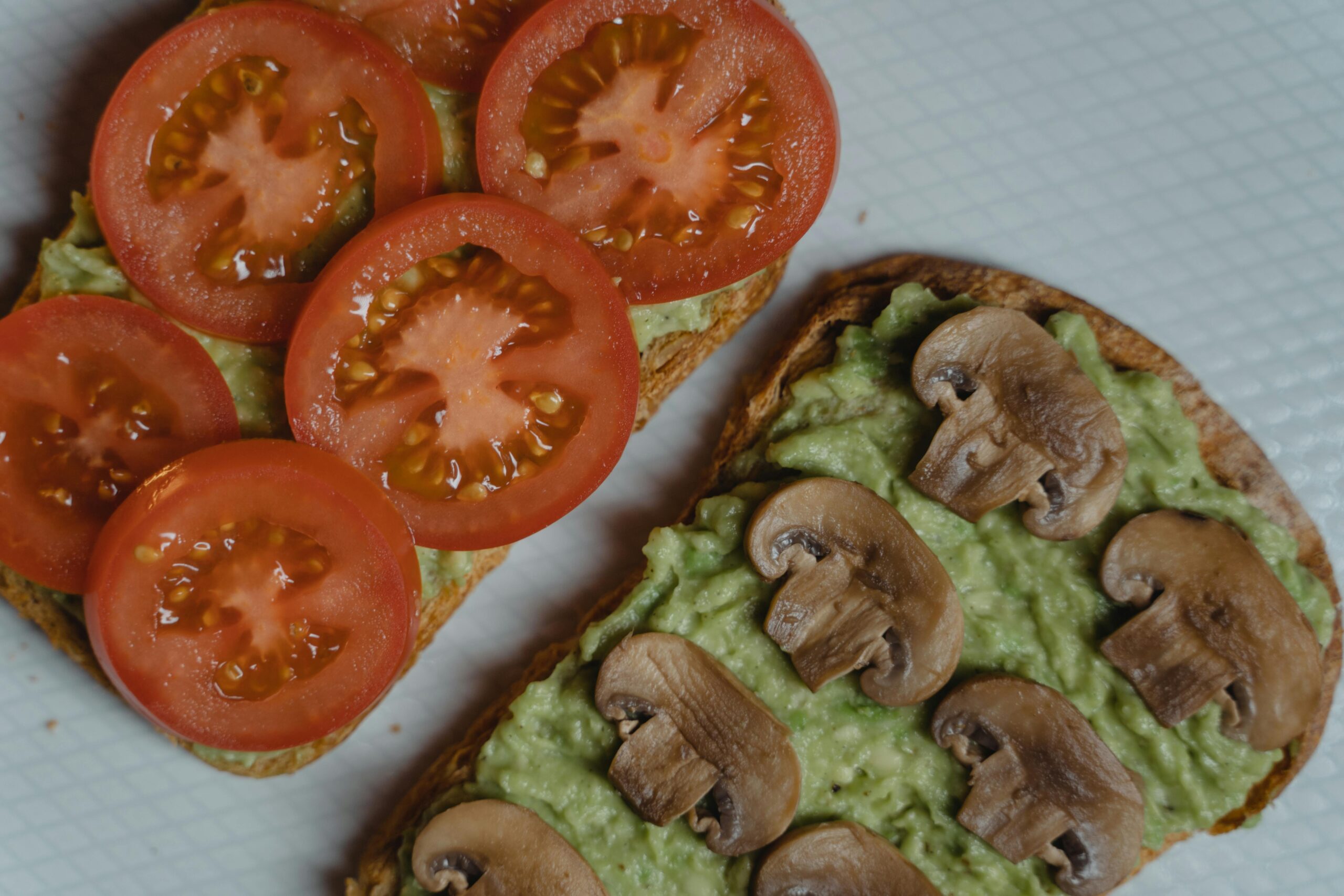
Sandwiches seem obvious for travel, but executed poorly, they become soggy disasters. The secret is strategic layering and ingredient selection. Start with hearty bread that won’t disintegrate—sourdough, ciabatta rolls, or quality wraps work best.
Create a moisture barrier by spreading condiments on both sides of the bread, then add cheese or lettuce leaves as additional barriers before adding wet ingredients like tomatoes. Pack tomatoes, pickles, or other wet items separately and add them just before eating.
Wraps filled with hummus, grilled vegetables, and falafel travel exceptionally well. The hummus acts as both flavor and moisture barrier. Roll tightly in parchment paper or aluminum foil to maintain shape and prevent unraveling during transit.
The Ultimate Turkey Club Wrap
Layer a whole wheat tortilla with a thin spread of cream cheese, turkey slices, crispy bacon (stays crispy when stored properly), lettuce, and a slice of cheese. Roll tightly and slice diagonally. The cream cheese helps everything stay together while adding creamy richness.
🍪 Snacks That Sustain Your Adventures
Strategic snacking prevents hunger-induced poor decisions and energy crashes. The best travel snacks combine protein, healthy fats, and complex carbohydrates for sustained energy without blood sugar spikes.
- Trail mix with nuts, seeds, dried fruit, and dark chocolate chips
- Nut butter packets paired with apple slices or whole grain crackers
- Roasted chickpeas seasoned with spices for a crunchy, protein-rich option
- Cheese cubes or string cheese (for cooler storage)
- Veggie sticks with individual hummus containers
- Popcorn seasoned with nutritional yeast for a cheesy, satisfying crunch
- Protein balls made from dates, nuts, and oats
Portion snacks into individual servings before your trip. This prevents overeating and makes it easy to grab exactly what you need. Small reusable silicone bags work perfectly for this purpose and reduce single-use plastic waste.
🌶️ Shelf-Stable Meal Prep Champions
For extended adventures where refrigeration isn’t available, focus on shelf-stable ingredients. Canned beans, tuna, salmon, and chicken provide protein. Tortillas, crackers, and instant rice or quinoa offer carbohydrates. Nut butters, nuts, and seeds supply healthy fats.
Create DIY instant noodle cups using mason jars. Add rice noodles, dehydrated vegetables, miso paste, and seasoning. When ready to eat, add boiling water and wait five minutes. These homemade versions are healthier and more flavorful than store-bought alternatives.
Dehydrated meals have come incredibly far. While backpackers have used them for years, they’re now perfect for any traveler. Many companies offer gourmet options, or you can dehydrate your own meals at home if you have a food dehydrator.
💧 Hydration and Beverage Prep
Staying hydrated during travel is just as important as nutrition. Bring a reusable water bottle and refill it at water fountains or ask restaurants for refills. Many airports now have water bottle filling stations past security.
Enhance plain water by adding fresh fruit slices, cucumber, or herbs before traveling. These infused waters provide subtle flavor and encourage increased consumption. Lemon, lime, strawberry, and mint are particularly refreshing combinations.
For coffee lovers, instant coffee packets or a portable pour-over system ensure you’re never without your morning ritual. Tea bags take virtually no space and provide variety. Electrolyte powder packets help replenish minerals lost during active adventures.
📅 Weekly Meal Prep Schedule for Travelers
Planning your meal prep timeline prevents last-minute stress. Three days before departure, create your meal plan and shopping list. Two days before, do your grocery shopping. The day before travel, dedicate 2-3 hours to cooking and packing.
Start with items that benefit from marinating or need longest cooking times. While grains cook, chop vegetables. Use your oven and stovetop simultaneously for efficiency. As items finish, let them cool completely before packing to prevent condensation and sogginess.
Label containers with contents and dates. This helps you consume items in optimal order and prevents confusion when you’re tired from traveling. Use a cooler for the first day’s meals, transitioning to shelf-stable options as ice melts.
🌍 Cultural Considerations and Local Ingredients
While meal prepping provides security, don’t let it prevent you from experiencing local cuisine. Use your prepped meals for practical situations—early mornings, long transit days, or remote locations—but embrace opportunities to try authentic regional foods.
Research your destination’s food culture beforehand. Some countries have restrictions on bringing in meat, dairy, or produce. Understanding these regulations prevents potential issues at customs. Focus on shelf-stable, commercially packaged items for international travel.
Consider your prepped meals as a base that allows you to splurge on special dining experiences without guilt. Knowing you have healthy, affordable options available removes pressure to eat out constantly while still enjoying culinary adventures.
♻️ Sustainability in Travel Meal Prep
Eco-conscious meal prep aligns with sustainable travel values. Choose reusable containers over disposables. Bring cloth napkins and proper utensils rather than relying on plastic alternatives. This reduces waste and often works better anyway.
Plan portions carefully to minimize food waste. Anything you don’t finish can often be composted at eco-lodges or environmentally focused accommodations. Freeze extra portions before travel—they’ll thaw during transit and help keep other items cold.
Source ingredients from bulk bins when possible to reduce packaging waste. Support local farmers markets before your trip for the freshest ingredients. These small choices collectively make significant environmental impact.
🏔️ Adapting Meal Prep for Different Adventure Types
Road Trip Meal Prep
Road trips offer the advantage of vehicle storage and potentially a cooler. Prepare meals that can be eaten with one hand while driving or during scenic pull-offs. Cut sandwiches into quarters, create snack boxes with variety, and pack wet wipes for easy cleanup.
Backpacking and Hiking Nutrition
Weight and space are premium considerations for backpacking. Focus on calorie-dense, lightweight options. Dehydrated meals, nut butters, energy bars, and trail mix provide maximum nutrition with minimal weight. Plan for approximately 3,000-4,000 calories per day for strenuous hiking.
Flight-Friendly Foods
TSA regulations allow solid foods through security, but liquids must follow the 3.4-ounce rule. Pack dressings and dips separately in TSA-compliant containers. Choose foods that won’t offend fellow passengers with strong odors—avoid tuna, hard-boiled eggs, or pungent cheeses in close quarters.
🎯 Troubleshooting Common Meal Prep Challenges
Even experienced meal preppers encounter obstacles. Soggy salads result from dressing added too early—always pack dressings separately. Dry sandwiches happen when bread isn’t properly protected—wrap tightly and add moisture-rich ingredients.
If foods freeze in your cooler, place a thin towel between ice packs and food containers. Conversely, if items aren’t staying cold enough, pre-freeze containers the night before and use more ice packs than you think necessary.
Boredom with repetitive meals is real. Combat this by preparing different flavor profiles and textures. Include crunchy, creamy, spicy, and mild options. Use different spice blends to create variety even when using similar base ingredients.
🍽️ Making Meal Prep a Sustainable Habit
Start small if meal prepping feels overwhelming. Prepare just breakfasts for your first trip, adding more meals as you gain confidence. Keep a travel meal prep kit with containers and utensils ready to go, reducing preparation time for future adventures.
Maintain a collection of favorite recipes that you know travel well. Document what worked and what didn’t after each trip. This personal database becomes invaluable, allowing you to meal prep efficiently based on proven successes.
Join online communities focused on travel meal prep for inspiration and tips. Sharing ideas and learning from others’ experiences accelerates your learning curve and keeps your meal prep exciting and varied.
Meal prep transforms travel from stressful to enjoyable by removing food uncertainty. With practice, you’ll develop systems that work perfectly for your travel style, dietary preferences, and adventure types. The initial time investment pays enormous dividends in money saved, stress reduced, and health maintained throughout your journeys. Your future traveling self will thank you for developing this valuable skill that enhances every adventure you undertake. 🌟