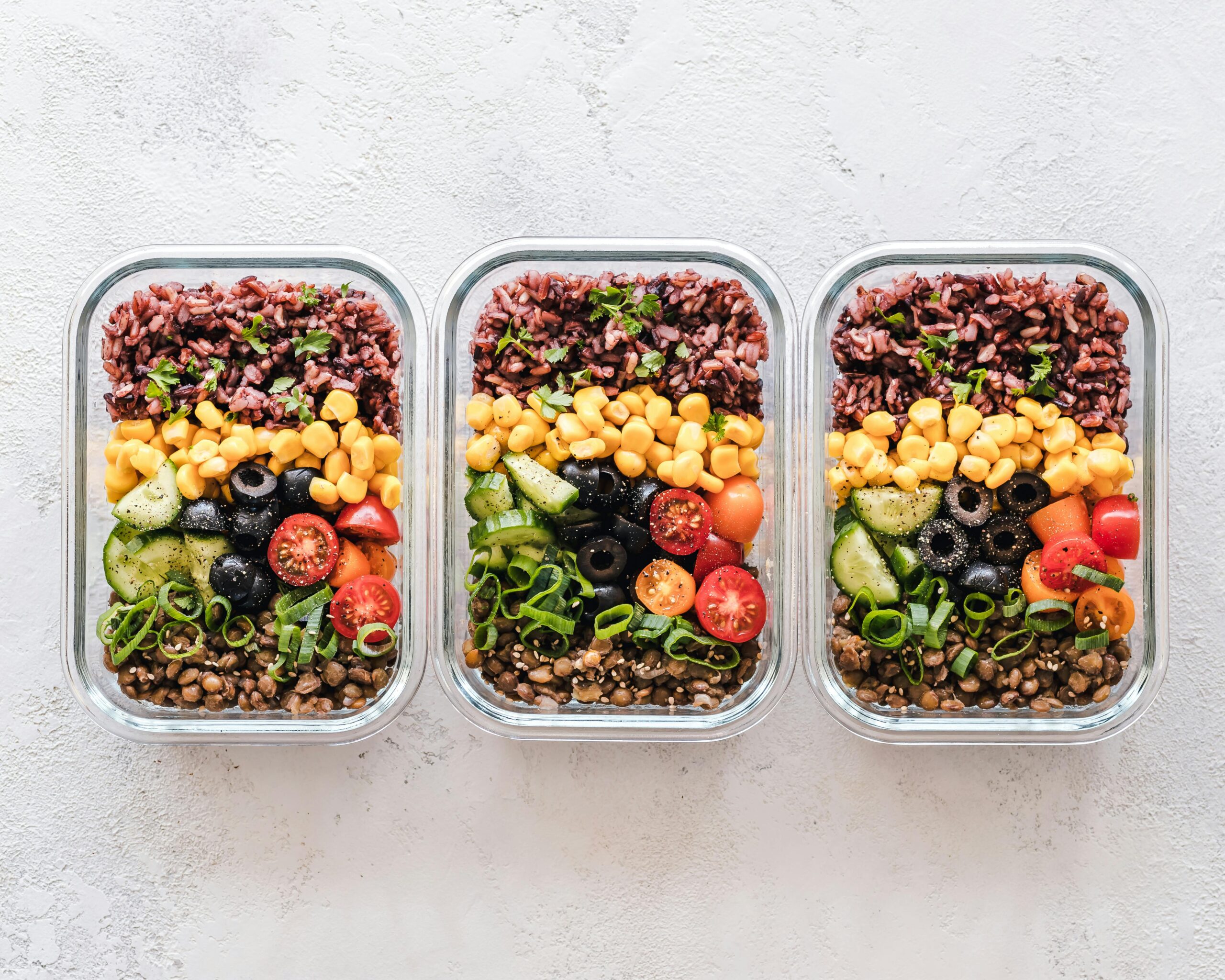
Lunch isn’t just a break from work—it’s a strategic tool that can dramatically transform your afternoon performance. The timing of your midday meal influences everything from mental clarity to sustained energy levels throughout your entire workday.

Most professionals underestimate how profoundly lunch timing affects their productivity, focus, and overall well-being. Whether you’re working from home, in an office, or managing a hybrid schedule, understanding the science behind meal timing can unlock unprecedented levels of performance and prevent the dreaded afternoon slump that derails so many workdays.
⏰ The Science Behind Optimal Lunch Timing
Your body operates on a complex circadian rhythm that governs not just sleep-wake cycles, but also digestive processes, hormone production, and cognitive performance. Research consistently shows that eating lunch between 12:00 PM and 1:00 PM aligns best with most people’s natural metabolic patterns, allowing for optimal digestion and sustained energy release.
When you consume food, your body redirects blood flow to the digestive system, which temporarily reduces cognitive function—a phenomenon often called “food coma” or postprandial somnolence. However, timing your lunch strategically can minimize this effect while maximizing the nutritional benefits that fuel your brain and body for hours afterward.
Studies from chronobiology research indicate that insulin sensitivity peaks during midday hours, meaning your body processes carbohydrates more efficiently when consumed during this window. This biological advantage translates directly into better blood sugar regulation, sustained energy levels, and improved mental performance throughout the afternoon.
Understanding Your Personal Chronotype
Not everyone functions on the same internal clock. Your chronotype—whether you’re naturally a morning person, night owl, or somewhere in between—significantly influences your ideal lunch timing. Morning larks who wake early and feel most energized before noon might benefit from an earlier lunch around 11:30 AM, while night owls may find their sweet spot closer to 1:00 PM or even 1:30 PM.
Pay attention to when you naturally feel hungry and when your energy typically dips. These signals provide valuable insights into your body’s preferred eating schedule. Forcing yourself to eat when you’re not hungry or delaying meals too long both create metabolic stress that undermines productivity.
🚫 Common Lunch Timing Mistakes That Sabotage Your Productivity
Many professionals inadvertently schedule their lunch in ways that guarantee afternoon energy crashes and reduced focus. Recognizing these patterns allows you to make strategic adjustments that compound positive results over time.
Eating Too Early Out of Convenience
Grabbing lunch at 11:00 AM because the cafeteria is less crowded might seem efficient, but it often backfires. Eating significantly before your body is physiologically ready can lead to incomplete satiation, triggering additional snacking later. More problematically, an 11:00 AM lunch leaves a six to seven-hour gap before dinner, creating a dangerous energy void during late afternoon when many important tasks require completion.
Skipping Lunch to “Power Through”
The misconception that skipping lunch saves time and maintains focus represents one of the most counterproductive habits in modern work culture. While you might feel mentally sharp initially due to stress hormones like cortisol and adrenaline, this state inevitably crashes. Research consistently demonstrates that working through lunch reduces afternoon productivity by 20-40%, far exceeding any time “saved.”
Your brain consumes approximately 20% of your body’s energy despite representing only 2% of body weight. Depriving it of midday fuel causes measurable declines in decision-making quality, problem-solving ability, and impulse control—precisely when you need these faculties most.
Eating Too Late and Disrupting Evening Rhythms
Delaying lunch past 2:00 PM might seem manageable, but it creates cascading problems throughout your day. A late lunch pushes dinner later, which interferes with evening digestion and sleep quality. Additionally, extended fasting during working hours often leads to poor food choices driven by intense hunger rather than nutritional wisdom.
🎯 Strategic Lunch Timing for Different Work Schedules
Your optimal lunch timing depends significantly on your work structure, responsibilities, and daily rhythm. Tailoring your approach to your specific situation yields far better results than following generic advice.
Traditional 9-to-5 Office Workers
For those working standard business hours, lunch between 12:00 PM and 12:30 PM typically proves ideal. This timing creates a natural dividing point in your workday, allowing morning momentum to carry through until midday, then providing fresh energy for afternoon tasks. Consider scheduling your most cognitively demanding work for late morning when focus peaks naturally, then use post-lunch hours for collaborative work, meetings, or tasks requiring less intense concentration.
Early Birds and Morning Shift Workers
If you start work at 6:00 AM or 7:00 AM, an 11:00 AM to 11:30 AM lunch makes physiological sense. Your body has been active longer, and metabolic needs arise earlier. Pair this earlier lunch with a substantial breakfast to ensure adequate fuel distribution across your working hours. A mid-afternoon healthy snack around 3:00 PM can bridge the gap to an earlier dinner.
Remote and Hybrid Professionals
Working from home offers unprecedented flexibility in meal timing but requires extra discipline. Without social cues from coworkers or designated lunch periods, many remote workers either graze continuously or forget to eat entirely. Establish a consistent lunch window—ideally between 12:00 PM and 1:00 PM—and protect it as zealously as you would an important meeting. This structure creates valuable boundaries between work and personal time even when both occur in the same physical space.
Shift Workers and Non-Traditional Schedules
For those working nights, rotating shifts, or irregular hours, the principle remains consistent: eat your main midpoint meal approximately halfway through your active period. If you work 10:00 PM to 6:00 AM, your “lunch” should occur around 2:00 AM to 3:00 AM. While this disrupts natural circadian patterns somewhat, maintaining consistent meal timing relative to your wake cycle helps minimize metabolic disruption.
🍽️ What to Eat and When: Coordinating Nutrition With Timing
Optimal lunch timing becomes even more powerful when paired with strategic food choices. The composition of your meal dramatically affects how you feel and perform in the hours that follow.
Macronutrient Balance for Sustained Energy
The ideal lunch combines complex carbohydrates, lean proteins, healthy fats, and fiber in proportions that support stable blood sugar. Aim for approximately 40% carbohydrates, 30% protein, and 30% healthy fats. This balance provides immediate energy from carbs while the protein and fat slow digestion, creating a sustained release of nutrients over several hours.
Avoid heavy, carbohydrate-dominant meals that spike blood sugar rapidly, as the subsequent insulin response causes the dreaded afternoon crash. Similarly, extremely high-protein or high-fat meals can feel too heavy, redirecting excessive blood flow to digestion and impairing mental clarity.
Foods That Enhance Focus and Cognition
Certain foods specifically support brain function when consumed at lunch. Fatty fish rich in omega-3s, leafy greens containing folate, blueberries packed with antioxidants, nuts providing vitamin E, and eggs offering choline all support neurotransmitter production and cognitive performance. Building your lunch around these brain-boosting ingredients creates compounding benefits over time.
Hydration: The Often-Forgotten Component
Even mild dehydration—as little as 1-2% below optimal hydration—impairs cognitive function, mood, and energy levels. Drinking 16-20 ounces of water with your lunch and maintaining consistent hydration throughout the day supports every aspect of productivity. However, avoid excessive fluid intake immediately before important tasks, as the distraction of frequent bathroom breaks undermines focus.
📱 Using Technology to Optimize Your Lunch Schedule
Modern technology offers powerful tools for establishing and maintaining optimal lunch timing. Strategic use of apps and digital systems transforms good intentions into consistent habits.
Meal Planning and Reminder Applications
Setting calendar reminders for lunch might seem unnecessary, but research on habit formation shows external cues dramatically increase consistency. Schedule a daily 12:30 PM “lunch appointment” with the same priority you’d give an important meeting. Over time, this external structure becomes internalized as an automatic habit.
Meal planning apps help you prepare nutritious lunches in advance, eliminating the decision fatigue that often leads to poor food choices or skipped meals. When you know exactly what you’re eating and have ingredients prepared, you’re far more likely to honor your optimal timing window.
Energy and Productivity Tracking
Apps that track energy levels, focus, and productivity throughout the day provide invaluable data for optimizing your lunch timing. By recording when you eat and correlating that with afternoon performance metrics, you can empirically determine your personal ideal lunch window rather than relying on generic recommendations.
💪 Creating a Sustainable Lunch Timing Routine
Knowledge means nothing without implementation. Transforming lunch timing insights into lasting habits requires strategic approach and realistic expectations.
Start With Consistency, Not Perfection
Rather than attempting to implement the “perfect” lunch timing immediately, begin by establishing consistency. Choose a 30-minute window—say 12:15 PM to 12:45 PM—and commit to eating lunch during this period for two weeks. Consistency matters more than precision when building new habits, as your body adapts to regular patterns and begins anticipating meals at expected times.
Gradual Adjustment Strategy
If your current lunch timing differs significantly from your target window, shift gradually by 15-30 minutes per week. Sudden, dramatic changes to eating schedules often fail because they create excessive hunger, energy fluctuations, and resistance. A gradual approach allows your metabolism, hormone production, and circadian rhythms to adapt smoothly.
Environmental Design for Success
Structure your environment to support optimal timing. If you work in an office, find lunch partners who eat during your target window. Social accountability dramatically increases adherence to new routines. At home, set up your workspace in a location separate from your kitchen, creating physical boundaries that prevent unconscious grazing while reinforcing intentional meal timing.
🔄 Adjusting Your Strategy Based on Results
Your ideal lunch timing isn’t static—it evolves with changing work demands, seasons, age, and life circumstances. Regular assessment ensures your strategy continues serving your needs.
Weekly Review and Adjustment
Dedicate ten minutes each Friday to reviewing your lunch timing and afternoon productivity for the week. Ask yourself: When did I feel most energized after lunch? When did the afternoon slump hit hardest? Were there patterns connecting meal timing with performance? These insights guide incremental optimizations that compound over months.
Seasonal Considerations
Your appetite, energy levels, and optimal eating times shift with seasons. During winter months with less daylight, you might benefit from a slightly earlier lunch around 11:45 AM, while summer’s extended daylight might shift your ideal timing to 12:30 PM or 1:00 PM. Honor these natural variations rather than rigidly adhering to a single schedule year-round.
🌟 The Compound Effect of Optimal Lunch Timing
The true power of strategic lunch timing emerges not from a single perfect meal, but from consistent daily practice over weeks and months. When you regularly fuel your body and brain at optimal times with appropriate nutrition, the cumulative effects transform your professional and personal life.
Professionals who master lunch timing report sustained energy throughout the afternoon, eliminating the 2:00 PM to 4:00 PM productivity dead zone that plagues so many workers. They make better decisions, communicate more effectively, and maintain focus during late-day tasks when others struggle with mental fog and fatigue.
Beyond immediate productivity gains, proper lunch timing supports better sleep quality, improved metabolic health, more stable moods, and reduced stress levels. These benefits create positive feedback loops—better sleep enhances daytime energy, which supports better food choices, which improves sleep further.

🎓 Your Personal Lunch Timing Experiment
Rather than accepting generic advice, commit to a personal 30-day experiment to discover your optimal lunch timing. Track three variables daily: when you eat lunch, what you consume, and your energy and focus levels at 2:00 PM, 4:00 PM, and 6:00 PM. After one month, clear patterns will emerge revealing your body’s preferences and ideal timing windows.
This data-driven approach removes guesswork and provides personalized insights far more valuable than any generic recommendation. Your body is the ultimate authority on what works best for you—the experiment simply helps you hear its signals more clearly.
Remember that optimal lunch timing isn’t about rigid rules or perfection. It’s about understanding principles, experimenting thoughtfully, and establishing sustainable patterns that support your energy, focus, and productivity. Small, consistent improvements in meal timing create disproportionately large improvements in daily performance and long-term wellbeing. Your midday meal represents far more than just food—it’s a strategic tool for crafting your ideal workday and, ultimately, your ideal life.