The way you time your evening meal can transform your entire night, affecting everything from sleep quality to energy levels and overall wellbeing. Understanding the science behind dinner timing isn’t just about following rules—it’s about creating harmony between your body’s natural rhythms and your daily schedule.

Most people give little thought to when they eat dinner, yet this simple decision ripples through countless aspects of health. From metabolism and digestion to mood and morning alertness, dinner timing acts as a cornerstone for balanced living that deserves more attention than it typically receives.
🕐 The Science Behind Optimal Dinner Timing
Your body operates on a circadian rhythm, an internal clock that regulates countless biological processes throughout the day. This rhythm significantly influences how efficiently your body processes food, with digestion working most effectively during daylight hours when your metabolism naturally peaks.
Research consistently shows that eating earlier in the evening aligns better with your body’s natural digestive capabilities. When you consume food later at night, your metabolism has already begun slowing down for sleep, making it harder to process nutrients efficiently and potentially leading to uncomfortable symptoms like bloating, acid reflux, and disrupted sleep patterns.
The pancreas, liver, and digestive enzymes all follow circadian patterns, meaning they’re primed for action earlier in the day. Evening meals consumed too late force these organs to work during their natural rest period, creating metabolic confusion that can contribute to weight gain, insulin resistance, and other health challenges over time.
Finding Your Perfect Dinner Window 🎯
While general guidelines suggest eating dinner between 6:00 PM and 7:30 PM, the truly optimal timing depends on several personal factors. Your work schedule, exercise routine, sleep time, and individual metabolism all play crucial roles in determining when you should eat your evening meal.
The golden rule involves creating a three-hour buffer between your last meal and bedtime. This window allows your body adequate time to begin the digestive process before you lie down, reducing the likelihood of acid reflux, indigestion, and sleep disturbances that commonly plague late-night eaters.
Calculating Your Ideal Dinner Time
Start by identifying your target bedtime, then work backward. If you aim to sleep by 10:00 PM, finishing dinner by 7:00 PM gives your digestive system the head start it needs. However, this isn’t a rigid prescription—listen to your body and adjust accordingly based on hunger levels and how you feel.
Early risers who wake at 5:00 AM might naturally feel hungry for dinner by 5:30 PM, while night owls who sleep past midnight may find 8:00 PM more realistic. The key isn’t matching an arbitrary clock time but rather honoring the relationship between your eating and sleeping schedules.
Benefits of Strategic Dinner Timing ✨
Mastering your dinner timing unlocks numerous health advantages that extend far beyond simple convenience. When you consistently eat at optimal times, your body develops predictable patterns that enhance overall functioning and wellbeing.
Improved Sleep Quality
Perhaps the most immediate benefit comes in sleep improvement. Eating dinner earlier prevents your digestive system from working overtime while you’re trying to rest. You’ll fall asleep faster, experience fewer nighttime awakenings, and wake feeling more refreshed and energized for the day ahead.
Better Weight Management
Studies demonstrate that people who eat dinner earlier tend to maintain healthier weights compared to late-night eaters consuming the same calories. This happens because your metabolism processes food more efficiently earlier in the evening, and you’re less likely to mindlessly snack before bed when dinner satisfies you hours before sleep.
Enhanced Digestive Comfort
Giving your digestive system adequate processing time before lying horizontal dramatically reduces acid reflux, heartburn, and bloating. Your stomach can work with gravity on its side, making digestion smoother and more comfortable throughout the evening hours.
Stabilized Blood Sugar
Eating dinner at consistent, earlier times helps regulate blood sugar levels and insulin response. This stability reduces late-night cravings, prevents energy crashes, and contributes to long-term metabolic health that protects against diabetes and other chronic conditions.
Common Dinner Timing Challenges and Solutions 🔧
Understanding optimal dinner timing is straightforward, but implementation often presents real-world obstacles. Work schedules, family commitments, social events, and personal preferences can all complicate even the best-laid plans for perfectly timed evening meals.
The Late Work Schedule Dilemma
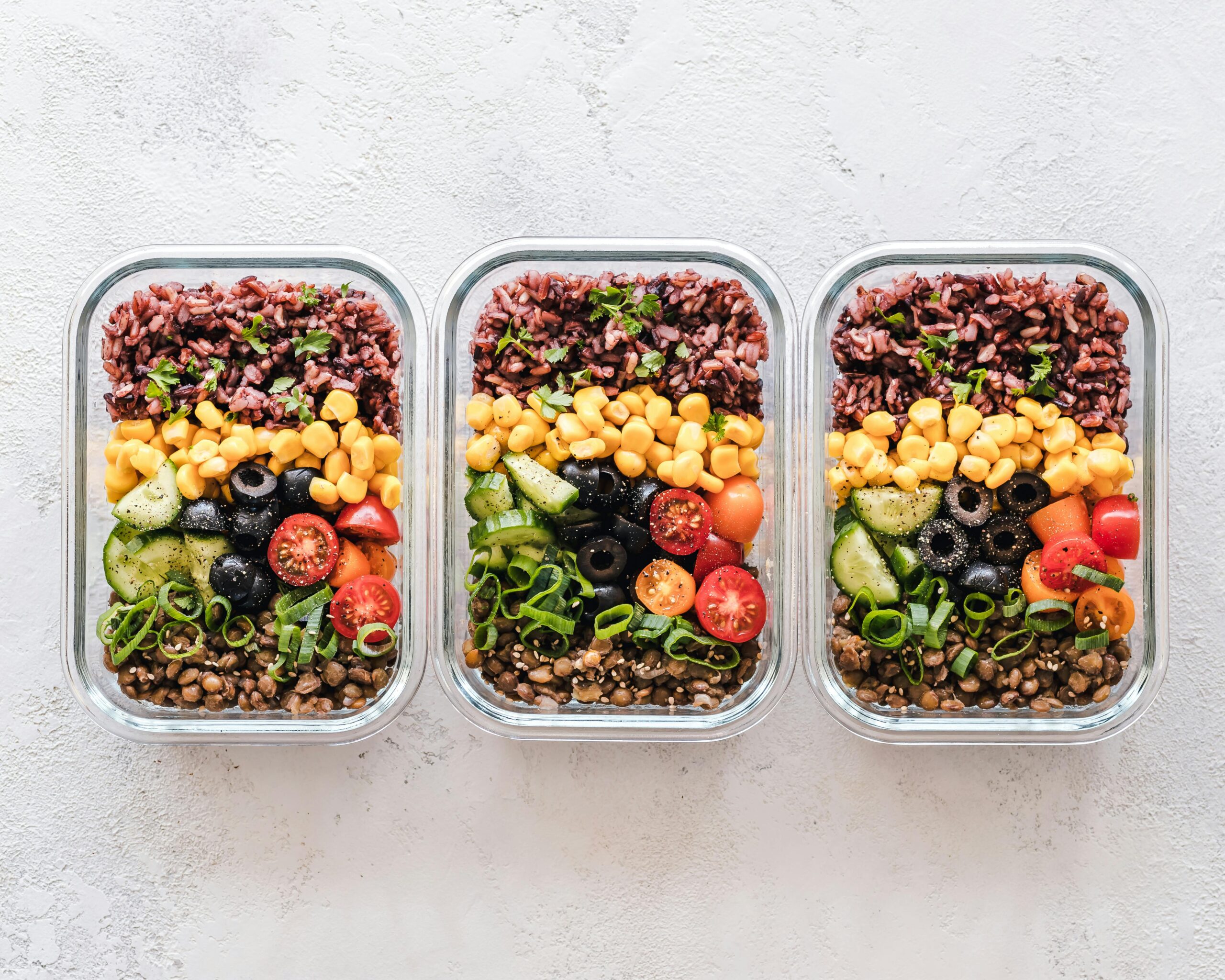
Many professionals don’t arrive home until 7:00 PM or later, making early dinners seem impossible. The solution involves strategic meal planning: prep dinner components during weekends, use slow cookers that have meals ready when you walk in, or eat a substantial late-afternoon snack followed by a lighter evening meal.
Consider having your largest meal at lunch when possible, then enjoying a smaller, easily digestible dinner even if it’s somewhat late. This approach, known as front-loading your calories, aligns better with circadian rhythms regardless of your dinner hour.
Social and Family Considerations
Family dinners often happen later to accommodate everyone’s schedules, while social events rarely respect optimal eating windows. Rather than sacrificing these important connections, aim for consistency on typical days while allowing flexibility for special occasions without guilt.
When you know a late dinner is coming, adjust your lunch timing and size accordingly. Eat a lighter lunch slightly later, which naturally shifts your hunger signals and makes a 8:00 PM or 9:00 PM dinner feel more comfortable and appropriate.
Exercise Timing Complications
Evening exercisers face unique challenges since working out on a full stomach feels uncomfortable, yet eating too late after exercise disrupts sleep. The solution involves timing your workout to finish about 90 minutes before your target bedtime, allowing time for a post-workout meal that still respects the three-hour pre-sleep buffer.
Alternatively, have a small pre-workout snack around 5:00 PM, exercise from 6:00-7:00 PM, then eat your main dinner by 7:30 PM. This schedule provides fuel for your workout without forcing late-night eating that compromises sleep quality.
Building Your Personalized Dinner Schedule 📅
Creating a dinner timing strategy that actually works requires honest assessment of your lifestyle, priorities, and natural rhythms. Cookie-cutter approaches fail because everyone’s circumstances differ significantly, demanding customized solutions that honor individual realities.
Track Your Current Patterns
Spend one week recording when you eat dinner, when you feel hungry, when you go to bed, and how well you sleep. This data reveals patterns you might not consciously recognize, providing baseline information that guides your optimization efforts.
Note which evenings you feel most energized the following morning and identify any correlations with dinner timing. These personal insights often prove more valuable than generalized advice because they reflect your unique physiology and circumstances.
Gradual Implementation Strategy
Abrupt changes rarely stick, so shift your dinner time gradually if it’s currently quite late. Move it 15 minutes earlier each week until you reach your target window. This gentle approach allows your appetite hormones and circadian rhythms to adjust without the shock of sudden dramatic changes.
Your body needs time to adapt, and rushing the process often leads to uncomfortable hunger, poor compliance, and eventual abandonment of your timing goals. Patience during implementation creates sustainable habits that become effortless over time.
What to Eat for Evening Success 🍽️
Dinner timing isn’t the only factor—what you eat matters tremendously too. Certain foods support restful evenings and quality sleep, while others sabotage your efforts regardless of when you consume them.
Evening-Friendly Foods
Complex carbohydrates like sweet potatoes, quinoa, and brown rice promote serotonin production, helping you feel calm and relaxed as evening progresses. Lean proteins such as chicken, fish, or plant-based alternatives provide steady energy without the digestive burden of heavy red meats.
Incorporate vegetables abundantly, particularly leafy greens and cruciferous varieties that deliver nutrients without excessive calories or digestive stress. Foods rich in magnesium—spinach, pumpkin seeds, and black beans—actively support better sleep quality through their relaxation-promoting properties.
Foods to Avoid at Dinner
Caffeine seems obvious but often hides in unexpected places like chocolate desserts, certain teas, and coffee-flavored treats. Even consumed hours before bed, caffeine’s half-life can disrupt sleep architecture and prevent the deep rest your body requires.
Heavy, fatty meals tax your digestive system extensively, requiring hours of intensive processing that interferes with sleep. Spicy foods, while delicious, frequently trigger acid reflux when you lie down, and excessive alcohol disrupts sleep cycles despite initially making you drowsy.
Special Considerations for Different Lifestyles 🌟
Various life circumstances demand tailored approaches to dinner timing. What works for a nine-to-five office worker differs dramatically from shift workers, parents with young children, or those managing specific health conditions.
Shift Workers and Irregular Schedules
People working night shifts or rotating schedules face unique challenges since their circadian rhythms constantly adjust. The principle remains the same—eat your main meal during your active period and maintain at least three hours between eating and sleeping, regardless of what time that actually occurs.
Consistency becomes even more critical with irregular schedules. When your shifts change, gradually adjust meal timing alongside your sleep schedule to help your body adapt more smoothly to these demanding transitions.
Parents with Young Children
Families with small children often eat earlier by necessity, which accidentally optimizes dinner timing. The challenge comes with maintaining this schedule as children age and activities multiply. Protect early family dinners as non-negotiable time that benefits everyone’s health and strengthens family bonds simultaneously.
Managing Health Conditions
Certain medical conditions like diabetes, GERD, or metabolic disorders make dinner timing particularly crucial. Work with healthcare providers to determine optimal eating windows that support medication schedules and manage symptoms effectively while respecting general circadian principles.
Technology and Tools for Timing Success 📱
Modern technology offers helpful support for establishing and maintaining optimal dinner timing habits. Various apps and tools can remind you when to start cooking, track your eating patterns, and provide accountability that strengthens your commitment.
Meal planning apps help you organize weekly menus and prep schedules, ensuring dinner components are ready when you need them. Simple smartphone alarms can prompt you to begin cooking at your target time, preventing the common drift toward later meals that happens when you get absorbed in evening activities.
Habit-tracking applications let you monitor consistency over time, revealing patterns and celebrating streaks that motivate continued adherence. Seeing visual representations of your progress provides powerful reinforcement that abstract intentions cannot match.
Creating Your Evening Routine Architecture 🏗️
Dinner timing doesn’t exist in isolation—it forms one component of a comprehensive evening routine that sets up your entire night for success. Strategic sequencing of evening activities creates natural flow that feels effortless rather than forced.
Consider this sample evening architecture: arrive home by 5:30 PM, change clothes and decompress for 15 minutes, begin cooking by 6:00 PM, eat dinner by 6:45 PM, clean up by 7:15 PM, engage in relaxing activities until 9:00 PM, begin wind-down routine, and sleep by 10:00 PM.
This structure provides the three-hour buffer between eating and sleeping while allowing time for connection, leisure, and proper preparation for restful sleep. Adjust the specific times to match your schedule, but maintain the proportional spacing between activities.
Post-Dinner Activity Guidelines
What you do after dinner significantly impacts how well you digest and how quickly you can fall asleep. Light walking aids digestion beautifully, while intense exercise disrupts the digestive process and energizes you when you should be winding down.
Engaging activities like challenging mental work, heated discussions, or stimulating entertainment can interfere with your natural transition toward sleep. Save demanding tasks for earlier in the day and reserve post-dinner hours for gentler pursuits that support rather than fight your body’s evening trajectory.
Measuring Your Success and Adjusting Course 📊
Track specific markers to evaluate whether your dinner timing strategy is working effectively. Sleep quality stands as the primary indicator—are you falling asleep faster, staying asleep longer, and waking feeling refreshed? Improved sleep signals successful timing alignment.
Monitor your energy levels throughout the following day, particularly mid-morning and mid-afternoon. Stable energy without crashes suggests your dinner timing supports healthy metabolism and blood sugar regulation. Notice whether digestive comfort improves, with less bloating, heartburn, or abdominal discomfort during evening hours.
Weight management provides another useful metric, though changes occur gradually. Over weeks and months, optimal dinner timing often contributes to easier weight maintenance or loss, even without other dietary changes, because it works with rather than against your metabolic rhythms.
Sustaining Long-Term Success 🎯
Initial enthusiasm makes starting easy, but maintaining optimal dinner timing over months and years requires different strategies. Build flexibility into your approach, recognizing that occasional late dinners for special occasions won’t derail your progress if you return to your routine the next day.
Prepare for predictable obstacles by developing contingency plans. Know your go-to quick meals for unexpectedly late evenings. Identify healthy takeout options that save time without sabotaging your health. Stock your freezer with nutritious prepared meals that require minimal effort when life gets chaotic.
Connect your dinner timing practice to larger health goals and values. When you understand that this simple habit supports better sleep, more energy, improved mood, and long-term disease prevention, maintaining it becomes easier because it aligns with what truly matters to you.

Transform Your Nights Starting Today 🌙
Mastering your dinner timing represents one of the most accessible yet powerful changes you can make for better health. Unlike complex diet overhauls or demanding exercise programs, simply shifting when you eat requires no special equipment, minimal planning, and delivers noticeable benefits within days.
Start tonight by moving dinner just 30 minutes earlier than usual. Notice how you feel as evening progresses and when you wake tomorrow morning. This small experiment provides personal data that no article can offer, revealing how your unique body responds to strategic timing adjustments.
Remember that perfection isn’t the goal—consistency and general adherence create results. Most evenings following your optimal timing pattern, with occasional flexibility for life’s special moments, creates the balanced approach that transforms temporary changes into permanent lifestyle improvements that serve you for decades to come.