As a student, the way you fuel your body directly impacts your academic performance, focus, and overall well-being. Understanding when and what to eat can transform your study sessions from sluggish struggles into productive powerhouses.

The connection between nutrition timing and cognitive function isn’t just about eating healthy foods—it’s about strategically planning your meals to match your brain’s energy demands throughout the day. By mastering your meal timing, you’ll unlock sustained energy levels, improved concentration, and better academic results that last beyond exam season.
🧠 The Science Behind Meal Timing and Brain Performance
Your brain consumes approximately 20% of your body’s total energy, despite representing only 2% of your body weight. This energy-hungry organ relies on a steady supply of glucose to function optimally, making meal timing crucial for maintaining peak cognitive performance throughout your study schedule.
When you eat affects your circadian rhythm, hormone production, and metabolic processes. Research shows that irregular eating patterns can disrupt your body’s internal clock, leading to decreased alertness, poor memory consolidation, and reduced problem-solving abilities—all critical factors for student success.
Understanding Your Energy Cycles
Your body operates on ultradian rhythms, experiencing natural energy peaks and valleys throughout the day. Most students experience their highest alertness levels between 10 AM and 2 PM, with a secondary peak around 6 PM. Aligning your meal schedule with these natural cycles helps maintain steady energy levels when you need them most.
The post-lunch dip, commonly experienced between 2 PM and 4 PM, isn’t just about what you ate for lunch—it’s a natural biological rhythm. However, poor meal choices can dramatically worsen this slump, turning a mild energy dip into a productivity black hole.
⏰ Strategic Breakfast: Setting Your Day for Success
The debate about breakfast being the most important meal has scientific backing, especially for students. Breaking your overnight fast properly determines your glucose levels, mood stability, and cognitive performance for the next several hours.
A well-planned breakfast should combine complex carbohydrates, protein, and healthy fats to provide sustained energy release. This combination prevents the mid-morning energy crash that sends many students reaching for sugary snacks or extra coffee.
Optimal Breakfast Timing
Aim to eat breakfast within one hour of waking up to kickstart your metabolism and stabilize blood sugar levels. If you have early morning classes, eating 30-45 minutes before leaving gives your body time to begin digestion while ensuring you’re not uncomfortably full during lectures.
For students who aren’t naturally hungry in the morning, starting with something light like a banana with nut butter or a small smoothie can train your body to expect and utilize morning fuel more effectively over time.
Power Breakfast Components
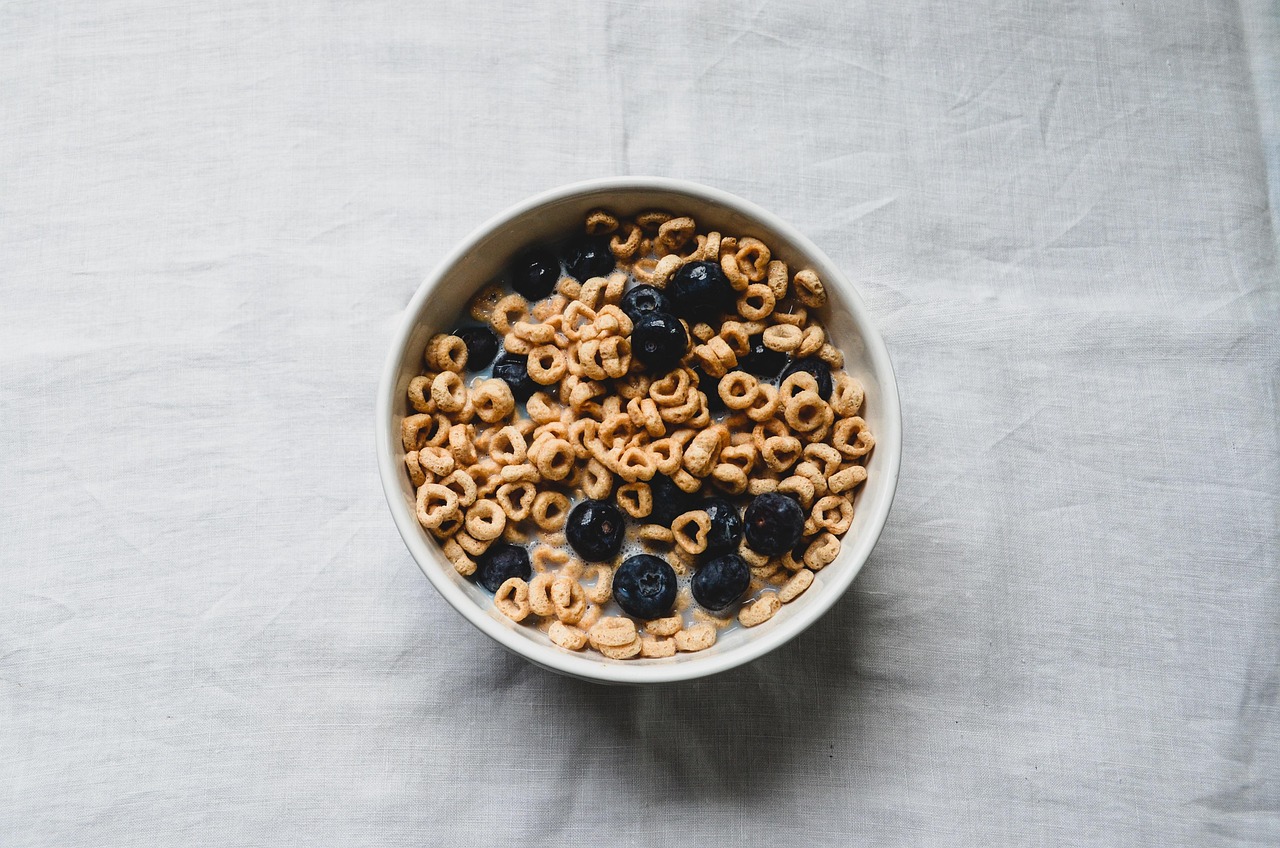
- Whole grain oats with berries and nuts for sustained energy
- Greek yogurt with granola and fresh fruit for protein and probiotics
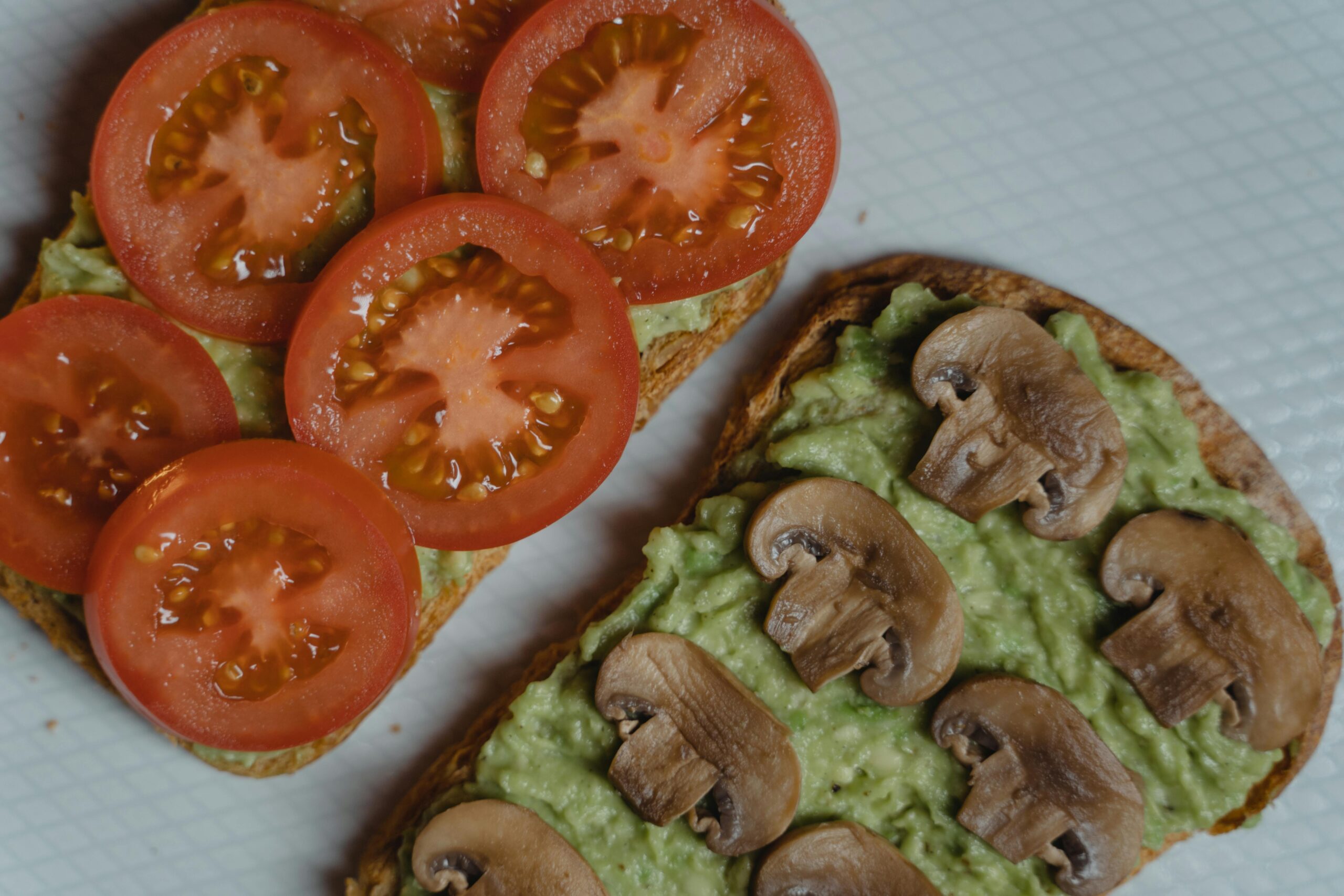
- Whole wheat toast with avocado and eggs for healthy fats and protein
- Smoothie bowls with spinach, banana, protein powder, and seeds
- Quinoa porridge with cinnamon and almond butter for alternative grains
📚 Pre-Study Nutrition: Fueling Your Focus Sessions
What you eat before intensive study sessions significantly impacts your concentration, memory retention, and mental stamina. The goal is to provide your brain with steady fuel without causing digestive discomfort that diverts blood flow from your brain to your stomach.
Timing your pre-study meal or snack requires consideration of the meal size and composition. A larger meal needs 2-3 hours for initial digestion, while a smaller snack can be consumed 30-60 minutes before studying.
The 90-Minute Rule
For optimal cognitive performance, eat a balanced meal approximately 90 minutes before beginning serious study work. This timing allows your body to process the food and deliver nutrients to your brain without the sluggishness associated with active digestion.
If you need to study immediately, choose easily digestible snacks that provide quick energy without overloading your system. Think apple slices with almond butter, a handful of trail mix, or whole grain crackers with hummus.
🍽️ Lunch Strategies: Avoiding the Afternoon Slump
Your midday meal is perhaps the most critical for maintaining afternoon productivity. Poor lunch choices are the primary culprit behind the notorious post-lunch energy crash that derails countless study sessions and afternoon classes.
The key to a productive afternoon lies in balancing your lunch macronutrients while avoiding excessive portions and refined carbohydrates. Heavy, carb-loaded meals trigger a cascade of insulin release followed by a dramatic blood sugar drop, leaving you foggy and fatigued.
Building the Perfect Student Lunch
Structure your lunch around lean proteins, colorful vegetables, whole grains, and healthy fats. This combination provides sustained energy while keeping portion sizes manageable. A palm-sized portion of protein, two fists of vegetables, a cupped handful of whole grains, and a thumb-sized portion of healthy fats creates the ideal balance.
| Component | Examples | Benefits |
|---|---|---|
| Lean Protein | Grilled chicken, fish, tofu, legumes | Sustained energy, amino acids for neurotransmitters |
| Complex Carbs | Brown rice, quinoa, sweet potato, whole wheat | Steady glucose release, fiber for satiety |
| Vegetables | Leafy greens, peppers, broccoli, carrots | Vitamins, minerals, antioxidants |
| Healthy Fats | Avocado, olive oil, nuts, seeds | Brain health, nutrient absorption, satisfaction |
🥤 Hydration: The Overlooked Performance Enhancer
Even mild dehydration of 1-2% can impair cognitive function, reduce concentration, and increase fatigue. Yet most students are chronically under-hydrated, mistaking thirst for hunger or simply forgetting to drink water during intense study periods.
Your brain is approximately 75% water, and maintaining optimal hydration is essential for neurotransmitter production, nutrient delivery, and waste removal. Water also helps regulate body temperature and supports every cellular function in your body.
Strategic Hydration Schedule
Start your day with a large glass of water immediately upon waking to rehydrate after the overnight fast. Aim to consume roughly half your body weight in ounces throughout the day, distributed evenly rather than gulping large amounts infrequently.
Keep a reusable water bottle at your study desk and set reminders to take regular sips. Drinking water before feeling thirsty is ideal, as thirst signals that you’re already mildly dehydrated.
☕ Caffeine Timing: Maximizing Benefits, Minimizing Crashes
Coffee and tea are staples of student life, but timing your caffeine intake strategically makes the difference between enhanced focus and jittery anxiety followed by exhaustion. Understanding caffeine’s half-life and interaction with your natural cortisol rhythms optimizes its benefits.
Caffeine takes about 30-45 minutes to reach peak effectiveness and has a half-life of 5-6 hours, meaning half the caffeine from your morning coffee is still in your system by mid-afternoon. This timing affects both its performance-enhancing effects and potential sleep disruption.
The Cortisol Connection
Your body naturally produces cortisol, a wake-promoting hormone, with peaks between 8-9 AM, noon-1 PM, and 5:30-6:30 PM. Consuming caffeine during these natural peaks reduces its effectiveness and can lead to tolerance buildup. Instead, time your caffeine intake between these windows for maximum benefit.
Avoid caffeine after 2 PM if you’re sensitive to its effects or struggle with sleep. Quality sleep is non-negotiable for memory consolidation and learning, so sacrificing tonight’s rest for this afternoon’s study session creates a counterproductive cycle.
🌙 Evening Eating: Supporting Sleep and Recovery
Your dinner timing and composition directly impact sleep quality, which in turn affects next-day cognitive performance, memory consolidation, and learning capacity. Late-night eating, especially heavy or spicy foods, interferes with your body’s natural transition to rest mode.
Aim to finish dinner at least 3 hours before bedtime, allowing adequate digestion time. This window prevents acid reflux, reduces overnight blood sugar fluctuations, and allows your body to focus on repair and regeneration rather than digestion during sleep.
Sleep-Promoting Dinner Strategies
Include foods rich in tryptophan, magnesium, and complex carbohydrates in your evening meal. These nutrients support melatonin production and promote relaxation. Turkey, salmon, nuts, seeds, whole grains, and leafy greens are excellent evening choices.
Keep evening portions moderate—overeating at dinner disrupts sleep architecture and leaves you sluggish the following morning. If you need a pre-bed snack, choose light options like a small banana with almond butter or a handful of walnuts consumed at least an hour before sleep.
🍫 Strategic Snacking: Smart Choices Between Meals
Snacking gets a bad reputation, but strategic snacking between meals maintains stable blood sugar levels and prevents the energy crashes that derail study sessions. The key is choosing nutrient-dense snacks that combine protein, healthy fats, and fiber.
Plan your snacks proactively rather than reaching for whatever is convenient when hunger strikes. Preparing healthy options in advance—portioned nuts, cut vegetables with hummus, fruit and cheese combinations—prevents impulsive choices of processed, sugar-laden alternatives.
Brain-Boosting Snack Ideas
- Mixed nuts and dark chocolate for antioxidants and healthy fats
- Apple slices with peanut butter for fiber and protein
- Greek yogurt with berries for probiotics and vitamins
- Hummus with vegetable sticks for plant protein and fiber
- Hard-boiled eggs for complete protein and choline
- Trail mix with seeds and dried fruit for sustained energy
📱 Using Technology to Track Your Eating Patterns
Modern technology offers powerful tools to help students optimize their meal timing and nutritional intake. Meal planning apps, hydration reminders, and nutrition trackers can build awareness of eating patterns and identify areas for improvement.
Apps like MyFitnessPal help track not just what you eat but when you eat it, revealing patterns between meal timing and your energy levels or academic performance. Setting simple reminders for meal times and hydration can establish consistent routines that become automatic over time.
🎯 Creating Your Personalized Meal Timing Blueprint
While general principles apply to most students, your optimal meal timing depends on your class schedule, natural chronotype, exercise routine, and individual metabolism. Creating a personalized blueprint requires experimentation and attention to how different timing strategies affect your energy and performance.
Start by tracking your current eating patterns and corresponding energy levels for one week. Note when you feel most alert, when energy dips occur, and what you ate in the hours preceding these periods. This data reveals your personal patterns and highlights opportunities for improvement.
Building Sustainable Habits
Sustainable meal timing isn’t about perfection—it’s about consistent patterns that support your goals without creating stress or restriction. Begin by implementing one or two changes at a time, such as eating breakfast within an hour of waking or stopping caffeine after 2 PM.
Allow 2-3 weeks for each new habit to feel natural before adding another change. This gradual approach creates lasting behavioral shifts rather than overwhelming yourself with too many simultaneous adjustments that you can’t maintain.
💪 Exam Season: Adjusting Your Strategy
High-stress periods like exam season require special attention to meal timing and composition. Stress hormones affect appetite, digestion, and nutrient absorption, making it even more crucial to maintain regular eating patterns when you’re most tempted to skip meals or rely on convenience foods.
During intense study periods, set non-negotiable meal times just as you would important appointments. Brief eating breaks actually enhance productivity by giving your brain necessary rest periods and ensuring consistent fuel supply for extended concentration demands.
Quick Exam-Week Meals
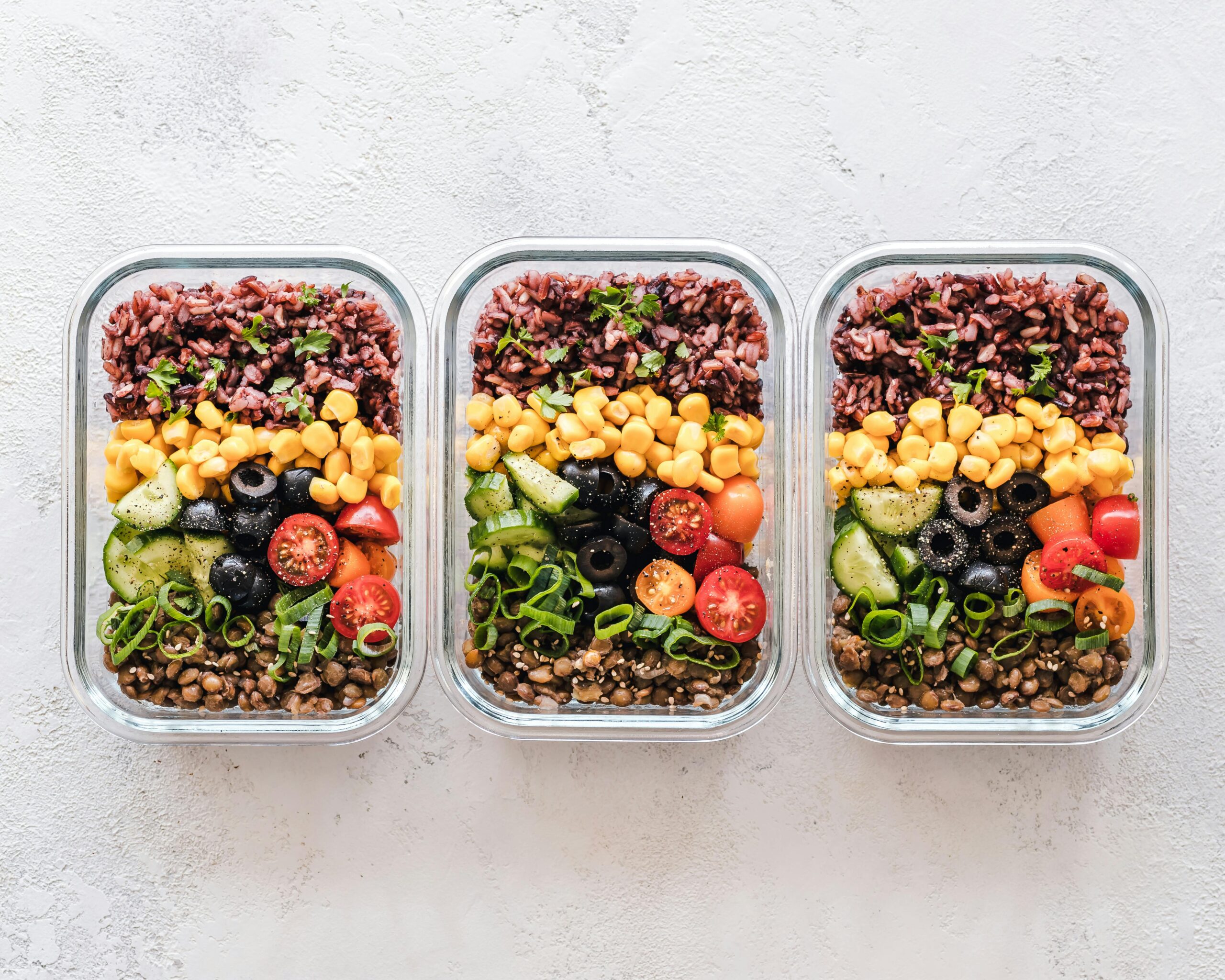
Prepare grab-and-go options that require minimal time but provide maximum nutrition. Overnight oats, pre-made salads in jars, batch-cooked grain bowls, and portioned snacks eliminate decision fatigue while ensuring you maintain proper nutrition during critical study times.
Keep emergency energy supplies like nuts, dried fruit, whole grain crackers, and nut butter accessible during study marathons. These options prevent the desperation that leads to vending machine reliance or meal skipping entirely.
🌟 Long-Term Success: Beyond Just Exam Performance
Mastering meal timing delivers benefits far beyond improved test scores. These habits establish patterns that support lifelong health, energy management, and performance optimization in whatever career path you choose after graduation.
The metacognitive skills you develop—understanding your body’s signals, planning proactively, and making strategic choices—translate directly to professional success. Learning to fuel yourself effectively is an investment in your long-term wellbeing and productivity.
Remember that optimal meal timing is a skill that improves with practice and self-awareness. Start with the foundational strategies outlined here, adjust based on your personal responses, and be patient with yourself as you develop new habits. Your academic success, energy levels, and overall health will reflect the care you invest in mastering your meals.