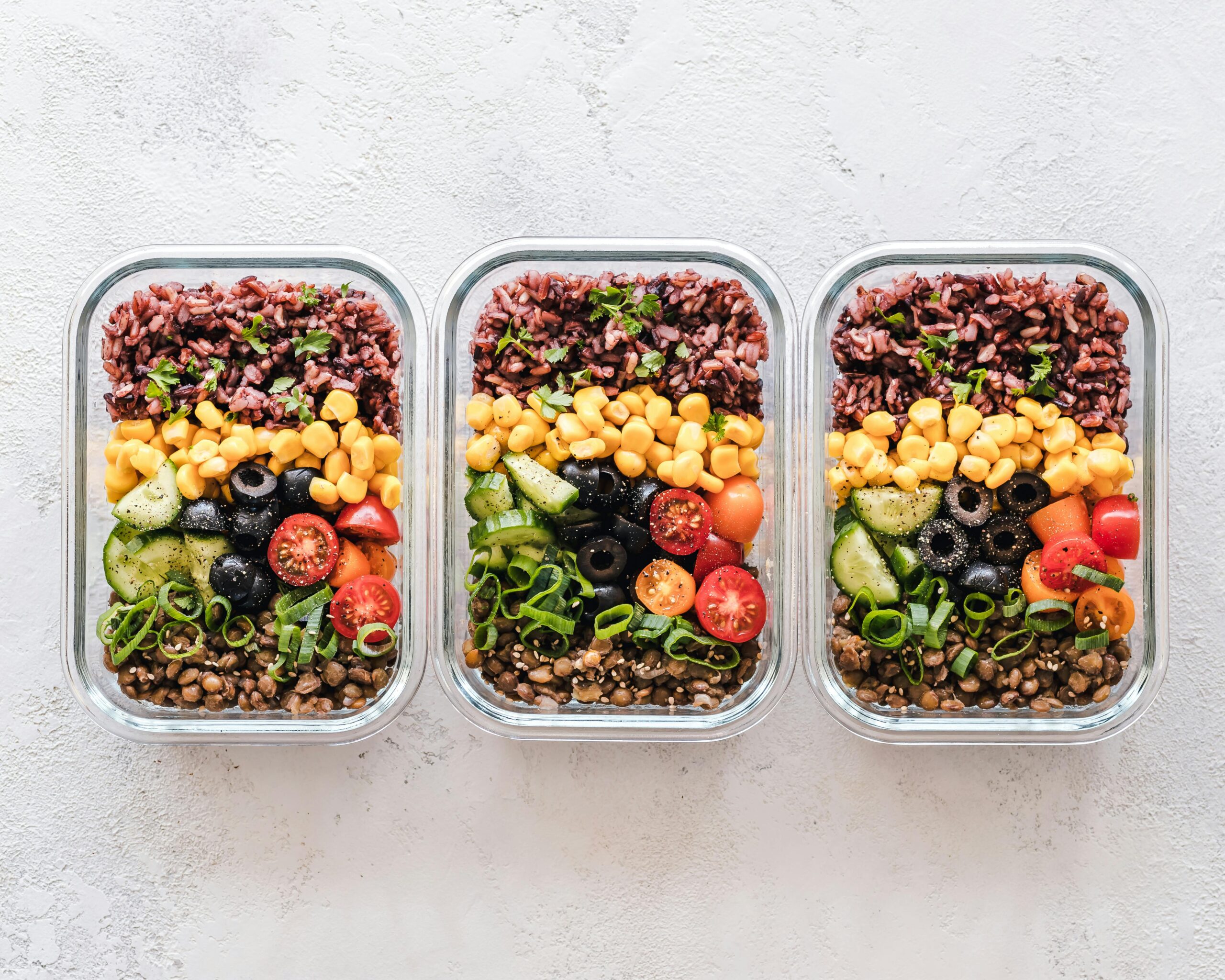
Finding balance in your eating schedule can transform your health, energy levels, and overall well-being. Whether you’re a busy professional or health enthusiast, mastering meal timing is essential.

Modern lifestyles often create a disconnect between our weekday and weekend eating patterns, leading to digestive issues, energy crashes, and weight management challenges. The good news is that with strategic planning and mindful practices, you can create a seamless eating rhythm that works seven days a week. This comprehensive guide will help you understand the science behind meal timing and provide practical strategies to harmonize your eating habits across all days.
🕐 Understanding Your Body’s Natural Rhythm
Your body operates on a circadian rhythm, an internal clock that regulates numerous biological processes including hunger, digestion, and metabolism. This 24-hour cycle influences when you naturally feel hungry and how efficiently your body processes nutrients throughout the day.
Research shows that eating in alignment with your circadian rhythm can improve metabolic health, enhance weight management, and boost energy levels. Your metabolism naturally peaks during daylight hours, making earlier meals more efficiently processed than late-night eating sessions.
The challenge arises when weekday schedules force early wake-ups and structured mealtimes, while weekends invite sleeping in and irregular eating patterns. This inconsistency confuses your internal clock, potentially leading to metabolic disruption and digestive discomfort.
The Science Behind Metabolic Windows
Your body’s ability to process carbohydrates, proteins, and fats varies throughout the day. Insulin sensitivity is typically highest in the morning, making breakfast an ideal time for complex carbohydrates. As the day progresses, metabolic efficiency gradually decreases, which is why late-night meals often lead to poor digestion and weight gain.
Understanding these metabolic windows allows you to strategically time your meals for optimal nutrient absorption and energy utilization. This doesn’t mean restrictive eating, but rather smart synchronization between your body’s needs and your meal schedule.
🗓️ Creating Your Weekday Eating Framework
Establishing a consistent weekday meal timing structure forms the foundation for balanced eating habits. Start by identifying realistic meal windows that accommodate your work schedule, commute, and daily responsibilities.
Most people thrive with three main meals and one or two strategic snacks, spaced approximately 3-4 hours apart. This timing prevents extreme hunger that leads to overeating while maintaining steady blood sugar levels throughout the day.
The Strategic Breakfast Window
Breaking your overnight fast within an hour of waking jumpstarts your metabolism and provides essential fuel for cognitive function. Aim to eat breakfast between 6:00-8:00 AM on weekdays, incorporating protein, healthy fats, and complex carbohydrates to sustain energy until lunch.
If morning appetite is lacking, start with something light like Greek yogurt with berries or a small smoothie. Your body will gradually adapt to earlier eating as you maintain consistency.
Optimizing Your Midday Meal
Lunch should occur 4-5 hours after breakfast, typically between 12:00-1:30 PM. This meal should be your most substantial, providing balanced nutrition to power through afternoon tasks without causing post-meal sluggishness.
Include lean proteins, plenty of vegetables, whole grains, and healthy fats. This combination promotes satiety and prevents the common 3:00 PM energy crash that sends many people searching for caffeine or sugary snacks.
Evening Eating Excellence
Schedule dinner at least 3 hours before bedtime, ideally between 6:00-7:30 PM. Earlier dinners align with your body’s decreasing metabolic rate and allow adequate digestion before sleep, improving both sleep quality and metabolic health.
Keep evening meals lighter than lunch, focusing on vegetables and lean proteins while moderating carbohydrate portions. This approach supports overnight cellular repair and helps prevent morning grogginess.
🎉 Weekend Eating Without Derailing Progress
Weekends present unique challenges as social activities, relaxed schedules, and the desire to unwind often disrupt carefully maintained weekday patterns. The key isn’t rigid restriction but thoughtful flexibility that preserves your body’s established rhythm.
Rather than viewing weekends as “cheat days,” consider them opportunities to practice intuitive eating within your established framework. Small timing adjustments are fine, but dramatic shifts can reset your progress and make Monday mornings more difficult.
The Saturday Morning Strategy
Sleeping in on Saturday is tempting, but try limiting extra sleep to one hour beyond your weekday wake time. This preserves your circadian rhythm while still providing rest. If you wake at 7:00 AM instead of 6:00 AM, adjust breakfast to 8:00-9:00 AM rather than skipping it entirely.
Brunch culture often encourages late, large meals that combine breakfast and lunch. If you’re brunching, eat a small protein-based snack when you wake, then enjoy brunch around 10:30-11:00 AM as your main meal, followed by an earlier light dinner.
Social Dining Success
Weekend social events frequently revolve around food and drinks. Plan ahead by maintaining your breakfast and lunch timing, allowing flexibility for dinner gatherings. If you know dinner will be late, have a small afternoon snack around 4:00 PM to prevent arriving ravenously hungry.
When dining out, focus on the social experience rather than using it as an excuse to overindulge. Order mindfully, savor your meal slowly, and stop when comfortably satisfied rather than uncomfortably full.
⚖️ Building Bridges Between Weekday and Weekend Patterns
The secret to seamless meal timing lies in minimizing the gap between your weekday and weekend eating schedules. Consistency is more valuable than perfection, and small adjustments prevent the metabolic confusion that comes with wildly different patterns.
Think of your eating schedule as flexible rather than fixed, with core anchor times that remain relatively stable regardless of the day. These anchors provide structure while allowing reasonable variation for life’s spontaneity.
The 90/10 Consistency Rule
Aim for 90% consistency in meal timing throughout the week, allowing 10% flexibility for special occasions, celebrations, or unexpected schedule changes. This approach maintains your body’s rhythm while preventing the rigidity that makes healthy eating feel restrictive.
Track your meal times for two weeks to identify patterns and inconsistencies. You might discover that Sunday evenings are particularly challenging or that Saturday breakfasts consistently occur three hours later than weekdays, signaling areas for adjustment.
📱 Technology Tools for Timing Success
Leveraging technology can simplify meal timing through reminders, tracking, and planning features. Several apps help establish and maintain consistent eating patterns across all days of the week.
Meal reminder apps send notifications for your scheduled eating times, helping you stay consistent even when busy or distracted. Food diary apps allow tracking not just what you eat but when, revealing patterns that either support or undermine your health goals.
Intermittent fasting apps can help establish consistent eating windows, even if you’re not following a strict fasting protocol. These tools track your fasting and feeding windows, making it easier to maintain similar timing patterns throughout the week.
🍽️ Practical Meal Prep for Consistent Timing
Preparation significantly increases your likelihood of maintaining consistent meal times. When healthy food is readily available, you’re less tempted to skip meals or grab convenient but nutritionally poor alternatives.
Dedicate 2-3 hours on Sunday to prepare versatile ingredients and complete meals for the week ahead. Cook proteins, chop vegetables, portion snacks, and assemble grab-and-go breakfast options that remove barriers to timely eating.
The Component Approach
Rather than preparing identical meals for every day, create flexible components that can be mixed and matched. Grilled chicken, roasted vegetables, quinoa, and various sauces can combine into different meals throughout the week, preventing boredom while ensuring availability.
Store components in clear, portioned containers with labels indicating contents and preparation dates. This visual organization makes healthy eating effortless, even during hectic weekday mornings or weekend activities.
💧 Hydration Timing Matters Too
While meal timing receives most attention, hydration timing significantly impacts energy, appetite regulation, and overall wellness. Starting your day with water upon waking jumpstarts metabolism and rehydrates your body after overnight fluid loss.
Drink water consistently between meals rather than with meals, as excessive fluid during eating can dilute digestive enzymes. Aim for adequate hydration throughout the day, tapering intake 2-3 hours before bed to minimize nighttime bathroom trips that disrupt sleep.
🎯 Adjusting for Special Circumstances
Life presents situations requiring meal timing flexibility: travel, shift work, special events, or health conditions. The goal is adapting your framework rather than abandoning it entirely during these periods.
Travel Timing Tactics
When traveling across time zones, gradually shift meal times toward your destination’s schedule over several days before departure. Pack portable, nutritious snacks to maintain eating consistency during transit, and prioritize hydration throughout your journey.
Upon arrival, immediately adopt local meal timing to accelerate circadian rhythm adjustment. Exposure to natural daylight during local meal times further supports this adaptation process.
Managing Shift Work
Shift workers face unique challenges maintaining meal timing consistency. Establish eating windows based on your wake time rather than clock time, maintaining similar intervals between meals regardless of when your “day” begins.
If working night shifts, have your largest meal before your shift begins, moderate portions during shift breaks, and keep post-shift eating light to support quality sleep during daylight hours.
🌟 Recognizing and Responding to Hunger Cues
While structured meal timing provides helpful guidelines, listening to genuine hunger signals remains important. Learn distinguishing true physical hunger from emotional, boredom, or habitual eating triggers.
Physical hunger develops gradually, creates stomach sensations, and accepts various food options. Emotional hunger appears suddenly, focuses on specific comfort foods, and persists even after eating. As your meal timing becomes consistent, your hunger cues will naturally align with your schedule.
🔄 The Monday Reset Strategy
Even with best intentions, weekends sometimes derail eating schedules more than planned. Rather than feeling defeated, implement a gentle Monday reset that reestablishes your rhythm without extreme restriction or punishment.
Begin Monday with a protein-rich breakfast at your standard time, drink extra water, include plenty of vegetables throughout the day, and prioritize quality sleep Monday night. This compassionate approach acknowledges imperfection while maintaining forward momentum.
📊 Measuring Your Meal Timing Success
Track progress through both objective and subjective measures. Objective metrics include consistent meal times across weekdays and weekends, stable energy levels throughout the day, and improved sleep quality.
Subjective measures include how you feel physically and mentally, reduced cravings, better mood stability, and decreased stress around food decisions. Keep a simple journal noting meal times, energy levels, and overall wellbeing to identify patterns and celebrate progress.
🚀 Your Personalized Meal Timing Action Plan
Creating your customized meal timing schedule starts with assessment. For one week, track your current eating patterns without judgment, noting meal times, hunger levels, energy fluctuations, and sleep quality.
Analyze this data to identify your optimal eating windows, considering work schedules, exercise timing, social commitments, and personal preferences. Design a realistic framework that accommodates weekday obligations while minimizing weekend disruption.
Implement changes gradually, adjusting one meal time per week rather than overhauling everything simultaneously. This measured approach increases sustainability and allows your body to adapt naturally to new patterns.

🌈 Embracing Food Freedom Within Structure
Mastering meal timing isn’t about rigid rules or perfection but creating supportive structure that enhances your relationship with food. Consistency provides freedom from constant decision-making and reduces the mental energy spent on “when should I eat?”
As your meal timing becomes habitual, eating becomes more intuitive and less stressful. You’ll notice improved digestion, stable energy, better sleep, and enhanced overall wellbeing. These benefits reinforce your new patterns, creating a positive cycle of healthy habits.
Remember that meal timing is one component of overall wellness. Combine consistent eating schedules with nutritious food choices, regular physical activity, adequate sleep, and stress management for comprehensive health benefits. Your body thrives on rhythm and routine, and providing this consistency is one of the greatest gifts you can offer yourself.
Start today by identifying one small adjustment that brings your weekday and weekend eating patterns closer together. Whether that means setting a weekend breakfast alarm, preparing Sunday evening meals, or simply drinking water upon waking every day, small consistent actions create lasting transformation. Your healthier, more energized self is waiting on the other side of these simple but powerful changes. 🌟