Long commutes demand more than just physical endurance—they require strategic nutrition to maintain energy, mental clarity, and overall performance throughout your day. Understanding when and what to eat can transform your daily travel from a draining experience into an opportunity to fuel your body optimally.

Whether you’re navigating rush hour traffic, riding public transportation, or cycling to work, the timing of your meals plays a crucial role in how you feel and function. Poor meal timing can leave you sluggish, irritable, and struggling to concentrate, while strategic eating patterns can keep you alert, energized, and ready to tackle whatever comes your way.
🚗 The Science Behind Meal Timing and Energy Levels
Your body operates on a complex system of metabolic rhythms that influence how efficiently you process food and convert it into usable energy. When you eat impacts insulin sensitivity, hormone production, and cognitive function—all critical factors for commuters facing long days away from home.
Research shows that circadian rhythms significantly affect digestion and nutrient absorption. Eating in alignment with your body’s natural clock helps optimize energy production and prevents the dreaded mid-commute energy crash that leaves you reaching for sugary snacks or excessive caffeine.
Blood sugar regulation is particularly important during extended travel periods. When glucose levels spike and crash, you experience energy fluctuations that impair concentration, slow reaction times, and negatively affect mood. Strategic meal timing helps maintain stable blood sugar levels throughout your commute and workday.
⏰ Pre-Commute Nutrition: Setting Yourself Up for Success
The meal you eat before leaving home sets the foundation for your entire day. Timing this meal correctly ensures you start your commute with optimal energy without experiencing digestive discomfort during travel.
The Ideal Pre-Commute Breakfast Window
Aim to eat your first meal 30-60 minutes before departing. This timeframe allows initial digestion to begin while preventing the uncomfortable fullness that can make commuting unpleasant. If your commute starts very early, even a light meal is better than skipping breakfast entirely.
For early morning commuters leaving before 6 AM, consider eating a smaller pre-commute snack and planning a more substantial breakfast once you arrive at your destination. This approach prevents digestive issues while ensuring you don’t operate on an empty stomach.
What to Eat Before Your Commute
Focus on balanced macronutrients that provide sustained energy release. Complex carbohydrates paired with protein and healthy fats create the perfect fuel combination for long commutes.
- Overnight oats with nuts and berries provide slow-releasing carbohydrates and protein
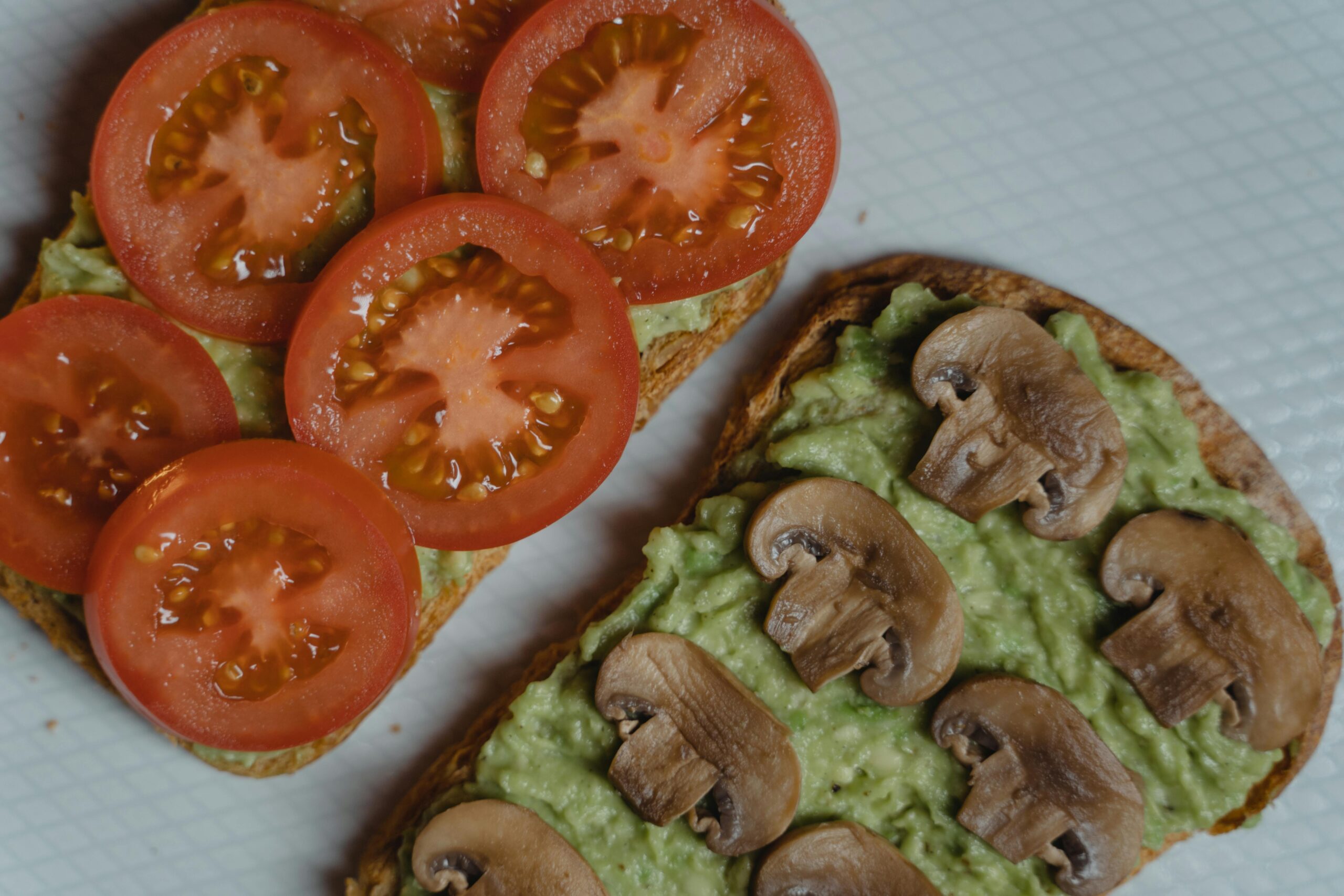
- Whole grain toast with avocado and eggs delivers healthy fats and essential nutrients
- Greek yogurt with granola and fruit offers protein-rich, portable nutrition
- Smoothies blending leafy greens, banana, protein powder, and nut butter pack complete nutrition
- Egg muffins prepared in advance provide convenient, protein-rich options
Avoid foods high in simple sugars or refined carbohydrates that cause rapid blood sugar spikes followed by crashes. Pastries, sugary cereals, and white bread products might taste appealing but will sabotage your energy levels within an hour of eating.
🍎 Smart Snacking Strategies During Your Commute
Long commutes often require mid-journey nutrition to maintain energy and focus. However, eating while traveling presents unique challenges that require thoughtful planning and preparation.
Portable Commute-Friendly Snacks
The best commute snacks are mess-free, non-perishable, and easy to consume with one hand if you’re driving or navigating public transportation. Preparation is key—pack these items the night before to avoid morning stress.
- Raw almonds, cashews, or mixed nuts provide protein and healthy fats
- Apple slices with individual nut butter packets offer balanced nutrition
- Protein bars with minimal added sugars deliver convenient energy
- Hard-boiled eggs prepared ahead supply high-quality protein
- Vegetable sticks with hummus containers provide vitamins and fiber
- Homemade trail mix combining nuts, seeds, and dried fruit without added sugars
Hydration: The Often Forgotten Commute Essential
Dehydration dramatically affects energy levels, concentration, and mood. Many commuters avoid drinking water fearing bathroom breaks, but chronic mild dehydration causes fatigue that mimics hunger and reduces cognitive performance.
Bring a refillable water bottle and sip consistently throughout your commute. Aim for at least 250-500ml during a one-hour commute, adjusting based on temperature, activity level, and individual needs. If bathroom access concerns you, plan your fluid intake strategically around known rest stop opportunities.
☕ Strategic Caffeine Consumption for Commuters
Caffeine is the commuter’s best friend and worst enemy, depending on timing and consumption patterns. Understanding how to use caffeine strategically maximizes its benefits while minimizing crashes and sleep disruption.
Optimal Caffeine Timing
Your body’s natural cortisol production peaks between 8-9 AM. Consuming caffeine during this window actually reduces its effectiveness because cortisol naturally provides alertness. Instead, wait until mid-morning (around 9:30-11:30 AM) when cortisol levels naturally dip.
For early commuters, having a small amount of caffeine before departure is acceptable, but save your larger coffee for after arriving at your destination. This approach prevents the afternoon crash that often follows early-morning caffeine consumption.
Avoid caffeine after 2 PM if possible. Caffeine has a half-life of 5-6 hours, meaning afternoon consumption can significantly impair sleep quality, creating a vicious cycle of fatigue that affects your next day’s commute.
Caffeine Without the Crash
Pair caffeinated beverages with food containing protein or healthy fats to slow absorption and prevent the jittery feeling followed by energy crashes. Never consume caffeine on an empty stomach, especially during your commute when you need stable, sustained energy.
🍽️ Lunch Timing for Afternoon Commuters
If you commute home during afternoon hours, lunch timing becomes crucial. Eating too late or too heavily can leave you drowsy precisely when you need alertness for safe travel.
The Ideal Lunch Window
Aim to eat lunch between 12-1 PM, finishing at least 90 minutes before your afternoon commute begins. This timing allows initial digestion while preventing the post-meal drowsiness that peaks 30-60 minutes after eating.
If your schedule doesn’t accommodate this timing, opt for lighter meals with less heavy fats and refined carbohydrates. Focus on lean proteins, vegetables, and complex carbohydrates that provide energy without causing sluggishness.
Foods to Avoid Before Afternoon Commutes
Certain foods increase drowsiness and reduce alertness—exactly what you don’t want before traveling. Avoid these lunch options if you have an afternoon commute ahead:
- Heavy, fatty meals that slow digestion and cause lethargy
- Large portions of refined carbohydrates like white pasta or white rice
- Foods you personally find difficult to digest
- Alcohol in any quantity, which impairs reaction time and judgment
- Excessive salt that causes bloating and discomfort
🌙 Evening Meal Planning for Long-Day Commuters
After a long day including extended commutes, you finally arrive home exhausted and hungry. This vulnerable state often leads to poor food choices that sabotage recovery, sleep quality, and next-day energy.
The Danger of Delayed Dinner
Many commuters don’t eat dinner until 8 or 9 PM due to travel time. Late eating interferes with sleep quality, disrupts circadian rhythms, and can contribute to weight gain. Whenever possible, try to eat your final meal at least 2-3 hours before bedtime.
If you regularly arrive home late, consider having a substantial afternoon snack (around 4-5 PM) so you can eat a lighter evening meal without feeling ravenous. This approach supports better sleep and more stable energy the following day.
Quick, Nutritious Evening Meals
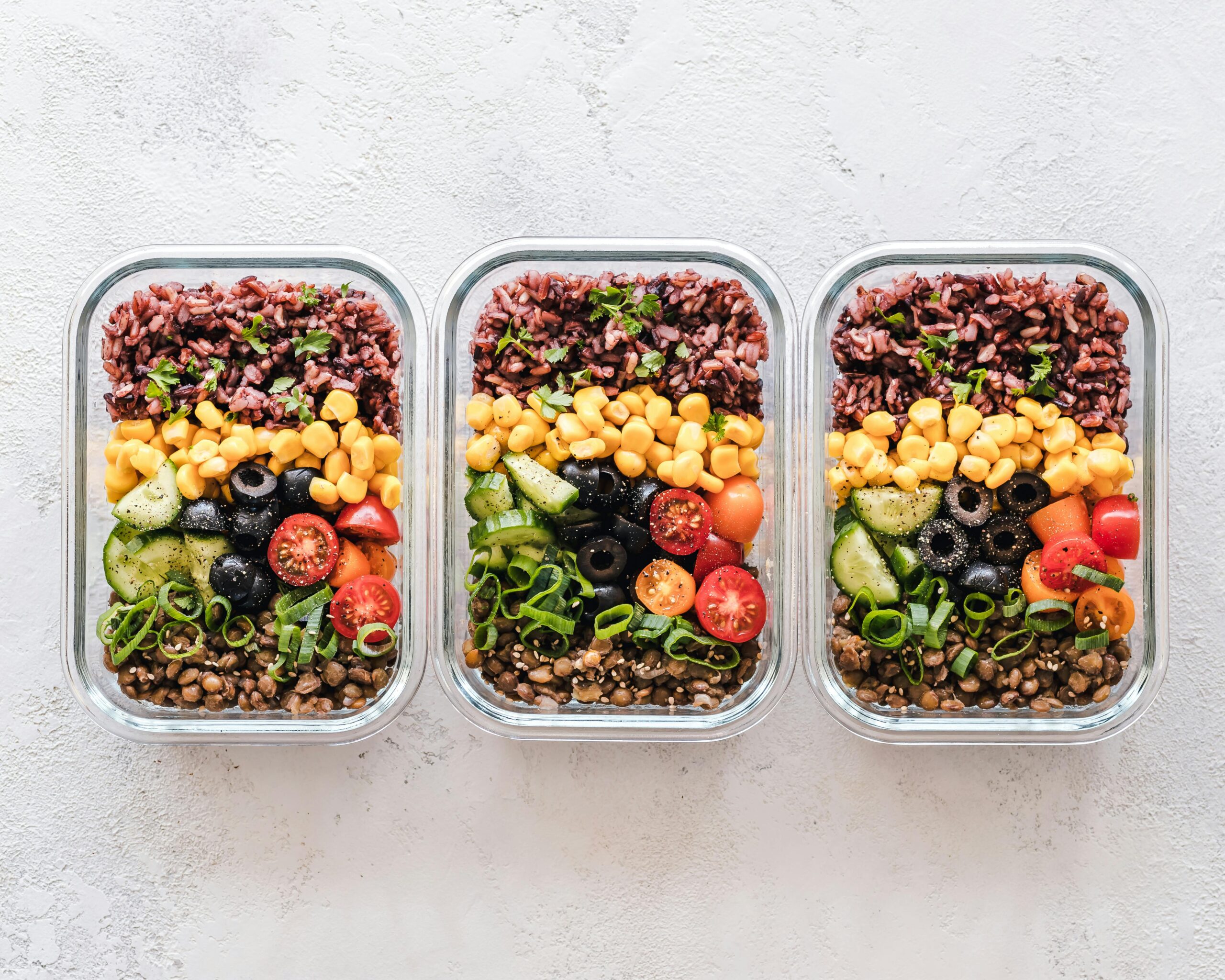
Exhausted commuters need simple meal solutions that don’t require extensive preparation. Meal prepping on weekends provides ready-to-heat options that prevent defaulting to unhealthy takeout.
- Sheet pan meals with protein and vegetables prepared in advance
- Slow cooker meals started before your morning commute
- Pre-portioned stir-fries requiring only quick reheating
- Mason jar salads with dressing separate until ready to eat
- Batch-cooked grains with various protein and vegetable combinations
📱 Technology Tools for Commuter Nutrition
Modern technology offers valuable support for commuters struggling to maintain optimal meal timing and nutrition planning. Various applications help track eating patterns, plan meals, and build consistent routines.
Meal planning apps allow you to organize weekly menus, generate shopping lists, and ensure you have commute-friendly foods prepared in advance. Tracking your meal timing alongside energy levels helps identify patterns and optimize your personal nutrition schedule.
Reminder apps help establish consistent eating routines, which is particularly valuable for commuters with varying schedules. Setting notifications for hydration, snack times, and meal preparation creates structure that supports optimal energy throughout your travel days.
🎯 Creating Your Personalized Commute Nutrition Plan
Every commuter faces unique circumstances—different travel times, modes of transportation, work demands, and personal metabolic responses. Building an effective meal timing strategy requires experimentation and self-awareness.
Assess Your Current Patterns
Spend one week tracking when you eat, how you feel during your commute, and your energy levels throughout the day. Note specific times when you experience energy crashes, excessive hunger, or optimal alertness. This baseline information reveals patterns you can optimize.
Experiment Systematically
Change one variable at a time—whether that’s pre-commute meal timing, snack composition, or lunch scheduling. Give each adjustment at least 3-5 days before evaluating effectiveness. Rushed changes prevent accurate assessment of what actually works for your body and schedule.
Build Sustainable Routines
The perfect meal timing strategy is worthless if you can’t maintain it consistently. Focus on approaches that fit your lifestyle, preferences, and constraints. Simple, repeatable patterns outperform complex plans that you’ll abandon within weeks.
| Time | Meal/Snack | Purpose |
|---|---|---|
| 5:30-6:00 AM | Pre-commute breakfast | Stable morning energy |
| 9:30-10:00 AM | Mid-morning snack | Sustained focus |
| 12:00-1:00 PM | Lunch | Afternoon fuel |
| 3:30-4:00 PM | Afternoon snack | Pre-commute energy |
| 6:30-7:00 PM | Dinner | Recovery and satiation |
💪 Adapting Your Strategy for Different Commute Types
Driving commuters face different challenges than those using public transportation, cycling, or walking. Your meal timing strategy should account for your specific travel method.
Drivers: Safety First
Never eat meals requiring attention while driving. Reserve actual eating for stopped periods or pre/post-commute times. Keep simple, one-handed snacks accessible for longer drives, but prioritize foods that won’t create mess or distraction.
Public Transportation Users: Maximize Flexibility
Transit commuters enjoy more flexibility for eating during travel. However, be considerate of fellow passengers—avoid strong-smelling foods and opt for quiet, non-messy options. Use commute time for substantial snacks that might be impossible while driving.
Active Commuters: Fuel Your Activity
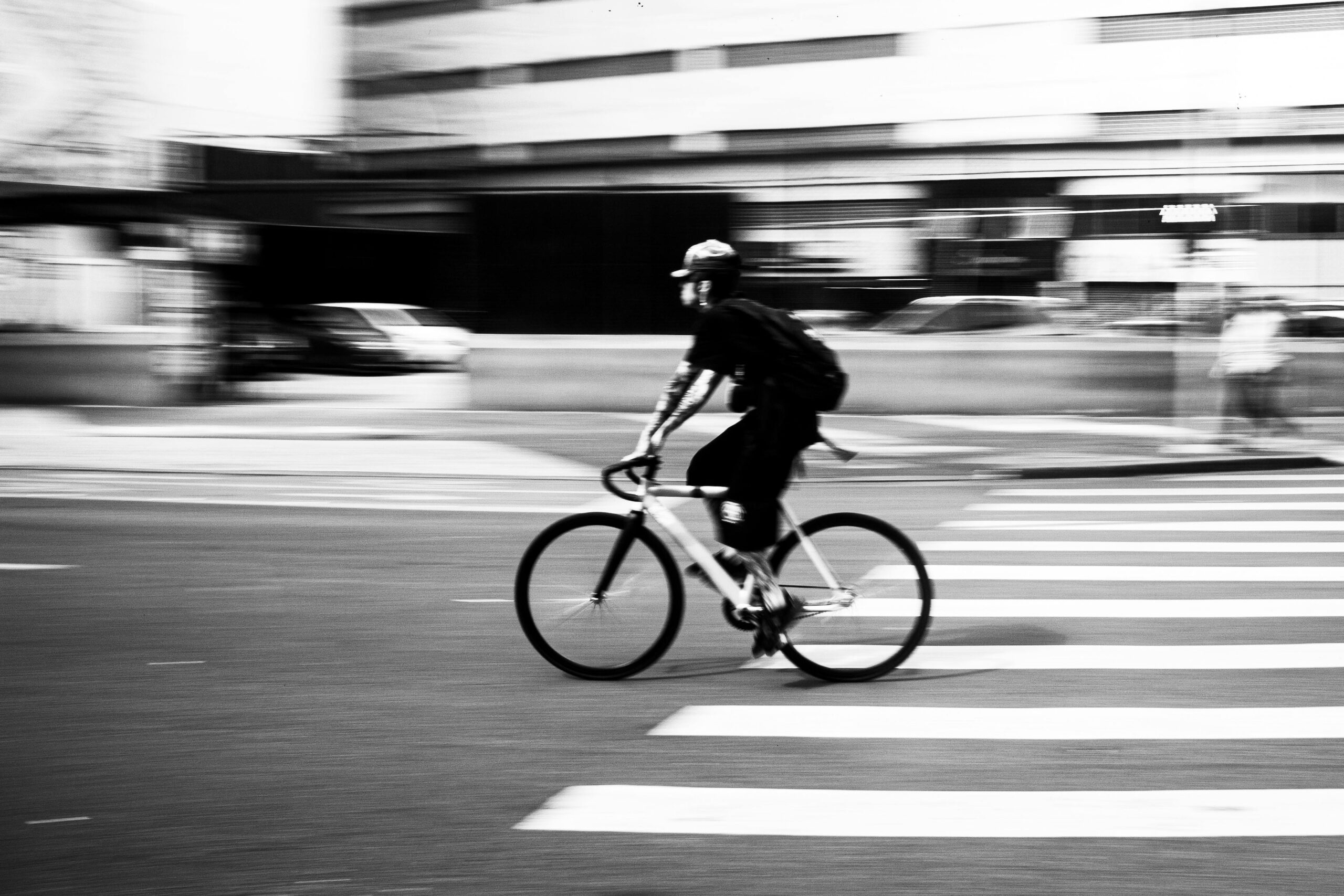
Cyclists and walkers require additional nutritional consideration since their commute itself burns significant calories. Ensure pre-commute meals include adequate carbohydrates for energy, and consider whether you need immediate post-commute nutrition to support recovery.
🔄 Weekend Preparation: Setting Up Success
Successful commute nutrition doesn’t happen spontaneously on Monday morning. Weekend preparation makes healthy choices easy when you’re rushed and stressed during the workweek.
Dedicate 2-3 hours on Sunday to batch cooking grains, proteins, and chopped vegetables. Prepare grab-and-go breakfast items, portion snacks into individual containers, and plan your week’s meals. This investment prevents desperate, unhealthy choices when you’re exhausted after long commute days.
Stock your car, bag, or desk with emergency non-perishable snacks. Nuts, protein bars, and dried fruit provide backup options when plans go awry. Having these safety nets prevents the blood sugar crashes that sabotage energy and mood.
🌟 Long-Term Benefits of Mastering Commute Nutrition
Optimizing meal timing around your commute delivers benefits extending far beyond simply feeling better during travel. Consistent, strategic nutrition improves sleep quality, supports healthy weight management, enhances mental clarity, and reduces stress levels.
Many commuters report that mastering meal timing was the missing piece in their overall wellness puzzle. When you fuel your body appropriately for the demands you place on it, everything becomes easier—work performance improves, relationships benefit from better mood stability, and you have energy for activities beyond just surviving your commute.
The investment in planning and preparation pays dividends in life quality. Instead of arriving home depleted with nothing left to give, proper nutrition helps you stay energized for evening activities, hobbies, and time with loved ones. Your commute transforms from something that drains you into simply a transition you manage effectively.
🚀 Taking Action: Your First Steps
Don’t try to implement everything at once. Choose one aspect of meal timing to improve this week. Perhaps you’ll focus on eating breakfast 45 minutes before leaving instead of rushing out immediately after eating. Maybe you’ll prepare three days of commute snacks in advance.
Small, consistent improvements compound over time. Each positive change reinforces your ability to take control of your energy and well-being despite the challenges of long commute days. Track your progress, celebrate small victories, and adjust based on what you learn about your body’s unique responses.
Remember that perfect meal timing looks different for everyone. Your optimal schedule depends on your commute length, departure time, activity level, metabolism, and personal preferences. Use these guidelines as a starting point, then customize based on your individual experience and results.
With strategic meal timing, your commute stops being something that happens to you and becomes something you master. You’ll spend those travel hours feeling energized, focused, and ready to make the most of your day—arriving at your destination fueled and prepared rather than depleted before you even begin.