Life moves fast, and keeping track of meals can feel overwhelming. A printable meal timing planner template offers a simple solution to organize your eating schedule, improve nutrition, and reclaim control over your daily routine.

Whether you’re a busy professional juggling meetings, a parent coordinating family meals, or someone focused on health and fitness goals, meal timing planners transform chaos into clarity. These practical tools help you plan not just what you eat, but when you eat, creating rhythm and intentionality around one of life’s most essential activities.
🍽️ Why Meal Timing Matters More Than You Think
The concept of meal timing extends far beyond simple hunger management. Research consistently shows that when we eat can be just as important as what we eat. Our bodies operate on circadian rhythms that influence digestion, metabolism, and energy levels throughout the day.
Eating at consistent times helps regulate blood sugar levels, reducing those energy crashes that send you reaching for unhealthy snacks. Regular meal timing also supports better sleep patterns, as your body learns to anticipate and prepare for nutritional intake at specific times.
For those managing specific health conditions like diabetes or working toward weight management goals, meal timing becomes even more critical. Spacing meals appropriately prevents extreme hunger that leads to overeating while maintaining steady energy throughout your waking hours.
The Power of Printable Planners in a Digital World 📋
In an era dominated by apps and screens, printable meal timing planners offer refreshing tangibility. There’s something powerful about physically writing down your plans, creating a tactile connection between intention and action.
Printable templates don’t require batteries, internet connections, or software updates. They sit on your refrigerator, tucked into your planner, or posted on your office wall—constant visual reminders of your nutritional commitments. This visibility creates accountability that digital reminders often lack.
The act of handwriting also engages different cognitive processes than typing, strengthening memory and commitment to your plans. Studies suggest that people who write down goals are significantly more likely to achieve them compared to those who merely think about them.
Customization Freedom Without Technical Skills
Printable templates offer unlimited customization without requiring design software expertise. You can color-code meals, add personal notes, sketch meal ideas, or adapt the format to match your unique lifestyle. This flexibility makes them suitable for everyone from minimalists to creative planners who love decorative touches.
Essential Elements of Effective Meal Timing Planners ✨
The best meal timing planner templates incorporate several key features that transform them from simple schedules into powerful organizational tools. Understanding these elements helps you choose or create templates that truly serve your needs.
Time Blocks and Meal Windows
Effective planners divide the day into clear time blocks, typically ranging from early morning through evening. Rather than rigid hour markers, consider templates with flexible meal windows that accommodate varying schedules throughout the week.
For those practicing intermittent fasting or time-restricted eating, planners with highlighted eating windows and fasting periods provide visual clarity. These markers help you stay within your chosen timeframe without constantly checking the clock.
Meal Category Sections
Quality templates include designated spaces for different meal categories: breakfast, morning snack, lunch, afternoon snack, dinner, and evening options. Some advanced versions add sections for hydration tracking, supplements, or pre-workout nutrition.
This categorization prevents meal skipping and ensures balanced nutrition throughout the day. It also helps identify patterns—like consistently missing breakfast or over-snacking in afternoons—that might undermine your health goals.
Preparation and Shopping Integration
The most functional planners connect meal timing with preparation logistics. Sections for meal prep notes, grocery lists, or leftover planning transform your planner from a schedule into a comprehensive food management system.
Different Template Styles for Different Lifestyles 🎯
One size definitely doesn’t fit all when it comes to meal planning. Your ideal template depends on your specific circumstances, goals, and personal preferences.
The Structured Professional Planner
For those with relatively consistent work schedules, structured planners with fixed time slots work beautifully. These templates typically show Monday through Friday with consistent meal times, recognizing that weekday routines often differ from weekend patterns.
This style suits office workers, students, or anyone whose days follow predictable patterns. The repetition reinforces healthy habits while the structure reduces decision fatigue.
The Flexible Family Coordinator
Parents juggling multiple schedules need templates that accommodate different family members’ timing needs. Multi-column planners let you track when each person eats, helping coordinate grocery shopping and meal preparation efficiently.
These templates often include larger spaces for notes about preferences, allergies, or who’s eating where on any given day. They transform meal planning from a solo activity into a family organization tool.
The Fitness-Focused Nutrition Tracker
Athletes and fitness enthusiasts benefit from specialized templates that integrate workout schedules with meal timing. These planners emphasize pre-workout fuel, post-workout recovery nutrition, and strategic nutrient timing for performance optimization.
Sections for macronutrient targets, calorie goals, or specific nutritional strategies like carb cycling make these templates valuable for anyone with performance-oriented nutritional needs.
The Simplified Minimalist Approach
Not everyone wants elaborate planning systems. Minimalist templates feature clean layouts with essential information only—meal times and brief descriptions. These work wonderfully for people establishing basic meal routines without overwhelming detail.
Creating Your Perfect Weekly Meal Timing System 📅
Implementing a meal timing planner effectively requires more than just downloading a template. Success comes from thoughtful customization and consistent use integrated into your existing routines.
Assessing Your Current Eating Patterns
Before designing your ideal schedule, spend a few days tracking when you currently eat. Notice natural hunger patterns, energy dips, and times when stress or boredom trigger eating. This awareness forms the foundation for realistic planning.
Identify non-negotiable time constraints like work meetings, school pickups, or gym sessions. Your meal timing should work with your life, not against it.
Establishing Optimal Meal Windows
Based on your natural rhythms and schedule, determine ideal eating windows. Most nutritionists recommend spacing meals three to five hours apart, though individual needs vary significantly.
Consider your specific goals. Weight loss might benefit from longer gaps between meals, while muscle building often requires more frequent eating. Those managing blood sugar need consistent timing more than others.
Planning Backwards From Fixed Points
Start with immovable elements—dinner time with family, lunch break duration at work—then build your meal timing around these anchors. This approach ensures your plan accommodates reality rather than creating unrealistic expectations.
Maximizing Template Effectiveness with Smart Strategies 💡
A template alone won’t transform your routine. These proven strategies help you extract maximum value from your meal timing planner.
The Sunday Planning Ritual
Dedicate 15-20 minutes each Sunday to review the coming week and fill in your meal timing planner. This proactive approach prevents reactive, unhealthy food choices during busy weekdays.
During this ritual, check your calendar for unusual commitments that affect meal timing. Early meetings, evening events, or travel days require adjusted plans to maintain consistency.
Color-Coding for Quick Recognition
Assign different colors to meal categories, preparation methods, or family members. This visual system lets you scan your planner and instantly understand your week’s nutritional landscape.
Color-coding also highlights patterns. If one color dominates, you might be relying too heavily on certain foods or preparation methods, signaling needed variety.
The Evening Prep-Ahead Practice
Each evening, glance at tomorrow’s meal timing plan and complete any preparation possible. Set out breakfast items, pack snacks, or defrost dinner ingredients. These small actions dramatically increase plan adherence.
Overcoming Common Meal Timing Challenges 🚧
Even with excellent planners, obstacles inevitably arise. Anticipating common challenges helps you navigate them without abandoning your system entirely.
Dealing with Irregular Schedules
Shift workers, freelancers, and others with varying schedules struggle with consistent meal timing. For these situations, create multiple template versions matching different schedule patterns rather than forcing one template to fit all days.
Focus on maintaining consistent intervals between meals rather than fixed clock times. If your day starts at 6 AM or 10 AM, the relative timing between meals matters more than absolute time.
Managing Social Events and Dining Out
Social occasions don’t have to derail your meal timing system. When you know about restaurant dinners or parties, adjust earlier meals accordingly on your planner. Lighter lunches or strategic snacks help you arrive appropriately hungry rather than ravenous.
Preventing Planning Fatigue
Elaborate planning systems sometimes become burdensome, leading to abandonment. Combat this by keeping templates simple initially, adding complexity only if genuinely helpful. Remember that an imperfect plan followed consistently beats a perfect plan abandoned after two weeks.
Integrating Meal Timing with Broader Health Goals 🎯
Meal timing planners deliver maximum value when connected to your larger wellness objectives. These tools shouldn’t exist in isolation but rather complement your overall health strategy.
Supporting Intermittent Fasting Protocols
For those practicing intermittent fasting, meal timing planners provide essential structure. Clearly marking eating windows and fasting periods removes guesswork and prevents accidental breaking of fasts.
Templates designed for intermittent fasting often include hydration reminders during fasting periods and suggestions for breaking fasts with appropriate foods rather than whatever happens to be convenient.
Coordinating with Exercise Routines
Strategic meal timing around workouts enhances both exercise performance and results. Planners that show workout times alongside meal schedules help you fuel appropriately before training and recover optimally afterward.
This integration prevents common mistakes like intense workouts on empty stomachs or eating heavy meals right before exercise, both of which compromise results and comfort.
Supporting Medical Nutritional Needs
For individuals managing diabetes, digestive disorders, or other conditions requiring specific meal timing, these planners become medical management tools. Consistent eating schedules support medication effectiveness and symptom management.
Share your completed planners with healthcare providers during appointments. This documentation helps them understand your actual practices versus intentions, leading to more personalized guidance.
Enhancing Your Planner Experience with Complementary Tools 🔧
While printable templates form your organizational foundation, certain complementary tools amplify their effectiveness without replacing the tangible benefits of paper planning.
Kitchen Timer Systems
Simple kitchen timers or phone alarms coordinated with your planner ensure you don’t miss meal windows during busy days. Set reminders 30 minutes before meal times, giving yourself preparation notice rather than last-minute scrambling.
Meal Prep Containers and Labels
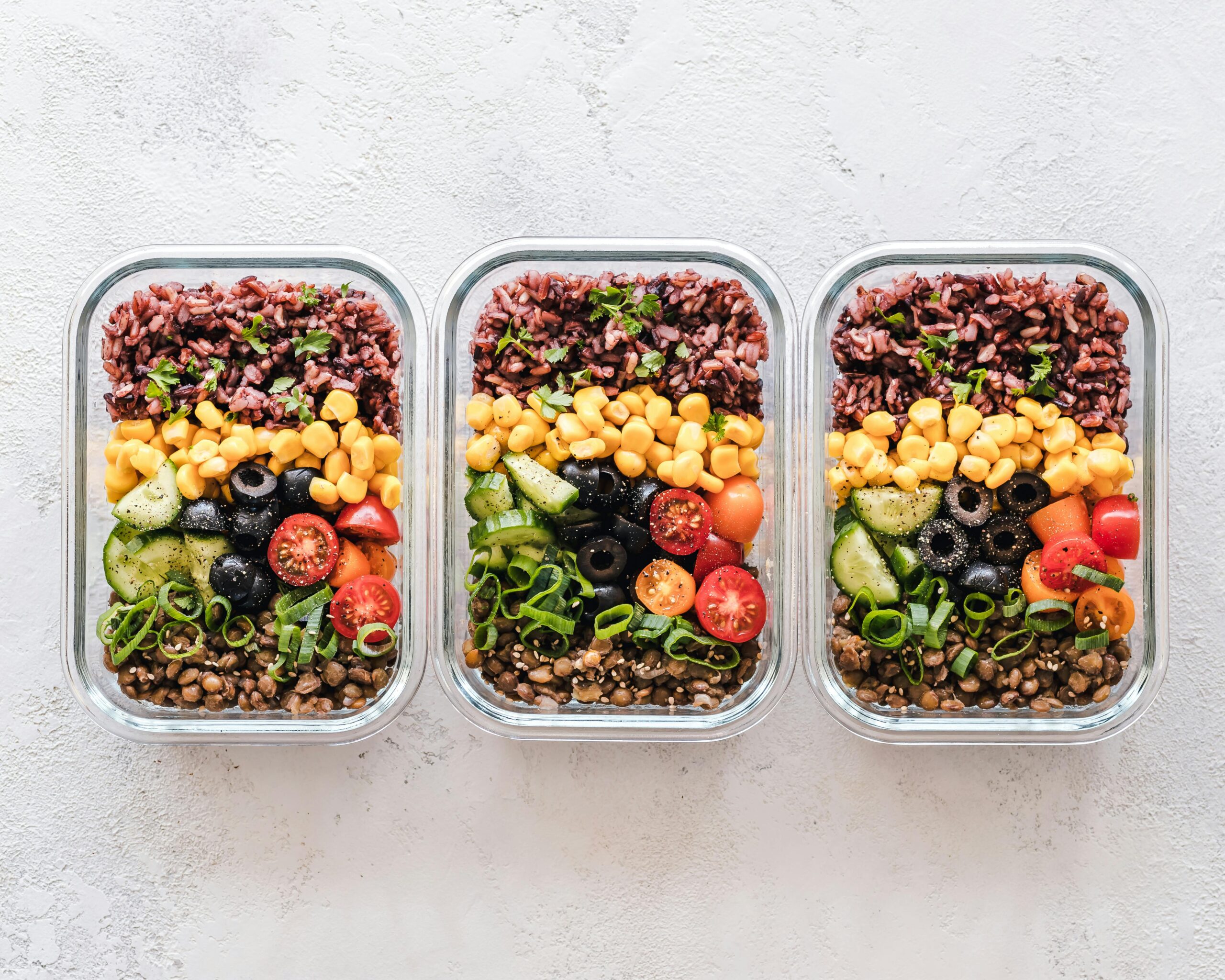
Prepare meals according to your timing plan and store them in labeled containers indicating when they should be eaten. This physical system reinforces your paper planner’s schedule and removes decision-making from hectic moments.
Refrigerator Command Centers
Create a dedicated planning zone on your refrigerator where your meal timing planner lives alongside grocery lists and family calendars. This central location ensures everyone knows the eating schedule and can plan accordingly.
Savoring Every Bite Through Mindful Timing ☕
Beyond logistics and nutrition, meal timing planners create space for one of planning’s most overlooked benefits: the opportunity to actually enjoy your food.
When meals aren’t last-minute afterthoughts squeezed between obligations, you can sit down, eliminate distractions, and truly taste what you’re eating. This mindfulness transforms eating from fuel consumption into genuine nourishment for body and soul.
Planned meal times also facilitate social connection. When everyone knows dinner happens at 6:30 PM, family members can arrange schedules to gather together. These shared meals strengthen relationships while supporting nutritional goals.
The rhythm created by consistent meal timing adds comforting structure to days that often feel chaotic. Just as morning coffee rituals or evening routines provide psychological anchors, regular meal times create predictability that reduces stress and decision fatigue.
Building Long-Term Success with Your Planner System 🌟
The true test of any organizational system isn’t initial enthusiasm but sustained use over months and years. These strategies help your meal timing planner become a permanent lifestyle tool rather than a temporary experiment.
Start Gradually and Build Momentum
Don’t attempt to plan and time every meal perfectly from day one. Begin by scheduling just breakfast and dinner, adding other meals once those become habitual. This gradual approach prevents overwhelm that leads to abandonment.
Review and Adjust Regularly
Monthly reviews identify what’s working and what isn’t in your meal timing system. Perhaps certain meal windows don’t align with natural hunger, or maybe preparation logistics need adjustment. Regular refinement keeps your system relevant as life changes.
Celebrate Small Wins
Notice and acknowledge successes—weeks when you followed your plan consistently, improved energy levels, or reduced food waste through better timing. These small victories motivate continued effort when enthusiasm naturally wanes.
Prepare for Disruptions Without Perfection Pressure
Life inevitably disrupts even the best plans. Illness, travel, family emergencies, and holidays will throw off your meal timing. Rather than viewing these as failures, see them as temporary detours. Your planner will be waiting when normal routines resume.
The goal isn’t robotic adherence to a schedule but developing awareness and intention around eating. Some weeks you’ll follow your planner closely; others will be approximations. Both scenarios represent progress compared to completely reactive eating.

Your Journey Toward Organized, Intentional Eating 🚀
Printable meal timing planner templates offer far more than organizational benefits. They represent a commitment to treating nutrition with the same intentionality you bring to other important life areas.
By mapping when you’ll eat alongside what you’ll eat, these simple tools address the complete picture of nutritional wellness. They reduce stress, improve health outcomes, decrease food waste, save money, and create space to actually enjoy meals rather than merely consuming them.
The perfect template already exists—it’s the one you’ll actually use consistently. Whether that’s an elaborate color-coded system or a simple time-blocked schedule matters less than finding an approach that fits your real life, not an idealized version of it.
Start today by choosing a template that resonates with your current needs. Print it, fill in this week’s meal times, and post it somewhere visible. This small action begins the transformation from chaotic eating to organized nourishment.
Your relationship with food deserves this attention. Every meal offers an opportunity to fuel your body, connect with others, and practice self-care. A meal timing planner simply ensures you don’t miss these opportunities amid life’s competing demands.
As you develop this practice, you’ll likely notice ripple effects extending beyond nutrition. The discipline of planning transfers to other life areas. The reduced decision fatigue frees mental energy for creative and important work. The consistency creates stability that supports overall wellbeing.
Embrace the journey of discovering what meal timing patterns serve you best. Your planner is a tool for exploration, not a rigid set of rules. Through trial, adjustment, and patience, you’ll develop a sustainable system that honors both your nutritional needs and your real-world constraints. That balance is where lasting change happens—one planned, savored meal at a time.