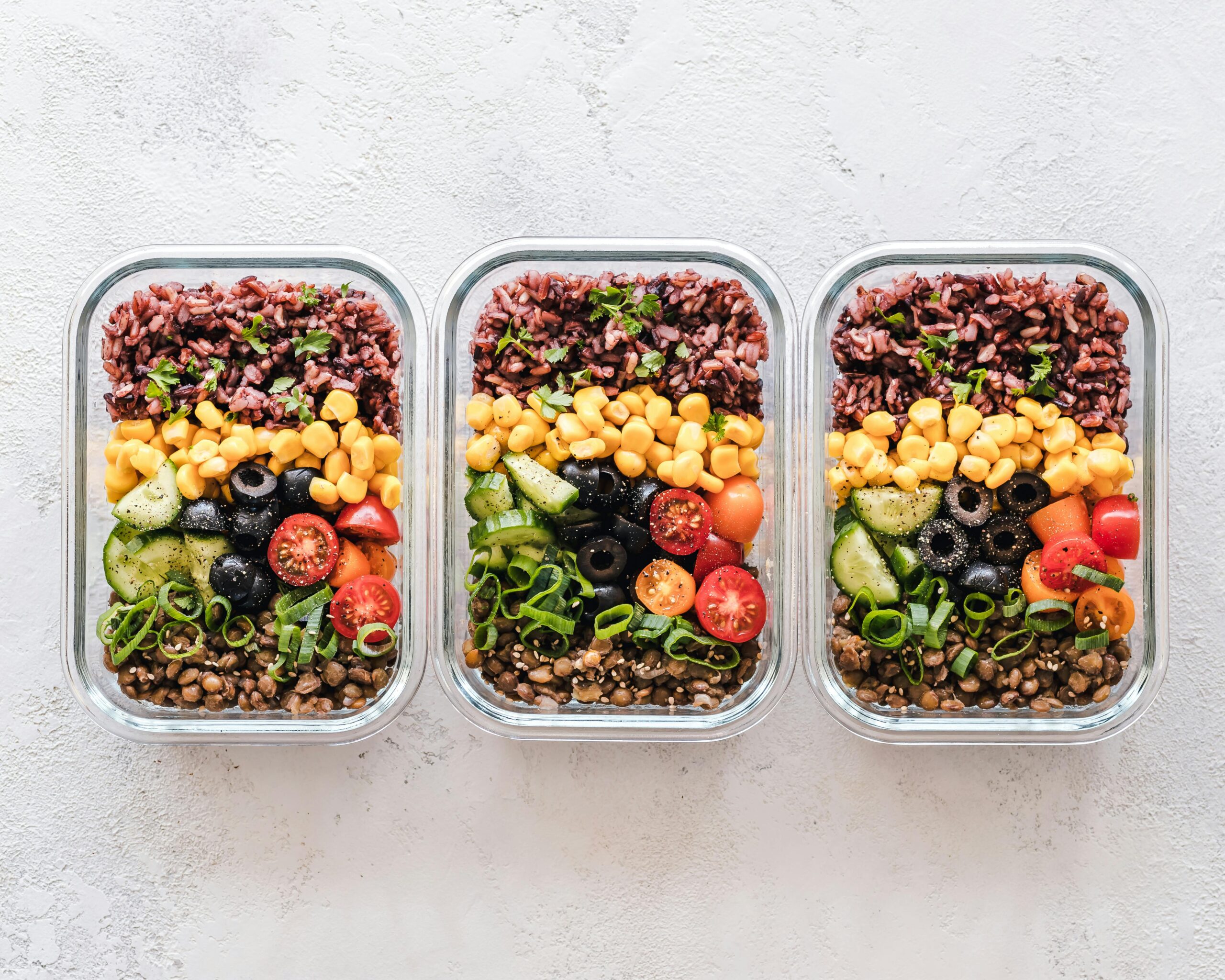
The way you time your meals can transform your energy levels, mood, and overall health more than you might realize. In a world where we’re constantly juggling responsibilities, understanding when to eat becomes just as crucial as knowing what to eat.

Modern life often pushes us toward irregular eating patterns—skipping breakfast, eating lunch at our desks, or grabbing dinner late at night. These habits disrupt our body’s natural rhythms and can lead to fatigue, weight gain, poor digestion, and metabolic issues. But there’s good news: with the right meal timing strategy, you can optimize your body’s performance throughout the day.
🕐 Why Meal Timing Matters More Than You Think
Your body operates on a circadian rhythm—an internal clock that regulates countless biological processes over a 24-hour cycle. This clock influences hormone production, digestion, metabolism, and even how your cells repair themselves. When you eat in alignment with your circadian rhythm, you support these natural processes and experience consistent energy levels throughout the day.
Research shows that eating at irregular times or consuming large meals late at night can disrupt your circadian rhythm, leading to insulin resistance, increased inflammation, and difficulty maintaining a healthy weight. Conversely, strategic meal timing can enhance metabolic function, improve cognitive performance, and support better sleep quality.
Your digestive system also follows predictable patterns. Digestive enzymes and stomach acid production peak at certain times of day, making some hours more optimal for eating than others. Understanding these patterns allows you to work with your body rather than against it.
The Foundation: Your Personalized Meal Timing Framework
Before diving into specific timing strategies, it’s essential to recognize that the “perfect” meal schedule varies based on your lifestyle, work schedule, exercise routine, and individual metabolism. However, certain principles apply universally and can be adapted to your unique circumstances.
Morning Meal Timing: Setting the Tone for Your Day
Breaking your overnight fast within 1-2 hours of waking helps jumpstart your metabolism and stabilizes blood sugar levels. This doesn’t necessarily mean you need a large breakfast, but consuming something nutritious signals to your body that it’s time to shift from fasting mode to active metabolism.
For most people, eating breakfast between 7:00 AM and 9:00 AM aligns well with natural cortisol rhythms. Cortisol, often called the “stress hormone,” actually plays a beneficial role in the morning by helping you feel alert and energized. Pairing this natural cortisol peak with nutrient-dense food provides sustained energy without the crash that comes from skipping breakfast or relying solely on caffeine.
If you practice intermittent fasting, you might delay your first meal until mid-morning or noon. This approach can work well for some individuals, but it’s crucial to ensure your eating window still allows for adequate nutrition and doesn’t lead to overeating later in the day.
Midday Nutrition: Maintaining Momentum ⚡
Lunch timing significantly impacts your afternoon energy and productivity. Eating your midday meal between 12:00 PM and 2:00 PM typically works best for most schedules and digestive patterns. This timing allows for a 4-5 hour gap from breakfast, which gives your body adequate time to digest the previous meal and build up appropriate hunger signals.
The size and composition of your lunch matter as much as the timing. A balanced meal containing lean protein, complex carbohydrates, healthy fats, and vegetables provides sustained energy without triggering the dreaded afternoon slump. Eating too much or choosing heavy, refined foods can redirect blood flow to your digestive system, leaving you feeling sluggish.
Consider these lunch timing strategies based on your schedule:
- Early risers (5:00-6:00 AM wake time): Aim for lunch around 11:30 AM-12:30 PM
- Standard schedule (6:30-7:30 AM wake time): Target 12:30-1:30 PM for lunch
- Later risers (8:00-9:00 AM wake time): Schedule lunch for 1:30-2:30 PM
- Shift workers: Eat your main meal 4-6 hours after waking, regardless of clock time
Evening Eating: The Critical Window for Health
Dinner timing might be the most important meal decision you make each day. Eating your last substantial meal at least 3-4 hours before bedtime allows for proper digestion and helps maintain healthy circadian rhythms. For most people, this means finishing dinner by 7:00-8:00 PM.
Late-night eating has been consistently linked to weight gain, poor sleep quality, acid reflux, and metabolic dysfunction. When you eat late, your body must divert energy toward digestion during hours when it should be focusing on cellular repair and restoration. Additionally, lying down shortly after eating can cause digestive discomfort and disrupt sleep architecture.
The Power of an Earlier Dinner 🌙
Moving your dinner earlier might feel challenging initially, especially if you’re accustomed to eating late. However, the benefits are substantial and often noticeable within just a few days. Earlier dinner timing supports better blood sugar regulation overnight, reduces morning hunger extremes, and often leads to improved sleep quality.
If your schedule makes early dinners difficult, consider these strategies: prepare meals in advance on weekends, use time-saving cooking methods like sheet pan dinners or slow cookers, or adopt a lighter dinner approach where your main meal happens at lunch instead.
Strategic Snacking: When and How to Fill the Gaps
While three main meals work well for many people, strategic snacking can support energy levels and prevent excessive hunger that leads to overeating. The key is timing snacks appropriately and choosing nutrient-dense options.
Mid-morning snacks (around 10:00-10:30 AM) can bridge the gap if you eat an early breakfast or have a physically demanding morning. Choose options that combine protein and fiber, such as Greek yogurt with berries, a small handful of nuts with an apple, or vegetable sticks with hummus.
Afternoon snacks (around 3:00-4:00 PM) help many people avoid arriving home ravenously hungry and overeating at dinner. This strategic snack should be modest in size—think 150-200 calories—and should emphasize protein and healthy fats to provide satiety without spoiling your appetite for dinner.
Creating Your Personal Meal Timing Checklist ✅
Implementing consistent meal timing requires planning and self-awareness. Here’s a comprehensive checklist to help you establish and maintain optimal eating patterns:
- Determine your wake-up time and plan your first meal within 1-2 hours
- Schedule meals at roughly the same time each day, even on weekends
- Allow 4-5 hours between main meals for proper digestion
- Plan your last substantial meal at least 3 hours before bedtime
- Prepare meals and snacks in advance to avoid timing disruptions
- Set phone reminders initially to establish new eating patterns
- Keep healthy, portable snacks available for schedule disruptions
- Adjust your timing gradually rather than making drastic overnight changes
- Track your energy levels to identify your optimal meal times
- Stay flexible and adapt your schedule for special occasions without guilt
Synchronizing Exercise and Meal Timing
Physical activity adds another layer to meal timing strategy. The relationship between exercise and eating significantly impacts energy availability, recovery, and body composition goals.
For morning exercisers, the decision to eat before or after your workout depends on intensity and duration. Light to moderate exercise (like yoga or walking) can typically be done fasted, while high-intensity workouts often benefit from a small pre-workout snack consumed 30-60 minutes beforehand. Post-exercise nutrition becomes crucial—aim to eat a balanced meal within 60-90 minutes after finishing your workout.
Afternoon or evening exercisers should time their last meal 2-3 hours before exercise to avoid digestive discomfort. Post-workout, prioritize protein and carbohydrates to support recovery, but be mindful of not eating too close to bedtime if you exercise late.
Tracking and Optimizing Your Meal Schedule 📱
Technology can support your meal timing goals by providing reminders, tracking patterns, and offering insights into how your eating schedule affects your wellbeing. Meal tracking apps help you maintain consistency and identify patterns you might otherwise miss.
Beyond dedicated meal timing apps, simple phone reminders can effectively establish new habits. Set alerts for your planned meal times and gradually adjust them based on your energy levels, hunger patterns, and schedule constraints.
Overcoming Common Meal Timing Challenges
Even with the best intentions, life presents obstacles to consistent meal timing. Recognizing these challenges in advance allows you to develop strategies for maintaining your schedule despite disruptions.
Dealing with Irregular Work Schedules
Shift workers and those with variable schedules face unique challenges. The key is maintaining consistency relative to your wake time rather than clock time. If you wake at 2:00 PM for a night shift, your “breakfast” should still happen within 1-2 hours of waking, even though it’s afternoon by the clock.
Create portable meal options that travel well and don’t require refrigeration. Establish eating routines for each type of shift you work, so your body can anticipate meal times even when your schedule varies week to week.
Social Situations and Special Occasions 🎉
Perfect consistency isn’t realistic or necessary. Occasional late dinners, spontaneous meals, or special celebrations won’t derail your progress if you maintain your routine most of the time. When you know a schedule disruption is coming, prepare by being extra consistent in the days surrounding the event.
At social gatherings, you can still honor your meal timing principles by eating a small, protein-rich snack before attending evening events, choosing smaller portions if dinner is served late, or simply accepting that one off-schedule meal won’t significantly impact your overall health.
Recognizing When Your Timing Strategy Needs Adjustment
Your optimal meal timing may evolve as your life circumstances change. Pregnancy, aging, new medications, changes in physical activity, or shifts in work schedules all warrant reassessing your eating patterns.
Signs that your current timing strategy isn’t working include persistent afternoon energy crashes, difficulty falling or staying asleep, extreme hunger between meals, digestive discomfort, or inability to maintain a healthy weight despite eating nutritious foods. These signals suggest your meal timing needs refinement.
Keep a simple journal for 1-2 weeks, noting meal times alongside energy levels, hunger, mood, and sleep quality. Patterns will emerge that reveal your body’s preferences and help you make informed adjustments.
Building Long-Term Success with Meal Timing
Transforming your meal timing habits isn’t about perfection—it’s about progress and consistency. Small, sustainable changes yield better results than drastic overhauls that prove impossible to maintain. Start by adjusting just one meal time and maintaining that change for a week before adding another modification.
Celebrate small victories: consistently eating breakfast, moving dinner earlier by 30 minutes, or going a week without late-night snacking all represent meaningful progress. These incremental improvements compound over time, leading to significant health benefits.
Remember that your meal timing strategy should enhance your life, not create additional stress. If a particular approach feels overly restrictive or causes anxiety around eating, it’s not the right fit. The best meal timing pattern is one you can maintain consistently while still enjoying food and social connections.
The Ripple Effects of Consistent Meal Timing
When you establish regular meal timing, the benefits extend far beyond energy levels. You’ll likely notice improved digestion, more stable moods, better focus and productivity, enhanced athletic performance, and easier weight management. Sleep quality often improves dramatically, creating a positive cycle where better rest supports healthier eating patterns.
Your relationship with food may also shift. Regular meal timing reduces impulsive eating decisions made from extreme hunger. You’ll feel more in control of your choices and less likely to experience guilt or anxiety around food.
Family and social dynamics can benefit too. Establishing consistent meal times creates opportunities for connection and ritual. Sharing meals at predictable times strengthens relationships and provides structure, especially valuable for children learning healthy eating habits.

Taking Your First Steps Toward Better Meal Timing
Begin your meal timing transformation today by identifying just one change that would create the biggest positive impact. Perhaps it’s eating breakfast within an hour of waking, moving dinner 30 minutes earlier, or establishing a consistent lunch time.
Plan your meals for the upcoming week, scheduling specific times for each. Prepare grab-and-go options so schedule pressures don’t derail your intentions. Set reminders on your phone if needed, and communicate your new eating schedule to family members or roommates who might be affected.
Track your progress not through rigid adherence to rules, but through how you feel. Increased energy, better sleep, improved mood, and stable hunger levels are the true markers of success. Give your body at least two weeks to adjust to new timing patterns before deciding whether they’re working for you.
Mastering meal timing isn’t about following someone else’s perfect schedule—it’s about discovering the rhythm that allows your body to function optimally. With patience, experimentation, and consistency, you’ll find the eating pattern that supports your health, energy, and daily balance for years to come.