Late-night snacking doesn’t have to sabotage your health goals. Understanding the science behind midnight cravings empowers you to make smarter choices that align with your nocturnal lifestyle.

If you’re someone who comes alive after sunset, you’ve probably experienced the familiar tug of hunger pangs long after traditional dinner hours. Night owls face unique nutritional challenges that conventional meal timing advice simply doesn’t address. The good news? Your late-night eating patterns aren’t inherently unhealthy—they just require a different approach rooted in understanding your body’s natural rhythms and metabolic needs.
🌙 Why Night Owls Experience Different Hunger Patterns
Your chronotype—essentially your body’s internal preference for sleep and wake times—significantly influences when you feel hungry. Research shows that individuals with evening chronotypes experience peak metabolism later in the day compared to early birds. This isn’t a character flaw or lack of willpower; it’s biology.
The hormone ghrelin, which signals hunger, operates on a schedule influenced by your circadian rhythm. For night owls, this hunger hormone doesn’t follow the conventional breakfast-lunch-dinner timeline. Your body genuinely needs fuel when it’s active and alert, which happens to be later in the evening for you.
Additionally, leptin—the satiety hormone that tells you when you’re full—follows its own circadian pattern. Night owls often have delayed leptin peaks, meaning the feeling of fullness arrives later than it does for morning people. Understanding this physiological difference is the first step toward mastering your midnight cravings.
The Science Behind Smart Meal Timing
Meal timing isn’t just about when you eat; it’s about synchronizing your food intake with your body’s metabolic windows. The concept of chrononutrition explores how the timing of meals affects metabolism, digestion, and overall health outcomes.
For night owls, forcing yourself into an early dinner schedule can actually work against your natural metabolic rhythm. Studies have shown that eating when your body is prepared to digest and utilize nutrients leads to better glucose control, improved energy levels, and more sustainable weight management.
Insulin Sensitivity and Evening Eating
One common concern about late-night eating centers on insulin sensitivity, which naturally decreases as the day progresses. However, this doesn’t mean night owls are doomed to metabolic dysfunction. The key lies in food choices and portion control rather than strict timing restrictions.
Complex carbohydrates paired with protein and healthy fats can moderate blood sugar spikes even during evening hours. Your body’s ability to process nutrients depends more on what you eat and your overall circadian alignment than on arbitrary clock times.
🍽️ Strategic Meal Distribution for Night Owls
Rather than adhering to traditional three-meal structures, night owls benefit from redistributing their caloric intake to match their active hours. This doesn’t mean eating more overall—it means eating smarter based on when your body actually needs fuel.
Consider structuring your eating window to begin later in the day. If you’re not genuinely hungry until 11 AM, there’s no biological reason to force breakfast at 7 AM. This approach aligns with intermittent fasting principles while respecting your natural chronotype.
The Four-Phase Eating Approach
Many successful night owls adopt a four-phase eating pattern that distributes nutrients throughout their waking hours:
- Late morning fuel-up (11 AM – 12 PM): A balanced meal with protein, complex carbs, and healthy fats to break your overnight fast
- Afternoon sustenance (3 PM – 4 PM): A moderate meal to maintain energy through your productive afternoon hours
- Evening main meal (7 PM – 8 PM): Your largest meal when your appetite peaks and social dining typically occurs
- Late-night strategic snack (10 PM – 11 PM): A carefully chosen mini-meal to fuel your active evening hours without disrupting sleep
This structure acknowledges that you’ll be awake and active for several hours after your evening meal, making that late-night snack a legitimate nutritional need rather than “cheating.”
Decoding Your Midnight Cravings 🔍
Not all late-night cravings signal true hunger. Learning to distinguish between different types of cravings helps you respond appropriately and avoid unnecessary calorie consumption.
Habit-based cravings occur simply because you’ve trained your body to expect food at certain times or during specific activities like watching television. These fade when you consciously break the pattern for about two weeks.
Emotional cravings stem from stress, boredom, or other feelings rather than physical hunger. These typically target specific comfort foods and persist even after eating. Addressing the underlying emotion proves more effective than eating in these situations.
Genuine hunger builds gradually, accepting various food options, and is accompanied by physical signs like stomach rumbling or slight lightheadedness. This type of craving deserves a nutritious response.
The Hydration Factor
Dehydration commonly masquerades as hunger, especially during evening hours when people often forget to drink water. Before reaching for a snack, drink a full glass of water and wait fifteen minutes. Many times, the craving dissipates completely.
Smart Food Choices for Late-Night Satisfaction
What you eat during late hours matters significantly more than the timing itself. Certain foods support quality sleep and stable blood sugar, while others trigger digestive discomfort and energy crashes.
The ideal late-night snack combines protein, fiber, and healthy fats—a trio that provides sustained energy without spiking blood sugar or sitting heavily in your stomach. These nutrients also support the production of sleep-promoting hormones when your body is ready for rest.
Night-Owl-Approved Late Evening Options
- Greek yogurt with berries and nuts: Provides casein protein that digests slowly, plus antioxidants and healthy fats
- Hummus with vegetable sticks: Fiber and protein combination that satisfies without excess calories
- Cottage cheese with cherry tomatoes: High protein content with minimal carbs and natural melatonin from tomatoes
- Almond butter on whole grain crackers: Balanced macros that prevent blood sugar fluctuations
- Hard-boiled eggs with avocado slices: Complete protein plus beneficial fats that support hormone production
- Edamame with sea salt: Plant-based protein that’s surprisingly filling in small portions
Notice that these options avoid refined sugars and heavy carbohydrates that can interfere with eventual sleep quality while still providing genuine nourishment for your active evening hours.
⚡ Optimizing Energy Without Disrupting Sleep
Night owls walk a fine line between maintaining energy for evening productivity and setting themselves up for quality sleep when they’re finally ready for bed. Your food choices directly impact both sides of this equation.
Caffeine metabolism varies significantly between individuals, but as a general rule, night owls should avoid caffeinated beverages at least six hours before their intended bedtime. If you typically sleep at 2 AM, your caffeine cutoff would be around 8 PM.
Similarly, while alcohol might make you feel drowsy initially, it fragments sleep architecture and reduces restorative deep sleep phases. If you enjoy an evening drink, limit it to one serving and finish it at least three hours before bed.
The Magnesium Connection
Many night owls unknowingly struggle with magnesium deficiency, which can intensify late-night cravings and disrupt sleep quality. This essential mineral plays crucial roles in glucose metabolism and nervous system regulation.
Incorporating magnesium-rich foods into your evening meals helps address both cravings and sleep challenges. Dark leafy greens, pumpkin seeds, dark chocolate (in moderation), and fatty fish provide substantial magnesium alongside other beneficial nutrients.
Building Your Personalized Night Owl Nutrition Plan 📋
Generic meal plans fail night owls because they don’t account for individual schedules, preferences, and metabolic patterns. Creating a personalized approach requires honest assessment of your actual lifestyle and hunger patterns.
Track your natural hunger signals for one week without judgment. Note when you feel genuinely hungry, what you’re doing at the time, and what foods satisfy you. This data reveals your authentic eating rhythm rather than what you think you should be doing.
Next, identify your non-negotiable meal times—perhaps lunch with colleagues or dinner with family. Build your eating structure around these fixed points, adding strategic snacks to bridge longer gaps that fall during your active hours.
Prep Strategies That Actually Work
Late-night kitchen expeditions often lead to poor choices simply because healthy options aren’t readily available. Strategic preparation transforms your late-night eating patterns without requiring superhuman willpower.
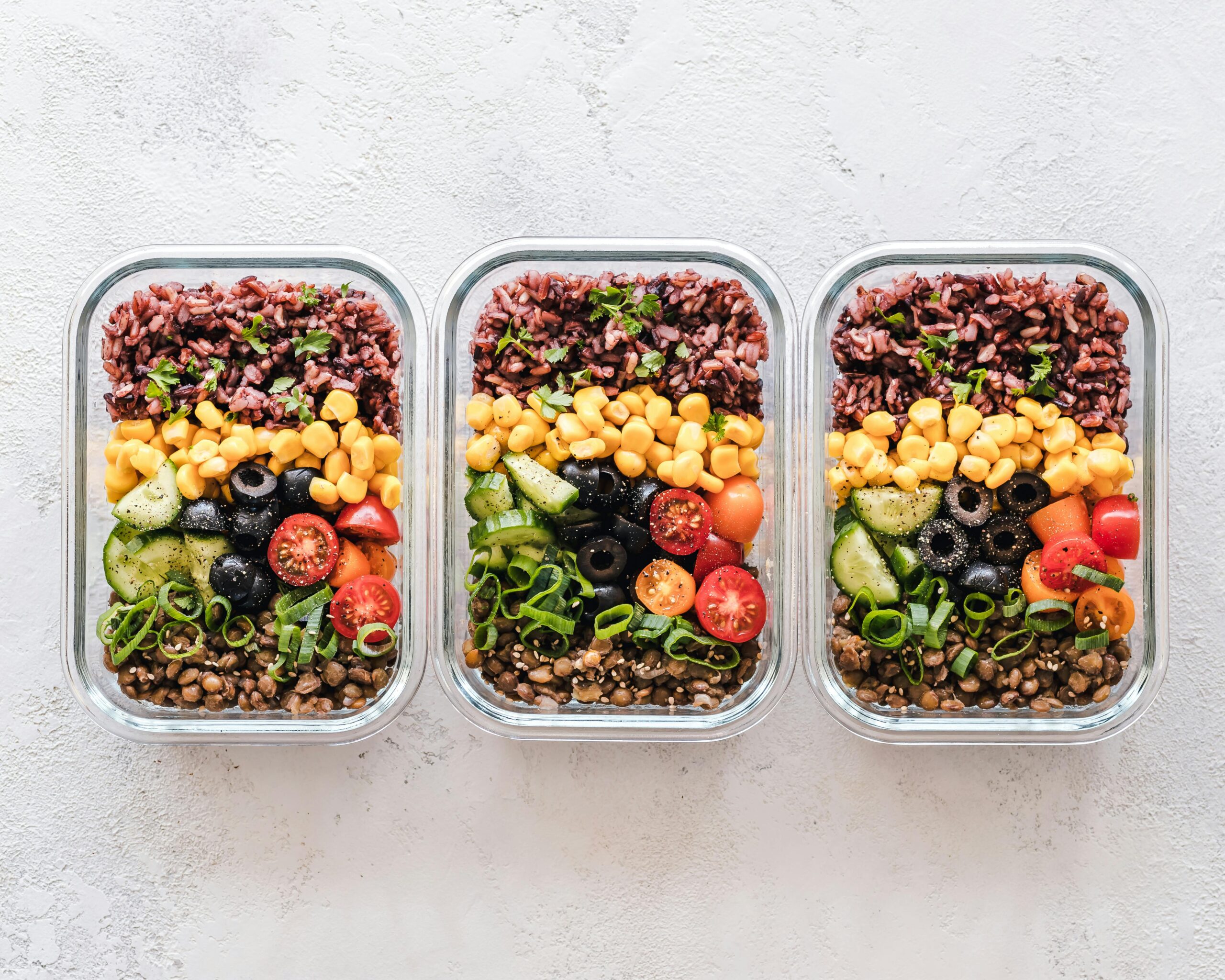
Dedicate one hour weekly to preparing grab-and-go options specifically for evening consumption. Portion individual servings into containers so you can eat mindfully rather than munching directly from large packages. Pre-cut vegetables, portioned nuts, and prepared protein sources eliminate barriers between you and nutritious choices.
Technology Tools for Tracking and Success 📱
Modern apps can help night owls monitor their eating patterns, identify triggers, and maintain consistency with their personalized meal timing approach. Food tracking apps with customizable meal times accommodate non-traditional schedules better than paper journals.
Look for applications that allow you to adjust meal names and timing to match your lifestyle. Instead of “breakfast, lunch, dinner,” you might label meals as “first meal, afternoon fuel, evening meal, night snack” to better reflect your actual eating pattern.
Some night owls find success with apps that track circadian rhythms alongside food intake, revealing connections between meal timing and energy levels, mood, and sleep quality. These insights prove invaluable for fine-tuning your personalized approach.
🧠 The Psychology of Sustainable Change
Transforming your relationship with late-night eating requires addressing psychological patterns alongside nutritional strategies. Restriction-based approaches typically backfire, creating the forbidden-fruit effect that intensifies cravings.
Permission-based eating—where no foods are strictly off-limits—paradoxically leads to better choices. When you know you can have anything, the urgency and emotional charge around specific foods diminishes. This doesn’t mean eating everything indiscriminately; it means removing moral judgments from food decisions.
Mindful eating practices prove particularly valuable for night owls who often eat while engaged in other activities. Taking five minutes to sit, breathe, and actually taste your late-night snack transforms the experience from mindless consumption to genuine nourishment.
Environmental Design for Success
Your physical environment significantly influences eating behaviors, especially during evening hours when decision fatigue peaks. Simple environmental modifications support better choices without requiring constant willpower.
Keep tempting processed snacks out of immediate sight while positioning healthier options at eye level and within easy reach. This doesn’t mean banishing treats entirely—it means adding friction to impulse choices and reducing barriers to nutritious alternatives.
Navigating Social Situations and Schedules
Night owls often face social pressure around their eating schedules, with well-meaning friends and family questioning late meals or expressing concern about “unhealthy” patterns. Educating your social circle about chronotype differences and chrononutrition science helps reduce this friction.
When dining out, don’t hesitate to request later reservations that align with your natural hunger patterns. Many restaurants accommodate varied schedules, and eating when you’re genuinely hungry leads to more enjoyable experiences and better satisfaction signals.
For workplace situations involving early breakfast meetings or lunch schedules that don’t match your hunger, have strategic snacks available so you can participate socially without forcing food when you’re not ready to eat. Save your true meal for when your body actually needs fuel.
🎯 Measuring Success Beyond the Scale
Traditional weight-focused metrics often miss the bigger picture of health improvements that come from aligning your eating patterns with your chronotype. Expand your definition of success to include various wellness markers.
Improved energy levels throughout your active evening hours signal that your meal timing successfully supports your metabolic needs. Better sleep quality—even if it occurs later than conventional recommendations—indicates that your evening food choices aren’t disrupting your rest.
Reduced urgency around late-night cravings suggests you’ve addressed underlying nutritional gaps and emotional triggers. When you can calmly choose whether to eat rather than feeling controlled by cravings, you’ve achieved significant progress.
Digestive comfort represents another important metric. Bloating, acid reflux, or sluggishness after evening meals indicate that timing, portions, or food choices need adjustment for your individual system.
Long-Term Sustainability and Flexibility
The most effective nutrition approach is the one you can maintain long-term without constant struggle. Your personalized night owl eating pattern should feel natural rather than restrictive, supporting your lifestyle instead of fighting against it.
Build flexibility into your structure from the beginning. Some days you’ll eat earlier or later than usual, and that’s completely fine. Rigid rules create unnecessary stress and often lead to abandon-ship mentality when you inevitably deviate from the plan.
Periodically reassess your approach as your schedule, stress levels, and life circumstances change. What works during one season of life might need modification during another. This adaptability ensures your nutrition strategy evolves with you rather than becoming obsolete.
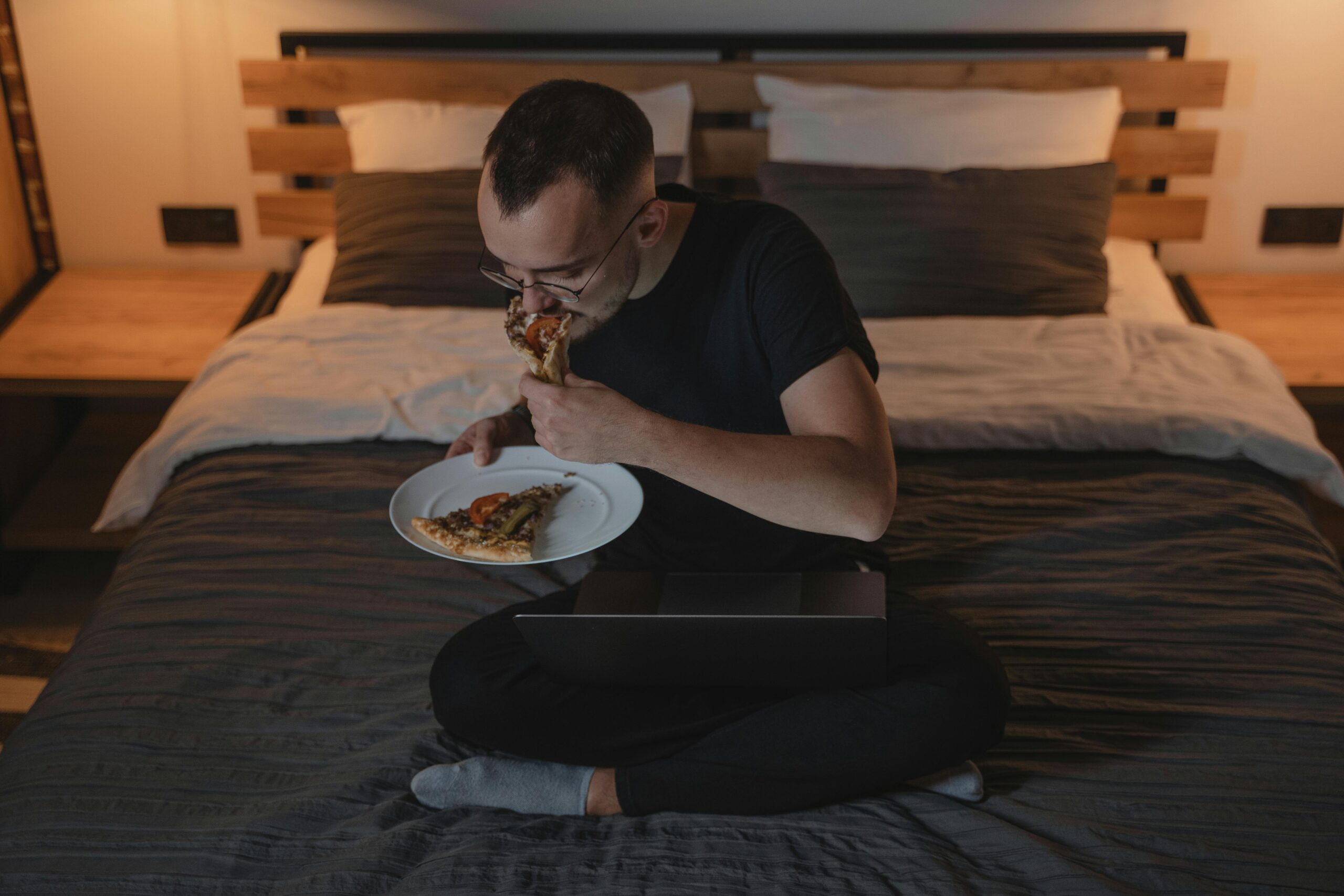
Embracing Your Night Owl Identity 🦉
Perhaps the most powerful shift involves releasing guilt and shame around your natural chronotype. You’re not lazy, undisciplined, or unhealthy simply because you come alive after sunset. Your body operates on a different but equally valid biological rhythm.
When you stop fighting your nature and instead work with it strategically, everything becomes easier. Late-night eating transforms from a problem to be fixed into an opportunity for aligned nourishment that supports your best life.
Your midnight cravings carry information about what your body needs. By learning to decode these signals and respond with strategic food choices timed to your natural rhythms, you master your nutrition in a way that honors your authentic self. This isn’t about perfect adherence to someone else’s rules—it’s about creating a sustainable, science-backed approach that lets you thrive as the night owl you naturally are.