The way you structure your eating schedule can transform not just your physical health, but your mental clarity, energy levels, and overall productivity throughout the day.

Modern life demands flexibility, yet most traditional diet plans impose rigid meal schedules that clash with our dynamic routines. The concept of flexible meal blocks offers a revolutionary approach that adapts to your lifestyle while optimizing your body’s natural rhythms. This comprehensive guide explores how strategic timing of your meals can unlock unprecedented levels of health and performance.
🕐 Understanding the Foundation of Flexible Meal Blocks
Flexible meal blocks represent a paradigm shift from conventional eating schedules. Rather than adhering to strict breakfast-lunch-dinner timings, this approach organizes your day into customizable eating windows that align with your circadian rhythm, work demands, and personal preferences.
The fundamental principle behind meal blocks is simple: your body functions optimally when it receives nutrition during specific windows that support metabolic processes, hormonal balance, and energy requirements. Unlike intermittent fasting, which focuses primarily on restriction periods, flexible meal blocks emphasize strategic nourishment timing.
Research from chronobiology demonstrates that our bodies operate on predictable cycles. Insulin sensitivity peaks during morning hours, making earlier meal blocks ideal for carbohydrate consumption. Conversely, evening hours favor protein synthesis, supporting muscle recovery and cellular repair during sleep.
The Science Behind Meal Timing
Your circadian clock influences virtually every metabolic process in your body. Studies published in Cell Metabolism have shown that eating during daylight hours when your metabolism is most active can improve glucose regulation by up to 20% compared to late-night eating.
The concept of metabolic flexibility—your body’s ability to efficiently switch between burning carbohydrates and fats—directly connects to meal timing. When you establish consistent meal blocks, your body anticipates nutrient intake, preparing digestive enzymes and hormones accordingly.
📊 Designing Your Personalized Meal Block System
Creating an effective meal block system requires understanding your unique chronotype, lifestyle demands, and health goals. Not everyone thrives on identical schedules, which is precisely why flexibility forms the cornerstone of this approach.
Identifying Your Optimal Eating Window
Begin by tracking your natural hunger patterns for one week without forcing any specific schedule. Notice when you genuinely feel hungry versus when you eat out of habit or social convention. This awareness forms the foundation for your customized meal blocks.
Most individuals find success with eating windows spanning 8-12 hours, though this varies significantly based on activity levels, work schedules, and metabolic health. Athletes and highly active individuals may require 12-hour windows, while those focused on metabolic health might thrive on 8-10 hour windows.
The Three-Block Framework
A practical starting point involves dividing your eating window into three flexible blocks:
- Block One (Energy Foundation): Consumed within 1-2 hours of waking, this block establishes metabolic momentum for the day
- Block Two (Sustained Performance): Timed 4-6 hours after Block One, supporting afternoon productivity and preventing energy crashes
- Block Three (Recovery and Repair): Scheduled 3-5 hours before sleep, optimizing digestive processes and sleep quality
The beauty of this framework lies in its adaptability. Shift workers can rotate their blocks according to their schedules, while standard nine-to-five workers can align blocks with natural work rhythms.
⚡ Maximizing Productivity Through Strategic Timing
The connection between meal timing and cognitive performance is profound. When you eat significantly impacts mental clarity, focus duration, and decision-making capability throughout your day.
Morning Block: Setting the Cognitive Stage
Your first meal block dramatically influences your entire day’s productivity trajectory. Consuming protein-rich foods during this window stabilizes blood glucose levels, preventing the mid-morning energy crash that plagues many professionals.
Research from the American Journal of Clinical Nutrition indicates that protein intake within the first two waking hours increases dopamine production, enhancing motivation and focus for approximately 4-6 hours. This biochemical advantage makes your morning block crucial for tackling demanding cognitive tasks.
Consider incorporating foods rich in tyrosine (eggs, Greek yogurt, turkey) and omega-3 fatty acids (salmon, walnuts, chia seeds) during this block to maximize neurotransmitter production supporting sustained attention.
Midday Block: Sustaining Peak Performance
The dreaded afternoon slump affects productivity across industries, costing businesses billions annually. Your second meal block represents your primary defense against this universal challenge.
Timing this block between 12:00-14:00 for most schedules prevents the blood sugar volatility that triggers afternoon fatigue. The composition matters equally: balanced meals containing complex carbohydrates, lean proteins, and healthy fats maintain stable energy release.
Avoid heavy, carbohydrate-dominant meals during this window, as they trigger excessive insulin release, promoting drowsiness. Instead, opt for meals with a 40-30-30 ratio of carbohydrates, protein, and fat respectively.
Evening Block: Optimizing Recovery
Your final meal block serves dual purposes: satisfying hunger and preparing your body for restorative sleep. Timing this block at least three hours before bedtime allows adequate digestion, preventing sleep disruption while supporting overnight cellular repair.
Evening blocks benefit from including magnesium-rich foods (leafy greens, pumpkin seeds, dark chocolate) and tryptophan sources (turkey, chickpeas, bananas) that support natural melatonin production, enhancing sleep quality.
🎯 Implementing Meal Blocks Across Different Lifestyles
One size definitely doesn’t fit all when it comes to meal timing. Here’s how to adapt flexible meal blocks to various lifestyle scenarios:
For Corporate Professionals
Traditional office workers can structure blocks around the typical 9-to-5 schedule. Consider a 7:00 AM first block before commuting, a 12:30 PM second block during lunch breaks, and a 6:30 PM third block after returning home. This 11.5-hour eating window aligns perfectly with natural circadian rhythms while accommodating standard work hours.
For Shift Workers
Night shift workers face unique challenges, as they’re working against natural circadian preferences. The key is maintaining consistency regardless of when your “day” begins. If your shift starts at 10:00 PM, treat that as your morning, consuming your first block around 9:00 PM, second around 2:00 AM, and third around 7:00 AM before sleep.
For Entrepreneurs and Freelancers
Those with flexible schedules possess the greatest opportunity to optimize meal blocks around their peak productivity hours. Experiment with different timing combinations across 2-3 weeks to identify patterns that maximize your creative output and sustained focus.
For Athletes and Active Individuals
Physical training introduces additional timing considerations. Position your second or third meal block within 90 minutes post-workout to capitalize on the anabolic window. Active individuals may also benefit from a smaller fourth “block” consisting of a protein-rich snack before evening workouts.
📱 Technology Tools for Tracking Meal Blocks
Modern technology simplifies the implementation and optimization of flexible meal blocks. Several applications help you track timing, monitor hunger patterns, and adjust your schedule for maximum effectiveness.
Meal reminder apps with customizable notifications ensure you maintain consistent timing even during busy days. These tools prevent the common mistake of accidentally extending fasting windows too long, which can trigger metabolic stress responses.
Comprehensive tracking apps that monitor not just meal timing but also energy levels, mood, and productivity metrics provide valuable insights for refining your personalized meal block system over time.
🍽️ What to Eat Within Your Meal Blocks
While timing forms the foundation of this approach, meal composition significantly impacts results. Each block benefits from specific macronutrient strategies that support its primary purpose.
Block One Composition
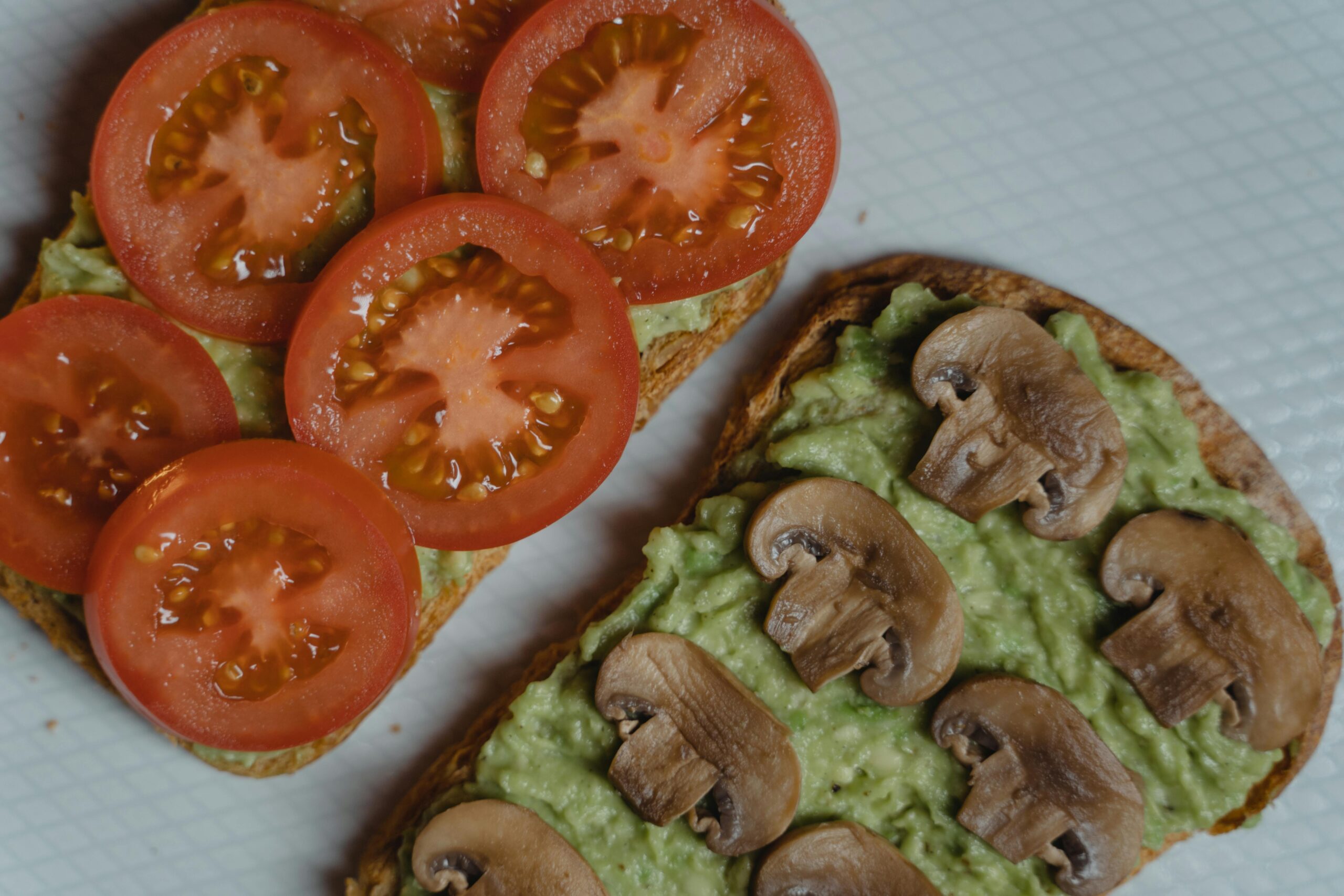
Prioritize protein (25-35g) combined with moderate healthy fats and lower glycemic carbohydrates. This combination provides sustained energy without triggering reactive hypoglycemia. Excellent options include vegetable omelets with avocado, Greek yogurt parfaits with nuts and berries, or smoked salmon with whole grain toast.
Block Two Composition
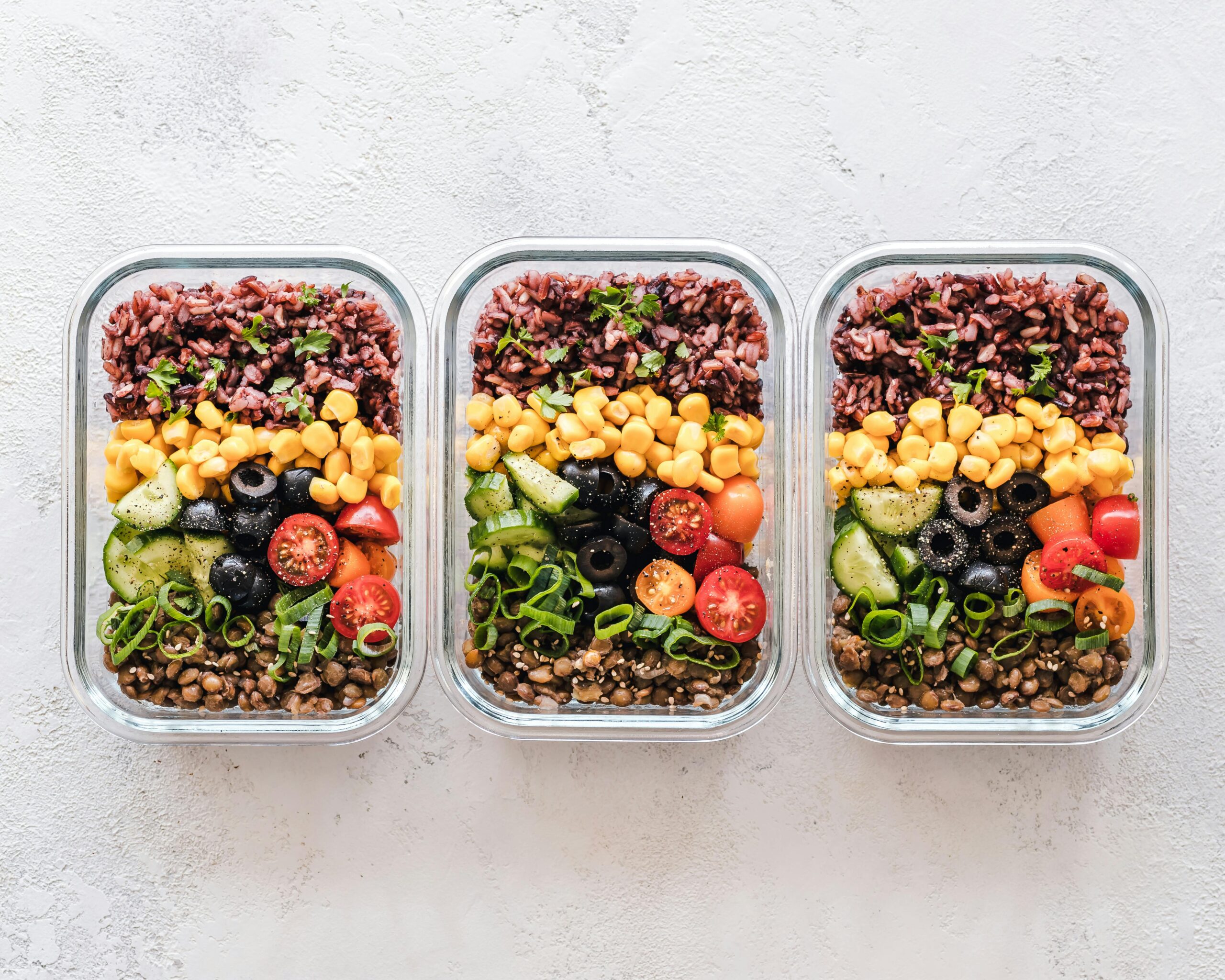
Balance remains key for your midday block. Include lean proteins, colorful vegetables, complex carbohydrates, and healthy fats in roughly equal proportions. Mediterranean-style meals exemplify this balance: grilled chicken with quinoa and roasted vegetables, or lentil soup with mixed greens and olive oil dressing.
Block Three Composition
Evening meals should be substantial enough to prevent nighttime hunger but not so heavy that they impair digestion. Emphasize easily digestible proteins like fish or poultry, paired with generous portions of cooked vegetables and moderate complex carbohydrates. Limit raw vegetables and high-fat foods that may slow digestion.
💡 Common Challenges and Practical Solutions
Implementing any new eating pattern presents obstacles. Anticipating these challenges and having strategies ready dramatically increases long-term adherence.
Social Situations and Flexibility
Rigid eating schedules often collapse when confronted with social events, business dinners, or family gatherings. The flexible meal block approach handles these situations gracefully—simply shift your blocks forward or backward by 1-2 hours to accommodate special circumstances.
This flexibility prevents the all-or-nothing mentality that derails many dietary approaches. Missing your typical timing by an hour or two doesn’t negate the benefits of maintaining your general eating window.
Managing Hunger Between Blocks
Initial adjustment periods often involve hunger sensations between established blocks. This typically reflects your body’s adaptation to new timing patterns rather than genuine caloric deficiency. Stay hydrated, as thirst often masquerades as hunger. Herbal teas, black coffee, or sparkling water can help bridge gaps between blocks.
If hunger persists beyond the two-week adaptation period, your blocks may be spaced too far apart or your meals may lack adequate protein and fiber. Adjust timing or composition accordingly.
Travel and Time Zone Changes
Traveling across time zones disrupts even well-established routines. Use your meal blocks as tools for faster circadian adjustment. Upon arrival, immediately align your first meal block with the local morning time, regardless of when you last ate. This signals your body to begin adapting to the new schedule.
🔬 The Health Benefits Beyond Productivity
While productivity improvements often motivate initial interest in meal block timing, the health benefits extend far deeper into metabolic, hormonal, and cellular function.
Improved Metabolic Health Markers
Consistent meal timing improves insulin sensitivity, reducing diabetes risk. Studies show that eating within consistent windows can lower fasting blood glucose levels by 3-5% and reduce hemoglobin A1C by up to 0.5 percentage points over three months.
Weight Management Without Calorie Counting
Time-restricted eating patterns naturally reduce overall caloric intake by approximately 8-12% without conscious restriction, according to research from the Salk Institute. Establishing regular meal blocks eliminates mindless snacking and late-night eating, two primary contributors to unwanted weight gain.
Enhanced Cellular Repair Processes
The period between your final meal block and breaking your overnight fast allows autophagy—your body’s cellular cleaning process—to function optimally. This maintenance system removes damaged proteins and cellular components, potentially reducing chronic disease risk and supporting healthy aging.
🚀 Advanced Strategies for Optimization
Once you’ve established baseline meal blocks, advanced strategies can further enhance results for specific goals.
Carbohydrate Cycling Within Blocks
Athletes and active individuals can manipulate carbohydrate timing around training sessions. Concentrate higher carbohydrate foods in blocks surrounding workouts, while reducing them on rest days. This approach optimizes performance and recovery while supporting body composition goals.
Protein Distribution for Muscle Maintenance
Research suggests distributing protein relatively evenly across meal blocks (rather than consuming most at dinner) better stimulates muscle protein synthesis. Aim for 25-40g of protein per block depending on body size and activity level.
Micronutrient Timing Considerations
Certain nutrients absorb better at specific times. Iron absorption improves when consumed with vitamin C and away from calcium. Fat-soluble vitamins (A, D, E, K) should accompany meals containing healthy fats. Strategic nutrient timing within your blocks maximizes absorption and utilization.
🌟 Creating Sustainable Long-Term Habits
The ultimate goal isn’t perfect adherence to rigid timing but rather establishing a flexible framework that enhances your life indefinitely. Sustainability trumps perfection every time.
Start with 80% consistency as your target. Following your meal block schedule four out of five days weekly delivers significant benefits while maintaining life flexibility. As the pattern becomes habitual, consistency naturally increases without additional effort.
Track subjective measures like energy levels, sleep quality, mental clarity, and mood alongside objective metrics such as weight, body measurements, or fitness performance. These data points reveal which timing patterns serve you best, guiding ongoing refinement.
Remember that your optimal meal block structure may evolve with life changes—new jobs, different training goals, seasonal variations, or aging. Reassess your schedule quarterly, making adjustments that honor your current circumstances and objectives.

🎓 Mastering Your Day Through Intentional Timing
Flexible meal blocks represent more than another dietary trend—they embody a fundamental understanding that when you eat matters as much as what you eat. By aligning your nutrition timing with circadian biology, work demands, and personal preferences, you create a sustainable framework supporting both immediate productivity and long-term health.
The power of this approach lies in its adaptability. Whether you’re a shift worker, corporate professional, athlete, or entrepreneur, customized meal blocks can transform your relationship with food from a source of stress into a strategic tool for optimizing every aspect of your day.
Begin with the three-block framework, experiment with timing that fits your lifestyle, and pay attention to how different schedules affect your energy, focus, and wellbeing. Small adjustments can yield remarkable improvements in how you feel and perform throughout your day.
Your journey toward mastering your day through flexible meal blocks starts with a single intentional choice about when you’ll consume your next meal. That simple decision, repeated consistently, has the power to revolutionize your health, productivity, and overall quality of life. The question isn’t whether strategic meal timing works—the science clearly confirms it does. The only question is when you’ll start implementing this powerful approach to unlock your full potential.