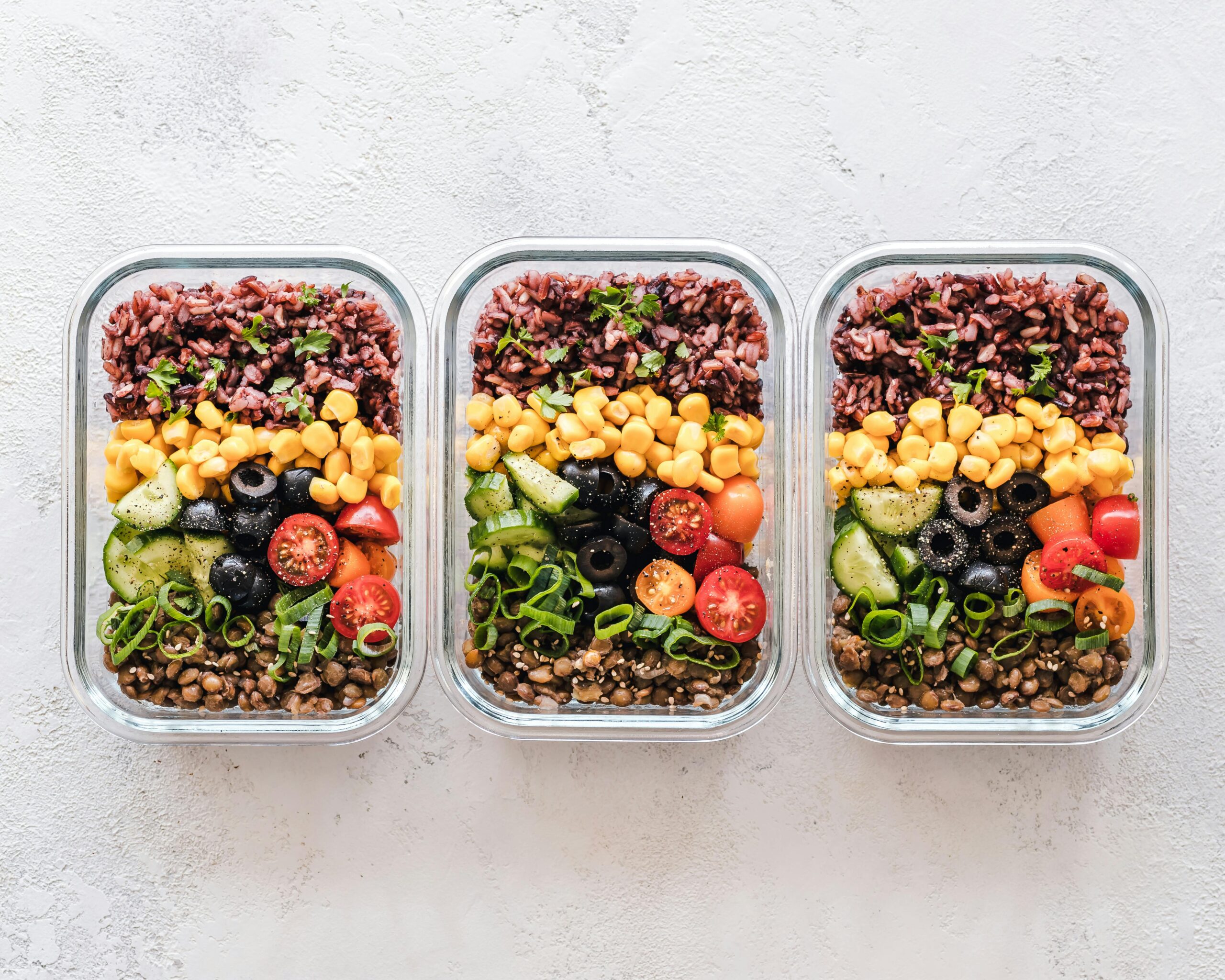
Your morning meal timing isn’t just about when you eat—it’s about strategically fueling your body and mind for peak performance throughout the day.

Most people stumble through their mornings without realizing that the timing of their first meal can dramatically impact energy levels, mental clarity, and overall productivity. Understanding the science behind meal timing and implementing a structured framework can transform not just your mornings, but your entire day’s performance trajectory.
⏰ The Science Behind Morning Meal Timing
Your body operates on a circadian rhythm that influences everything from hormone production to digestion efficiency. When you wake up, cortisol levels naturally peak to help you feel alert and energized. This biological process has profound implications for when and what you should eat.
Research shows that breaking your overnight fast at the right time synchronizes with your body’s metabolic processes, optimizing nutrient absorption and energy distribution. The timing of your morning meal directly affects insulin sensitivity, blood sugar regulation, and cognitive function—all critical factors for productivity.
The concept of meal timing extends beyond simple hunger management. It’s about leveraging your body’s natural rhythms to maximize nutrient utilization and maintain stable energy levels throughout your most productive hours.
🌅 Understanding Your Body’s Natural Wake-Up Protocol
When you first open your eyes, your body is already several hours into complex metabolic processes. During sleep, your body has been fasting, repairing tissues, and consolidating memories. This overnight fasting period creates a unique metabolic state that you can harness strategically.
Upon waking, your cortisol levels surge—a natural phenomenon called the cortisol awakening response. This hormone spike serves as your body’s natural alarm clock, mobilizing energy reserves and preparing you for the day ahead. Timing your first meal around this biological event can amplify or diminish its benefits.
The One to Two Hour Window Strategy
Most nutrition experts and productivity researchers recommend waiting 60 to 120 minutes after waking before consuming your first substantial meal. This delay allows your natural cortisol spike to run its course without interference from insulin responses triggered by food consumption.
During this initial window, your body is primed to use stored energy, particularly fat reserves, for fuel. Extending this fasted state strategically can enhance mental clarity and focus—states highly valued by high performers and creative professionals.
💧 Hydration: The Often-Overlooked Morning Priority
Before discussing solid food, we must address hydration. After six to eight hours without water, your body is in a mildly dehydrated state. This dehydration can significantly impair cognitive function, mood, and physical performance—often before you even feel thirsty.
Starting your morning with 16 to 24 ounces of water should be non-negotiable in your morning routine. Add a pinch of sea salt or a squeeze of lemon to enhance absorption and provide trace minerals. This simple practice jumpstarts your metabolism and prepares your digestive system for the incoming nutrients.
Many people mistake dehydration for hunger, reaching for food when their body actually needs water. Proper morning hydration can help you better recognize true hunger signals and make more intentional decisions about meal timing.
🍳 The Ideal Composition of Your First Meal
When you do break your fast, the composition of your meal matters as much as the timing. Your first meal sets the metabolic tone for the rest of the day, influencing blood sugar stability, energy levels, and even food cravings hours later.
A protein-rich breakfast with adequate healthy fats provides sustained energy release and promotes satiety. This macronutrient combination prevents the blood sugar roller coaster that leaves you crashing mid-morning, reaching for caffeine or sugar to compensate.
Optimal Breakfast Macronutrient Ratios
Research suggests an ideal morning meal should contain approximately 25 to 35 grams of protein, 15 to 20 grams of healthy fats, and moderate complex carbohydrates. This balance supports neurotransmitter production, particularly dopamine, which drives motivation and focus.
Protein sources like eggs, Greek yogurt, cottage cheese, or plant-based alternatives provide amino acids essential for brain function. Healthy fats from avocados, nuts, seeds, or quality oils support hormone production and nutrient absorption. Complex carbohydrates from whole grains, fruits, or vegetables provide steady glucose for sustained mental energy.
☕ Strategic Caffeine Timing for Maximum Impact
For many professionals, coffee is synonymous with morning routines. However, most people consume caffeine suboptimally, drinking coffee immediately upon waking when cortisol levels are already naturally elevated.
Consuming caffeine during peak cortisol production can actually diminish the hormone’s effectiveness over time, requiring more caffeine for the same alert feeling. Additionally, it may contribute to increased tolerance and dependence.
The optimal strategy involves waiting 90 to 120 minutes after waking before consuming caffeine. This timing allows your natural cortisol response to provide initial alertness while positioning caffeine to support energy levels as cortisol naturally begins declining mid-morning.
Pairing Caffeine with Food Wisely
Never consume coffee on a completely empty stomach, especially if you’re sensitive to acidity or anxiety. The combination of caffeine and cortisol on an empty stomach can trigger stress responses and digestive discomfort.
If you choose to have coffee before your main meal, pair it with a small protein-rich snack like a handful of nuts or a hard-boiled egg. This buffers the caffeine’s impact while providing amino acids that support neurotransmitter production.
📊 Three Proven Morning Meal Timing Frameworks
Different lifestyles and body types respond better to different approaches. Here are three evidence-based frameworks you can test and customize:
Framework 1: The Early Bird Protocol (6:00 AM – 8:00 AM Wake Time)
This framework suits those who wake early and need sustained energy for long workdays:
- 6:00 AM: Wake up, drink 16-20 oz water with lemon
- 6:15 AM: Light movement or stretching to activate circulation
- 7:00 AM: First cup of coffee or tea (optional small protein snack)
- 7:30-8:00 AM: Substantial protein-rich breakfast
- 10:30 AM: Mid-morning snack if needed
Framework 2: The Intermittent Approach (7:00 AM – 9:00 AM Wake Time)
Ideal for those practicing intermittent fasting or preferring extended morning fasts:
- 7:00 AM: Wake up, hydrate with water and electrolytes
- 7:30 AM: Light exercise or meditation
- 8:30 AM: Black coffee or green tea
- 10:00-11:00 AM: Break fast with nutrient-dense meal
- 2:00 PM: Second substantial meal
Framework 3: The Balanced Professional (5:00 AM – 7:00 AM Wake Time)
Designed for professionals with demanding schedules requiring consistent energy:
- 5:30 AM: Wake up, hydrate immediately
- 6:00 AM: Light breakfast with protein and healthy fats
- 7:00 AM: Coffee during commute or before work begins
- 9:30 AM: Protein-rich snack
- 12:00 PM: Substantial lunch with balanced macros
🧠 The Cognitive Benefits of Strategic Meal Timing
Proper meal timing doesn’t just affect physical energy—it profoundly impacts cognitive performance. Your brain consumes approximately 20% of your body’s energy despite representing only 2% of body weight. Fueling it strategically makes a measurable difference in mental performance.
When you eat too soon after waking or consume high-sugar breakfasts, you trigger rapid insulin responses that can lead to brain fog and energy crashes. Conversely, waiting too long to eat can deplete glucose reserves needed for complex cognitive tasks.
The optimal approach involves timing your first meal to coincide with when you need peak cognitive performance. For most professionals, this means eating 60 to 90 minutes after waking, allowing time for morning routines while ensuring adequate fuel before demanding mental work begins.
⚡ Avoiding Common Morning Meal Timing Mistakes
Even well-intentioned individuals make critical errors that undermine their morning energy and productivity. Recognizing these pitfalls helps you course-correct quickly.
Mistake 1: The Carb-Heavy Breakfast Trap
Starting your day with pastries, sugary cereals, or juice spikes blood sugar rapidly, followed by an inevitable crash. This roller coaster leaves you tired, irritable, and craving more sugar within hours—the opposite of sustained productivity.
Mistake 2: Skipping Breakfast Entirely Without Strategy
While strategic fasting has benefits, simply skipping breakfast without proper hydration or meal planning often leads to poor food choices later. Without structure, you’re more likely to overeat at lunch or reach for convenient processed foods.
Mistake 3: Inconsistent Timing Patterns
Your body thrives on consistency. Eating breakfast at 7 AM on weekdays but 11 AM on weekends confuses your circadian rhythm and metabolic processes. Maintain relatively consistent meal timing even on days off.
Mistake 4: Ignoring Individual Responses
Generic advice doesn’t account for your unique metabolism, activity level, or health conditions. Some individuals perform better with earlier meals, while others thrive on extended fasts. Pay attention to your body’s signals and adjust accordingly.
🏋️ Aligning Meal Timing with Morning Exercise
If you exercise in the morning, meal timing becomes even more critical. The relationship between workout timing and fuel intake significantly affects both exercise performance and recovery.
For light to moderate morning workouts, exercising in a fasted state can be beneficial, enhancing fat oxidation and metabolic flexibility. However, intense training sessions require adequate fuel for performance and recovery.
If you perform high-intensity morning workouts, consume a small meal with easily digestible carbohydrates and protein 30 to 60 minutes before training. Follow your workout with a substantial meal within 60 minutes to optimize recovery and muscle protein synthesis.
📱 Tools and Apps to Track Your Meal Timing
Technology can help you implement and refine your meal timing framework. Several apps support intermittent fasting tracking, meal planning, and habit formation around strategic eating patterns.
The Zero app provides excellent fasting tracking features, helping you monitor your eating windows and maintain consistency in your meal timing approach.
Additional apps like MyFitnessPal can help you track macronutrient ratios to ensure your morning meals contain optimal protein, fat, and carbohydrate balances for sustained energy.
🔄 Adjusting Your Framework Across Seasons and Life Phases
Your optimal meal timing framework isn’t static—it should evolve with changing circumstances, seasons, and life phases. During winter months with less natural light, you might benefit from earlier eating windows to align with shifted circadian rhythms.
High-stress periods may require more strategic meal timing to support cortisol regulation. During these times, never skip breakfast, and prioritize protein and healthy fats to support your nervous system.
As you age, metabolic processes shift, often requiring adjustments to meal timing and composition. Older adults typically benefit from earlier eating windows and may need slightly more frequent, smaller meals to maintain stable energy levels.
🎯 Implementing Your Personalized Morning Meal Framework
Begin by selecting one of the three frameworks outlined earlier that best matches your current lifestyle and wake time. Commit to following it consistently for at least two weeks before making judgments about its effectiveness.
Track key metrics including morning energy levels, focus quality, mid-morning hunger, and overall productivity. Use a simple journal or note-taking app to record observations. Patterns will emerge that guide your optimization efforts.
Make incremental adjustments based on your observations. If you’re experiencing mid-morning energy crashes, increase protein in your first meal. If you’re not hungry at your designated breakfast time, try pushing it 30 minutes later.

🌟 The Compound Effect of Consistent Morning Fuel Timing
The true power of strategic meal timing reveals itself through consistency. Small daily optimizations compound into significant performance improvements over weeks and months. Better morning energy leads to increased productivity, which creates momentum that carries throughout your entire day.
When you consistently fuel your body at optimal times with quality nutrients, you establish a positive feedback loop. Stable energy prevents poor food choices later, better sleep quality reinforces healthy morning routines, and improved cognitive function enables better decision-making about nutrition and lifestyle.
This framework isn’t about perfection—it’s about creating a sustainable system that supports your goals and energy needs. Start with the basic principles, customize based on your responses, and watch as your morning energy and productivity reach new levels you didn’t think possible.
Your morning meal timing is the foundation upon which your entire day is built. By implementing this strategic framework, you’re not just eating breakfast—you’re engineering optimal performance, one morning at a time.