The way you time your meals can dramatically transform your health, energy levels, and overall well-being. Understanding when to eat is just as important as knowing what to eat, and mastering this simple strategy can lead to lasting lifestyle improvements.

Whether you’re looking to lose weight, boost your energy, improve digestion, or simply feel better throughout the day, meal timing is a powerful tool that often gets overlooked. Unlike complicated diet plans that require you to track every calorie or eliminate entire food groups, meal timing offers a straightforward approach that works with your body’s natural rhythms. This beginner’s guide will help you understand the fundamentals of meal timing and how to implement practical strategies that fit seamlessly into your daily routine.
🕐 Understanding Your Body’s Internal Clock
Your body operates on a 24-hour cycle known as the circadian rhythm, which influences everything from hormone production to metabolism. This internal clock affects how efficiently your body processes food at different times of the day. When you eat in alignment with your circadian rhythm, you support optimal digestion, nutrient absorption, and energy utilization.
Research has shown that your metabolism is naturally more active during daylight hours, particularly in the morning and early afternoon. This means your body is better equipped to handle larger meals and process carbohydrates during these times. As evening approaches and melatonin production increases, your metabolic rate slows down, making late-night eating less efficient and potentially disruptive to sleep quality.
Understanding this natural rhythm helps explain why eating a heavy meal late at night often leads to poor sleep, digestive discomfort, and weight gain. By synchronizing your eating patterns with your body’s internal clock, you create an environment where your system can function at its best.
The Foundation: Three Core Principles of Meal Timing
Consistency Creates Results
One of the most important aspects of effective meal timing is consistency. Your body thrives on predictable patterns, and eating at roughly the same times each day helps regulate hunger hormones, stabilize blood sugar levels, and improve metabolic efficiency. When you establish a regular eating schedule, your body learns when to expect food and can prepare accordingly by releasing digestive enzymes and adjusting hormone levels.
This doesn’t mean you need to eat at exactly 7:03 AM every morning, but maintaining a general window—such as eating breakfast between 7:00 and 8:00 AM—helps your body establish a reliable rhythm. Over time, you’ll notice that hunger naturally occurs around your regular meal times, making it easier to avoid impulsive snacking or overeating.
Front-Load Your Calories
The concept of front-loading calories means consuming larger portions earlier in the day when your metabolism is most active. A substantial breakfast and moderate lunch, followed by a lighter dinner, aligns with your body’s natural energy requirements and digestive capabilities. This approach ensures you have adequate fuel when you need it most—during your active hours—while giving your digestive system a break in the evening.
Many people do the opposite, eating lightly throughout the day and then consuming their largest meal at dinner. This pattern contradicts your body’s natural rhythms and can lead to energy crashes during the day, followed by digestive struggles and poor sleep at night.
Mind the Gap Between Meals
Allowing adequate time between meals gives your digestive system time to process food completely and your insulin levels time to return to baseline. Constant snacking keeps insulin elevated throughout the day, which can lead to insulin resistance over time and makes it harder for your body to access stored fat for energy. Spacing meals 4-5 hours apart for most people allows for complete digestion and provides metabolic benefits.
📅 Creating Your Personal Meal Timing Schedule
The ideal meal timing schedule varies based on individual factors including your work schedule, exercise routine, sleep patterns, and personal preferences. However, here’s a foundational framework that works well for most beginners:
Morning (7:00-9:00 AM): Break your overnight fast with a substantial breakfast containing protein, healthy fats, and complex carbohydrates. This meal sets the tone for stable blood sugar throughout the day and provides sustained energy. Aim to eat within an hour of waking to kickstart your metabolism and signal to your body that it’s time to be active.
Midday (12:00-1:30 PM): Your lunch should be your second-largest meal, consumed when your digestive fire is at its peak. Include a balance of protein, vegetables, and whole grains. This meal should leave you satisfied but not overly full, providing energy for the afternoon without causing a post-lunch slump.
Evening (6:00-7:30 PM): Dinner should be your lightest meal, consumed at least 2-3 hours before bedtime. Focus on easily digestible foods with plenty of vegetables and moderate protein. Keeping this meal lighter supports better sleep quality and allows your body to focus on repair and restoration overnight rather than digestion.
⏰ The Power of Time-Restricted Eating
Time-restricted eating, also known as intermittent fasting, involves limiting your eating to a specific window each day. The most popular approach is the 16:8 method, where you eat during an 8-hour window and fast for 16 hours (including sleep time). For example, you might eat between 10:00 AM and 6:00 PM, then fast until the next morning.
This approach works exceptionally well for beginners because it’s straightforward and doesn’t require calorie counting or food restriction. The extended fasting period allows insulin levels to drop, encourages fat burning, promotes cellular repair through autophagy, and can lead to natural calorie reduction without conscious restriction.
If 16:8 feels too challenging initially, start with a 12:12 schedule (12 hours eating, 12 hours fasting) and gradually extend your fasting window as you become more comfortable. The key is finding a sustainable pattern that fits your lifestyle rather than forcing yourself into a rigid schedule that creates stress.
🍽️ Practical Strategies for Meal Timing Success
Plan Your Week in Advance
Successful meal timing requires some preparation. Set aside time each week to plan your meals and schedule. Consider your work commitments, social events, and exercise routine when determining your eating windows. Having a clear plan reduces decision fatigue and makes it easier to stick to your schedule even when life gets hectic.
Prepare Meals Ahead
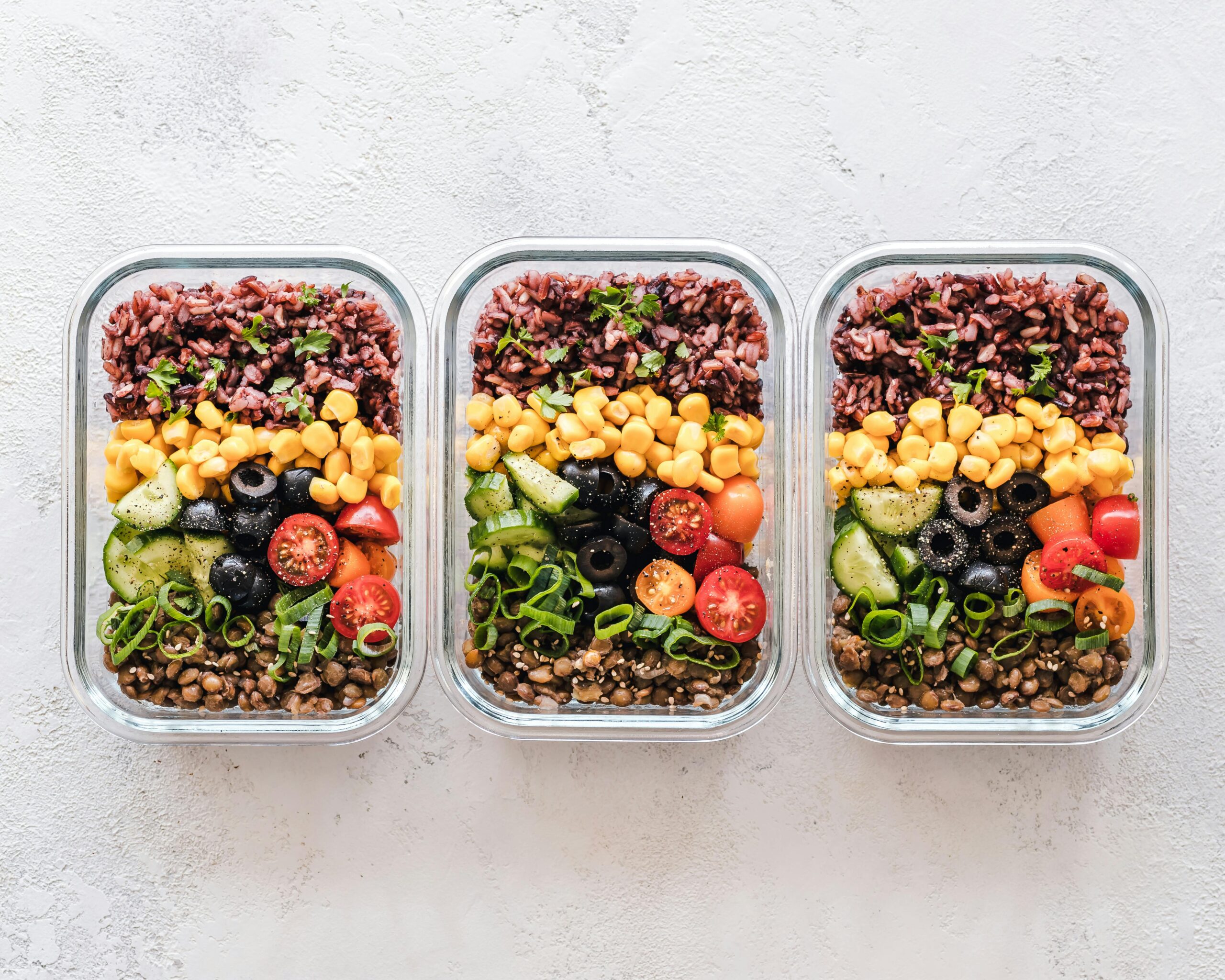
Batch cooking and meal preparation ensure you have nutritious options available during your designated eating times. When healthy food is readily accessible, you’re less likely to skip meals or make poor choices out of convenience. Preparing breakfast components the night before, packing lunch the evening prior, and having dinner ingredients prepped can make adhering to your meal timing schedule significantly easier.
Listen to True Hunger Signals
As you establish a meal timing routine, pay attention to genuine hunger versus habitual or emotional eating. True physiological hunger builds gradually, can be satisfied with various foods, and is accompanied by physical sensations like stomach growling. Emotional hunger comes on suddenly, craves specific foods, and persists even after eating.
Learning to distinguish between these types of hunger helps you stick to your meal schedule while ensuring you’re adequately nourished. If you experience hunger outside your eating window, drink water, have herbal tea, or engage in a distracting activity. Often, the sensation passes within 10-15 minutes.
💪 Combining Exercise with Strategic Meal Timing
When you exercise in relation to your meals can impact both your workout performance and your body composition results. For most people, exercising in a moderately fasted state—such as first thing in the morning before breakfast or several hours after lunch—can enhance fat burning and improve insulin sensitivity.
However, if you’re doing intense workouts or strength training, having some fuel beforehand may improve performance. A small meal or snack 1-2 hours before exercise provides energy without causing digestive discomfort. Post-workout nutrition is also important; consuming protein and carbohydrates within 1-2 hours after exercise supports recovery and muscle growth.
The key is experimenting to find what works best for your body and training style. Some people perform excellently in a fasted state, while others need pre-workout fuel. Neither approach is inherently superior—what matters is discovering your personal optimal timing.
🌙 Evening Routines and Late-Night Eating
Late-night eating is one of the most common obstacles to successful meal timing. Many people eat well throughout the day but struggle with evening snacking, often driven by stress, boredom, or habit rather than true hunger. Establishing an evening routine that doesn’t revolve around food can help break this pattern.
Consider setting a specific “kitchen closed” time each evening, signaling that eating is finished for the day. Replace snacking habits with alternative activities: herbal tea, reading, light stretching, skincare routines, or preparing for the next day. These activities provide satisfaction and relaxation without the metabolic disruption of late-night eating.
If you genuinely need an evening snack due to hunger, choose something light and easily digestible like a small portion of fruit, a handful of nuts, or herbal tea with a small amount of honey. The goal is to avoid heavy, large meals close to bedtime that interfere with sleep quality and overnight recovery processes.
🎯 Troubleshooting Common Meal Timing Challenges
Managing Shift Work and Irregular Schedules
If you work night shifts or have an irregular schedule, the principles of meal timing still apply but require adaptation. The key is maintaining consistency within your personal schedule. Eat your largest meal before or at the beginning of your “active” period (even if that’s nighttime), have a moderate meal midway through, and keep your final meal lighter before your sleep period.
Social Events and Special Occasions
Life happens, and rigid adherence to meal timing shouldn’t prevent you from enjoying social connections. When you have a dinner party, celebration, or event that falls outside your normal eating window, be flexible. One off-schedule meal won’t derail your progress. Simply return to your regular routine the next day without guilt or compensatory restriction.
Travel and Time Zone Changes
Traveling, especially across time zones, disrupts your normal routine. Use meal timing strategically to help adjust to new time zones more quickly. Try to eat according to your destination’s local time as soon as possible, which helps reset your circadian rhythm. Stay hydrated, avoid heavy meals during flights, and allow yourself grace as your body adapts.
📊 Tracking Progress Without Obsession
While tracking can be helpful for establishing patterns and identifying what works for you, avoid becoming overly obsessive about perfect adherence. Consider keeping a simple journal where you note your meal times, energy levels throughout the day, sleep quality, and overall well-being. This information helps you identify patterns and make adjustments without requiring detailed calorie counting or constant monitoring.
Pay attention to how you feel rather than just what the scale says. Improved meal timing often leads to better energy, improved mood, enhanced focus, better digestion, and more restful sleep—benefits that extend far beyond weight changes.
🌟 Building Long-Term Sustainable Habits
The goal of mastering meal timing isn’t to follow a rigid set of rules forever but to develop an intuitive relationship with food and your body’s natural rhythms. As you practice consistent meal timing, you’ll likely notice that it becomes increasingly natural and effortless. Your body will begin to signal hunger at appropriate times, and eating outside your usual schedule will feel less appealing.
Start with small, manageable changes rather than overhauling your entire eating schedule overnight. Perhaps begin by establishing a consistent breakfast time, then work on spacing meals more evenly throughout the day. Gradually adjust dinner to be earlier and lighter. These incremental changes are more likely to stick than drastic, sudden modifications.
Remember that perfection isn’t the goal—consistency is. Even adhering to your meal timing schedule 80% of the time will yield noticeable benefits. Be patient with yourself during the learning process, and celebrate small victories along the way.

✨ Your Journey to Healthier Meal Timing Starts Now
Mastering your meals through strategic timing is one of the most accessible and effective changes you can make for your health. Unlike restrictive diets that focus solely on what you eat, meal timing works with your body’s natural processes to optimize digestion, energy, and metabolic function. The beauty of this approach lies in its simplicity and sustainability.
By understanding your circadian rhythm, establishing consistent eating patterns, front-loading calories to earlier in the day, and allowing adequate time between meals, you create an environment where your body can thrive. These principles apply regardless of your specific dietary preferences, making meal timing a universal tool for health improvement.
Start today with one simple change: eat your first meal within an hour of waking and aim to finish your last meal at least three hours before bedtime. This single adjustment can set powerful changes in motion. As you experience the benefits of better energy, improved sleep, and enhanced well-being, you’ll naturally want to refine your approach further.
Your journey toward mastering meal timing is personal and unique. What works perfectly for someone else may need adjustment for your lifestyle, preferences, and body. Stay curious, remain flexible, and trust the process. With time and practice, strategic meal timing will become an effortless part of your daily routine, supporting your health goals for years to come. The best time to start is now—your healthier, more energized self is waiting just beyond this simple but transformative change. 🌈