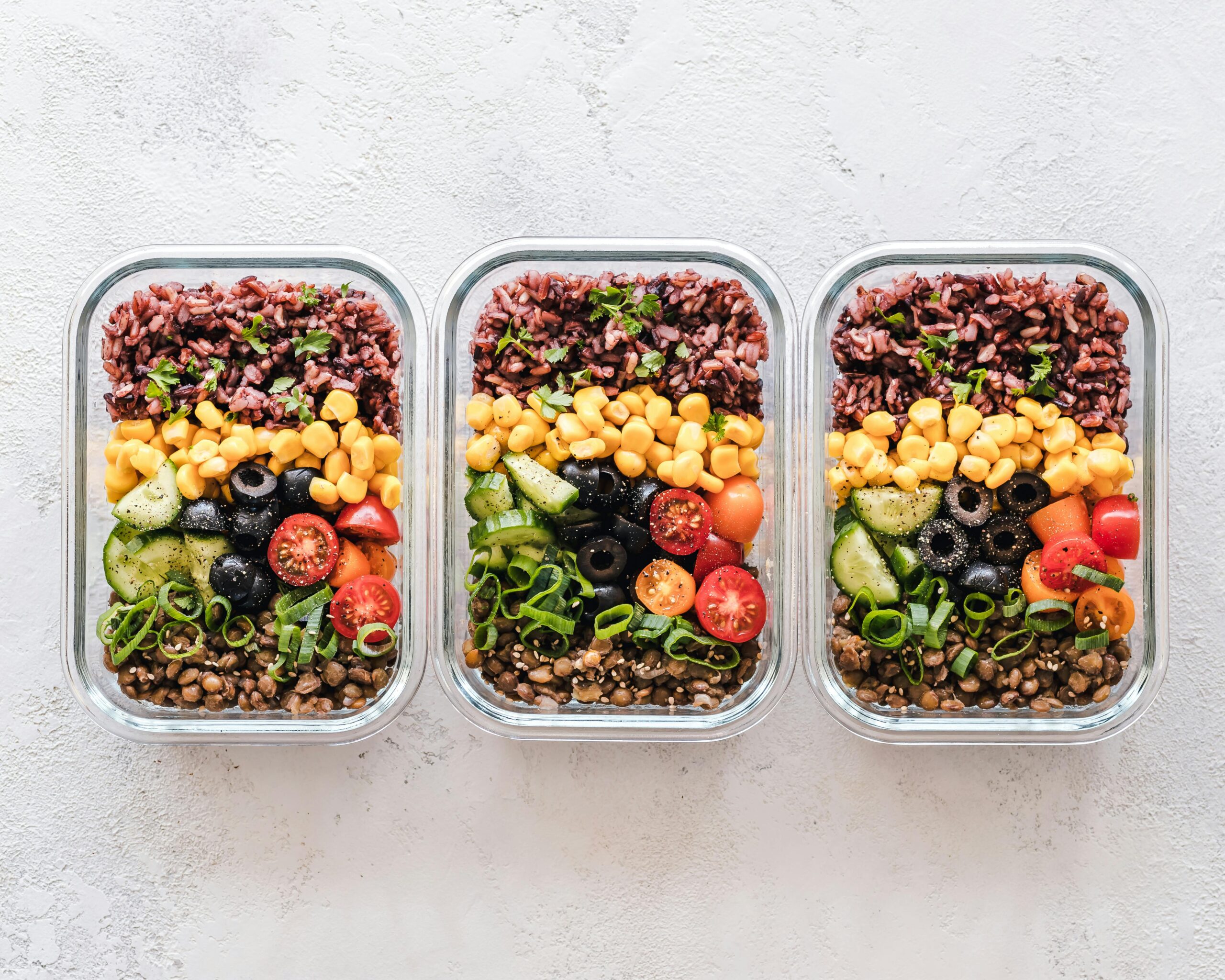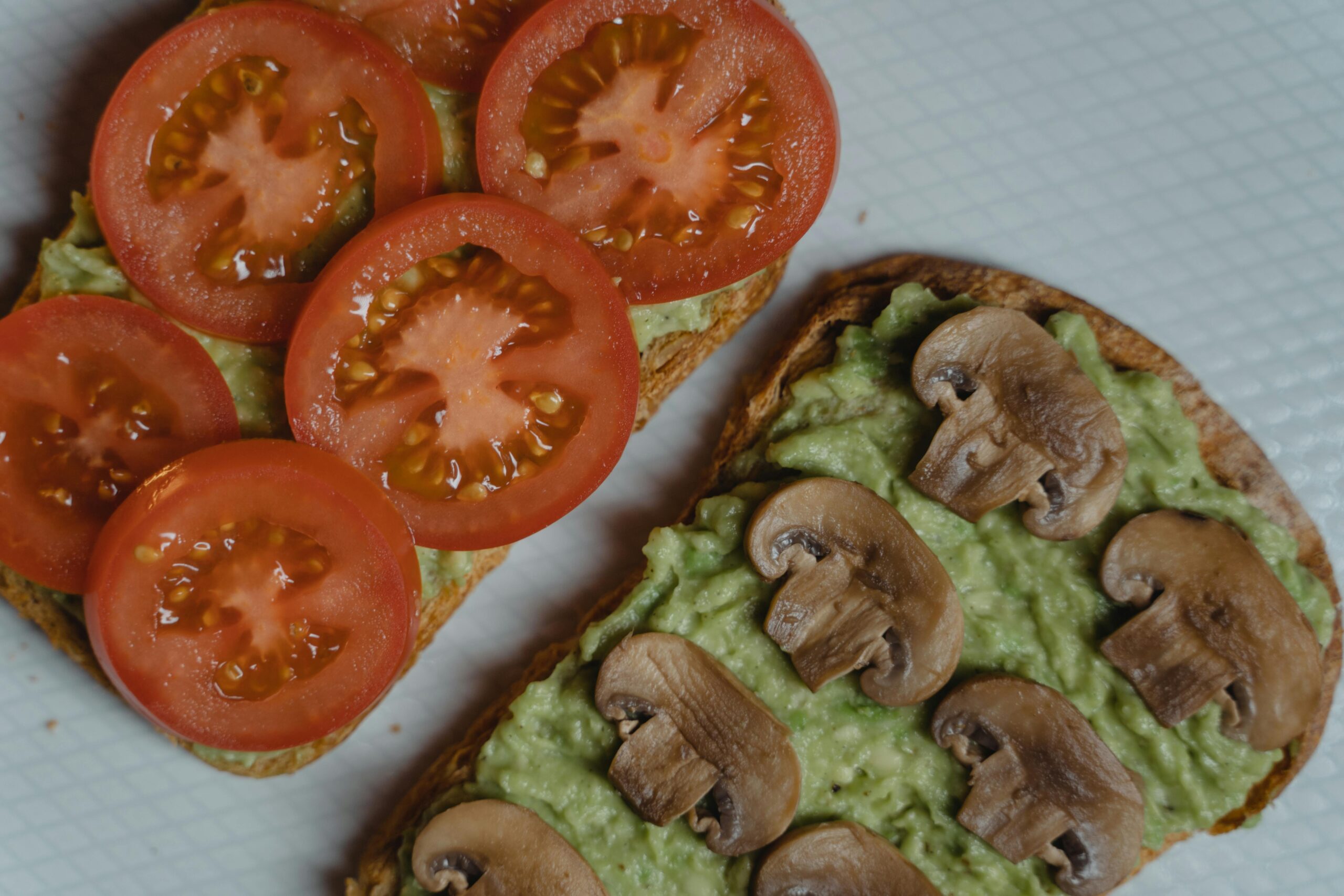
Your workspace deserves better than a drawer full of forgotten granola bars and sticky notes covered in crumbs. A well-organized snack system transforms chaos into productivity.

In today’s fast-paced work environment, maintaining energy levels throughout the day is crucial for sustained productivity. Yet many professionals find themselves distracted by disorganized snacks, wrappers cluttering their desks, and the constant interruption of hunting for a healthy bite. The solution isn’t to eliminate snacking—it’s to create an intelligent organization system that keeps your workspace tidy while supporting your nutritional needs. A desk-friendly snack organization system reduces decision fatigue, minimizes mess, and ensures you always have brain-boosting fuel within arm’s reach. This comprehensive guide will walk you through creating the ultimate clutter-free workspace where productivity and smart snacking coexist harmoniously.
🎯 Why Your Desk Snacking Habits Matter More Than You Think
The connection between workspace organization and productivity isn’t merely aesthetic—it’s deeply psychological. Research consistently shows that cluttered environments increase cortisol levels, reduce focus, and create unnecessary stress. When your snacking habits contribute to desk chaos, you’re essentially sabotaging your own productivity potential.
Consider the typical scenario: you’re deep in concentration when hunger strikes. You rummage through drawers, push aside papers, find half-eaten packages, and waste valuable mental energy deciding what to eat. This interruption doesn’t just cost you five minutes—it disrupts your flow state, which can take up to 23 minutes to fully regain according to workplace research.
Smart snack organization eliminates these friction points. When healthy options are visible, accessible, and neatly arranged, you make better nutritional choices instinctively. You also spend less time on food-related decisions, preserving your mental energy for work that actually matters. Furthermore, a clean desk signals professional competence to colleagues and supervisors, potentially impacting how others perceive your work quality.
📦 The Foundation: Choosing the Right Storage Solutions
Building an effective snack organization system starts with selecting appropriate storage containers and furniture. The right tools make all the difference between a system that works seamlessly and one that quickly deteriorates into chaos.
Drawer Dividers and Organizers
If your desk includes drawers, investing in quality dividers transforms them from catchall spaces into structured storage zones. Look for adjustable bamboo or plastic dividers that create separate compartments for different snack categories. Dedicate one section to grab-and-go items like protein bars, another to nuts and seeds, and a third to any treats you allow yourself.
Shallow dividers work best for snacks because they prevent items from getting buried and forgotten. When everything remains visible at a glance, you’re less likely to accumulate expired food or create hidden mess zones.
Desktop Caddies and Tiered Trays
For those without sufficient drawer space, desktop organizers provide an elegant solution. Multi-tiered acrylic trays maximize vertical space while keeping snacks visible and accessible. Choose clear containers whenever possible—transparency encourages accountability and helps you monitor inventory at a glance.
Rotating caddies work particularly well for shared workspaces where multiple people need access to communal snacks. These lazy-susan-style organizers ensure everyone can reach what they need without disturbing others’ space.
Airtight Containers for Freshness
Nothing ruins a snack system faster than stale food. Invest in quality airtight containers in various sizes to transfer snacks from bulky original packaging into space-efficient, freshness-preserving storage. Glass containers with silicone seals offer the best protection, though BPA-free plastic works well for lighter items like popcorn or crackers.
Label each container clearly with contents and date opened. This simple practice prevents mystery containers from accumulating and helps you practice proper food rotation.
🥗 Strategic Snack Selection for Maximum Productivity
Organization means nothing if you’re storing foods that undermine your energy and focus. The snacks you choose directly impact your cognitive performance, mood stability, and afternoon energy levels.
Brain-Boosting Options That Deserve Prime Real Estate
Prioritize snacks that provide sustained energy without blood sugar spikes. Nuts and seeds—particularly almonds, walnuts, and pumpkin seeds—offer healthy fats and protein that support concentration. Dark chocolate with 70% cacao or higher provides antioxidants and a gentle caffeine boost without the crash.
Fresh fruit presents challenges in desk organization, but certain varieties work beautifully. Apples, oranges, and bananas require no refrigeration and come in their own natural packaging. Keep a small bowl on your desk for these items, refreshing it every few days to maintain appeal.
Whole grain crackers paired with individual nut butter packets create satisfying combinations that stabilize blood sugar. Store these together in a designated container so you’re not hunting for components when hunger strikes.
What to Minimize or Avoid
Sugary snacks create energy rollercoasters that tank productivity. While you don’t need to eliminate them entirely, keep candy and cookies in less accessible locations—perhaps a shared break room rather than your immediate workspace. This creates intentional friction that helps you make more mindful choices.
Avoid anything crumbly, sticky, or strongly scented. Chips leave residue on keyboards and documents. Tuna packets smell offensive to colleagues. Honey-roasted anything attracts insects and leaves sticky fingerprints on everything you touch afterward.
🗓️ The Weekly Snack Prep Routine
Like any organizational system, desk snack management requires regular maintenance. Establishing a weekly routine prevents backsliding into chaos and ensures you’re never caught without appropriate options.
Sunday Setup Strategy
Dedicate 20 minutes each Sunday to snack preparation. Start by emptying your desk storage completely and wiping down all surfaces. Check expiration dates and discard anything past its prime. This fresh start prevents accumulation and gives you a clear picture of what needs replenishing.
Portion larger snack bags into individual servings using small reusable bags or containers. This prevents mindless overeating and creates grab-and-go convenience. Pre-portioned snacks also help you track nutritional intake more accurately if you’re monitoring calories or macros.
Create a simple inventory list—either digital or on paper—tracking what you’ve stocked for the week. This practice helps you identify patterns in what you actually consume versus what sits untouched, allowing you to refine your purchasing decisions over time.
Mid-Week Maintenance Check
On Wednesday or Thursday, spend five minutes assessing your system. Wipe away any crumbs, return misplaced items to their proper locations, and note what needs restocking before the weekend. This brief intervention prevents Friday afternoon from becoming a disaster zone when you’re least motivated to clean.
💼 Adapting Your System to Different Work Environments
One-size-fits-all approaches rarely work for workspace organization. Your ideal snack system depends heavily on your specific work situation and available space.
The Minimal Desk Setup
If you work in a hot-desking environment or have extremely limited space, focus on vertical solutions and multipurpose items. A single slim drawer organizer or stackable container system might be your entire setup. Choose snacks that pack maximum nutrition into minimal space—think protein bars, beef jerky, and dried fruit rather than bulky chip bags.
Consider a small desktop container that doubles as décor—a beautiful ceramic jar filled with wrapped dark chocolates or a sleek tin containing mixed nuts. These solutions provide snack access without screaming “food storage” to colleagues.
The Home Office Haven
Remote workers have more flexibility but also face unique challenges—namely, proximity to a full kitchen that can become a procrastination trap. Establish your desk snack station as a boundary that prevents constant kitchen trips that break your focus.
Use a small cart or dedicated shelf unit beside your desk to create a mini snack station. Include a water bottle, tea bags, and a small electric kettle alongside food items. This self-contained setup means you can refresh yourself without leaving your workspace, maintaining better focus throughout the day.
The Shared Workspace Challenge
Open offices and shared desks require extra consideration around food storage. Be especially mindful of scents, potential allergens, and visual clutter that might bother others. Opt for neutral-colored, professional-looking storage solutions that blend with the office aesthetic.
Communicate with desk neighbors about your storage plans. Some offices have specific policies about food at desks due to pest concerns. Working within established guidelines while advocating for reasonable accommodations shows professionalism and consideration.
🧹 Maintaining a Truly Clutter-Free System
The difference between a system that works long-term and one that collapses after two weeks lies entirely in maintenance habits. Build these practices into your daily routine until they become automatic.
The Two-Minute Evening Rule
Before leaving your desk each day, spend just two minutes resetting your snack area. Throw away any wrappers, wipe surfaces with a cleaning cloth, and return items to their designated spots. This tiny habit prevents accumulation and ensures you arrive to a fresh, inviting workspace each morning.
Keep desk-safe cleaning supplies in a drawer specifically for this purpose—individually wrapped sanitizing wipes work perfectly and don’t require storing spray bottles or rags.
The Monthly Deep Clean
Once monthly, completely empty your snack storage areas and conduct a thorough cleaning. Vacuum drawer corners where crumbs hide, wash all reusable containers, and reorganize based on what’s working and what isn’t. This deeper maintenance prevents the gradual entropy that undermines even the best-designed systems.
Use this opportunity to reassess your snack choices. Are you actually eating those rice cakes, or do they just sit there taking up space? Donate unopened items you’re not enjoying to a food bank and replace them with options you’ll genuinely appreciate.
📱 Digital Tools to Support Your Physical System
While snack organization is primarily physical, several digital tools can enhance your system’s effectiveness and help you maintain healthy habits.
Inventory and Shopping Apps
Grocery inventory apps help you track what snacks you have on hand, preventing both waste and last-minute emergency purchases of overpriced convenience store items. When you notice you’re running low on almonds, add them to your digital shopping list immediately rather than relying on memory.
Some meal planning apps include snack tracking features that help you ensure adequate nutrition throughout the day. Seeing your snack consumption patterns in data form can reveal surprising insights about when you’re hungriest and which foods truly satisfy you.
Habit Tracking for Consistency
Use a simple habit tracker to monitor your weekly prep routine and daily desk reset. Seeing a visual chain of successful days motivates you to maintain the system even when life gets hectic. Many people find that tracking organizational habits creates accountability that willpower alone doesn’t provide.
🌟 Leveling Up: Advanced Organization Techniques
Once your basic system runs smoothly, consider these advanced strategies to optimize further.
Color-Coding by Nutritional Purpose
Assign different colored containers to snack categories: green for vegetables and fruits, blue for proteins, yellow for complex carbohydrates, and red for occasional treats. This visual system helps you quickly assess whether you’re maintaining nutritional balance and makes grabbing appropriate snacks instinctive.
Time-Based Organization
Arrange snacks according to when you typically eat them. Morning options go in one section, afternoon energy boosters in another, and evening comfort snacks in a third. This temporal organization aligns your physical space with your body’s natural rhythms and reduces decision fatigue.
The Rotation System
Implement a first-in, first-out rotation system like grocery stores use. When restocking, place newer items behind older ones to ensure everything gets consumed before expiring. This is particularly important for items with shorter shelf lives like protein bars and dried fruit.
🚀 From Organized Snacks to Overall Workspace Excellence
A well-organized snack system often catalyzes broader organizational improvements. The satisfaction of maintaining one tidy system typically motivates people to extend the same principles to other desk areas.
Apply similar strategies to your stationery, cables, documents, and personal items. Use the same weekly prep and daily reset approach. Before long, you’ll have transformed not just your snacking habits but your entire relationship with your workspace.
The confidence that comes from working in an organized environment affects how you approach tasks, interact with colleagues, and even how you feel about your job overall. What began as a simple snack organization project becomes a foundation for professional excellence and personal wellbeing.

🎁 Creating Your Personalized Snack Organization Blueprint
Now that you understand the principles and possibilities, it’s time to design your custom system. Start by assessing your specific needs, constraints, and preferences. Sketch a simple plan showing where each element will go and what you’ll store in it.
Begin with a minimal viable system—perhaps just one organizer and a handful of carefully chosen snacks. Test this for a week, noting what works and what doesn’t. Gradually expand and refine based on real experience rather than theoretical perfection.
Remember that the best organization system is one you’ll actually maintain. If something feels too complicated or time-consuming, simplify it. Better to have a basic system you use consistently than an elaborate one that quickly falls apart.
Your desk is where you spend a significant portion of your life. Making that space work for you rather than against you isn’t indulgent—it’s an investment in your productivity, health, and professional satisfaction. A clutter-free, thoughtfully organized workspace with smart snacking solutions creates an environment where you can do your best work while taking proper care of yourself. The combination is powerful, transforming your desk from a source of low-grade stress into a supportive foundation for success. Start small, stay consistent, and watch how these simple changes ripple out into improved focus, better energy, and a more enjoyable work experience overall. 🌱