Staying energized and properly hydrated throughout your day isn’t just about drinking water or grabbing random snacks—it’s about having a strategic system that works for your unique lifestyle and goals.

Whether you’re a busy professional juggling meetings, a parent managing household chaos, an athlete training for peak performance, or simply someone who wants to feel better daily, a well-organized snack and hydration planner can transform how you feel and function. The challenge isn’t knowing that nutrition and hydration matter; it’s consistently implementing habits that support your body’s needs from morning until night.
Why Your Body Needs a Structured Approach to Snacking and Hydration 💧
Our bodies are remarkably efficient machines, but they require consistent fuel and hydration to operate at optimal levels. When we wait until we’re desperately hungry or extremely thirsty, we’ve already compromised our performance, mood, and cognitive function. Research consistently shows that even mild dehydration—as little as 1-2% fluid loss—can impair concentration, increase fatigue, and reduce physical performance.
Similarly, going too long between meals causes blood sugar fluctuations that lead to energy crashes, irritability, and poor decision-making. You’ve probably experienced that 3 PM slump or made questionable food choices when you were overly hungry. These aren’t character flaws; they’re predictable biological responses to inadequate planning.
A printable snack and hydration planner system addresses these challenges by creating visual accountability and structure. When you can see your entire day mapped out with specific times for water intake and nutritious snacks, you’re significantly more likely to follow through. It removes the guesswork and decision fatigue that often derails even the best intentions.
Understanding Your Personal Hydration Needs 🚰
The old “eight glasses a day” rule is outdated and overly simplistic. Your actual hydration needs depend on numerous factors including body weight, activity level, climate, altitude, and overall health status. A sedentary office worker in a climate-controlled environment has vastly different needs than someone doing manual labor in hot weather.
A good starting point is to aim for approximately half your body weight in ounces of water daily. For example, if you weigh 160 pounds, target around 80 ounces of water. However, this should increase with exercise, hot weather, illness, or pregnancy and breastfeeding.
Your printable hydration tracker should include specific time-based checkpoints throughout the day. Rather than trying to drink 80 ounces in one sitting (which is uncomfortable and ineffective), spread it strategically across waking hours. Consider marking hydration goals at wake-up, mid-morning, lunch, mid-afternoon, dinner, and evening—adjusting the final intake to avoid nighttime bathroom trips.
Signs You’re Not Drinking Enough Water
Many people chronically underestimate their hydration needs because they’ve adapted to mild dehydration as their baseline. Watch for these common indicators that you need more fluids:
- Dark yellow urine (should be pale yellow to clear)
- Persistent fatigue despite adequate sleep
- Frequent headaches, especially in the afternoon
- Dry skin, lips, or mouth
- Difficulty concentrating or brain fog
- Constipation or digestive sluggishness
- Muscle cramps during or after exercise
Your planner should include a simple daily symptom tracker where you note these signs. Over time, you’ll identify patterns connecting your hydration habits with how you feel, providing powerful motivation to stay consistent.
Strategic Snacking: Timing Matters as Much as Content 🍎
Not all snacking is created equal. Mindless grazing throughout the day can lead to excess calorie consumption without satisfying hunger, while strategically timed snacks stabilize blood sugar, maintain energy levels, and prevent overeating at meals.
The ideal snacking pattern depends on your meal schedule and personal metabolism, but most people benefit from planned snacks positioned roughly 2-3 hours after meals or during longer gaps between eating opportunities. This timing prevents the blood sugar roller coaster while keeping your metabolism consistently fueled.
Your printable snack planner should designate specific snack times based on your typical daily schedule. If you eat breakfast at 7 AM and lunch at noon, a mid-morning snack around 9:30 AM makes sense. Similarly, if dinner isn’t until 7 PM, an afternoon snack around 3:30 PM prevents arriving at dinner ravenous and prone to overeating.
Building Balanced Snacks That Actually Satisfy
The most effective snacks combine protein, healthy fats, and fiber-rich carbohydrates. This macronutrient balance provides sustained energy rather than the quick spike and crash associated with sugar or refined carbohydrates alone.
Consider these balanced snack combinations for your planner:
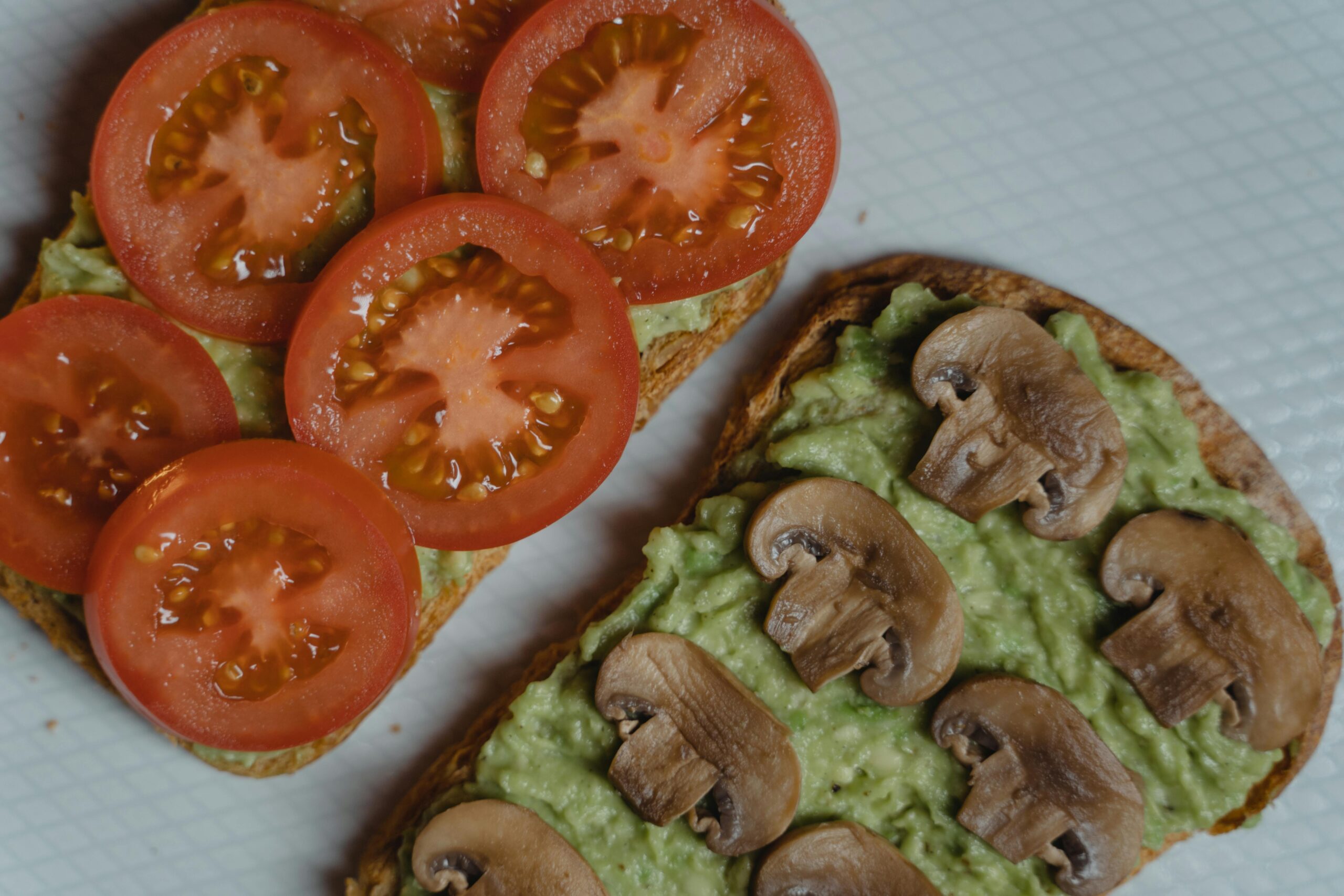
- Apple slices with almond butter
- Greek yogurt with berries and a sprinkle of nuts
- Whole grain crackers with hummus and cucumber
- Hard-boiled eggs with cherry tomatoes
- Cottage cheese with pineapple chunks
- Trail mix with nuts, seeds, and dried fruit
- Celery sticks with peanut butter and raisins
- Protein smoothie with spinach, banana, and chia seeds
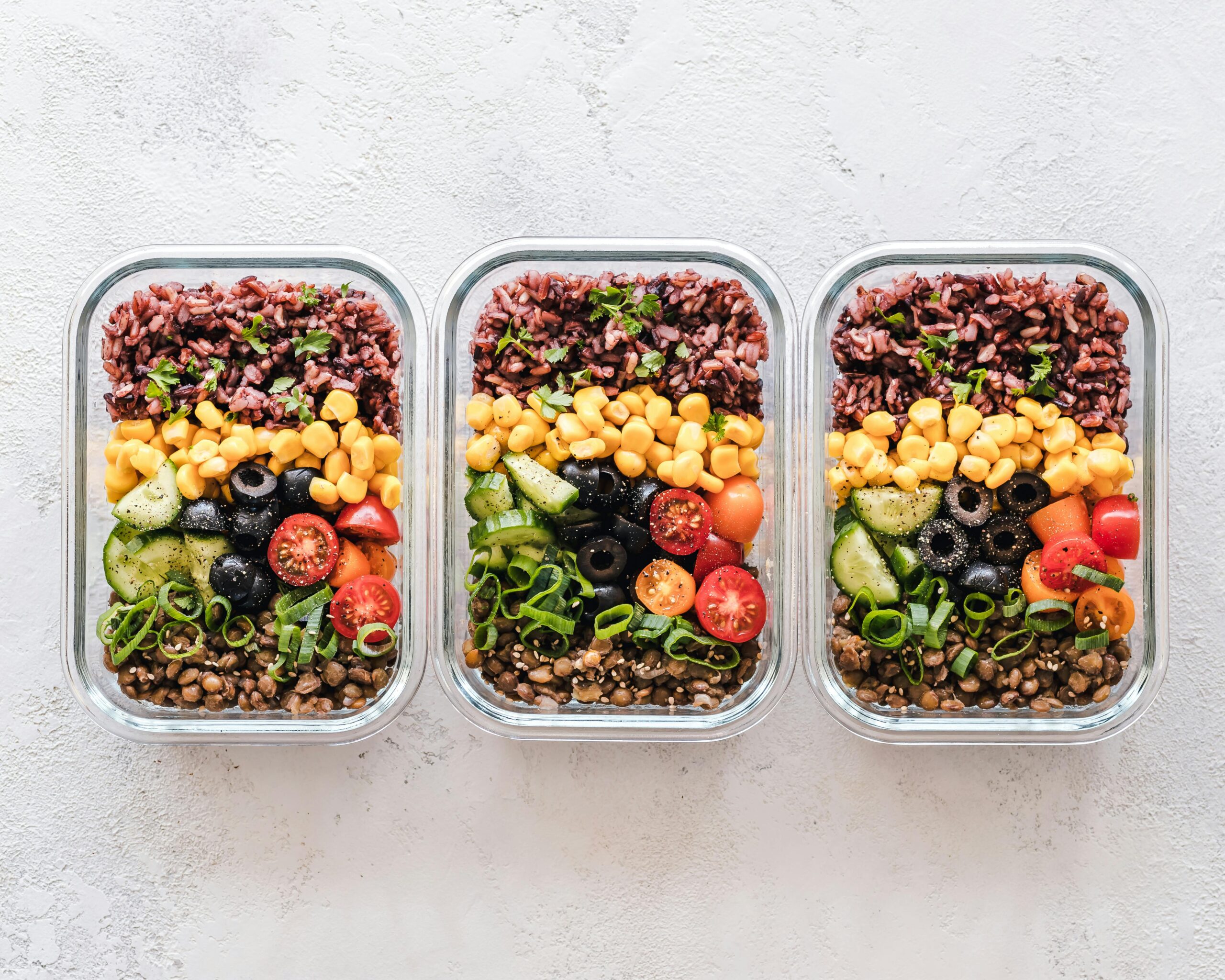
Your planner should include a section where you pre-plan weekly snacks, creating a shopping list and prep schedule. Sunday afternoon snack preparation—washing and cutting vegetables, portioning nuts, boiling eggs—dramatically increases weekday compliance when time is limited.
Designing Your Ultimate Printable Planner System 📋
An effective snack and hydration planner combines multiple tracking elements into one cohesive, user-friendly system. The key is creating something you’ll actually use consistently rather than an elaborate system that gathers dust after a week.
Your planner should be printable on standard letter-size paper, allowing you to keep physical copies in multiple locations—your kitchen, office desk, gym bag, or car. While digital tracking has advantages, research suggests that physical writing creates stronger accountability and habit formation for many people.
Essential Components of Your Planner
A comprehensive snack and hydration planner should include these core sections:
- Daily hydration tracker: Visual checkboxes or glasses to mark each completed water goal throughout the day
- Scheduled snack times: Pre-designated times with space to record what you actually ate
- Energy and mood tracker: Simple ratings to identify patterns between nutrition choices and how you feel
- Weekly meal and snack prep section: Planning space for shopping and preparation
- Goal-setting area: Space to define your specific hydration and nutrition objectives
- Habit tracker: Visual streak tracking to build consistency and motivation
- Notes section: Room for observations about what’s working or needs adjustment
Consider color-coding different sections or using symbols that make scanning your planner quick and intuitive. The goal is immediate visual feedback on your progress without needing to read extensive notes.
Adapting Your System to Different Lifestyles and Goals 🎯
The beauty of a printable planner system is its flexibility to adapt to various needs and circumstances. A parent managing children’s schedules requires different planning than an endurance athlete or someone working night shifts.
For athletes and highly active individuals, your planner should emphasize pre- and post-workout nutrition timing and increased hydration goals on training days. Include sections for electrolyte replacement, not just water intake, and consider protein timing around workouts for optimal recovery.
Parents juggling family responsibilities might benefit from including children’s snack and hydration needs alongside their own, creating a family wellness system that teaches healthy habits while simplifying household management. Include sections for lunchbox planning and after-school snack preparation.
Office workers facing long meetings or sedentary days should emphasize movement reminders connected to hydration breaks—standing up to refill your water bottle combats prolonged sitting while ensuring adequate fluid intake. Your planner might include hourly check-ins that prompt both hydration and brief movement.
Seasonal Adjustments for Year-Round Success
Your hydration and snacking needs aren’t static throughout the year. Summer heat significantly increases fluid requirements, while cold weather might require more warming beverages and calorie-dense snacks to maintain energy.
Your planner system should include seasonal variations. Summer pages might emphasize water-rich fruits like watermelon and cucumber, plus reminders to increase baseline hydration. Winter versions could feature warming herbal teas counting toward fluid intake and nutrient-dense snacks supporting immune function.
Overcoming Common Obstacles and Staying Consistent 🚀
Even with the perfect planner, consistent implementation faces predictable challenges. Identifying these obstacles in advance and building solutions into your system dramatically increases long-term success.
Many people struggle to remember drinking water throughout busy days. Your planner should include accountability strategies like setting phone alarms, using a marked water bottle showing hourly intake goals, or pairing hydration with existing habits—drinking water every time you check email or before each meeting.
Snack planning often fails due to lack of preparation. Combat this by dedicating Sunday evenings to washing produce, portioning snacks into grab-and-go containers, and updating your planner for the week ahead. When healthy snacks require zero additional effort, you’ll consistently choose them over convenience store alternatives.
Building Sustainable Habits Through Small Wins
Avoid the perfectionism trap that derails many well-intentioned planners. Your goal isn’t flawless execution every single day; it’s consistent progress over time. If you hit your hydration target four days this week versus one day last week, that’s meaningful improvement worth celebrating.
Your planner should include space for weekly reflections where you acknowledge successes, identify challenges, and adjust strategies. This metacognitive practice—thinking about your thinking and planning—strengthens self-awareness and problem-solving abilities that extend beyond nutrition.
Consider establishing rewards for consistency milestones. Perhaps after two weeks of hitting hydration goals five or more days weekly, you treat yourself to a new water bottle or fitness class. These positive reinforcements create motivation loops that sustain behavior change.
Maximizing the Benefits Beyond Basic Nutrition ✨
While improved energy and hydration are primary goals, a well-implemented planner system creates cascading benefits across multiple life areas. Better nutrition habits often spark improvements in sleep quality, stress management, productivity, and even relationship satisfaction.
When you’re properly fueled and hydrated, decision-making improves across all domains. You’re less likely to make impulsive purchases, snap at loved ones, or skip important self-care activities. The discipline developed through consistent planner use transfers to other goal areas.
Many users report that tracking snacks and hydration increases overall body awareness. You become more attuned to genuine hunger versus emotional eating, recognize early dehydration signs, and develop intuition about what your body truly needs. This mindfulness practice extends far beyond the planner itself.
Sharing Your System for Accountability and Support
Consider making your planner journey social by finding an accountability partner or small group with similar wellness goals. Share weekly check-ins, celebrate successes together, and problem-solve challenges collaboratively. Social support dramatically increases adherence to new habits.
You might post your completed weekly planner to a supportive online community, display it on your refrigerator where family members can encourage you, or schedule brief weekly reviews with a friend pursuing complementary health goals. External accountability transforms private intentions into public commitments that are harder to abandon.
Evolving Your System as Your Needs Change 🌱
The most effective planner systems aren’t static documents but living tools that grow with you. As habits become automatic, you might simplify certain tracking elements while adding new challenges or focus areas.
Perhaps after three months of consistent hydration tracking, you no longer need hourly checkboxes and can shift attention to meal timing or portion awareness. Your planner should be permission to graduate from certain supports while maintaining others that continue providing value.
Schedule quarterly reviews where you assess what’s working, what feels unnecessary, and what new elements might support your evolving goals. This prevents stagnation and keeps the system feeling fresh and relevant rather than burdensome.
Remember that the ultimate goal of any planner system is developing internalized habits that eventually require minimal external support. You’re building skills and awareness, not creating permanent dependence on tracking tools. The planner is training wheels—useful during skill development but eventually unnecessary once you’ve mastered the fundamentals.
By implementing a comprehensive printable snack and hydration planner system, you’re investing in foundational wellness practices that support every aspect of your health and performance. The structure removes decision fatigue, the visual tracking provides motivation, and the consistent habits compound into transformative long-term results. Start with one week of committed tracking, notice the differences in your energy and focus, and let those immediate benefits fuel your ongoing commitment to staying properly fueled and hydrated all day, every day.