Every adventurer knows that proper hydration and nutrition can make or break your outdoor experience. Whether you’re tackling mountain trails, exploring desert landscapes, or embarking on multi-day expeditions, having the right snacks and drinks at your fingertips is essential.

Planning your hydration and snack kit doesn’t have to be complicated, but it does require thoughtful consideration of your activity level, climate conditions, and personal nutritional needs. The difference between feeling energized and hitting the wall often comes down to what you pack in your bag before heading out the door.
🎒 Understanding Your Hydration Needs on the Trail
Hydration is the foundation of any successful adventure. Your body loses water through sweat, breathing, and other metabolic processes, and these losses accelerate during physical activity. Dehydration can lead to decreased performance, impaired judgment, headaches, and in severe cases, dangerous heat-related illnesses.
The general recommendation is to drink about half a liter of water per hour of moderate activity, but this varies significantly based on temperature, humidity, altitude, and individual factors. In hot conditions or during intense activity, you might need to double or triple this amount. Pay attention to your body’s signals: thirst, dark urine, and decreased urination frequency are all signs you need more fluids.
Choosing the Right Hydration Containers
Your container choice impacts both convenience and consumption. Water bottles offer simplicity and are easy to refill, while hydration bladders provide hands-free drinking through a tube system. Many adventurers carry both: a bladder for constant sipping and a bottle for electrolyte drinks or emergency backup.
Look for BPA-free materials, insulated options for temperature control, and containers with wide mouths that accommodate ice cubes and make cleaning easier. For longer adventures, consider collapsible bottles that take up less space when empty, or filtration systems that allow you to safely drink from natural water sources.
💧 Beyond Water: Electrolyte Replacement Strategies
Water alone isn’t always sufficient, especially during extended or intense activities. When you sweat, you lose essential electrolytes like sodium, potassium, magnesium, and calcium. These minerals are crucial for muscle function, nerve signaling, and maintaining proper fluid balance in your body.
Electrolyte replacement becomes critical after about 90 minutes of activity or in hot conditions where sweat rates increase. Signs of electrolyte imbalance include muscle cramps, nausea, confusion, and unusual fatigue that doesn’t improve with rest.
Electrolyte Product Options for Adventurers
Commercial electrolyte powders, tablets, and ready-to-drink beverages offer convenient solutions. Look for products with at least 200-300mg of sodium per serving, as this is the primary electrolyte lost in sweat. Many athletes prefer natural alternatives like coconut water, which provides potassium and natural sugars, or homemade mixtures combining water, sea salt, honey, and citrus juice.
Pack single-serve electrolyte packets that won’t take up much space and can be easily mixed with water at any point during your adventure. Keep a few extra in your first aid kit as emergency supplies.
🥜 Essential Snack Categories for Sustained Energy
Strategic snacking prevents energy crashes, maintains blood sugar levels, and keeps you mentally sharp. The key is variety that covers different macronutrient profiles and provides both quick energy and sustained fuel.
Quick Energy Carbohydrates
Simple carbohydrates provide rapid energy when you need an immediate boost. These are perfect for intense climbing sections, the final push to camp, or when you feel your energy flagging. Pack items like energy chews, gummy candies, dried fruit, honey packets, or glucose tablets. These digest quickly and deliver sugar to your bloodstream within minutes.
Fresh fruit like bananas, apples, or oranges work well for day trips, offering natural sugars plus vitamins and hydration. For longer adventures where weight matters, dried fruits like dates, apricots, cranberries, and mango provide concentrated energy in compact packages.
Sustained Energy Complex Carbs
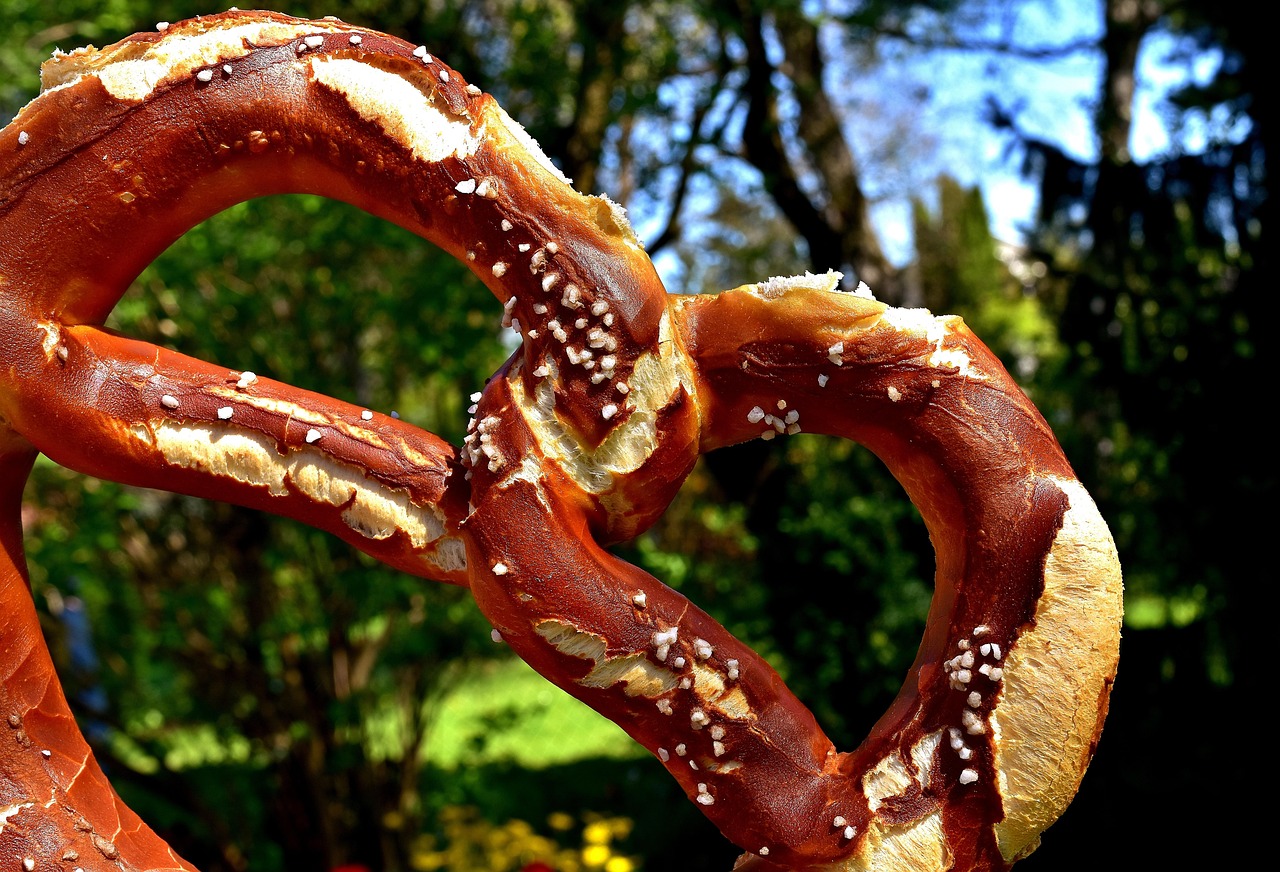
Complex carbohydrates release energy gradually, preventing the spike-and-crash cycle of simple sugars. Whole grain crackers, energy bars with oats, rice cakes, pretzels, and granola provide lasting fuel. Look for options with at least 3 grams of fiber per serving to slow digestion and extend energy release.
Energy bars have become adventure staples, but quality varies dramatically. Choose bars with recognizable ingredients, minimal added sugars, and a balance of carbs, protein, and healthy fats. Many adventurers prefer making homemade bars to control ingredients and save money.
Protein for Recovery and Satiety
Protein helps repair muscles, keeps you feeling full longer, and stabilizes blood sugar when combined with carbohydrates. Nuts and nut butters are adventure classics—almonds, cashews, peanuts, and walnuts provide protein, healthy fats, and satisfying crunch. Single-serve nut butter packets are convenient and mess-free.
Jerky made from beef, turkey, salmon, or plant-based alternatives offers concentrated protein in shelf-stable form. Hard cheeses like cheddar or parmesan travel well for day trips, while processed cheese sticks handle temperature variations better. For vegetarians, roasted chickpeas, edamame, and protein-fortified snacks fill this nutritional gap.
Healthy Fats for Long-Duration Adventures
Fats provide the most calories per gram and are essential for multi-day trips where pack weight matters. Trail mix combining nuts, seeds, dried fruit, and dark chocolate chips delivers a balanced macronutrient profile in every handful. Coconut chips, seed crackers, and nut-based energy balls offer variety.
Avocados are surprisingly adventure-friendly for day trips, providing healthy fats, fiber, and satisfying texture. Pack them slightly unripe to prevent bruising, and bring salt and hot sauce packets to season them on the trail.
📋 Sample Packing Lists for Different Adventure Types
Day Hike Hydration and Snack Kit
- 2 liters of water in bottles or hydration bladder
- 2-3 electrolyte packets or tablets
- 2 energy bars or granola bars
- Trail mix (½ cup)
- Fresh fruit (1-2 pieces)
- Nut butter packet
- Energy chews or gummies
- Salty snack like pretzels or crackers
Full Day Adventure Kit
- 3 liters of water capacity
- 4-5 electrolyte servings
- Lunch items (sandwich, wrap, or dehydrated meal)
- 3-4 varied snack bars
- Generous trail mix portion (1 cup)
- Jerky or protein snacks
- Fresh and dried fruit combination
- Energy gels or chews
- Emergency high-calorie bar
- Flavor packets for water variety
Multi-Day Backpacking Essentials
- Water filtration or purification system
- 2-3 liter hydration capacity for carrying between sources
- Electrolyte powder for daily use
- Breakfast items (instant oatmeal, granola, powdered milk)
- Lunch components (crackers, cheese, salami, nut butter)
- Dinner dehydrated meals
- Snack variety for between meals
- Cooking fats like olive oil or butter packets
- Hot beverage options (coffee, tea, hot chocolate)
- Extra emergency food day
🌡️ Climate-Specific Considerations
Environmental conditions dramatically affect your hydration and nutrition needs. Adapting your kit to the climate ensures you stay properly fueled regardless of weather challenges.
Hot Weather Adjustments
Heat increases sweat rates and can suppress appetite even as caloric needs rise. Increase water capacity by at least 50%, and double your electrolyte supplies. Choose lighter, more refreshing snacks like fruit leather, cucumber slices, watermelon chunks, and citrus fruits. Avoid chocolate and items that melt easily unless you have proper storage solutions.
Frozen water bottles serve double duty as both cooling devices and hydration. Pack one bottle frozen solid and another with liquid—the frozen one gradually melts throughout the day while keeping other items cool. Electrolyte-enhanced ice cubes add flavor as they melt.
Cold Weather Strategies
Cold temperatures actually increase dehydration risk as your body works harder to warm cold air you breathe and maintain core temperature. Insulated bottles prevent freezing, and drinking warm liquids helps maintain body heat. Pack higher-calorie foods since your metabolism runs hotter to generate warmth.
Include warm drink options like instant soup, hot chocolate, or tea. Choose snacks that won’t freeze solid and become difficult to eat—nut butters, bars with less chocolate, and fatty nuts work better than fresh fruit or gummy candies. Keep snacks in inner jacket pockets where body heat prevents freezing.
High Altitude Considerations
Altitude accelerates dehydration through increased respiration rate and enhanced urination. Increase fluid intake by 50-100% above sea level needs. You’ll also need more carbohydrates since your body preferentially burns carbs in low-oxygen environments. Pack easily digestible options since altitude can cause nausea and suppress appetite.
🎯 Packing Organization and Accessibility
The best snacks are the ones you actually eat, and accessibility determines whether you’ll snack consistently or wait until you’re already depleted. Organize your nutrition kit thoughtfully for different access needs throughout your adventure.
Immediate Access Items
Keep quick-energy items in hip belt pockets, shoulder strap pockets, or the very top of your pack. These should include energy chews, a bar, trail mix portion, and electrolyte packets. You should be able to grab these without stopping or removing your pack.
Regular Snack Storage
Store meal components and less urgent snacks in easily reached external pockets or near the top of your main compartment. Use clear resealable bags to organize by meal or snack type. Compression sacks work well for keeping multiple days’ worth of bars together.
Emergency Reserves
Pack emergency calories deep in your bag where you won’t accidentally eat them. These might include high-calorie emergency ration bars, extra electrolyte packets, and backup meal components. Mark these clearly so they’re identifiable as emergency supplies.
♻️ Leave No Trace and Waste Management
Proper waste management is crucial for environmental stewardship. Minimize packaging by removing excess wrappers before your trip and consolidating items in reusable containers. Designate a specific bag for trash and pack out everything you bring in, including organic waste like fruit peels and nut shells, which don’t belong in non-native ecosystems.
Choose products with minimal or biodegradable packaging when possible. Reusable silicone bags replace single-use plastic bags. Beeswax wraps work for sandwiches and cheese. These choices reduce both your environmental impact and the trash volume you carry out.
🔄 Timing Your Nutrition for Optimal Performance
When you eat matters almost as much as what you eat. Consistent small snacking prevents energy crashes and maintains stable blood sugar. Start hydrating and eating before you feel hungry or thirsty—by the time these signals register, you’re already behind on refueling.
Aim to consume 200-300 calories per hour of activity through a combination of complex carbs, simple carbs, and some protein. Take a substantial snack break every 60-90 minutes where you stop briefly, drink deeply, and eat a more substantial portion. This rhythm prevents both running out of energy and overwhelming your digestive system.
Front-load your hydration by drinking 16-20 ounces before starting your adventure and sipping regularly from the outset. Waiting until you’re thirsty means you’re already mildly dehydrated. Similarly, eat a substantial breakfast before starting and don’t wait for hunger to begin snacking.
🛠️ Special Dietary Needs and Restrictions
Adventure nutrition works for every dietary approach with appropriate planning. Vegan and vegetarian adventurers have abundant options with plant-based proteins like nuts, seeds, legumes, and commercial vegan bars becoming increasingly available. Gluten-free travelers can choose rice cakes, corn-based chips, gluten-free bars, and naturally gluten-free whole foods.
Food allergies require careful label reading and often mean preparing more items from scratch. Those with nut allergies can substitute seed butters like sunflower or pumpkin seed butter. Diabetic adventurers should work with healthcare providers to adjust insulin or medication for activity levels and carry fast-acting glucose sources plus complex carbs for stability.
💪 Testing Your System Before Major Adventures
Never try new foods or hydration strategies on important adventures. Your digestive system behaves differently under physical stress, and what works at home might cause problems on the trail. Test your entire nutrition plan during training sessions that mimic your adventure’s conditions and intensity.
Keep notes on what works and what causes digestive issues, energy crashes, or dissatisfaction. Gradually refine your kit based on real experience. Some people digest bars easily while others find them heavy; some love sweet snacks while others prefer savory. Your perfect kit is highly individual.
🎁 Building Your Ultimate Personal Kit
Your ideal hydration and snack kit evolves through experience and self-knowledge. Start with basic principles—adequate hydration capacity, electrolyte replacement, balanced macronutrients, and variety—then personalize based on your preferences, dietary needs, and adventure types.
Invest in quality reusable containers, reliable hydration systems, and foods you genuinely enjoy eating. The psychological boost of looking forward to your favorite trail snack shouldn’t be underestimated. Create a master packing list for different adventure lengths and simply grab pre-assembled kits when heading out.
Remember that proper fueling isn’t about deprivation or forcing down calories. It’s about providing your body with what it needs to perform beautifully, recover efficiently, and let you focus on the incredible experiences that drew you outdoors in the first place. With the right hydration and nutrition strategy, you’ll finish adventures feeling accomplished rather than depleted, ready to plan your next outdoor experience.