When temperatures soar and the sun beats down relentlessly, staying properly hydrated becomes more than just a health recommendation—it’s an absolute necessity for maintaining energy, focus, and overall well-being throughout your day.

Hot weather challenges your body in ways that cool climates simply don’t. Every breath, every bead of sweat, and every moment spent under the blazing sun depletes your body’s precious water reserves. Without a strategic hydration approach, you risk fatigue, decreased cognitive function, headaches, and even more serious heat-related conditions that can derail your entire day.
🌡️ Understanding Your Body’s Hydration Demands in Heat
Your body is approximately 60% water, and this fluid plays critical roles in temperature regulation, nutrient transport, joint lubrication, and cellular function. During hot weather, your body works overtime to maintain its core temperature through perspiration, dramatically increasing fluid loss.
The average person loses between two to three liters of water daily through normal bodily functions. However, in hot weather conditions, this can easily double or even triple depending on activity level, humidity, and individual physiology. Athletes and outdoor workers can lose up to two liters per hour during intense activity in extreme heat.
What makes dehydration particularly insidious is that by the time you feel thirsty, you’ve already lost approximately 1-2% of your body’s water content. At this level, your physical performance begins to decline, and cognitive functions start to suffer. Waiting until thirst strikes is like waiting until your car completely runs out of gas before refueling—it’s a reactive rather than proactive approach.
Building Your Foundation: Pre-Hydration Strategies
The secret to surviving scorching days isn’t just about what you drink during the heat—it’s about starting properly hydrated before the temperature even rises. Think of hydration as a bank account: you want to start the day with a full balance, not already in deficit.
Begin your morning with 16-20 ounces of water within the first 30 minutes of waking. Your body naturally becomes somewhat dehydrated during sleep, losing water through breathing and overnight metabolic processes. This morning ritual replenishes those losses and primes your system for the day ahead.
Morning Hydration Boosters
Plain water is excellent, but you can enhance your morning hydration with strategic additions. A squeeze of fresh lemon provides vitamin C and enhances flavor without adding significant calories or sugar. A pinch of sea salt or Himalayan pink salt can help replace trace minerals and improve water absorption.
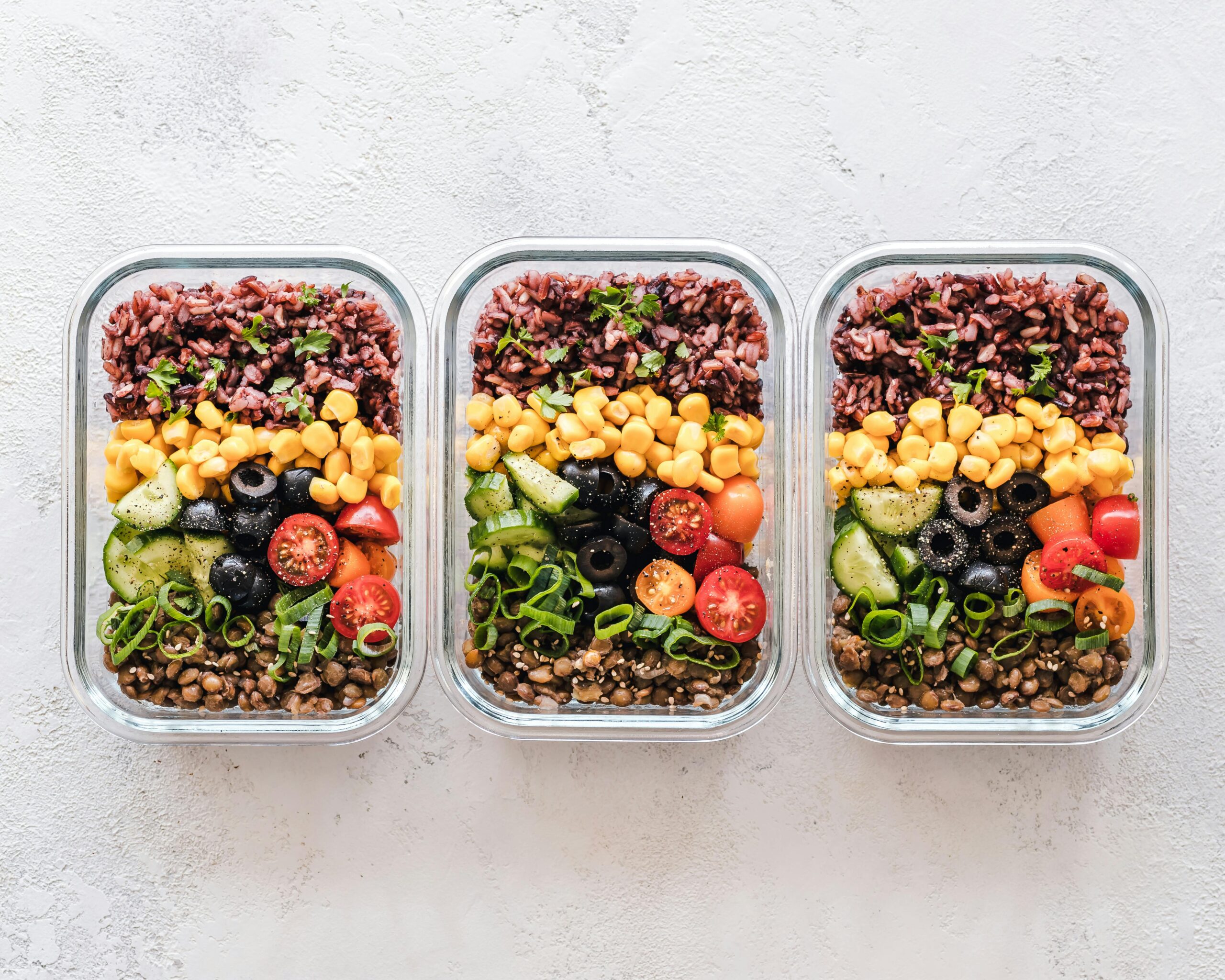
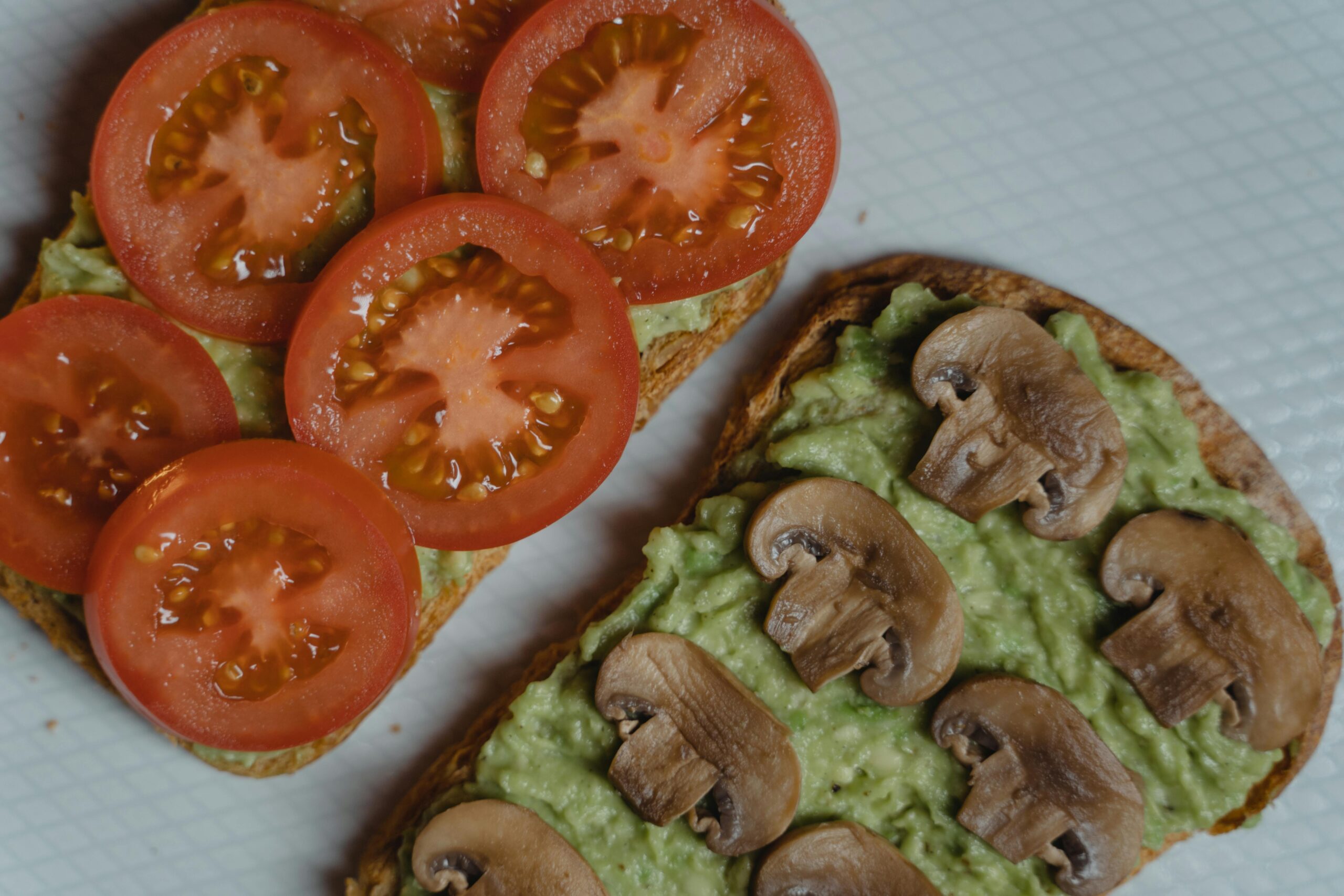
Consider incorporating water-rich foods into your breakfast routine. Watermelon, cucumber, oranges, strawberries, and cantaloupe all contain over 85% water content and provide additional nutrients, fiber, and natural electrolytes that support sustained hydration throughout your morning.
💧 The Science of Smart Fluid Replacement
Not all beverages hydrate equally, and understanding the nuances can dramatically improve your hot weather performance. Water remains the gold standard for hydration, but various factors influence how effectively your body absorbs and utilizes different fluids.
The concept of beverage osmolality—the concentration of particles in a liquid—determines how quickly fluids move from your digestive system into your bloodstream. Hypotonic drinks (lower particle concentration than blood) absorb quickly but may lack necessary electrolytes. Isotonic drinks match blood concentration, providing balanced hydration and electrolyte replacement. Hypertonic drinks contain higher concentrations and may actually draw water into the digestive tract, temporarily reducing hydration.
Optimal Beverage Choices for Hot Days
- Water: Your primary hydration source, best consumed consistently throughout the day rather than in large amounts infrequently
- Coconut water: Natural electrolyte source with potassium, magnesium, and sodium in moderate amounts
- Herbal iced teas: Hydrating with antioxidants, avoid those with diuretic properties like excess caffeine
- Electrolyte drinks: Beneficial during prolonged heat exposure or intense physical activity lasting over 60 minutes
- Milk: Surprisingly effective due to protein and electrolyte content that enhances fluid retention
Beverages to Limit or Avoid
Caffeinated beverages produce a mild diuretic effect, though regular consumers develop tolerance. Moderate coffee or tea consumption (1-2 cups) generally won’t significantly impair hydration, but relying heavily on these during extreme heat isn’t ideal.
Alcohol substantially impairs hydration by suppressing antidiuretic hormone, increasing urine production and accelerating fluid loss. Even moderate alcohol consumption in hot weather can quickly lead to dehydration and amplify heat-related risks.
Sugary sodas and fruit juices may seem refreshing, but their high sugar content can slow gastric emptying and water absorption. If consumed, dilute fruit juices with water or choose options with lower sugar concentrations.
🕐 Timing Your Hydration: The Strategic Approach
Consistent, measured hydration throughout the day vastly outperforms sporadic large-volume drinking. Your kidneys can process approximately 800-1000 milliliters of fluid per hour. Consuming more than this in a short period simply results in increased urination without improved hydration status.
Implement a structured drinking schedule rather than relying on thirst cues alone. Set reminders on your phone or use a hydration tracking app to prompt regular fluid intake. Aim to consume 7-10 ounces every 15-20 minutes during active periods in hot weather, or approximately 16-24 ounces per hour during moderate activity.
Activity-Specific Hydration Timing
Before exercise or outdoor work in heat, consume 16-20 ounces of fluid two to three hours beforehand, followed by another 8-10 ounces 15-20 minutes before starting. This pre-loading ensures you begin properly hydrated without feeling uncomfortably full.
During activity, target 7-10 ounces every 10-20 minutes rather than waiting until breaks. Small, frequent sips maintain more consistent hydration levels than infrequent larger drinks. If activity exceeds 60 minutes or involves intense exertion, switch to beverages containing electrolytes.
Post-activity rehydration should aim to replace 150% of fluid losses within the first two to four hours. Weigh yourself before and after prolonged heat exposure or exercise—for every pound lost, consume 20-24 ounces of fluid. This accounts for ongoing losses that continue even after activity ceases.
⚡ Electrolytes: The Often Overlooked Hydration Essential
Water alone doesn’t tell the complete hydration story. Electrolytes—minerals carrying electrical charges—are equally critical for proper hydration, nerve signaling, muscle contraction, and pH balance. Sodium, potassium, magnesium, calcium, and chloride all play distinct roles in maintaining optimal function.
Sweat contains significant sodium, along with smaller amounts of potassium, magnesium, and calcium. During prolonged heat exposure, these losses accumulate. Drinking only plain water without electrolyte replacement can lead to hyponatremia—dangerously low blood sodium levels that cause nausea, headaches, confusion, and in severe cases, life-threatening complications.
Natural Electrolyte Sources
While commercial sports drinks provide electrolytes, many natural food sources offer these minerals without added sugars or artificial ingredients. Bananas deliver potassium and magnesium. Leafy greens provide calcium and magnesium. Celery and tomatoes offer sodium in moderate amounts. Nuts and seeds contribute magnesium and calcium.
Create a simple homemade electrolyte drink by combining 16 ounces of water with 1/4 teaspoon of sea salt, 2 tablespoons of fresh lemon or lime juice, and a tablespoon of honey or maple syrup for taste and quick energy. This provides a balanced electrolyte profile without excessive sugar or additives.
🍉 Hydrating Foods: Eating Your Water
Approximately 20% of daily fluid intake typically comes from food sources, but strategic food choices can significantly increase this percentage during hot weather. Water-rich foods provide hydration plus valuable nutrients, fiber, and satiety that beverages alone cannot match.
| Food | Water Content | Additional Benefits |
|---|---|---|
| Cucumber | 96% | Silica for skin health, very low calorie |
| Watermelon | 92% | Lycopene, citrulline for circulation |
| Strawberries | 91% | Vitamin C, antioxidants, fiber |
| Cantaloupe | 90% | Vitamin A and C, potassium |
| Lettuce | 95% | Folate, vitamin K, fiber |
| Celery | 95% | Natural sodium, fiber, very low calorie |
| Tomatoes | 94% | Lycopene, vitamin C, potassium |
Build meals around these hydrating foods during hot weather. Start lunch with a large salad featuring lettuce, cucumber, and tomatoes. Snack on watermelon, berries, or celery sticks throughout the afternoon. Prepare chilled soups like gazpacho that combine multiple water-rich vegetables in a refreshing, easily digestible format.
Recognizing Dehydration Warning Signs
Developing awareness of your body’s dehydration signals enables rapid intervention before serious problems develop. Early recognition and response can prevent a minor deficit from becoming a dangerous situation.
Urine color serves as the most accessible hydration indicator. Pale yellow or straw-colored urine suggests adequate hydration. Dark yellow or amber indicates concentration and need for increased fluid intake. Exceptions include certain vitamins and medications that affect urine color regardless of hydration status.
Beyond urine color, watch for decreased urination frequency, dry mouth and lips, headaches, dizziness, fatigue, reduced skin elasticity, and difficulty concentrating. These signs indicate progressive dehydration requiring immediate attention.
Advanced Dehydration Symptoms
Severe dehydration manifests through rapid heartbeat, rapid breathing, sunken eyes, extreme thirst, very dry skin, confusion, irritability, and fainting. These symptoms constitute a medical emergency requiring professional intervention, not just increased fluid intake.
Children and elderly individuals face higher dehydration risks due to less efficient thirst mechanisms and different body composition. Monitor vulnerable populations closely during hot weather and encourage regular fluid intake even without thirst complaints.
🌙 Evening Recovery and Overnight Considerations
Your hydration routine doesn’t end when the sun sets. Evening rehydration and overnight strategies significantly impact next-day readiness and recovery from heat exposure.
Continue moderate fluid intake through the evening, but taper off approximately 60-90 minutes before bed to minimize nighttime bathroom trips that disrupt sleep quality. If you consumed inadequate fluids during the day, gradual evening rehydration works better than trying to “catch up” with large amounts immediately before bed.
Keep water accessible on your nightstand. Even brief nighttime wakings provide opportunities for a few sips that contribute to overall hydration without significantly disrupting sleep. Room temperature water generally promotes better sleep than cold water, which may be slightly stimulating.
Special Considerations for Different Activities
Various hot-weather activities present unique hydration challenges requiring tailored approaches. Understanding these specific demands optimizes performance and safety across different contexts.
Outdoor Exercise and Sports
Athletic performance declines measurably at just 2% dehydration, with increasing impairment as losses mount. Schedule intense workouts during cooler morning or evening hours when possible. Wear light-colored, moisture-wicking clothing that promotes evaporative cooling. Measure pre- and post-exercise weight to calculate individual sweat rates and customize fluid replacement.
Outdoor Work and Labor
Construction workers, landscapers, and others performing physical labor in heat face particularly high hydration demands. Employers should provide shaded rest areas, unlimited cool water access, and scheduled hydration breaks. Workers should consume fluids before thirst develops and combine drinking with brief cooling periods in shade.
Travel and Outdoor Recreation
Hiking, camping, beach activities, and outdoor festivals present hydration challenges due to limited access to fluids and bathrooms. Plan ahead by bringing more water than you think necessary—a good rule is one liter per hour of activity in hot weather. Portable water filters or purification tablets extend available supplies. Consider hydration packs or belts that allow hands-free drinking while moving.
Creating Your Personal Hydration System
Generic hydration advice provides a starting point, but optimal strategies require personalization based on individual factors including body size, fitness level, sweat rate, climate acclimatization, and specific activities.
Calculate your baseline fluid needs using body weight: divide your weight in pounds by two to estimate daily ounces needed in moderate conditions. Add 12 ounces for every 30 minutes of moderate activity, more for intense exercise. Adjust upward for hot weather, high altitude, or dry climates.
Track your hydration for one to two weeks, noting fluid intake, urine frequency and color, energy levels, and any symptoms. Patterns emerge that reveal your optimal intake volume and timing. What works for others may not work identically for you—individualization produces better results than rigid adherence to generic recommendations.
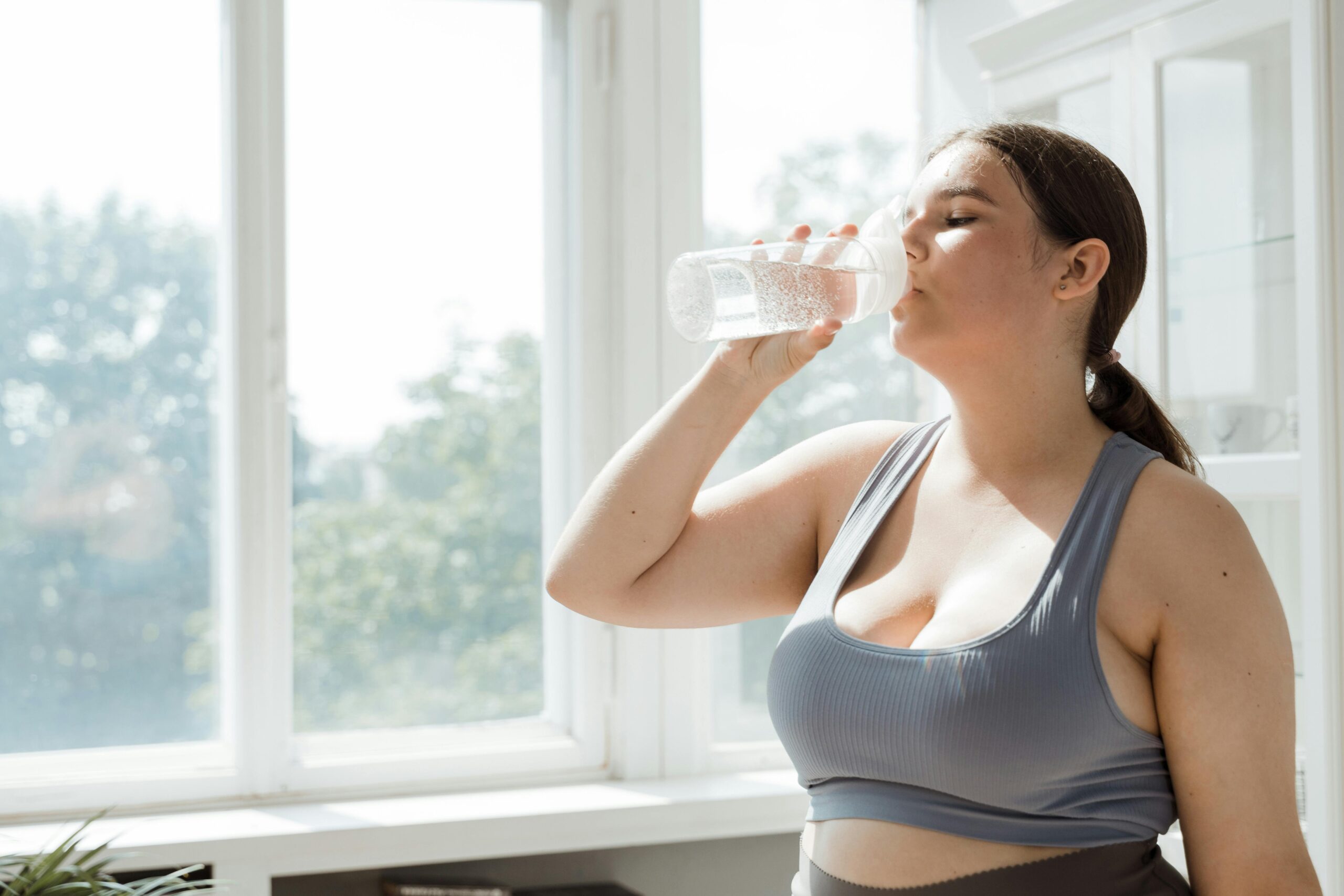
Transforming Hot Days From Draining to Energizing
Mastering hydration for hot weather isn’t about perfect adherence to complex formulas or obsessive water consumption. It’s about developing consistent habits that keep your body’s fluid reserves maintained, your energy levels stable, and your performance optimized regardless of temperature.
Start tomorrow morning with those first 16-20 ounces. Set regular reminders throughout your day. Choose water-rich foods. Pay attention to your body’s signals. Make small adjustments based on your experiences. These simple practices compound over time, transforming how you feel and function during summer’s hottest days.
Hot weather no longer needs to mean sluggishness, headaches, and counting down hours until cooler temperatures return. With strategic hydration practices firmly established, you’ll maintain energy, focus, and vitality even when the thermometer climbs. The difference between struggling through heat and thriving despite it often comes down to nothing more complicated than giving your body the fluids and electrolytes it needs, when it needs them, consistently throughout every sun-drenched day.