Office snacking has long been a double-edged sword: a necessary energy boost that often leaves behind crumbs, sticky residue, and workplace chaos. The quest for productivity shouldn’t compromise cleanliness, and that’s where smart snacking solutions come into play.

Modern workplaces are evolving beyond traditional break rooms filled with messy chips and crumbly cookies. Professionals today demand snacking options that fuel their workday without creating cleanup headaches or embarrassing desk disasters during video calls. The rise of tidy, convenient, and mess-free snacks represents more than just a trend—it’s a workplace revolution that prioritizes both wellness and environmental consciousness while maintaining professional standards.
🍎 The Hidden Cost of Messy Office Snacking
Beyond the obvious visual clutter, messy snacks create tangible problems in professional environments. Crumbs attract pests, sticky residue damages keyboards and documents, and the constant need for cleanup diverts time from productive work. Studies show that cluttered workspaces directly impact cognitive performance and stress levels, making the case for tidier snacking solutions more compelling than ever.
The average office worker spends approximately 15-20 minutes daily dealing with snack-related messes—wiping desks, cleaning keyboards, or simply feeling distracted by disorder. Multiply this across an entire organization, and the productivity loss becomes substantial. Additionally, food debris in shared spaces can create tension among coworkers and reflect poorly on company culture during client visits.
What Makes a Snack “Tidy” Anyway? 🤔
Not all snacks are created equal when it comes to workplace appropriateness. Tidy bites share several key characteristics that make them office-friendly champions. Understanding these qualities helps both employers and employees make better snacking choices that support a cleaner, more professional environment.
Essential Characteristics of Low-Mess Snacks
- Minimal crumbling: Snacks should hold their structure without shedding particles across desks and floors
- No sticky residue: Finger-friendly foods that don’t require immediate handwashing or leave marks on documents
- Portion control packaging: Individual servings that eliminate the need for additional containers or utensils
- Quiet consumption: Foods that can be eaten discreetly without disruptive crunching during meetings or calls
- Stable at room temperature: Options that don’t require refrigeration or risk melting and creating messes
- Minimal packaging waste: Eco-conscious solutions that reduce trash accumulation
Top Tidy Bite Categories for Modern Offices 🥜
Transitioning to a cleaner snacking culture doesn’t mean sacrificing variety or enjoyment. The marketplace now offers countless options specifically designed for busy professionals who value both nutrition and neatness. These categories represent the best of what tidy office snacking has to offer.
Protein-Packed Options That Stay Put
Protein bars have evolved significantly from their chalky predecessors. Today’s options feature smooth textures that don’t crumble, wrapped in convenient packaging perfect for desk drawers. Look for brands using whole ingredients with natural binding agents that keep everything contained. Jerky products—from traditional beef to innovative plant-based varieties—offer another excellent mess-free protein source, though attention to low-sodium options is advisable for health-conscious workplaces.
Nut butter packets paired with sturdy fruit slices or pretzels provide satisfying protein without the mess of traditional peanut butter jars. These single-serve options eliminate cross-contamination concerns and ensure portion control, making them ideal for shared office environments.
Fruit Solutions That Work at Your Desk
While fresh fruit offers undeniable health benefits, not all varieties suit desk-side consumption. Bananas, clementines, and apples with their natural protective peels represent ideal choices. Pre-cut fruit in sealed containers provides convenience, though drainage is essential to prevent soggy messes.
Dried fruit snacks have improved dramatically, with many brands now offering low-sugar versions in resealable pouches. Freeze-dried fruit provides satisfying crunch without the mess of traditional dried varieties, and their lightweight nature makes them perfect for keeping multiple flavors on hand without taking up valuable desk space.
Savory Snacks Reimagined for Cleanliness
The savory snack category has witnessed tremendous innovation in recent years. Cheese crisps and baked cheese bites deliver satisfying flavor without the grease and crumbs of traditional chips. Roasted chickpeas and edamame offer protein-rich alternatives with minimal mess potential when consumed directly from small bowls or cups.
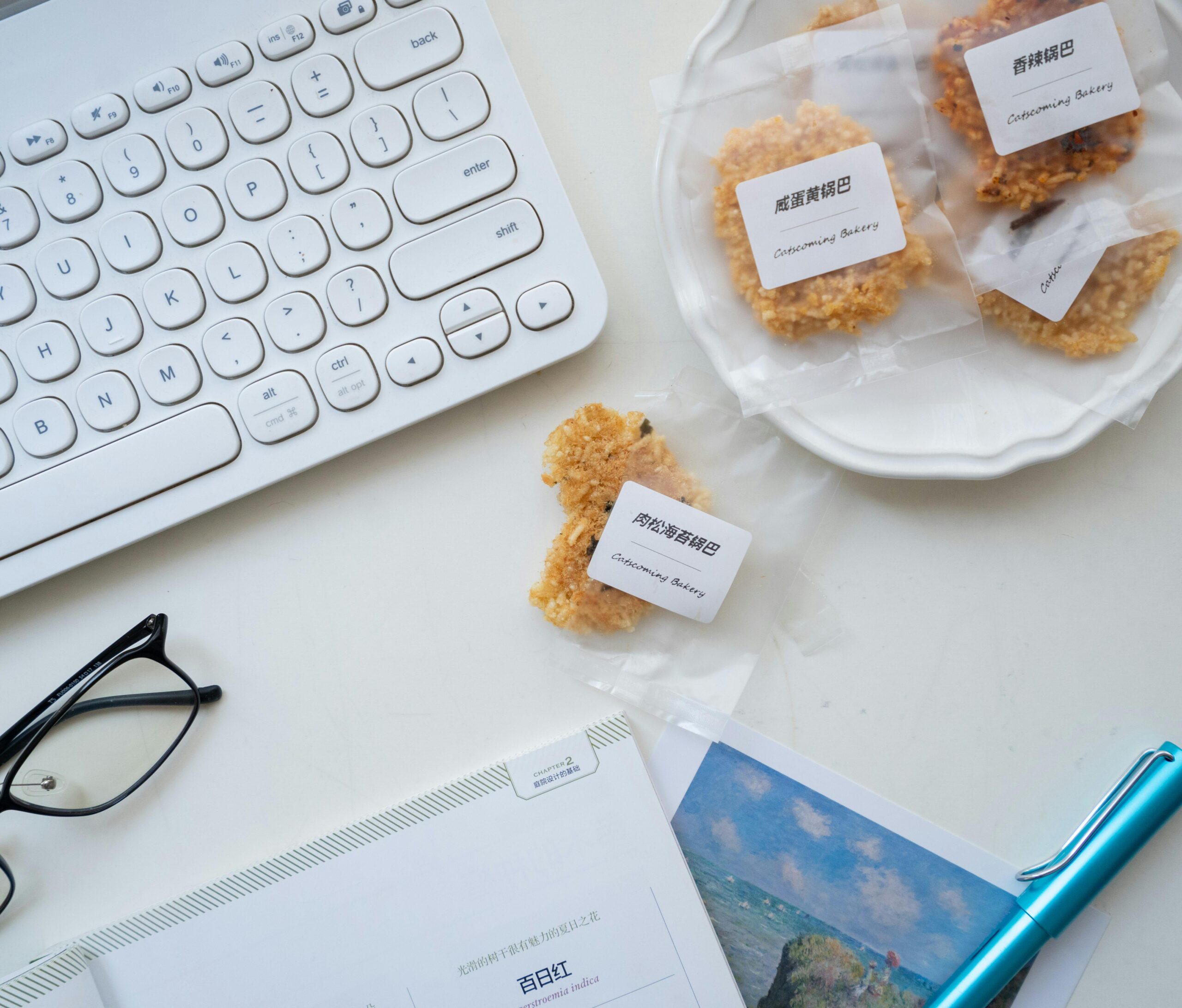
Rice cakes and seaweed snacks provide satisfying crunch with significantly less debris than crackers or chips. Modern packaging for these items often includes resealable features, allowing workers to enjoy a portion and save the rest without compromising freshness or creating disposal issues.
Creating a Tidy Snack Station That Everyone Will Love ✨
Individual snacking solutions work best within a supportive infrastructure. Thoughtfully designed snack stations transform break rooms from cluttered chaos into organized oases that encourage healthy eating habits while maintaining cleanliness standards. The investment in proper setup pays dividends in employee satisfaction and reduced cleaning costs.
Organization Systems That Prevent Mess Before It Starts
Clear, labeled containers for different snack categories help employees quickly identify options while maintaining visual order. Stackable dispensers for items like nuts, dried fruit, and pretzels allow for easy one-handed operation that minimizes spills. Installing small trash receptacles directly beside snack areas ensures wrappers and refuse don’t travel throughout the office.
Consider adding a small supply station with napkins, hand sanitizer, and wet wipes adjacent to snack areas. This encourages immediate cleanup and reduces the likelihood of employees returning to their desks with messy hands. Simple signage reminding staff to “Take Only What You’ll Finish” helps prevent food waste and reduces the temptation to overload plates that might lead to spills during transport.
Smart Storage Solutions for Individual Workspaces
Personal desk organization plays an equally important role in maintaining tidy snacking habits. Small drawer organizers specifically designated for snacks prevent items from rolling around and potentially creating messes. Airtight containers protect snacks from staleness while containing any potential debris should packages accidentally open.
Desktop snack caddies with multiple compartments allow employees to keep several options accessible without cluttering work surfaces. These solutions prove particularly valuable in open office environments where professional appearance matters, and in home offices where work-life boundaries benefit from intentional organization.
The Psychology Behind Cleaner Eating Habits 🧠
Behavior change doesn’t happen through product availability alone. Understanding the psychological factors that influence snacking choices helps organizations implement lasting cultural shifts toward tidier consumption patterns. When employees understand the “why” behind tidy snacking initiatives, compliance and enthusiasm increase significantly.
Research in environmental psychology demonstrates that people naturally maintain higher standards in already-clean environments. By establishing visual cleanliness baselines in snack areas and throughout the office, companies create subtle pressure for individuals to match those standards. This phenomenon, known as the “broken windows theory” in reverse, leverages our innate desire to conform to surrounding norms.
Building Positive Snacking Rituals
Transforming snacking from mindless grabbing to intentional breaks enhances both the eating experience and cleanliness outcomes. Encouraging employees to step away from their desks for snack breaks reduces the likelihood of distracted eating that leads to spills and crumbs. Creating comfortable designated eating spaces signals that food consumption deserves dedicated attention rather than competing with work tasks.
Simple rituals like using a napkin or small plate for every snack—regardless of how tidy the food seems—builds habits that naturally contain messes. Gamification strategies, such as recognizing the “tidiest desk” or cleanest department, tap into competitive instincts while keeping the focus lighthearted and positive.
Addressing Special Dietary Needs Tidily 🌱
Inclusive workplaces must accommodate various dietary requirements without compromising cleanliness standards. Fortunately, many special diet snacks align perfectly with low-mess principles. Gluten-free options often feature denser textures that crumble less than traditional wheat-based products. Plant-based protein bars and treats typically avoid the greasy residue associated with some conventional snacks.
Allergen-friendly snacking requires extra attention to cross-contamination prevention, which naturally promotes cleaner practices. Individual packaging becomes essential rather than optional, and dedicated storage areas for allergen-free options reinforce organizational habits that benefit everyone. Clear labeling systems for dietary categories—vegan, nut-free, gluten-free, dairy-free—help employees quickly identify suitable options while maintaining the orderly appearance of snack stations.
The Environmental Advantage of Thoughtful Snacking 🌍
Tidy snacking and environmental consciousness intersect more than most realize. Reducing mess often correlates with reducing waste, as portion-controlled consumption decreases food thrown away due to staleness or over-purchasing. Choosing snacks with minimal, recyclable packaging contributes to sustainability goals while naturally limiting mess potential.
Bulk purchasing of approved tidy snacks for office pantries reduces individual packaging waste compared to vending machine options. Encouraging reusable containers for transporting snacks from communal areas to desks further minimizes environmental impact. Some forward-thinking companies have partnered with suppliers offering compostable packaging for office snacks, creating closed-loop systems that align cleanliness, sustainability, and employee wellness.
Measuring Success: Is Your Tidy Snacking Program Working? 📊
Implementing changes requires assessment mechanisms to ensure efforts produce desired outcomes. Both quantitative and qualitative metrics offer insights into program effectiveness and areas needing refinement.
| Metric | Measurement Method | Success Indicator |
|---|---|---|
| Cleaning Costs | Monthly janitorial expenses | 10-15% reduction in first quarter |
| Employee Satisfaction | Quarterly surveys on workplace cleanliness | Positive ratings above 80% |
| Snack Consumption Patterns | Inventory tracking of tidy vs. messy options | Increasing preference for low-mess items |
| Waste Reduction | Break room trash volume | 20% decrease over six months |
| Desk Cleanliness | Observational assessments | Fewer visible food residues during spot checks |
Qualitative feedback through informal conversations and suggestion boxes provides context that numbers alone cannot capture. Employees may report feeling more professional during video conferences, less distracted by mess, or more energized by healthier snacking options—all valuable outcomes worth documenting and celebrating.
Overcoming Resistance to Snacking Changes 💪
Not every employee will embrace new snacking guidelines enthusiastically. Change management principles apply as much to office snacks as to major organizational shifts. Resistance often stems from perceived loss of freedom or preference for familiar favorites, even when those favorites create problems.
Addressing concerns proactively through transparent communication helps smooth transitions. Explain the reasoning behind changes, emphasizing benefits like reduced pest problems, better air quality, and decreased allergy risks rather than framing initiatives as punitive measures. Involving employees in selection processes for new snack options creates ownership and increases acceptance rates.
Gradual Implementation Strategies
Rather than eliminating all messy snacks overnight, consider phased approaches that introduce tidy alternatives alongside traditional options. As employees discover they genuinely enjoy cleaner snacking solutions, natural preference shifts occur with less friction than forced changes produce. Pilot programs in willing departments demonstrate success before company-wide rollouts, providing testimonials and troubleshooting opportunities.
Educational lunch-and-learns featuring tastings of various tidy snacks transform potentially controversial policies into engaging experiences. When employees understand that “tidy” doesn’t mean “bland” or “boring,” resistance diminishes significantly. Highlighting premium or artisanal tidy snack options can even position the changes as upgrades rather than restrictions.
Future-Proofing Your Workplace Snacking Culture 🚀
The office environment continues evolving, with hybrid work models, hot-desking arrangements, and increased focus on wellness shaping how organizations approach every aspect of workplace experience. Snacking solutions that proved adequate five years ago no longer meet current expectations, and tomorrow’s workplaces will demand even greater thoughtfulness.
Technology integration represents one frontier in tidy snacking evolution. Smart vending machines that dispense portion-controlled servings directly into reusable containers eliminate packaging waste while ensuring mess-free transport. Apps that allow employees to pre-order snacks for pickup reduce congestion at snack stations and enable better inventory management based on actual preferences rather than assumptions.
Subscription services delivering curated tidy snacks directly to office locations offer convenience while introducing variety that keeps snacking programs fresh and engaging. These services often provide detailed nutritional information and accommodate dietary restrictions systematically, reducing administrative burden on office managers while improving employee satisfaction.
Making the Business Case for Investment in Tidy Snacking 💼
Budget-conscious decision-makers need compelling reasons to allocate resources toward snacking program improvements. The return on investment extends beyond immediate cleanliness to encompass productivity, retention, and company reputation—all factors with measurable financial implications.
Reduced cleaning costs represent the most obvious savings, but decreased equipment replacement expenses matter too. Keyboards, mice, and other peripherals damaged by spills and food debris require frequent replacement in environments with messy snacking habits. Office furniture and carpeting similarly last longer when protected from food-related stains and odors.
Employee wellness programs gain credibility when supported by practical infrastructure like thoughtful snack options. Workers increasingly evaluate employers based on holistic wellness support, with convenient healthy eating options ranking highly among desired benefits. The modest investment in quality tidy snacks pays dividends in recruitment and retention, particularly in competitive talent markets.
Your Action Plan for Snacking Transformation 📝
Ready to revolutionize your workplace with tidy bites? Start by assessing current snacking patterns and pain points through brief surveys or observation. Identify the messiest culprits and most frustrated employees to understand where changes will yield maximum impact. Research available tidy snack options within your budget, requesting samples when possible to evaluate taste, packaging, and actual mess levels.
Develop clear communication explaining upcoming changes, emphasizing benefits and inviting feedback. Set realistic timelines that allow for gradual adjustment rather than expecting overnight transformation. Designate snacking champions—enthusiastic employees who can model new behaviors and answer peer questions informally.
Celebrate early wins publicly, whether through photos of cleaner break rooms, testimonials from satisfied employees, or quantifiable metrics demonstrating improvement. Continuous refinement based on ongoing feedback ensures your tidy snacking program evolves with your workplace rather than becoming stagnant.
The journey toward cleaner, happier workplace snacking isn’t about deprivation or excessive restriction—it’s about intentional choices that honor both individual needs and collective wellbeing. By embracing tidy bites, organizations signal respect for employees’ time, health, and work environment while practical benefits compound over time. The snacking revolution starts with small, thoughtful changes that create ripple effects throughout office culture, proving that something as simple as choosing the right afternoon treat can genuinely transform workplace experience for the better.