Feeling the midday slump hit harder than your morning alarm? You’re not alone. The secret to sustained energy isn’t found in another cup of coffee—it’s in strategic snack planning that fuels your body and brain throughout the entire day.

Modern life demands consistent mental clarity and physical stamina, yet most of us rely on haphazard eating patterns that leave us riding an energy roller coaster. The difference between a productive, focused day and one spent fighting fatigue often comes down to what, when, and how you snack. By implementing a structured snack planning system, you can transform your daily performance and finally say goodbye to those dreaded energy crashes.
Understanding Your Body’s Energy Cycles 🔋
Before diving into snack planning strategies, it’s essential to understand how your body processes and utilizes energy throughout the day. Your metabolism doesn’t operate at a constant rate—it fluctuates based on circadian rhythms, activity levels, and meal timing.
Most people experience natural energy dips around 2-3 PM, a phenomenon rooted in our biological clock rather than just poor lunch choices. Your blood sugar levels rise and fall in response to food intake, with dramatic spikes followed by crashes when you consume high-glycemic foods. Strategic snacking helps maintain stable blood glucose levels, preventing these energy roller coasters.
The key is understanding that not all calories are created equal. Your brain alone consumes about 20% of your daily caloric intake, and it requires specific nutrients to function optimally. Complex carbohydrates, healthy fats, and protein work synergistically to provide sustained energy release rather than quick bursts followed by crashes.
The Foundation: Building Your Snack Planning Framework
Creating an effective snack planning system starts with establishing a solid foundation. This means identifying your personal energy patterns, understanding your nutritional needs, and recognizing the triggers that lead to poor snacking decisions.
Identifying Your Personal Energy Patterns
Everyone’s energy cycles are unique. Some people are natural early risers with peak performance in the morning, while others hit their stride later in the day. Track your energy levels for one week, noting when you feel most alert and when fatigue sets in. This awareness becomes the blueprint for timing your snacks strategically.
Consider keeping a simple energy journal where you rate your alertness on a scale of 1-10 every two hours. You’ll likely notice patterns emerging—perhaps you’re sharpest at 10 AM but start fading by 3 PM. These insights tell you exactly when your body needs nutritional support.
Calculating Your Snack Calorie Budget
Snacks should complement your meals, not replace them. Generally, snacks should account for 10-20% of your daily caloric intake, distributed across 2-3 strategic eating occasions. For someone consuming 2,000 calories daily, this translates to 200-400 calories from snacks, or roughly 100-200 calories per snacking session.
The timing matters as much as the quantity. Spacing snacks approximately 2-3 hours after meals prevents hunger from building to the point where you make impulsive, less healthy choices. This consistent fueling keeps your metabolism active and your blood sugar stable.
The Ultimate Snack Categories for Sustained Energy ⚡
Not all snacks deliver the same energizing benefits. Understanding which food categories provide lasting fuel helps you make smarter choices when planning your daily intake.
Protein-Powered Options
Protein is the foundation of any energy-sustaining snack strategy. It digests slowly, provides amino acids for neurotransmitter production, and keeps you feeling satisfied longer than carbohydrates alone. Excellent portable protein snacks include hard-boiled eggs, Greek yogurt, edamame, turkey roll-ups, and mixed nuts.
Aim for at least 5-10 grams of protein per snack to experience meaningful satiety and energy benefits. This amount triggers the release of peptide YY, a hormone that signals fullness to your brain and helps prevent overeating later.
Complex Carbohydrates for Brain Fuel
Your brain runs primarily on glucose, making carbohydrates essential for cognitive function. However, the type of carbohydrate matters tremendously. Complex carbs like whole grains, fruits with skin, and vegetables release glucose gradually, providing steady mental energy without the crash.
Pairing complex carbs with protein or healthy fats slows digestion even further, extending the energy release. Think apple slices with almond butter, whole grain crackers with hummus, or berries mixed into Greek yogurt.
Healthy Fats for Long-Lasting Fuel
Fats are the most energy-dense macronutrient, providing 9 calories per gram compared to 4 calories from protein or carbohydrates. More importantly, they slow gastric emptying, meaning food stays in your stomach longer and releases energy more gradually.
Incorporate sources like avocados, nuts, seeds, and dark chocolate (70% cacao or higher) into your snacking rotation. These foods also support hormone production and brain health, contributing to better focus and mood stability throughout the day.
Your Weekly Snack Planning Strategy 📅
Consistency is the secret weapon of successful snack planning. By dedicating just 30 minutes each week to preparation, you eliminate decision fatigue and ensure healthy options are always within reach.
Sunday Prep Session
Designate Sunday afternoon or evening as your snack prep time. During this session, wash and portion fruits and vegetables, prepare hard-boiled eggs, portion nuts into small containers, and prepare any homemade snacks like energy balls or protein muffins.
This preparation eliminates the common excuse of not having healthy options available when hunger strikes. When nutritious snacks are as convenient as grabbing a bag of chips, you’ll naturally make better choices.
Creating Your Snack Schedule
Based on your energy tracking, establish specific snack times that align with your natural dips. A typical schedule might look like this: mid-morning snack at 10:30 AM, afternoon snack at 3:00 PM, and optional evening snack at 7:30 PM if dinner is early or you work out in the evening.
Set reminders on your phone or use a meal planning app to stay consistent. The goal is to eat before you’re ravenously hungry, which helps prevent overeating and poor food choices driven by desperation rather than intention.
The Power of Snack Combinations 🥜
The most effective energy-boosting snacks combine multiple macronutrients, creating a synergistic effect that outperforms any single food alone. This balanced approach provides immediate energy from carbohydrates, sustained fuel from fats, and satiety from protein.
Winning Snack Combinations
Here are proven combinations that deliver all-day energy and focus:
- Apple slices with almond butter and a sprinkle of cinnamon
- Greek yogurt topped with berries, chia seeds, and a drizzle of honey
- Whole grain crackers with hummus and cucumber slices
- Trail mix combining nuts, seeds, and dried fruit (watch portions—this is calorie-dense)
- Cottage cheese with cherry tomatoes and everything bagel seasoning
- Banana with peanut butter and dark chocolate chips
- Celery sticks with cream cheese and walnuts
- Protein smoothie with spinach, frozen berries, protein powder, and avocado
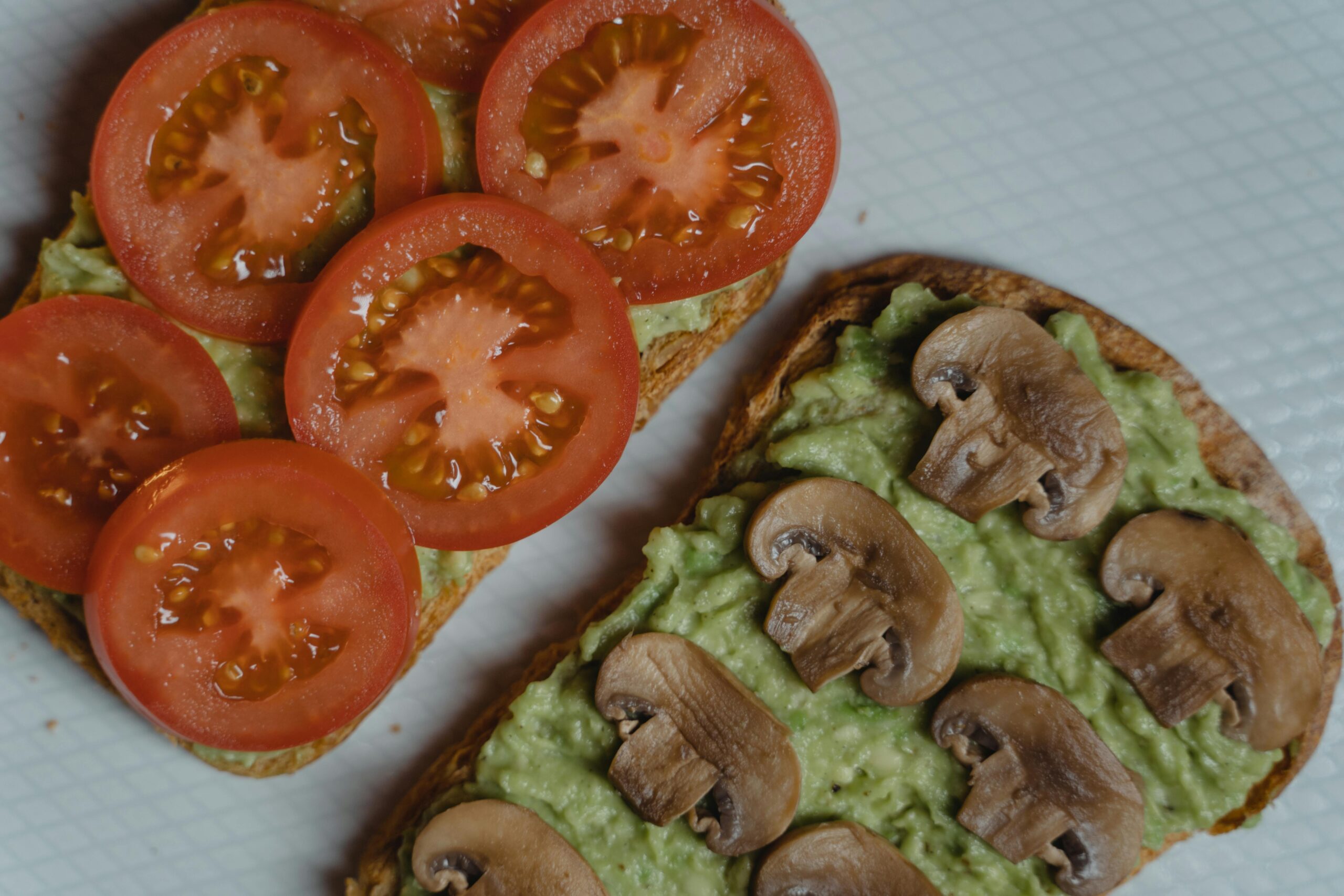
- Rice cake with avocado, hemp seeds, and sea salt
- Roasted chickpeas with raw vegetables and tahini dip
Each combination provides a balance of quick and sustained energy, along with essential vitamins and minerals that support overall cognitive function and physical performance.
Hydration: The Often-Forgotten Energy Factor 💧
Even mild dehydration—as little as 1-2% of body weight—can significantly impair cognitive performance, mood, and energy levels. Many people mistake thirst for hunger, leading to unnecessary snacking when their body actually needs water.
Pair each snack with a glass of water to ensure adequate hydration. Aim for at least half your body weight in ounces daily (for example, a 150-pound person should consume at least 75 ounces of water). Herbal teas, infused water, and even water-rich foods like cucumber and watermelon contribute to your hydration goals.
Portable Snacking for Busy Lifestyles 🎒
The best snack plan means nothing if you can’t execute it during your actual daily routine. Portability is essential for maintaining your system when you’re at work, traveling, or running between commitments.
Building Your Snack Emergency Kit
Keep non-perishable snacks in your desk drawer, car, and bag so you’re never caught without options. Shelf-stable choices include individual nut butter packets, protein bars with minimal added sugar, roasted edamame, dried seaweed snacks, and mixed nuts.
Invest in a small insulated lunch bag and ice packs to expand your portable options to include Greek yogurt, cheese sticks, hummus, and fresh vegetables. This small investment dramatically increases your ability to stick with your snack planning system regardless of your schedule.
Tracking and Optimizing Your System 📊
What gets measured gets managed. Tracking your snacking patterns helps identify what works, what doesn’t, and where adjustments can improve your results. This doesn’t require obsessive calorie counting—simple awareness goes a long way.
Several mobile apps can help streamline your snack planning and tracking process. MyFitnessPal offers comprehensive food logging with barcode scanning, making it easy to track macronutrients and ensure your snacks provide balanced nutrition. For meal planning specifically, Mealime provides customizable meal and snack plans with integrated grocery lists.
Note how different snacks affect your energy, focus, and hunger levels. If you find yourself hungry again within an hour, that snack likely lacked sufficient protein or fat. If you feel sluggish after eating, you may have consumed too many refined carbohydrates or too large a portion.
Overcoming Common Snack Planning Obstacles
Even the best-designed system faces challenges. Anticipating common obstacles and developing solutions in advance dramatically increases your success rate.
Time Constraints and Preparation Fatigue
The most common excuse for abandoning snack planning is lack of time. Combat this by choosing increasingly simple preparations—pre-portioned nuts, whole fruits that don’t require cutting, and purchased hummus paired with baby carrots require zero prep beyond shopping.
Alternatively, rotate preparation responsibilities with family members or dedicate just 10 minutes daily to quick prep rather than one long weekly session if that feels overwhelming.
Social Situations and Travel
Meetings with catered snacks, airport food courts, and dinner parties test your commitment to healthy snacking. In these situations, flexibility is key. Enjoy treats occasionally without guilt, but plan ahead when possible by eating a balanced snack before events where unhealthy options will be prevalent.
When traveling, research healthy snack options near your destination, pack portable options in your carry-on, and prioritize hydration to combat the energy-draining effects of time zone changes and disrupted routines.
Fine-Tuning for Your Unique Goals 🎯
Your snack planning system should align with your specific health and performance goals, whether that’s weight management, athletic performance, mental clarity for demanding work, or managing a health condition like diabetes.
For weight loss, emphasize protein and fiber-rich snacks that provide maximum satiety with fewer calories. Those focused on muscle building should increase protein portions and add snacks around workouts. If mental performance is your priority, include omega-3-rich foods like walnuts and foods high in antioxidants like blueberries.
Making It Sustainable for the Long Haul
The ultimate snack planning system isn’t the most perfect one—it’s the one you’ll actually maintain consistently. Sustainability comes from finding the sweet spot between structure and flexibility, preparation and convenience, nutrition and enjoyment.
Allow yourself treats within your plan rather than labeling foods as “forbidden.” The 80/20 approach works well—if 80% of your snacks are nutrient-dense and strategically timed, the remaining 20% can be purely enjoyable without derailing your energy or health goals.
Remember that building new habits takes time. Research suggests it requires an average of 66 days to form a new habit, so give yourself at least two months of consistent effort before evaluating whether your system works. Start small if needed—perhaps master just your mid-afternoon snack before adding morning and evening options.

Transforming Your Daily Performance Through Strategic Snacking 🚀
Implementing a thoughtful snack planning system transforms more than just your energy levels. Consistent, balanced nutrition throughout the day improves mood stability, enhances decision-making ability, supports immune function, and even improves sleep quality by preventing blood sugar crashes that can cause nighttime waking.
Your snacks become an active tool for optimizing performance rather than a passive response to hunger. This shift in mindset—from reactive eating to proactive fueling—represents a fundamental change in how you relate to food and your body’s needs.
The compound effect of better energy and focus accumulates over time. Better daily performance leads to increased productivity and achievement. Stable moods improve relationships. Consistent healthy choices build confidence and self-efficacy that extends beyond nutrition into other life areas.
Start today by tracking your energy for just one day. Tomorrow, add one strategically-timed snack at your lowest energy point. Next week, dedicate 15 minutes to preparing portable options. Small, consistent actions build the ultimate snack planning system that powers your best days, every day.