Staying hydrated isn’t just about drinking water—it’s about building systems that work seamlessly with your lifestyle. In our busy modern world, proper hydration often falls by the wayside.

Most people understand that water is essential for survival, yet studies show that up to 75% of adults operate in a state of chronic dehydration. This silent epidemic affects everything from cognitive performance and physical energy to mood regulation and long-term health outcomes. The solution isn’t complicated, but it does require intentional habit-building and smart reminders that integrate naturally into your daily routine.
The challenge isn’t knowledge—it’s implementation. We know we should drink more water, but knowing and doing are worlds apart. This comprehensive guide will walk you through evidence-based strategies to master hydration through intelligent reminder systems and sustainable habit-building techniques that actually stick.
💧 Why Hydration Matters More Than You Think
Your body is approximately 60% water, and this fluid serves countless critical functions. Water regulates body temperature, transports nutrients, removes waste products, lubricates joints, and maintains blood pressure. Even mild dehydration—losing just 1-2% of your body’s water content—can impair physical performance, concentration, and mood.
Research from the Journal of Nutrition demonstrates that dehydration affects cognitive performance, particularly in tasks requiring attention, psychomotor skills, and immediate memory. Studies show that even marginal dehydration can increase feelings of anxiety and fatigue while decreasing alertness and ability to concentrate.
From a physical performance perspective, dehydration reduces endurance, increases perceived effort, alters temperature regulation, and slows reaction time. For athletes and active individuals, maintaining optimal hydration can be the difference between peak performance and disappointing results.
🎯 Understanding Your Personal Hydration Needs
The old “eight glasses a day” rule is overly simplistic and doesn’t account for individual variation. Your actual hydration needs depend on numerous factors including body size, activity level, climate, diet, and overall health status.
A more personalized approach considers your body weight as a starting point. Many nutritionists recommend consuming approximately half your body weight in ounces of water daily. For example, a 160-pound person would aim for about 80 ounces (roughly 2.4 liters) as a baseline.
Factors That Increase Your Hydration Requirements
- Physical activity: Exercise increases fluid loss through sweat and respiration, requiring additional intake before, during, and after workouts
- Climate conditions: Hot, humid weather or high altitude environments accelerate water loss and demand increased consumption
- Dietary choices: High-protein diets, caffeine, alcohol, and sodium intake all increase fluid requirements
- Health conditions: Fever, diarrhea, vomiting, and certain medical conditions necessitate additional hydration
- Pregnancy and breastfeeding: These conditions significantly increase daily water needs
📱 Smart Reminder Systems That Actually Work
Technology has revolutionized habit formation, and hydration tracking is no exception. Smart reminder systems leverage your smartphone’s capabilities to create gentle, persistent nudges that keep water consumption top of mind throughout your day.
The key to effective reminder systems is personalization and adaptability. Generic hourly alerts quickly become background noise that you’ll ignore. The best systems learn your patterns, adjust to your schedule, and provide contextually relevant prompts that feel helpful rather than intrusive.
Water Reminder Apps: Your Digital Hydration Coach
Dedicated hydration apps have become sophisticated tools that do far more than simply beep at you. They track your intake, calculate personalized goals, provide motivational feedback, and integrate with your daily routine in intelligent ways.
Water Reminder by Leap Fitness Group stands out as one of the most comprehensive and user-friendly options available. The app calculates your recommended daily water intake based on your personal information, sends customizable reminders throughout the day, and tracks your progress with intuitive visual representations.
What makes modern hydration apps effective is their gamification elements. Many incorporate achievement systems, streak counters, and progress charts that tap into our natural desire for completion and accomplishment. These psychological triggers transform a basic health requirement into an engaging daily challenge.
Smart Water Bottles: Technology Meets Hydration
For those who prefer a less phone-dependent approach, smart water bottles offer an innovative middle ground. These bottles feature built-in sensors that track consumption and LED indicators that glow when it’s time to drink.
Smart bottles sync with companion apps to provide comprehensive tracking while reducing screen time. The physical reminder—a glowing bottle on your desk—can be more effective than a smartphone notification that competes with dozens of other alerts.
🔄 Building Unbreakable Hydration Habits
Technology provides the scaffolding, but lasting change requires genuine habit formation. Habits are automatic behaviors triggered by contextual cues, and understanding this mechanism is crucial for hydration success.
According to research published in the European Journal of Social Psychology, it takes an average of 66 days for a new behavior to become automatic. However, this timeline varies significantly based on the complexity of the behavior and how consistently you practice it.
The Implementation Intention Strategy
One of the most effective habit-building techniques is creating “implementation intentions”—specific if-then plans that link situational cues to desired behaviors. For hydration, this might sound like: “When I sit down at my desk in the morning, I will drink a full glass of water.”
This approach works because it reduces the cognitive load required to initiate the behavior. Instead of relying on motivation or memory, you’re creating an automatic response to an existing routine.
Habit Stacking for Hydration Success
Habit stacking, popularized by James Clear in “Atomic Habits,” involves attaching a new behavior to an existing habit. Since you already have numerous established routines throughout your day, you can leverage these as triggers for water consumption.
Effective hydration habit stacks include:
- After I pour my morning coffee, I will drink one glass of water
- Before I check my email, I will take three sips from my water bottle
- When I finish a work task, I will refill my water glass
- Before each meal, I will drink a full glass of water
- After I brush my teeth at night, I will drink water to end my day
🏆 Creating an Environment That Supports Hydration
Your environment dramatically influences your behavior, often more than willpower or motivation. By designing spaces that make hydration the path of least resistance, you remove friction and increase compliance naturally.
The concept of “choice architecture”—how the presentation of options affects decision-making—applies perfectly to hydration. When water is visible, accessible, and appealing, you’ll drink more without conscious effort.
Strategic Water Placement
Place water sources throughout your environment: a filled glass on your nightstand for morning and evening hydration, a bottle at your desk, another in your car, and a tumbler in common areas of your home. This omnipresence creates multiple opportunities for consumption throughout your day.
Visual cues matter tremendously. A clear water bottle showing your progress throughout the day provides constant feedback and motivation. Some people find success with time-marked bottles that indicate where you should be at each hour.
Making Water More Appealing
If you find plain water boring, enhancement strategies can increase consumption without adding significant calories or artificial ingredients. Natural options include:
- Fresh fruit infusions (lemon, berries, cucumber, watermelon)
- Herb additions (mint, basil, rosemary)
- Temperature variation (ice-cold, room temperature, or warm)
- Sparkling water for those who prefer carbonation
- Herbal teas that count toward daily water intake
📊 Tracking Progress and Maintaining Momentum
What gets measured gets managed. Tracking your hydration creates accountability, reveals patterns, and provides motivation through visible progress. However, tracking must be simple enough to sustain long-term or it becomes another abandoned resolution.
| Tracking Method | Advantages | Best For |
|---|---|---|
| Smartphone Apps | Automatic calculations, reminders, detailed analytics | Tech-comfortable individuals who want comprehensive data |
| Marked Water Bottles | Visual progress, no phone needed, simple | People seeking minimal-technology solutions |
| Journal Logging | Integrates with broader wellness tracking, reflective | Those who maintain paper planners or bullet journals |
| Smart Bottles | Automatic tracking, physical reminders, accurate | Individuals willing to invest in dedicated technology |
The Power of Streaks and Milestones
Psychological research confirms that streak maintenance is a powerful motivator. When you’ve successfully stayed hydrated for seven consecutive days, the desire to maintain that streak becomes its own reward system.
Celebrate milestones along your hydration journey: the first week of meeting your goal, the first month, hitting 100 days of consistent tracking. These celebrations reinforce the behavior and strengthen neural pathways associated with the habit.
⚠️ Common Hydration Mistakes to Avoid
Even with the best intentions and systems, certain pitfalls can undermine your hydration efforts. Awareness of these common mistakes helps you navigate around them effectively.
Overhydration, while less common than dehydration, is possible and potentially dangerous. Drinking excessive amounts of water can dilute blood sodium levels, causing a condition called hyponatremia. This is most common among endurance athletes who drink large quantities without replacing electrolytes.
Waiting until you feel thirsty is another mistake. Thirst is actually a late-stage indicator of dehydration—by the time you notice it, you’re already mildly dehydrated. Proactive hydration throughout the day is more effective than reactive drinking.
The Caffeine and Alcohol Factor
While caffeinated beverages do contribute to your total fluid intake, caffeine has mild diuretic effects that increase fluid loss. Similarly, alcohol significantly impacts hydration status and requires additional water consumption to offset its dehydrating effects.
A practical approach: for every caffeinated beverage or alcoholic drink, consume an equal amount of water. This simple rule helps maintain balance without requiring you to eliminate enjoyable beverages.
🌟 Advanced Strategies for Hydration Optimization
Once you’ve established basic hydration habits, several advanced strategies can optimize your approach for specific goals or circumstances.
Pre-Loading and Strategic Timing
For important events—presentations, workouts, long meetings—pre-loading with water 1-2 hours beforehand ensures optimal hydration when it matters most. This strategy is particularly valuable for athletic performance, where proper hydration can improve outcomes by 2-7%.
Morning hydration deserves special attention. After 6-8 hours without fluid intake during sleep, you wake in a naturally dehydrated state. Consuming 16-20 ounces of water within 30 minutes of waking jumpstarts your metabolism, aids cognitive function, and establishes positive momentum for the day.
Electrolyte Considerations
For most people in typical conditions, plain water meets hydration needs perfectly. However, during intense exercise lasting more than an hour, in extremely hot conditions, or when recovering from illness, electrolyte replacement becomes important.
Sodium, potassium, magnesium, and calcium are lost through sweat and must be replenished for optimal function. Natural sources like coconut water, or adding a pinch of sea salt to your water, can address these needs without resorting to sugar-laden sports drinks.
🎯 Sustaining Your Hydration Transformation
The ultimate goal isn’t just improving hydration for a few weeks—it’s creating a sustainable lifestyle change that persists indefinitely. This requires transitioning from conscious effort to unconscious routine.
Research on habit formation suggests that the key to permanence is identity-based change. Instead of focusing on the behavior (“I need to drink more water”), shift to identity (“I am someone who prioritizes hydration”). This subtle reframing creates more durable motivation because it aligns actions with self-concept.
Overcoming Plateaus and Setbacks
Perfection is neither expected nor necessary. You’ll have days when your hydration falls short—travel disruptions, illness, unusual stress, or simple forgetfulness. The difference between temporary setback and complete abandonment lies in your response.
View imperfect days as data points rather than failures. What circumstances led to decreased consumption? What adjustments might prevent this in the future? This analytical approach removes emotional judgment and focuses on practical problem-solving.
Building a Support System
Social accountability amplifies commitment and success rates dramatically. Share your hydration goals with friends, family, or colleagues. Better yet, recruit hydration buddies who are pursuing similar objectives.
Some workplaces have created “hydration challenges” where teams compete for consistent water consumption, combining social connection with health improvement. Even simple check-ins with an accountability partner can provide the external motivation that sustains effort during low-motivation periods.
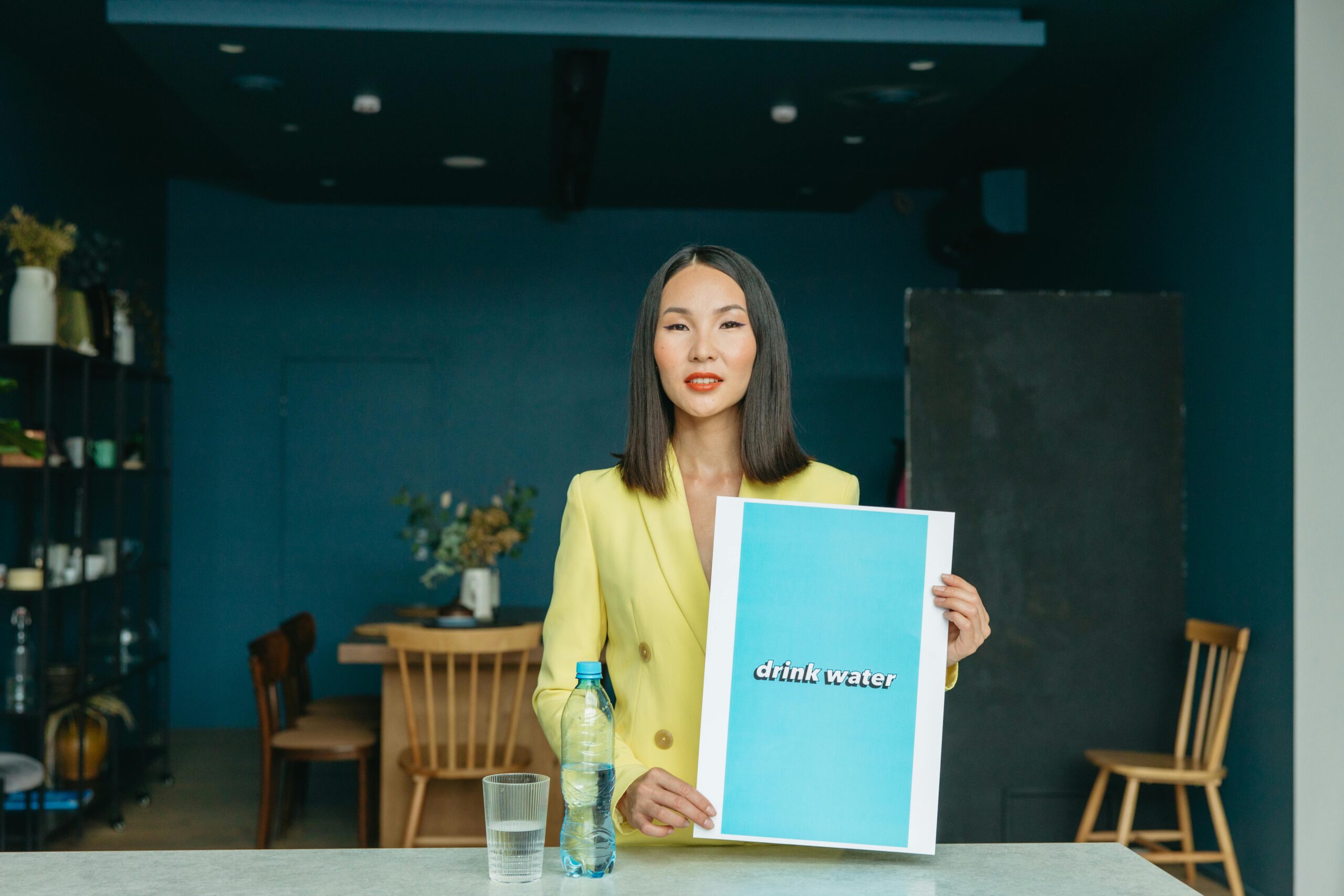
🚀 From Awareness to Automatic: Your Hydration Journey
Mastering hydration isn’t about superhuman discipline or complicated protocols. It’s about understanding your needs, implementing smart reminder systems, building environment-based habits, and creating accountability structures that make proper hydration the natural default rather than a conscious effort.
The transformation from chronically dehydrated to optimally hydrated produces noticeable improvements in energy, cognitive function, physical performance, skin health, and overall wellbeing. These benefits compound over time, creating positive feedback loops that reinforce your commitment to the practice.
Start where you are. If you currently drink minimal water, don’t attempt to jump immediately to optimal intake—this sets you up for failure. Instead, add one additional glass per day this week. Next week, add another. Gradual progression creates sustainable change while sudden dramatic shifts typically lead to abandonment.
Your hydration system should feel effortless once established. The reminders become background support rather than primary drivers. The habits become so ingrained that not drinking water at your established triggers feels strange. The environment makes choosing water easier than choosing any alternative.
This is mastery—when optimal hydration becomes who you are rather than something you do. The journey begins with a single intentional sip and evolves into a lifestyle transformation that elevates every aspect of your health and performance. Your future self, operating at peak hydration, will thank you for the systems you build today. 💧