Modern life demands smart solutions for busy schedules, and managing your nutrition during hectic days shouldn’t be a struggle. The portable snack system revolution is transforming how professionals and students fuel their bodies throughout demanding workdays and study sessions.

Gone are the days of vending machine dependency and expensive cafeteria runs. Today’s innovative approach to portable nutrition combines convenience, health consciousness, and budget-friendly strategies that empower you to take control of your break time. Whether you’re rushing between meetings, cramming for exams, or simply need sustained energy throughout your day, having a well-organized snack system makes all the difference in maintaining productivity and wellness.
🎯 Why Traditional Break Time Habits Are Failing You
Most people fall into predictable patterns when hunger strikes during work or school hours. The typical scenario involves scrambling for whatever is available, usually resulting in poor nutritional choices that leave you feeling sluggish within an hour. Vending machines offer convenient access but limited healthy options, while cafeteria food can be expensive and inconsistent in quality.
The problem intensifies when you consider the time wasted. A quick snack run can easily consume 15-20 minutes of your day, multiplied across multiple breaks throughout the week. This adds up to hours of lost productivity monthly, not to mention the mental energy spent deciding what to eat and where to find it.
Financial implications also deserve attention. Purchasing individual snacks daily from convenience stores or campus shops typically costs 3-5 times more than bringing prepared options from home. Over a year, this difference can amount to hundreds or even thousands of dollars unnecessarily spent on suboptimal nutrition.
🚀 The Portable Snack System Framework
A truly effective portable snack system operates on three fundamental pillars: organization, variety, and sustainability. Organization ensures your snacks are accessible exactly when needed without hassle or mess. Variety prevents flavor fatigue and provides balanced nutrition throughout different times of day. Sustainability encompasses both environmental considerations and long-term habit formation that actually sticks.
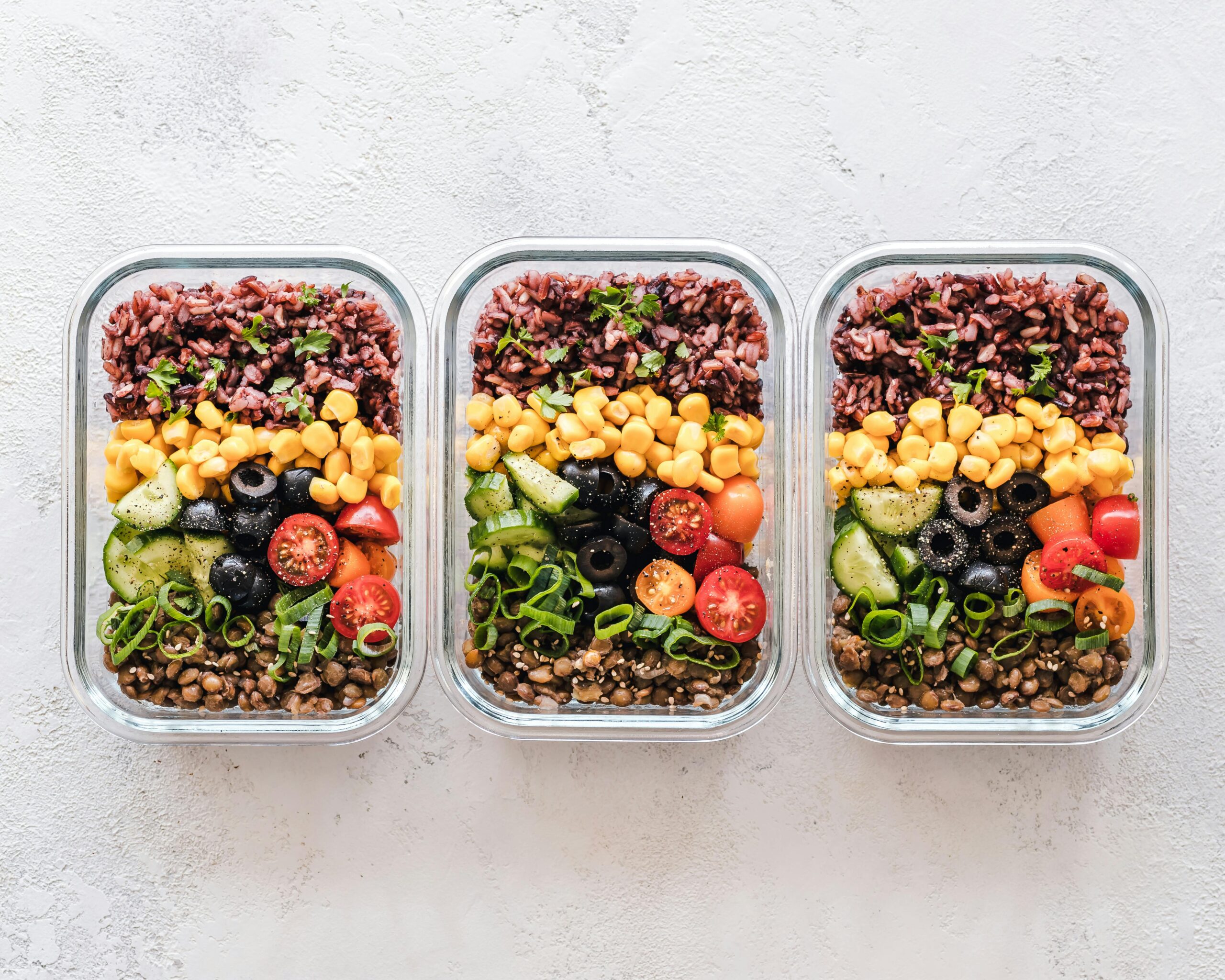
The foundation begins with selecting the right containers and carrying solutions. Invest in quality, leak-proof containers that can withstand daily transport in bags or backpacks. Compartmentalized lunch boxes or bento-style containers work exceptionally well for keeping different snack types separate while maximizing space efficiency.
Essential Equipment for Your Snack System
Your portable snack arsenal should include several key components that work together seamlessly. A well-insulated lunch bag maintains temperature control for items requiring refrigeration, while smaller silicone bags or reusable containers handle dry snacks like nuts, crackers, or dried fruit without adding unnecessary bulk.
Consider including these items in your setup:
- Thermal insulated bag with ice packs for temperature-sensitive items
- Multiple small containers in various sizes for portion control
- Reusable utensils including fork, spoon, and knife
- Cloth napkins or washable microfiber towels
- Small cutting board (if space permits) for fresh preparation
- Portable water bottle to stay hydrated alongside snacking
💡 Strategic Snack Selection for Maximum Performance
Not all snacks deliver equal benefits for sustained energy and mental clarity. Understanding macronutrient balance transforms snacking from mindless eating into strategic fueling that enhances your performance rather than derailing it.
Protein-rich options provide lasting satiety and stable blood sugar levels. Greek yogurt, hard-boiled eggs, cheese cubes, turkey roll-ups, and nut butters paired with whole grain crackers exemplify excellent protein-forward choices that prevent the mid-afternoon energy crash common with carbohydrate-heavy alternatives.
Complex carbohydrates offer sustained energy release without dramatic insulin spikes. Whole grain options, fresh fruits with skin intact, vegetables with hummus, and overnight oats provide fiber alongside their carbohydrate content, slowing digestion and maintaining steady energy levels for hours.
The Timing Strategy: When to Eat What
Strategic timing amplifies the effectiveness of your portable snack system. Morning snacks should focus on protein and healthy fats to maintain the momentum from breakfast, while mid-afternoon selections might incorporate more carbohydrates to combat the natural circadian energy dip most people experience between 2-4 PM.
Pre-workout or pre-study session snacks benefit from easily digestible carbohydrates paired with moderate protein, providing quick energy without digestive discomfort. Post-physical activity snacks should prioritize protein for recovery alongside carbohydrates to replenish depleted glycogen stores.
📋 Weekly Meal Prep Integration
The most successful portable snack systems integrate seamlessly with weekly meal preparation routines. Dedicating 1-2 hours on Sunday or your designated prep day ensures you have five days of perfectly portioned snacks ready to grab each morning without additional thought or effort.
Batch preparation techniques maximize efficiency during this prep window. Wash and portion all fruits and vegetables at once, prepare a week’s worth of energy balls or homemade protein bars, portion nuts and seeds into individual servings, and cook multiple hard-boiled eggs simultaneously.
Storage organization matters tremendously for sustainability. Clear containers allow quick visual inventory of what’s available, while labeling with preparation dates ensures freshness. Designate specific refrigerator and pantry zones for grab-and-go snacks, eliminating morning decision fatigue when packing your daily selection.
Budget-Friendly Snack Solutions
Implementing a portable snack system doesn’t require expensive specialty foods or complicated recipes. Focus on whole food ingredients purchased in bulk quantities, which dramatically reduces per-serving costs compared to pre-packaged convenience items.
| Snack Category | Budget Option | Approximate Cost Per Serving |
|---|---|---|
| Protein | Hard-boiled eggs | $0.25 – $0.40 |
| Nuts | Bulk almonds or peanuts | $0.30 – $0.50 |
| Fruits | Seasonal apples or bananas | $0.40 – $0.70 |
| Vegetables | Carrots and celery sticks | $0.30 – $0.50 |
| Whole Grains | Homemade popcorn | $0.15 – $0.25 |
🌱 Environmental Impact and Sustainability
Beyond personal benefits, implementing a portable snack system creates significant positive environmental impact by dramatically reducing single-use packaging waste. Each reusable container replaces dozens of disposable wrappers, bags, and containers over its lifespan.
Choosing whole foods over heavily processed and packaged options further amplifies this benefit. An apple requires no packaging beyond perhaps a cloth bag for transport, whereas individually wrapped snack cakes generate multiple layers of waste before even being consumed.
The sustainability extends to food waste reduction as well. Proper portion control through your snack system means you prepare and consume appropriate amounts rather than overbuying perishables that spoil before use or purchasing oversized portions that get partially discarded.
🎓 Special Considerations for Different Environments
Office environments present unique opportunities and constraints for portable snack systems. Refrigerator access allows for more variety in perishable items, while dedicated desk drawers can store non-perishable backup options for unexpected long days or meetings that run through usual break times.
School settings often involve more mobility and less storage, requiring more compact and durable solutions. Students benefit from focusing on non-messy options that can be consumed quickly between classes without requiring extensive cleanup or utensils.
Adapting to Specific Dietary Needs
Your portable snack system should align with individual dietary requirements and preferences. Gluten-free, dairy-free, vegan, or allergen-conscious eating patterns all integrate successfully with proper planning and appropriate substitutions.
Those managing conditions like diabetes benefit especially from controlled, consistent snacking that maintains stable blood glucose levels. The portable system provides precise portion control and timing that supports medical nutritional guidelines far better than opportunistic snacking.
📱 Technology Integration for Enhanced Organization
Modern technology offers valuable tools for optimizing your portable snack system. Meal planning apps help visualize weekly snack schedules, generate shopping lists based on your selections, and track nutritional information to ensure balanced intake across your eating pattern.
Inventory management apps can track what’s in your pantry and refrigerator, reducing food waste by highlighting items nearing expiration that should be prioritized in upcoming snack prep sessions. Some apps even suggest recipes based on available ingredients, inspiring creative new snack combinations.
💪 Health Benefits Beyond Basic Nutrition
Implementing a structured portable snack system delivers health advantages extending far beyond simply avoiding hunger. Regular, planned snacking maintains steady blood sugar levels throughout the day, preventing the dramatic energy fluctuations that impair cognitive function and mood stability.
This stability positively impacts stress management and emotional regulation. When physical hunger doesn’t compound existing workplace or academic pressures, you maintain better composure and decision-making capacity during challenging situations.
Digestive health improves with consistent eating patterns and whole food choices. Your body develops reliable expectations around meal timing, optimizing digestive enzyme production and nutrient absorption. The increased fiber intake from fruits, vegetables, and whole grains supports beneficial gut bacteria populations linked to immune function and mental health.
The Productivity Connection
Perhaps the most compelling benefit involves productivity enhancement. Strategic snacking maintains glucose availability to the brain, which exclusively uses carbohydrates for fuel and cannot store reserves like muscles can. Mental clarity, focus duration, and problem-solving capabilities all improve when nutrition consistently supports cognitive demands.
The elimination of decision fatigue around acquiring food preserves mental energy for tasks that actually matter. When your snacks are prepared and accessible, you avoid the cognitive load of deciding what to eat, where to get it, and whether it fits your budget or nutritional goals.
🔄 Building Sustainable Long-Term Habits
The transition to a portable snack system succeeds best through gradual implementation rather than overnight overhaul. Start with preparing snacks for just two or three days weekly, gradually expanding as the routine becomes comfortable and automatic.
Track your experience during the first month, noting which snacks you actually enjoyed and consumed versus which remained uneaten. This feedback loop refines your system toward options you genuinely appreciate rather than theoretical “healthy” choices that don’t match your actual preferences.
Allow flexibility within structure. Some weeks will be busier than others, making extensive prep challenging. Having a backup list of quick-assembly snacks or acceptable purchased options prevents complete system abandonment during demanding periods.

✨ Transforming Your Daily Experience
The ultimate portable snack system represents far more than simple food logistics. It embodies taking control of a fundamental aspect of daily life that impacts energy, health, finances, and environmental footprint. Each prepared container represents an investment in your wellbeing and future success.
As this practice becomes habitual, you’ll notice the compound benefits accumulating. Financial savings grow month over month. Energy levels stabilize, supporting better performance at work or school. The satisfaction of self-sufficiency builds confidence that extends into other life areas.
Your break times transform from reactive scrambling into intentional restoration periods where nourishing food fuels both body and mind. This shift might seem modest initially, but its impact radiates throughout your entire day, week, and ultimately, lifestyle. The portable snack system isn’t just about what you eat—it’s about reclaiming agency over how you move through your days, one satisfying, strategic snack at a time.