Life moves fast, and finding time to eat well can feel overwhelming. But what if you could enjoy delicious, nutritious snacks all week without the daily stress of deciding what to grab?

A well-organized snack prep system transforms your relationship with food, giving you control over your nutrition while saving precious time and mental energy. When healthy options are ready and waiting, you’ll naturally make better choices that support your energy levels, mood, and overall wellness throughout even the busiest days.
Why Snack Prep Changes Everything 🎯
Most people underestimate the power of having healthy snacks prepared in advance. When hunger strikes between meals, we typically reach for whatever’s convenient—often processed foods loaded with sugar, unhealthy fats, and empty calories. This pattern leads to energy crashes, mood swings, and frustration with our eating habits.
Snack preparation addresses this problem at its root. By dedicating a small window of time once or twice weekly to prep nutritious options, you eliminate the moment-of-weakness decisions that derail healthy eating. Instead of standing in front of the pantry debating between chips and cookies, you’ll have portioned vegetables with hummus, homemade energy balls, or perfectly sliced fruit waiting in your refrigerator.
Beyond the nutritional benefits, snack prep reduces decision fatigue. Every food choice you make throughout the day requires mental energy. By pre-deciding and preparing your snacks, you free up that cognitive bandwidth for more important decisions in your work and personal life.
Setting Up Your Snack Prep Foundation
Success with any system starts with proper setup. Before you dive into washing and chopping, you’ll need the right tools and a clear strategy that fits your lifestyle and preferences.
Essential Tools for Efficient Snack Preparation
You don’t need expensive gadgets to prep snacks effectively, but a few key items make the process significantly smoother. Quality storage containers are non-negotiable—look for BPA-free plastic or glass containers in various sizes, including small portions for individual snacks and larger ones for batch prep.
A sharp chef’s knife and cutting board dramatically reduce prep time for fruits and vegetables. Consider adding a vegetable peeler, small kitchen scale for portion control, and reusable silicone bags for grab-and-go convenience. Mason jars work beautifully for layered snacks, overnight oats, and chia puddings, while divided containers help keep different components separate until you’re ready to eat.
Creating Your Personal Snack Blueprint
The most successful snack prep systems are personalized. Start by identifying when you typically need snacks throughout your day. Do you get hungry mid-morning? Do you need something to tide you over between work and dinner? Understanding your snacking patterns helps you prepare the right quantity and variety.
Next, consider your nutritional needs and preferences. Someone training for a marathon needs different snacks than someone working a desk job. Think about balancing macronutrients—pairing protein with fiber helps maintain steady blood sugar and keeps you satisfied longer than carbohydrates alone.
Make a list of snacks you genuinely enjoy. This isn’t about forcing yourself to eat foods you dislike because they’re “healthy.” When you love what you’ve prepared, you’ll actually eat it instead of letting it spoil while you order takeout.
The Weekly Snack Prep Routine That Actually Works ✨
Consistency matters more than perfection. Choosing a regular time each week for snack prep creates a sustainable habit. Many people find Sunday afternoons ideal, but any consistent time works—perhaps Wednesday evening to refresh mid-week supplies alongside your Sunday prep.
Step-by-Step Prep Process
Begin by taking inventory of what’s already in your refrigerator and pantry. This prevents waste and helps you build on what you have. Then wash all your produce at once—this single action dramatically increases the likelihood you’ll actually use those vegetables and fruits.
Next, tackle chopping and portioning. Cut vegetables into snack-ready pieces: carrot sticks, bell pepper strips, cucumber rounds, and celery stalks. Portion out hummus, guacamole, or Greek yogurt-based dips into small containers. Wash and portion berries, grapes, and cherry tomatoes into individual servings.
For protein-rich options, hard-boil a batch of eggs, portion nuts and seeds into small bags or containers, and prepare any homemade items like energy balls or protein muffins. Cheese can be pre-cubed or sliced for easy grabbing throughout the week.
Smart Storage Strategies
Proper storage extends freshness and maintains food quality. Store cut vegetables in containers lined with paper towels to absorb excess moisture, which prevents sogginess. Keep dips separate from vegetables until you’re ready to eat to maintain crispness.
Organize your refrigerator with snacks at eye level in clear containers. When healthy options are visible and accessible, you’re far more likely to choose them. Create a designated snack drawer or shelf where everything lives—this eliminates the search-and-destroy mission through your fridge when hunger strikes.
For pantry snacks, use clear containers or baskets to group similar items together. Pre-portion trail mix, whole grain crackers, and dried fruit into individual servings to prevent mindless overeating straight from large packages.
Balanced Snack Ideas for Every Craving 🥑
Variety prevents boredom and ensures you’re getting diverse nutrients. Mix and match these options based on your preferences and what’s in season.
Protein-Powered Options
Protein keeps you satisfied and supports muscle maintenance. Hard-boiled eggs are the ultimate prep-friendly protein—make a dozen at once and they’ll last all week. Pair them with everything bagel seasoning or hot sauce for extra flavor without extra effort.
Greek yogurt parfaits layered with berries and granola in mason jars create a satisfying snack that feels indulgent. Prepare the layers separately and assemble fresh, or create fully assembled jars that last three to four days.
Turkey or chicken roll-ups with cheese and mustard provide substantial protein without bread. Roll deli meat around cheese sticks, secure with a toothpick, and store in containers for a quick savory option.
Veggie-Forward Choices
Vegetables should form the foundation of many snacks since they’re nutrient-dense and low in calories while providing satisfying crunch and fiber. Rainbow vegetable boxes with various colors ensure diverse antioxidants and make eating more fun.
Roasted chickpeas seasoned with your favorite spices offer a crunchy, protein-rich alternative to chips. Make a large batch and they’ll stay crispy in an airtight container for several days. Try flavors like ranch, buffalo, cinnamon sugar, or curry.
Caprese skewers with cherry tomatoes, mozzarella balls, and basil leaves drizzled with balsamic glaze transform simple ingredients into an elegant, satisfying snack that feels special but requires minimal prep.
Energy-Boosting Combinations
Some snacks excel at providing sustained energy during afternoon slumps or pre-workout fuel. Apple slices with almond butter combine fiber, healthy fats, and a touch of natural sweetness that satisfies without causing blood sugar spikes.
Energy balls made from dates, nuts, oats, and add-ins like chocolate chips or coconut require no baking and store beautifully in the refrigerator or freezer. Make several varieties at once and rotate them throughout the week.
Trail mix customized to your preferences gives you control over ingredients and portions. Combine raw or roasted nuts, seeds, dried fruit, dark chocolate chips, and even whole grain cereal for a balanced, portable snack.
Overcoming Common Snack Prep Obstacles
Even with the best intentions, challenges arise. Anticipating these obstacles helps you develop strategies before they derail your system.
When Fresh Produce Spoils Too Quickly
Nothing frustrates more than prepping beautiful vegetables only to find them wilted days later. Different produce has different storage requirements. Heartier vegetables like carrots, bell peppers, and celery last longer than delicate options like cucumber and leafy greens.
If spoilage is recurring, prep smaller quantities more frequently or embrace frozen options. Frozen fruits work brilliantly for smoothies and thaw perfectly for snacking. Frozen edamame, when thawed and lightly salted, makes an excellent protein-rich snack with a long freezer life.
Breaking Through Snack Boredom
Eating the same snacks repeatedly leads to abandoning your prep system entirely. Combat this by rotating your selections weekly. Choose a different dip each week—hummus one week, guacamole the next, then tzatziki or bean dip.
Experiment with new recipes monthly. Pinterest and food blogs overflow with creative healthy snack ideas. Trying one new recipe each prep session keeps things interesting without overwhelming yourself with too many unfamiliar preparations.
Seasonal eating naturally introduces variety. Summer brings berries and stone fruits, fall offers apples and pears, winter provides citrus, and spring welcomes fresh vegetables. Aligning your snack prep with what’s in season ensures better flavor and often better prices.
Managing Time Constraints
Not everyone has two hours for snack prep. Start smaller—even 30 minutes of preparation creates meaningful impact. Focus on washing and portioning produce first, since this single action makes vegetables infinitely more appealing than unwashed produce buried in crisper drawers.
Multi-task during other cooking sessions. While preparing dinner, roast extra vegetables for snacking or bake a batch of muffins. Making lunch? Double your quantities and turn leftovers into snack portions.
Consider no-prep snacks for particularly busy weeks. String cheese, individual nut butter packets, whole fruit, and pre-portioned crackers require zero preparation while still being healthier than vending machine options.
Building Your Sustainable Snack Prep System 🌱
The goal isn’t temporary compliance but lasting habit formation. Your snack prep system should feel like a helpful routine, not another burdensome task on your to-do list.
Start Small and Scale Gradually
If you’ve never prepped snacks before, don’t attempt to prepare fourteen different options your first week. Begin with three to five simple snacks you know you’ll eat. Master the basics before expanding your repertoire.
As the routine becomes comfortable, gradually add complexity and variety. This progressive approach prevents overwhelm and builds confidence in your ability to maintain the system long-term.
Involve Your Household
If you’re not the only person eating snacks in your home, involve family members in the prep process. Children can wash produce, portion snacks, or choose which healthy options to prepare. Partners can split prep duties or take ownership of certain snack categories.
When everyone participates, the work feels lighter and family members are more invested in eating what’s been prepared. Plus, children who help prepare food are often more willing to try new healthy options.
Track What Works
Pay attention to which snacks get eaten enthusiastically and which sit untouched. This feedback helps you refine your prep over time, focusing energy on preparing foods you actually enjoy rather than items that sound healthy but don’t appeal to you.
Keep a simple note on your phone listing successful snacks and when you ate them. This reference makes planning future prep sessions easier and prevents you from repeatedly buying ingredients for snacks that don’t work for your lifestyle.
Transforming Your Relationship With Snacking 💪
Beyond the practical benefits of having healthy options ready, snack prep fundamentally changes how you think about eating between meals. Snacking shifts from mindless grazing or emergency hunger management to intentional nourishment that supports your goals and energy.
When you’ve invested time in preparing quality snacks, you’re more likely to pause and actually enjoy them rather than eating while distracted. This mindfulness enhances satisfaction and helps you recognize true hunger versus boredom or stress eating.
The confidence that comes from consistently choosing nourishing foods ripples into other areas of life. Taking control of your snacking often inspires improvements in meal planning, exercise consistency, and other health behaviors. Small wins accumulate into significant lifestyle changes.
Making Peace With Imperfection
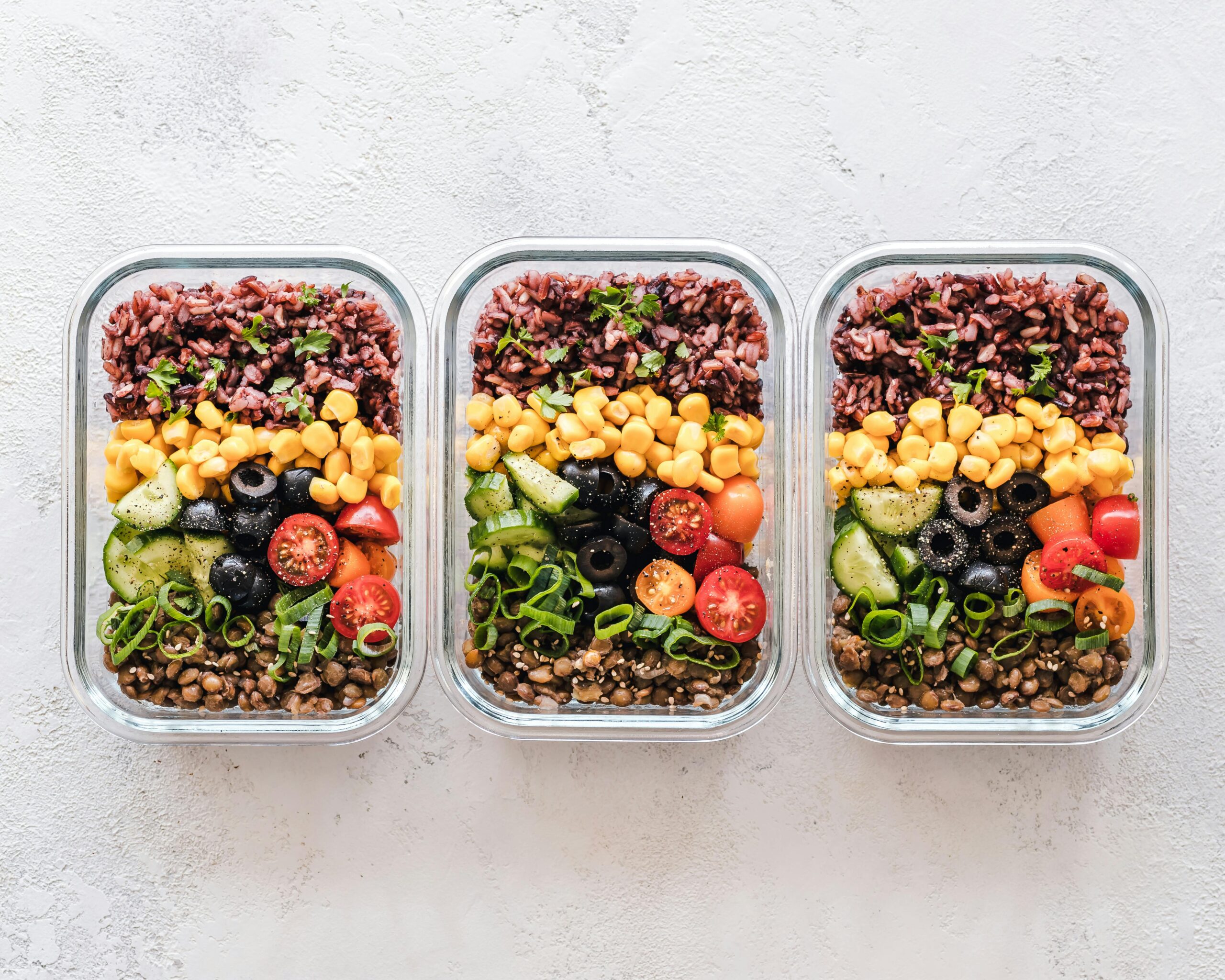
Some weeks your snack prep will be Pinterest-perfect with rainbow vegetables beautifully arranged in glass containers. Other weeks you’ll wash some grapes and call it done. Both scenarios are fine.
The purpose of a snack prep system is reducing stress, not creating more. If prep feels burdensome one week, scale back. Do what you can, knowing that some preparation is infinitely better than none. The system serves you—you don’t serve the system.
Life includes busy seasons, vacations, and weeks when ordering takeout is the right choice. Your snack prep routine should be flexible enough to accommodate reality rather than existing as another thing to feel guilty about when circumstances prevent perfect execution.
Give yourself permission to iterate and adjust. Your needs change with seasons, life stages, work demands, and health goals. A system that worked beautifully six months ago might need tweaking now, and that’s completely normal.
Mastering your munchies through strategic snack preparation creates freedom rather than restriction. You’ll spend less time thinking about food, waste less money on impulse purchases, and feel genuinely proud of nourishing yourself consistently. Those prepped containers in your refrigerator represent more than just food—they’re acts of self-care that compound into healthier, happier days. Start with just one prep session this week and notice how having good choices readily available changes your entire approach to snacking. Your future self will thank you for every carrot stick you slice and every energy ball you roll today.