Success in the gym isn’t just about reps and sets—it’s fundamentally about what you eat before, during, and after your workouts. Smart snacking can be the game-changer between mediocre results and reaching your fitness peak.

Whether you’re training for strength, endurance, or weight loss, your body needs strategic fuel to perform optimally and recover efficiently. The right snack system doesn’t just prevent energy crashes; it actively supports muscle growth, enhances performance, and accelerates recovery. Many fitness enthusiasts overlook this crucial component, focusing solely on their main meals while leaving valuable performance gains on the table.
🎯 Understanding Your Body’s Energy Systems During Workouts
Before diving into specific snack strategies, it’s essential to understand how your body uses energy during exercise. Your muscles rely on three primary energy systems: the phosphagen system for explosive movements, glycolytic system for moderate-intensity training, and the oxidative system for endurance activities.
Each system draws from different fuel sources. The phosphagen system uses creatine phosphate stored in muscles, the glycolytic system breaks down carbohydrates, and the oxidative system utilizes both carbohydrates and fats. Understanding which system your workout primarily targets helps you choose the most effective pre and post-workout snacks.
Your training intensity and duration determine which energy system dominates. High-intensity interval training primarily taxes your glycolytic system, requiring adequate glycogen stores. Meanwhile, longer cardio sessions tap into fat metabolism, necessitating a different nutritional approach. Matching your snack strategy to your workout type maximizes energy availability when you need it most.
⏰ Timing Your Snacks: The Critical Window Strategy
Nutrient timing can significantly impact your training outcomes. The concept of the “anabolic window” has evolved from a strict 30-minute post-workout deadline to a more flexible 2-4 hour opportunity. However, strategic snacking around your workouts still matters tremendously for performance and recovery.
Pre-workout nutrition should occur 30-90 minutes before training, depending on your digestive tolerance and the snack’s composition. This timing allows for partial digestion and nutrient availability without causing gastrointestinal discomfort during exercise. Simple carbohydrates closer to workout time provide quick energy, while more complex snacks work better with longer lead times.
Post-workout snacking becomes critical within the first two hours after training when your muscles are most receptive to nutrient uptake. This period offers optimal conditions for glycogen replenishment and muscle protein synthesis. Missing this window doesn’t ruin your progress, but capitalizing on it accelerates recovery and adaptation.
💪 Pre-Workout Snack Systems That Deliver Performance
The ideal pre-workout snack provides readily available energy without weighing you down. Carbohydrates should be the primary focus, with moderate protein and minimal fat to avoid digestive slowdown. Your goal is sustained energy release throughout your training session.
Quick Energy Options (30-45 Minutes Before Training)
When time is tight before your workout, these fast-digesting options provide immediate fuel without causing stomach distress. A banana with a teaspoon of honey delivers simple carbohydrates that quickly enter your bloodstream. Rice cakes topped with jam offer similar benefits with minimal bulk.
Energy dates stuffed with a small amount of almond butter combine natural sugars with trace minerals that support muscle function. Fresh fruit smoothies made with berries, banana, and coconut water provide hydration alongside carbohydrates. These options work exceptionally well for morning workouts or when you’re exercising shortly after waking.
Sustained Energy Systems (60-90 Minutes Before Training)
With more preparation time, you can consume more substantial snacks that provide longer-lasting energy. Oatmeal with sliced banana and cinnamon offers complex carbohydrates that release energy steadily throughout your workout. Greek yogurt with granola and berries combines easily digestible protein with quick and sustained carbohydrates.
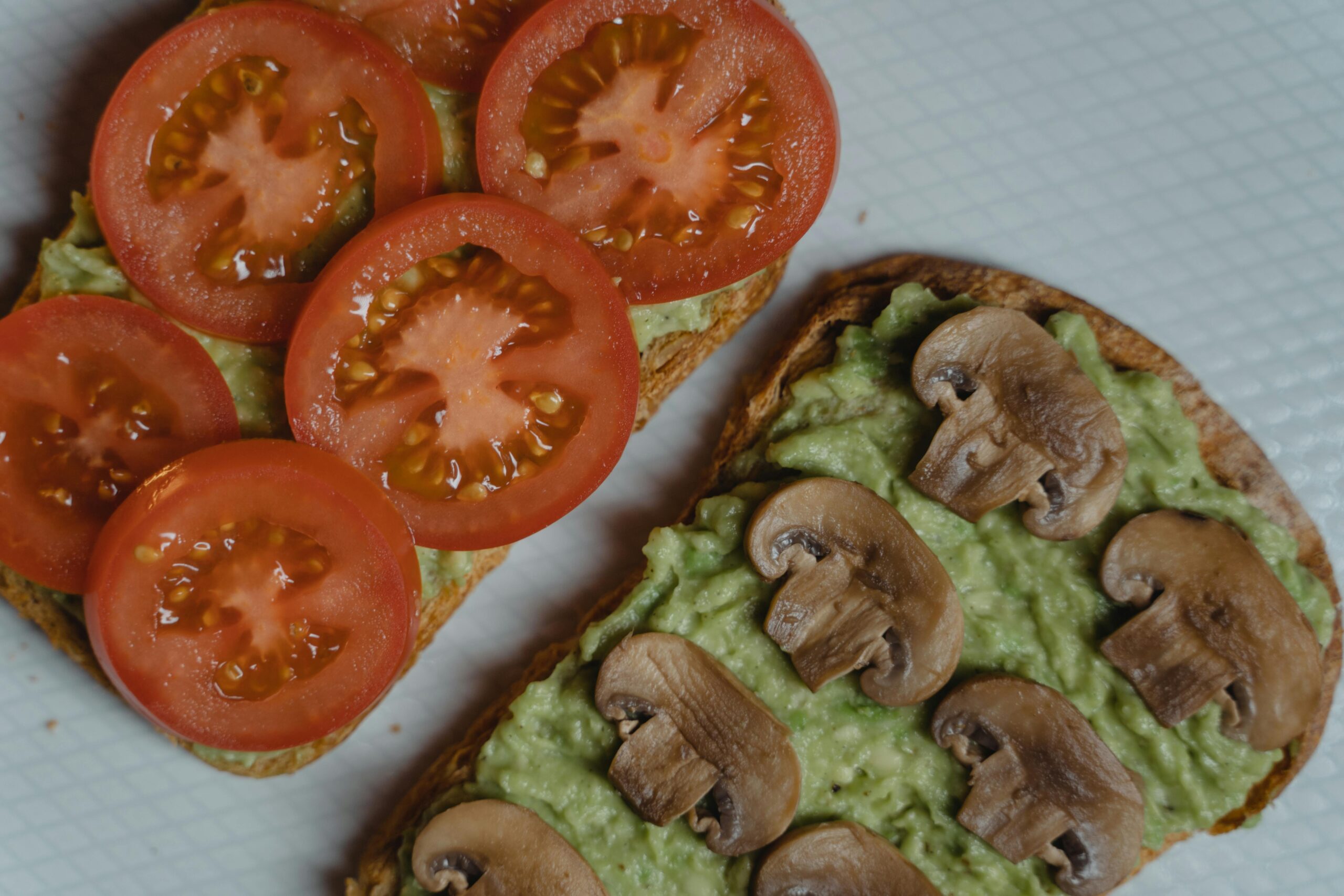
Whole grain toast with natural peanut butter and sliced strawberries delivers balanced macronutrients that fuel extended training sessions. A small sweet potato with a drizzle of maple syrup provides vitamin-rich complex carbohydrates. These options suit afternoon or evening workouts when you need more substantial fuel.
🔋 Intra-Workout Nutrition: When and Why It Matters
Most standard gym sessions under 60 minutes don’t require mid-workout nutrition. However, extended training sessions, intense endurance work, or multiple daily workouts benefit significantly from intra-workout fueling. This prevents glycogen depletion and maintains performance throughout longer sessions.
For workouts exceeding 90 minutes, consider easily digestible carbohydrates that don’t disrupt your training flow. Sports drinks with 6-8% carbohydrate concentration provide both hydration and energy. Dried fruit like dates or apricots offer portable, shelf-stable options that deliver quick energy without refrigeration.
Carbohydrate gels and chews designed for endurance athletes serve this purpose effectively, though whole food alternatives often provide better nutritional value. Homemade energy bites using dates, oats, and honey deliver similar benefits at a fraction of the cost. The key is maintaining blood sugar levels to prevent the performance decline that accompanies glycogen depletion.
🏆 Post-Workout Recovery Snacks: Building Back Stronger
Your post-workout snack serves two critical purposes: replenishing depleted glycogen stores and providing amino acids for muscle repair. The ideal ratio depends on your training type, but a general guideline of 3:1 or 4:1 carbohydrates to protein works well for most athletes.
Immediate Recovery Options (Within 30 Minutes)
Chocolate milk remains one of the most effective post-workout recovery drinks, backed by substantial research. Its natural combination of carbohydrates, protein, and electrolytes makes it ideal for muscle recovery. A protein smoothie with banana, berries, protein powder, and spinach delivers comprehensive nutrition in an easily digestible form.
Tuna or salmon on whole grain crackers provides omega-3 fatty acids alongside protein and carbohydrates. Greek yogurt parfaits layered with granola and mixed berries offer probiotics that support digestive health alongside recovery nutrients. These options work particularly well when whole meal preparation isn’t immediately feasible.
Extended Recovery Systems (1-2 Hours Post-Workout)
As you move further from your workout, you can incorporate more substantial recovery snacks that align with your daily nutrition goals. A turkey and avocado wrap with vegetables provides complete nutrition supporting recovery and overall health. Quinoa bowls with grilled chicken, roasted vegetables, and tahini dressing deliver complex carbohydrates, complete protein, and healthy fats.
Cottage cheese with pineapple and almonds combines slow-digesting casein protein with quick carbohydrates and healthy fats. Egg and vegetable frittata cups prepared in advance offer portable, protein-rich options. These more substantial snacks bridge the gap between immediate post-workout nutrition and your next complete meal.
📊 Macronutrient Targeting for Different Fitness Goals
Your fitness objectives should dictate your snacking strategy. Different goals require different nutritional approaches, and your snack system should align with your broader training outcomes.
| Fitness Goal | Pre-Workout Focus | Post-Workout Focus | Carb:Protein Ratio |
|---|---|---|---|
| Muscle Building | Moderate carbs + protein | High protein + carbs | 2:1 to 3:1 |
| Fat Loss | Lower carbs + protein | Protein priority + moderate carbs | 1:1 to 2:1 |
| Endurance | High carbs + minimal protein | High carbs + moderate protein | 4:1 to 5:1 |
| General Fitness | Balanced carbs + protein | Balanced recovery nutrition | 3:1 |
For muscle building, prioritize protein intake throughout your snacking system while ensuring adequate carbohydrates to fuel intense training. Fat loss goals benefit from strategic carbohydrate timing around workouts while maintaining protein to preserve muscle mass. Endurance athletes require substantially more carbohydrates to support prolonged activity and glycogen replenishment.
🥤 Hydration Integration: The Forgotten Performance Factor
Even mild dehydration of 2% body weight can significantly impair exercise performance. Your snack system should include strategic hydration that goes beyond simply drinking water. Electrolyte balance becomes crucial during intense or prolonged training sessions.
Water-rich fruits like watermelon, oranges, and grapes contribute to hydration while providing carbohydrates and micronutrients. Coconut water offers natural electrolytes without the added sugars and artificial ingredients found in many sports drinks. Cucumber slices with sea salt provide hydration and sodium replacement.
Consider making homemade electrolyte drinks using water, fresh lemon juice, honey, and a pinch of sea salt. This provides hydration with natural sugars and essential minerals. Green tea consumed 30-45 minutes before workouts offers mild caffeine for energy alongside hydrating fluids and beneficial antioxidants.
🍽️ Meal Prep Systems for Consistent Snacking Success
Consistency separates those who achieve their fitness goals from those who perpetually struggle. A robust meal prep system ensures you always have appropriate snacks available, eliminating the excuse of convenience when making food choices.
Dedicate 2-3 hours weekly to preparing grab-and-go snack options. Energy balls made from dates, nuts, oats, and protein powder can be batch-prepared and frozen. Hard-boiled eggs provide portable protein that lasts a week in the refrigerator. Pre-portioned trail mix in small containers prevents overeating while ensuring availability.
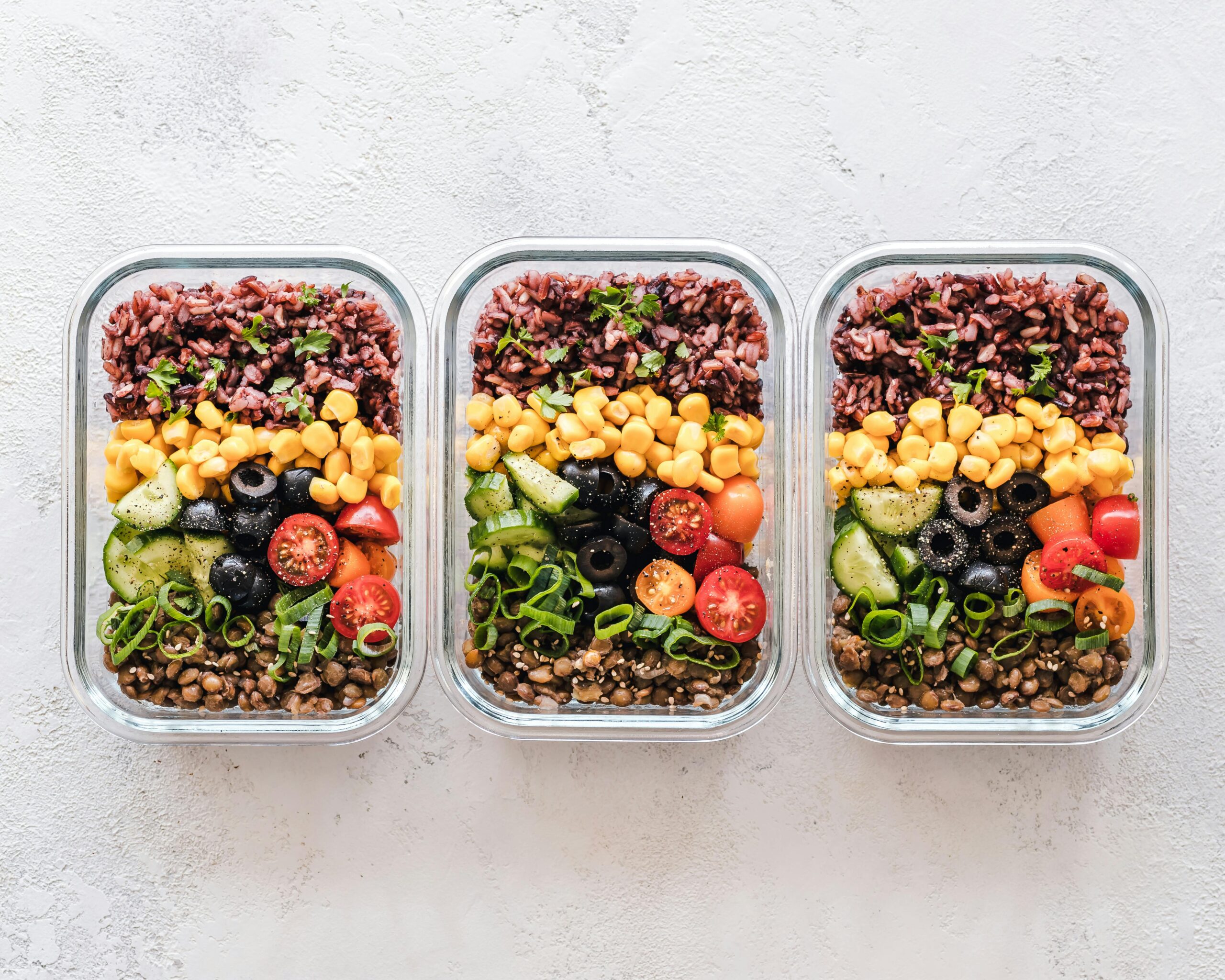
Invest in quality food storage containers that keep snacks fresh and portable. Mason jars work excellently for layered yogurt parfaits that stay fresh for several days. Bento-style containers allow you to prepare complete snack systems with multiple components. Vacuum-sealed bags extend the freshness of homemade granola and energy bars.
📱 Leveraging Technology for Snacking Success
Modern fitness technology extends beyond workout tracking to comprehensive nutrition management. Apps that help you plan, track, and optimize your snacking strategy can significantly improve consistency and results.
Nutrition tracking applications allow you to monitor your macro and micronutrient intake, ensuring your snack system aligns with your goals. Many apps include barcode scanners for easy logging and recipe builders for creating custom snacks. Meal planning features help you prepare shopping lists and organize your weekly snack prep sessions.
Timer and reminder apps ensure you’re snacking at optimal intervals around your workouts. Setting alerts for 60 minutes before your typical workout time prompts you to consume your pre-workout snack. Post-workout reminders keep you accountable to that critical recovery window when nutrient timing matters most.
💰 Budget-Friendly Snacking Strategies That Don’t Compromise Quality
Effective workout nutrition doesn’t require expensive supplements or specialty foods. Strategic shopping and preparation allow you to fuel your fitness on any budget while maintaining nutritional quality.
Buy versatile staples in bulk: oats, rice, beans, eggs, and seasonal fruits form the foundation of countless snack combinations at minimal cost. Frozen fruits and vegetables often cost less than fresh while maintaining comparable nutritional value. Store brands of Greek yogurt, cottage cheese, and natural nut butters provide the same benefits as premium alternatives.
Make your own versions of expensive commercial products. Homemade protein bars cost a fraction of store-bought options using simple ingredients like oats, protein powder, nut butter, and honey. Energy balls using dates as a base eliminate the need for expensive packaged snacks. Batch-cooking hard-boiled eggs provides budget protein for the entire week.
🚫 Common Snacking Mistakes That Sabotage Your Results
Understanding what not to do can be as valuable as knowing optimal strategies. Several common mistakes undermine even well-intentioned snacking systems.
- Overeating “healthy” snacks: Nuts, nut butters, and trail mix pack significant calories in small portions. Measure servings rather than eating directly from containers.
- Ignoring protein post-workout: Carbohydrates alone don’t optimize recovery. Muscle repair requires adequate amino acids from quality protein sources.
- Timing snacks too close to workouts: Eating substantial snacks 15-20 minutes before training often causes digestive distress and impairs performance.
- Relying exclusively on supplements: While convenient, whole foods provide superior micronutrient profiles and satiety compared to bars and shakes.
- Inconsistent snacking patterns: Sporadic nutrition around workouts creates unpredictable energy levels and recovery outcomes.
- Neglecting individual tolerance: Foods that work for others may not suit your digestive system. Experiment to find your optimal choices.
🌟 Building Your Personalized Snack System
Creating an effective snack system requires personalization based on your schedule, preferences, goals, and budget. Start by assessing your current habits and identifying areas for improvement. Track your energy levels during workouts and recovery quality to establish baseline measurements.
Experiment with different snack timing windows to determine what works best for your body. Some people tolerate food closer to workouts than others. Test various food combinations and note which options provide sustained energy versus those that cause digestive issues or energy crashes.
Gradually implement changes rather than overhauling everything simultaneously. Start with consistent pre-workout snacking for two weeks, then add strategic post-workout nutrition. Once these habits solidify, refine your choices based on results and preferences. Sustainable systems develop through incremental improvements, not radical overnight transformations.

🎯 Maximizing Results Through Consistency and Adaptation
The most sophisticated snacking system delivers zero results without consistent implementation. Commitment to your nutrition strategy around workouts will produce noticeable improvements in performance, recovery, and body composition within 2-4 weeks.
Monitor your progress using both objective and subjective measures. Track workout performance metrics like strength increases, endurance improvements, or faster recovery between training sessions. Pay attention to how you feel during workouts—sustained energy without crashes indicates effective fueling strategies.
Remain flexible and willing to adjust your system as your training evolves. Increased training volume or intensity requires more substantial nutritional support. Competition preparation might necessitate more precise nutrient timing and composition. Your snacking system should evolve alongside your fitness journey, continuously supporting your changing needs and goals.
Remember that optimal nutrition represents just one component of fitness success. Quality sleep, stress management, and progressive training programs work synergistically with smart snacking to produce exceptional results. By implementing these strategic snack systems, you’re investing in the foundation that supports every rep, every set, and every fitness milestone you achieve. Your body deserves the best fuel available—make every snack count toward your ultimate fitness vision.