Caffeine is one of the most powerful and scientifically proven performance enhancers available to athletes and fitness enthusiasts. When timed correctly, it can transform your workout from ordinary to extraordinary.

The difference between a mediocre training session and a record-breaking performance often comes down to strategic nutrition timing. While most people understand that caffeine can provide an energy boost, few realize that when you consume it matters just as much as how much you take. The synchronization between caffeine intake and your workout schedule can dramatically influence your strength, endurance, focus, and overall athletic output.
⚡ The Science Behind Caffeine and Athletic Performance
Caffeine works by blocking adenosine receptors in your brain, preventing the onset of fatigue signals. Adenosine is a neurotransmitter that accumulates throughout the day, making you feel progressively more tired. When caffeine occupies these receptors, your nervous system remains more alert and responsive, allowing you to push harder during training sessions.
Research consistently demonstrates that caffeine enhances multiple aspects of physical performance. Studies show improvements in strength output ranging from 3-7%, endurance capacity increases of up to 12%, and significant enhancements in power production during high-intensity exercises. Beyond physical benefits, caffeine sharpens mental focus, improves reaction time, and reduces perceived exertion, making difficult workouts feel more manageable.
The ergogenic effects of caffeine extend across various training modalities. Whether you’re lifting weights, running long distances, performing high-intensity interval training, or engaging in team sports, properly timed caffeine consumption can provide measurable advantages. The key lies in understanding your body’s unique response pattern and aligning your intake with your training objectives.
🕐 Understanding Caffeine Absorption and Peak Performance Windows
Caffeine absorption follows a predictable timeline that should inform your pre-workout strategy. After consumption, caffeine enters your bloodstream rapidly, with blood levels beginning to rise within 15 minutes. However, peak plasma concentration typically occurs between 30-60 minutes post-ingestion for most individuals.
This absorption window varies based on several factors including your genetics, body composition, food intake, and caffeine tolerance. Some people are fast metabolizers who process caffeine quickly, experiencing rapid onset but shorter duration of effects. Slow metabolizers, conversely, experience delayed peak effects but prolonged stimulation. Understanding your metabolizer status helps fine-tune your timing strategy.
The half-life of caffeine averages around 5 hours in healthy adults, meaning half the amount consumed remains in your system after this period. This extended presence explains why late-day caffeine intake can disrupt sleep quality, potentially undermining recovery and subsequent training sessions. Strategic timing must account for both immediate performance enhancement and long-term recovery considerations.
Optimal Pre-Workout Caffeine Timing Protocols
For maximum workout benefits, consume caffeine approximately 45-60 minutes before your training session begins. This timing allows blood caffeine levels to peak precisely when you need maximum energy output. If you’re engaging in a brief, high-intensity workout lasting 30-45 minutes, consider taking caffeine 30-45 minutes beforehand to ensure peak effects coincide with your most demanding sets.
For longer endurance sessions exceeding 90 minutes, you might benefit from a split-dose approach. Take your initial caffeine dose 45-60 minutes pre-workout, then consume a smaller secondary dose midway through your session. This strategy maintains elevated caffeine levels throughout extended training periods without causing gastrointestinal distress or overstimulation.
💪 Caffeine Dosage Guidelines for Different Training Goals
Effective caffeine dosing follows body weight-based recommendations rather than arbitrary amounts. Research suggests optimal performance enhancement occurs at 3-6 mg of caffeine per kilogram of body weight. For a 70 kg (154 lb) individual, this translates to approximately 210-420 mg of caffeine.
Start with the lower end of this range, especially if you’re caffeine-sensitive or new to pre-workout supplementation. A 200-250 mg dose provides noticeable benefits for most people without causing jitters, anxiety, or other adverse effects. More is not always better—doses exceeding 6 mg/kg rarely produce additional performance benefits and increase the likelihood of negative side effects.
Training-Specific Caffeine Strategies
Strength training sessions benefit from moderate caffeine doses (3-4 mg/kg) taken 45-60 minutes pre-workout. This timing enhances neural drive, allowing you to recruit more motor units during heavy lifts. The improved focus and reduced pain perception help you maintain proper form and push through challenging sets.
Endurance athletes should consider slightly higher doses (4-6 mg/kg) given the prolonged nature of their efforts. The anti-fatigue properties of caffeine become increasingly valuable as exercise duration extends. Marathon runners, cyclists, and triathletes often experience the most dramatic performance improvements from strategic caffeine use.
High-intensity interval training (HIIT) responds well to moderate-to-high caffeine doses (4-5 mg/kg) consumed 30-45 minutes before starting. The power output demands and repeated high-effort intervals benefit from caffeine’s ability to enhance anaerobic performance and maintain intensity across multiple rounds.
☕ Caffeine Sources: Choosing the Right Delivery Method
The source of your caffeine intake influences absorption rate, convenience, and accompanying nutritional factors. Each delivery method offers distinct advantages depending on your preferences and training context.
Coffee remains the most traditional caffeine source, providing 80-100 mg per 8-ounce cup. Beyond caffeine, coffee contains beneficial antioxidants and polyphenols that may support overall health. However, coffee’s caffeine content varies significantly based on brewing method, bean type, and serving size, making precise dosing challenging.
Caffeine pills or tablets offer the most accurate dosing, typically available in 100-200 mg increments. This precision allows you to dial in your optimal dose and maintain consistency across training sessions. Pills also eliminate calorie intake and avoid potential gastrointestinal issues some people experience with coffee.
Pre-workout supplements combine caffeine with other performance-enhancing ingredients like beta-alanine, citrulline, and creatine. These products provide convenience and potential synergistic effects, though they’re generally more expensive and may contain unnecessary additives. Always verify the caffeine content, as amounts vary widely between products.
Alternative Caffeine Delivery Systems
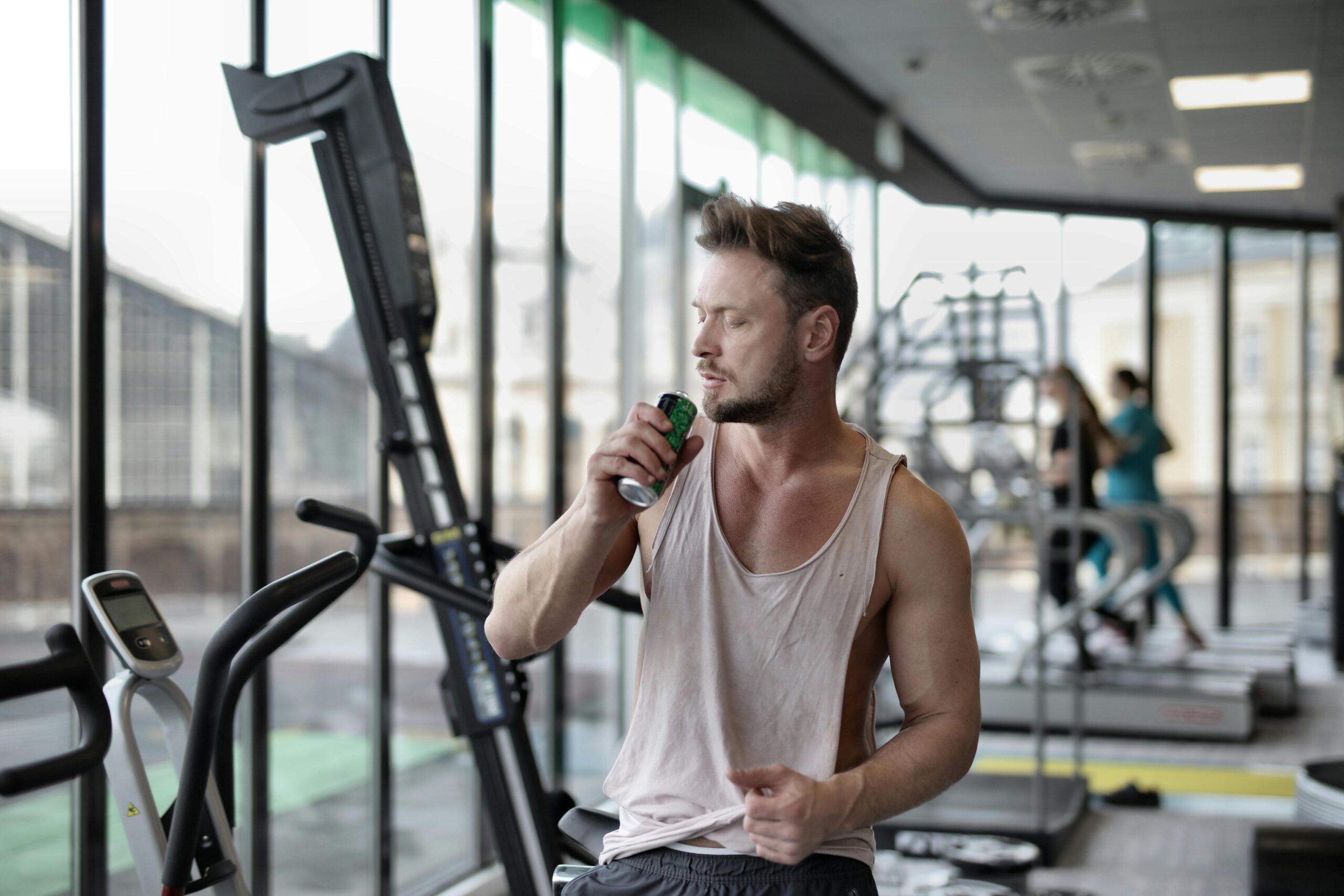
Energy drinks provide quick caffeine delivery alongside simple carbohydrates for immediate energy. However, many contain excessive sugar, artificial ingredients, and unpredictable caffeine quantities. If choosing energy drinks, select sugar-free versions with clearly labeled caffeine content.
Caffeine gum and mints offer the fastest absorption method, with caffeine entering the bloodstream through oral mucosa. This route bypasses digestive processes, producing effects within 5-10 minutes. Athletes who need rapid stimulation immediately before competition may prefer these options.
🎯 Strategic Caffeine Cycling for Sustained Effectiveness
Regular caffeine consumption leads to tolerance development, diminishing its performance-enhancing effects over time. Your body adapts by producing more adenosine receptors, requiring progressively higher doses to achieve similar results. Strategic cycling prevents tolerance buildup while maintaining caffeine’s ergogenic benefits.
Implement a cycling protocol where you limit caffeine intake to training days only, avoiding consumption on rest days. This intermittent pattern prevents continuous receptor upregulation while ensuring caffeine remains effective when you need it most. For serious athletes, consider periodizing caffeine use around competition schedules.
Another effective approach involves complete caffeine withdrawal periods lasting 7-14 days every 8-12 weeks. During these reset phases, your adenosine receptor sensitivity returns to baseline, restoring caffeine’s full potency. Time these withdrawal periods during lighter training phases or scheduled deload weeks to minimize performance impacts.
⚠️ Common Caffeine Timing Mistakes to Avoid
Consuming caffeine too close to bedtime ranks among the most counterproductive habits for athletes. Even if you fall asleep normally, caffeine disrupts sleep architecture, reducing deep sleep and REM cycles essential for recovery and adaptation. Avoid caffeine intake within 6 hours of planned bedtime to protect sleep quality.
Taking excessive doses hoping for greater benefits often backfires. High caffeine intake triggers anxiety, tremors, gastrointestinal distress, and impaired fine motor control. These side effects compromise performance rather than enhancing it. Stick to evidence-based dosing recommendations and resist the temptation to constantly increase consumption.
Inconsistent caffeine timing creates unpredictable performance outcomes. Your body responds best to consistent patterns that allow you to gauge effects accurately. Random caffeine intake makes it impossible to determine whether performance changes result from your training adaptations or fluctuating stimulant levels.
Individual Variation Considerations
Genetic differences in caffeine metabolism significantly affect optimal timing strategies. The CYP1A2 gene determines how quickly you process caffeine. Fast metabolizers clear caffeine rapidly and may benefit from higher doses or timing closer to workouts. Slow metabolizers should use lower doses with longer lead times and must be especially cautious about afternoon intake affecting sleep.
Women using hormonal contraceptives may experience prolonged caffeine effects due to altered metabolism. The luteal phase of the menstrual cycle also affects caffeine processing. Female athletes should monitor their responses across their cycle and adjust timing accordingly for consistent results.
🔬 Advanced Caffeine Timing Strategies for Competitive Athletes
Elite athletes can leverage sophisticated caffeine protocols to maximize competitive performance. For morning competitions, establish your exact peak response time through trial runs. If your optimal window is 45 minutes, consume caffeine precisely 45 minutes before your event start time, accounting for warm-up activities.
Multiple-event competition days require strategic dosing to maintain performance without overshooting caffeine limits. Spread your intake across events, using smaller doses (2-3 mg/kg) before each competition rather than one large dose. This approach sustains elevated performance throughout the day.
Consider caffeine priming strategies where you deliberately reduce or eliminate caffeine for 3-7 days before major competitions. This acute withdrawal temporarily increases receptor sensitivity, allowing lower doses to produce pronounced effects when competition day arrives. Elite endurance athletes frequently employ this tactic before championship events.
📊 Tracking Your Caffeine Response for Personalized Optimization
Systematic tracking transforms caffeine timing from guesswork into precision. Maintain a training log documenting caffeine source, dose, timing relative to workout start, and subsequent performance metrics. Record subjective factors like perceived energy, focus quality, and any negative symptoms.
After 4-6 weeks of consistent data collection, patterns emerge revealing your optimal protocol. You’ll identify the precise dose that maximizes benefits without side effects, the ideal timing window for your physiology, and which sources work best for your digestive system.
Track sleep quality alongside caffeine use to ensure your performance enhancement strategy doesn’t compromise recovery. Use sleep tracking apps or devices to monitor how afternoon caffeine cutoff times affect your rest quality. Adjust your final daily caffeine intake progressively earlier until sleep metrics optimize.
🌟 Complementary Strategies to Amplify Caffeine’s Benefits
Hydration status dramatically influences caffeine’s effectiveness and tolerability. Dehydration amplifies caffeine’s diuretic effects and increases the likelihood of adverse reactions. Consume 16-20 ounces of water alongside your pre-workout caffeine dose and maintain proper hydration throughout your session.
Pairing caffeine with a small amount of carbohydrate may enhance its effects on endurance performance. The combination of neural stimulation from caffeine and readily available glucose creates ideal conditions for sustained high-intensity effort. A banana or small amount of sports drink works well for this purpose.
L-theanine, an amino acid found in tea, synergizes beautifully with caffeine. Research shows L-theanine smooths caffeine’s stimulant effects, reducing jitters while maintaining alertness and focus. A 2:1 ratio of L-theanine to caffeine (200 mg L-theanine with 100 mg caffeine) provides clean, focused energy ideal for technical training sessions.
🚀 Maximizing Results Through Perfect Timing Integration
Successful caffeine timing integration requires viewing it as one component within your comprehensive performance nutrition strategy. Caffeine works best when supporting an already solid foundation of proper sleep, balanced nutrition, adequate hydration, and intelligent training programming.
Start implementing your optimized caffeine timing protocol during training sessions rather than testing it on competition day. Allow 2-3 weeks to fine-tune your approach, adjusting variables based on your tracked responses. Once you’ve established your ideal protocol, maintain consistency to ensure reliable results.
Remember that caffeine enhances performance but cannot replace proper preparation. Use it as the final 3-5% advantage after you’ve maximized all other performance variables. Athletes who dial in their caffeine timing as part of a holistic approach consistently outperform those relying on stimulants alone.
The power of perfect caffeine timing lies in its accessibility and proven effectiveness. Unlike expensive supplements with questionable benefits, caffeine is inexpensive, well-researched, and legal in all sports. By understanding absorption kinetics, implementing evidence-based dosing, avoiding common mistakes, and personalizing your approach through systematic tracking, you unlock a scientifically validated performance advantage that can elevate your training and competitive results to new heights.